

There’s a magic moment in cooking when raw ingredients transform into a masterpiece of flavor and texture-and it all begins with the perfect sear. Whether you’re aiming for a golden crust on a steak, a caramelized glaze on vegetables, or a crispy edge on tofu, mastering the art of searing is your secret weapon to elevate everyday dishes into culinary triumphs. But searing isn’t just about heat; it’s a delicate dance of timing, temperature, and technique. In this article, we’ll unlock the secrets to searing it right, guiding you step-by-step to achieve that irresistible crust and juicy interior every time. Get ready to ignite your kitchen skills and savor food cooked to perfection.
Sear It Right: unlocking the magic behind a deeply caramelized crust, succulent interior, and enticing aroma starts with understanding the science behind the perfect sear. When food meets a hot pan, the Maillard reaction-a delightful chemical interplay between amino acids and sugars-unfolds, creating those irresistible golden-brown crusts that signal flavor and texture mastery.
Prep and Cook Time
- Preparation: 10 minutes
- Cooking: 15 minutes
- Total Time: 25 minutes
Yield
Serves 4
Difficulty Level
Medium
Ingredients
- 2 lbs beef ribeye steak, about 1-inch thick, room temperature
- 2 tbsp high smoke point oil (e.g., avocado oil or refined grapeseed oil)
- 1 tsp kosher salt
- 1/2 tsp freshly ground black pepper
- 2 tbsp unsalted butter
- 3 cloves garlic, crushed
- 2 sprigs fresh thyme
Instructions
- Preheat your pan: Select a heavy-bottomed stainless steel or cast iron skillet for maximum heat retention and even cooking. Place it over medium-high heat for 5 minutes until it’s smoking hot.
- Pat the steak dry: Use paper towels to remove surface moisture-this ensures that sizzling crispness.
- Season generously: Sprinkle salt and pepper on both sides, pressing gently to help the seasoning adhere without wetting the surface.
- Add oil to the pan: Pour in 2 tbsp of your high smoke point oil, swirling to coat the entire bottom.
- Sear without disturbance: Place the steak in the pan and leave it untouched for 3-4 minutes, until a rich, dark crust forms. Flip carefully with tongs.
- Add aromatics and butter: Immediately add crushed garlic, thyme, and butter to the pan. Tilt the pan slightly and use a spoon to baste the steak with the melted butter for an additional 3 minutes for medium-rare.
- Rest and reap rewards: Transfer the steak to a warm plate and tent loosely with foil. Rest for at least 5 minutes to allow juices to redistribute.
Tips to Sear It Right: Mastering Temperature Control
Temperature is king! A scorching hot pan is essential, but avoid flames so intense they burn your oil. Use a thermometer if needed: ideal surface temps range between 400°F to 450°F. The perfect sear is achieved by balancing this heat with timing-too brief and you miss flavor development, too long and dryness creeps in.
Choosing the Right Pan and Oil for Maximum Flavor
Cast iron and stainless steel pans offer the best heat distribution and retention-nonstick coatings can limit browning. For oils, select varieties with smoke points above 450°F such as refined avocado, grapeseed, or peanut oil to preserve flavor without burning. This is key to that coveted crust and subtle nutty undertones.
Chef’s Notes – Tips for Success
- Patience is crucial: Resist the urge to flip frequently. Let the crust form naturally for the best visual appeal and taste.
- Don’t overcrowd the pan: Searing in batches ensures even heat and crisp edges on each piece.
- Make it your own: Swap thyme for rosemary or add a splash of soy sauce for umami richness in the basting step.
- Monitor internal temperature: Use an instant-read thermometer to hit 130°F for medium-rare or adjust as you prefer.
- Resting improves juiciness: Never skip this step to avoid flavorful juices escaping when cutting.
Serving Suggestions
Serve your perfectly seared steak sliced thin against a bed of creamy mashed potatoes or grilled seasonal vegetables. Garnish with fresh thyme sprigs and a touch of flaky sea salt. A drizzle of pan juices or a dollop of garlic herb butter elevates the presentation and taste beautifully.

| Nutrient | Per Serving |
|---|---|
| Calories | 580 kcal |
| Protein | 54 g |
| Carbohydrates | 1 g |
| Fat | 42 g |
Discover more expert culinary techniques and elevate your kitchen skills in our Ultimate Guide to Cooking Steaks. For an in-depth look at the Maillard reaction, visit Science of Cooking.
Q&A
Q&A: Sear It Right – Unlocking the Secret to Perfectly Cooked Food
Q1: What does it mean to “sear” food, and why is it important?
A1: Searing is the culinary magic of creating a beautifully browned, flavorful crust on the surface of food-usually meats or vegetables-by cooking it at high heat. This process doesn’t just make your dish look appetizing; it unlocks complex Maillard reactions that deepen flavor and lock in juices, turning an ordinary meal into an extraordinary experience.
Q2: Is searing just about browning, or does it affect the texture and taste as well?
A2: Searing is much more than bronzing the surface. It builds a complex, crispy exterior that contrasts with the tender, juicy interior. This textural dance elevates the overall mouthfeel while amplifying savory, nutty, and caramelized notes that deepen the dish’s flavor profile.
Q3: What are the essential tips to mastering the perfect sear?
A3: First, pat your food dry-moisture is the enemy of a good crust. Next, preheat your pan until it’s scorching hot, and don’t overcrowd it; overcrowding drops the temperature and invites steaming instead of searing. Use a high smoke-point oil like avocado or grapeseed. Finally, resist the urge to move your food around; let it develop that golden crust undisturbed, then flip once.
Q4: Does searing seal in juices as often claimed?
A4: The myth that searing “seals in juices” doesn’t hold up scientifically. However, searing does create a flavorful crust that can slow down moisture loss during further cooking, contributing to a juicier final bite. Think of it more as flavor locking rather than liquid locking.
Q5: Can vegetables be seared, too?
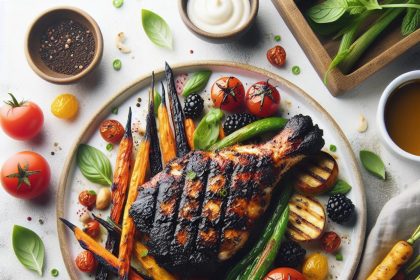
A5: Absolutely! Vegetables like asparagus, bell peppers, and mushrooms thrive with searing. The high heat caramelizes their natural sugars, transforming their flavor from simple and raw to deeply savory and slightly sweet, adding exciting contrast and complexity to your plate.
Q6: How do I know when my food is perfectly seared and ready to flip?
A6: Patience is key. When your ingredient releases easily from the pan without sticking, and the bottom sports a deep golden-brown crust, it’s flip time. If it clings stubbornly, give it a few more moments; forcing it too soon can tear the delicate crust.
Q7: Is searing better done on the stovetop or the grill?
A7: Both methods excel in different ways. A hot stovetop pan offers precision and control, perfect for everyday cooking. Grilling imparts smoky char notes and is ideal for hearty cuts or outdoor cooking. Mastering both lets you unlock searing’s full potential across flavorscapes.
Q8: Any common mistakes to avoid when searing?
A8: Definitely avoid overcrowding your pan, cooking cold food straight from the fridge, or using low heat. These missteps lead to steaming or uneven cooking, robbing your dish of that coveted crust. Also, don’t forget to let your food rest after searing; this redistributes juices for maximum flavor juiciness.
Unlocking the secret to sear it right transforms humble ingredients into gourmet delights. Embrace the heat, trust the process, and watch your food evolve from good to unforgettable.
Closing Remarks
As the final sizzle fades and the aroma lingers, mastering the art of searing reveals itself not just as a cooking technique, but as a gateway to unlocking flavors and textures that transform everyday meals into extraordinary experiences. Whether you’re a seasoned chef or a curious home cook, remembering the science behind the sear-high heat, dry surface, and patience-will ensure your dishes consistently emerge with that coveted caramelized crust and juicy interior. So next time you stand before a sizzling pan, embrace the dance of heat and food, and let your kitchen become the stage where perfect sears tell stories of taste, technique, and culinary triumph.