
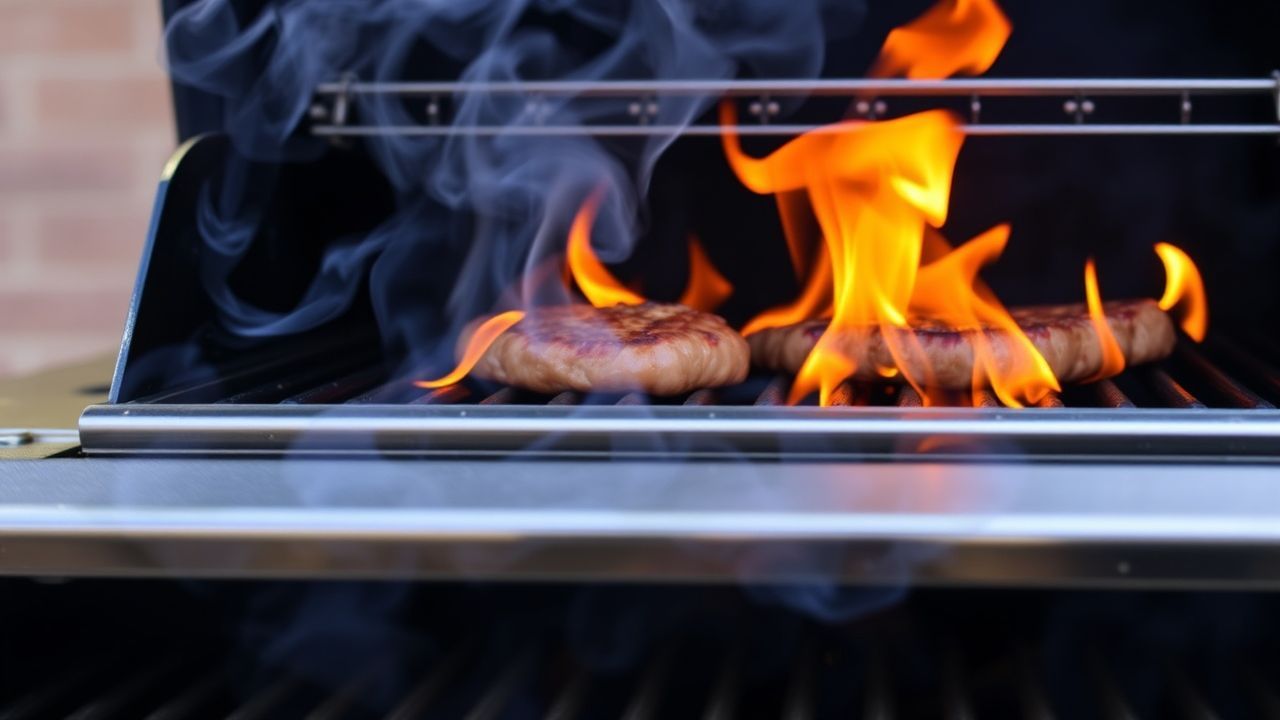

Convection grilling changes how hot air moves across food, producing more even crusts and predictable doneness. When you master airflow and zones, the grill acts like a precision oven while still delivering grill flavor.
- What is convection in convection grilling?
- How convection grilling works on different grill types
- Prep and Cook Time for convection grilling
- Yield for convection grilling
- Difficulty Level for convection grilling
- Ingredients
- Instructions
- Tips for convection grilling Success
- Serving Suggestions for convection grilling
- Nutritional Information
- Further reading and background on convection grilling
- FAQ
- Convection grilling improves evenness: Moving air reduces hot spots so pieces finish uniformly.
- Control airflow: Vents and spacing shape the convection loop and final texture.
- Faster, cleaner cooks: Convection grilling often shortens time and cuts the need for extra fat.
- Repeatable results: Measure chamber temps and map zones to reproduce outcomes.
What is convection in convection grilling?
Convection grilling uses air motion to transfer heat across the cooking chamber. That moving air sweeps heat over the food surface and into the interior, producing steadier temperatures than radiation alone.
The physics behind that motion mirrors basic heat transfer principles. For a concise technical reference, see the Wikipedia entry on convection.
How convection grilling works on different grill types
Grill designs create distinct convection patterns. Pellet and many gas grills use fans or engineered venting; charcoal grills rely on vent placement, convective paths, and thermal mass to move air.
Each system changes airflow speed, temperature consistency, and the balance between direct radiative heat and moving air. Compare the broader cooking modes using the Wikipedia page on grilling for context.
Prep and Cook Time for convection grilling
Preparation: 15 minutes. Cook Time: 25–40 minutes depending on thickness and protein mass. Those ranges assume a convection-capable grill set near 375°F (190°C).
Convection grilling often lets you set slightly lower chamber temps because moving air accelerates heat transfer. Use a probe thermometer to hit the internal target without overbrowning the exterior.
Yield for convection grilling
Serves 4 generous portions with standard boneless chicken breasts or comparable cuts. Convection grilling favors uniform portion control because pieces finish at nearly the same rate.
If you alter protein size or density, adjust time rather than temperature to preserve texture. Small mass shifts can change cook time by 5–10 minutes under active convection conditions.
Difficulty Level for convection grilling
Medium. Convection grilling rewards attention to airflow and temperature but uses basic grill management tools most cooks already own. The main learning curve lies in configuring vents and zones properly.
Once you establish stable zones, the system maintains steady temperatures and promotes even browning. That reliability makes convection grilling a repeatable technique for busy cooks.
Ingredients
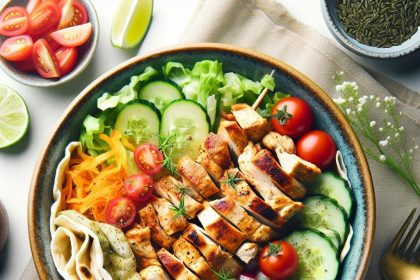
4 boneless chicken breasts, trimmed and patted dry. 2 tablespoons olive oil. 1 tablespoon smoked paprika. 1 teaspoon garlic powder. Salt and black pepper to taste.
Also have fresh rosemary sprigs for garnish and the juice of 1 lemon. Optional: 1 teaspoon cayenne for heat. These ingredients respond well to convection grilling because steady heat locks moisture and concentrates surface flavors.
Instructions
These steps assume an indirect heat setup or a convection mode that circulates air at roughly 375°F (190°C). Keep paragraphs short and monitor with a thermometer for precise results.
- Preheat: Set the grill to indirect/convection mode at 375°F (190°C). Close the lid and let the chamber stabilize for 5–10 minutes.
- Make the marinade: Whisk olive oil, smoked paprika, garlic powder, salt, pepper, and lemon juice until combined.
- Coat the chicken: Rub the mixture over each breast and let rest 10 minutes at room temperature to improve flavor penetration.
- Position the meat: Place breasts over the indirect zone or where the airflow sweeps best, often centered above vents. Close the lid immediately.
- Cook: Grill 20–30 minutes, flipping once halfway. Look for a golden crust while avoiding heavy charring.
- Check: Use an instant-read probe; pull at 165°F (74°C) internal for safety. Remove a few degrees early if you prefer carryover to finish the cook.
- Rest: Rest 5 minutes to redistribute juices before serving. Slice against the grain for optimal tenderness.
Convection grilling shortens the margin for error: rely on temperature rather than time alone. Small adjustments to airflow or spacing create predictable shifts in finish and texture.
Tips for convection grilling Success
Control airflow and spacing to create a stable convection loop. Overcrowding interrupts circulation and leads to uneven cooking.
Use a water pan under the grate for longer cooks to stabilize chamber temps and add humidity. That simple step prevents surface dryness while convection transfers heat efficiently.
Airflow management
Adjust vents gradually to shape the circulation path. Opening vents too wide increases oxygen and can promote direct flames; too-closed vents stifle convection and slow cooking.
Map your grill by testing with an infrared thermometer or by placing slices of bread to see where browning occurs fastest. This inexpensive test reveals your convection pattern without guesswork.
Temperature and zone control
Create a hot side for searing and a cooler side for finishing to maximize convection grilling benefits. Direct heat gives quick color; indirect convection finishes interior doneness without burning the outside.
Place a grill thermometer near the food to track the actual cooking environment, not only the controller readout. Thermometer placement affects how you interpret and correct temperature drift.
Keep a short checklist: preheat, stabilize vents, space items, then load the grill. Repeating the routine produces consistent results and reduces fuel use.
Serving Suggestions for convection grilling
Serve convection-grilled chicken with oven-finished or grilled vegetables to match moisture and texture. Crisp-browned vegetables pair well because they respond to the same circulating heat patterns.
A bright quinoa salad or mashed potatoes complements the savory, slightly smoky profile. Finish plates with lemon zest and a sprig of rosemary for aroma that ties to the grilled flavors.
Nutritional Information
The table below approximates nutrition per serving for the specified ingredients and standard preparation. Use it as a reference for portion planning and dietary adjustments.
| Nutrient | Amount per Serving |
|---|---|
| Calories | 320 kcal |
| Protein | 45 g |
| Carbohydrates | 2 g |
| Fat | 12 g |
Convection grilling typically reduces the need for added fats because heat penetration occurs faster and more evenly. Adjust oil quantities if you prefer lower-fat cooking while maintaining surface browning.
Further reading and background on convection grilling
For practical comparison of heat modes, consult the Wikipedia article on heat transfer. It clarifies the roles of conduction, convection, and radiation in cooking.
For engineering-oriented readers, the Wikipedia page on thermodynamics connects energy conservation and heat transfer to practical kitchen outcomes. Apply those principles to predict how changes will affect your cook.
For community-tested recipes and grill technique posts, explore internal resources like convection-grilling tag and a technique hub at Grill Techniques. Those internal guides complement the technical references above.
FAQ
What is the main advantage of convection on a grill?
Convection grilling supplies uniform heat to the surface and interior, reducing hot and cold spots. That consistency yields even doneness across larger or denser cuts without excessive exterior burn.
Will convection make everything cook faster?
Generally yes. Circulating air transfers heat more efficiently than still air alone, often shortening cook times or permitting lower target temperatures. Thickness and water content remain primary determinants of speed.
Can I get convection benefits on a charcoal grill?
Yes. Arrange coals to one side, use a lid, and tune vents to guide airflow through the chamber. Proper venting shapes circulation and lets you approximate forced convection behavior.
How do I avoid drying out lean cuts?
Use slightly lower temperatures and reduce overall time; rely on internal temperature rather than time. Adding a water pan or basting periodically helps maintain surface moisture during longer convection cooks.
Do I need special equipment to measure convection effectiveness?
Basic tools suffice: an accurate probe thermometer and an infrared gun or multiple thermometers help map the grill. These instruments validate airflow settings and confirm stable cooking conditions.
Mastering convection grilling turns a home grill into a precision tool. Control airflow, measure temperatures, and adjust zones to achieve repeatable, flavorful results.
See also: Convection grilling