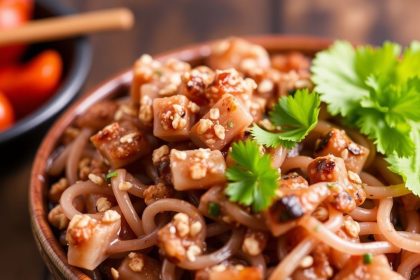

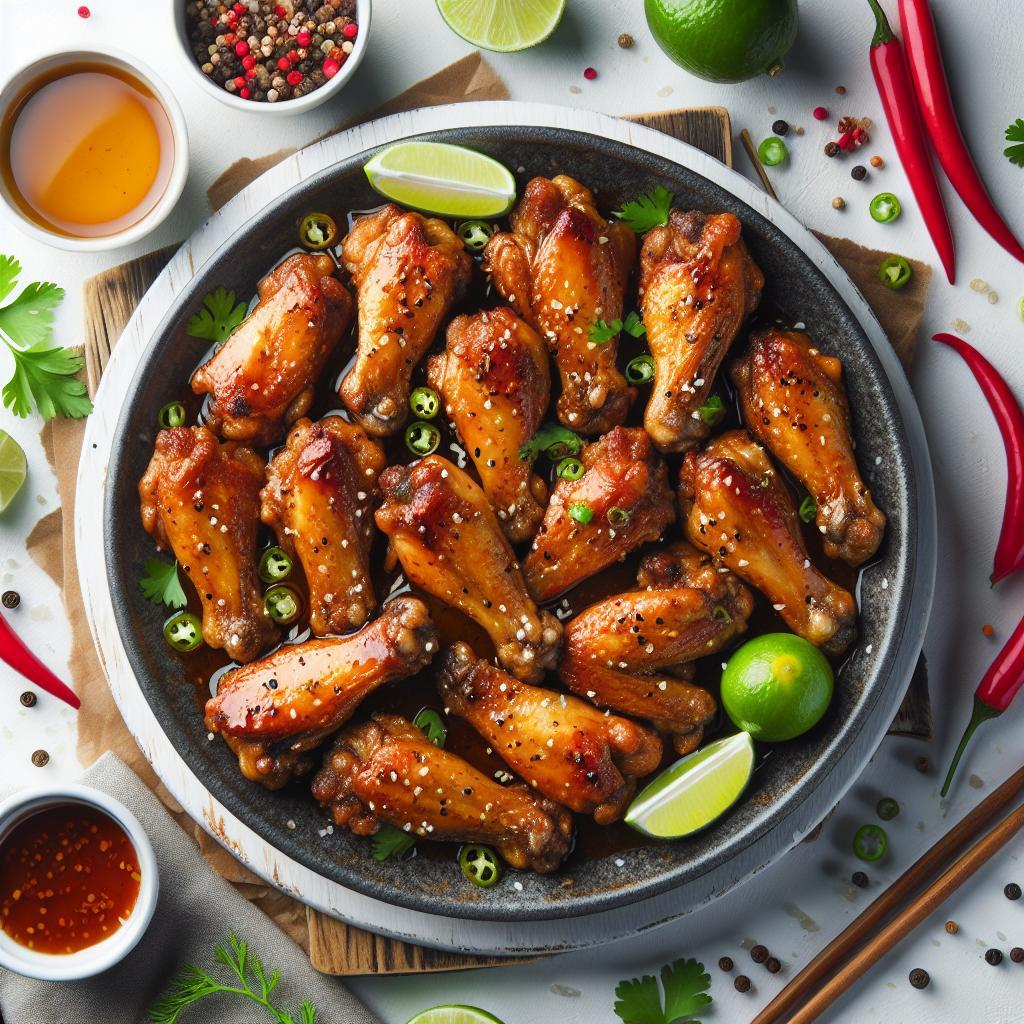

Baked honey wings deliver glossy, sticky skin and juicy meat without a deep fryer. These honey wings balance sweet glaze chemistry with savory seasoning to produce crisp exterior and controlled caramelization.
- Quick crisping: use high oven heat and a wire rack for airflow.
- Flavor balance: honey, acid, and soy create glaze cling and brightness.
- Make-ahead: cook, cool, and reheat under broiler or in an air fryer to restore texture.
Overview and Professional Rationale
Baked honey wings offer high yield for effort; mild technique adjustments produce restaurant-level results. Professionals focus on moisture control, sugar behavior, and correct heat staging to avoid burning while maximizing gloss.
Honey acts as both sweetener and glaze matrix. The sugar content influences caramelization and Maillard reaction at the skin; understanding these reactions helps time broiling and reduce bitter scorch. For technical background on the Maillard reaction, see Maillard reaction on Wikipedia.
Prep and Cook Time
Preparation: 15 minutes active work gives you a streamlined mise en place. Trim wings, measure glaze components, and preheat the oven so the process runs without interruption.
Marinating and cook: a one-hour minimum marinade improves surface seasoning; bake 40–45 minutes total at staged heat. Use a calibrated probe to verify 165°F (74°C) internal temperature in the thickest portion for safety and optimal juiciness.
Yield & Difficulty
Yield: Serves 4–6 (about 18–22 wings). Scale quantities linearly while keeping spacing on trays to preserve airflow and crisping potential.
Difficulty: Easy to moderate. Basic oven technique and timing control suffice; precise finishing under a broiler takes attention to avoid rapid scorching of the honey glaze.
Ingredients
Measure ingredients for consistency. The core balance is sweet (honey), salty (soy), acidic (vinegar or citrus), and heat (chili). This balance creates cling and layered flavor on baked honey wings.
Core ingredients: 2 lb chicken wings (tips removed), 1/4 cup honey, 3 tbsp soy sauce, 1 tbsp apple cider vinegar, 2 cloves minced garlic, 1 tsp smoked paprika, 1/2 tsp chili flakes, kosher salt, black pepper, 2 tbsp olive oil, and optional 1 tsp cornstarch or 1/2 tsp baking powder for crisping. For context on soy fermentation and flavor contribution, consult Soy sauce on Wikipedia.
Instructions
Preheat oven to 400°F (200°C). Prepare a rimmed baking sheet with a wire rack; that gap encourages even hot-air circulation, which speeds moisture evaporation from the skin.
Combine honey, soy, vinegar, garlic, paprika, chili, salt, and pepper. Toss wings to coat, then refrigerate for at least one hour. Reserve 2–3 tbsp of marinade before adding raw meat to use for finishing and avoid cross-contamination.
Baking and Glazing
Optional: dust wings lightly with cornstarch or baking powder to enhance exterior crisp. Arrange single-layer on the rack, drizzle with oil, and bake 25 minutes before flipping to expose both sides to dry heat.
After flipping, bake another 15–20 minutes until skin is crisp and an internal probe reads 165°F (74°C). Brush with the reserved glaze and broil 2–3 minutes to set color; watch continuously as honey sugars caramelize rapidly.
Tips for Success
Small technique shifts yield large texture gains. Use a wire rack, avoid crowding, and consider a small amount of baking powder when aiming for very crisp skin; it raises surface pH and speeds browning reactions.
Adjust spice by varying chili or adding fresh ginger for a different aromatic profile. If you prefer tang, add 1 tsp extra apple cider vinegar or 1 tbsp lemon juice to your marinade and taste before marinating the wings.
Serving Suggestions
Serve honey wings with crunchy celery and carrot sticks and a cooling dip such as ranch or a yogurt-herb sauce to contrast the sticky glaze. A lime wedge brightens the plate and cuts richness.
For plating, garnish with chopped parsley or toasted sesame and serve hot to preserve gloss. Reheating in an air fryer or oven restores crispness better than a microwave.
Nutritional Notes and Food Safety
Per-serving estimates vary with wing size and skin-on choices. A typical four-wing serving is roughly 280 kcal, 24 g protein, 14 g carbs, and 12 g fat; adjust portions for dietary goals.
Always verify internal temperature with a calibrated probe. For general poultry handling and storage guidance, see Chicken as food on Wikipedia. Store cooled wings in an airtight container and refrigerate up to 3 days.
Technique Notes and Culinary Science
To optimize crispness, reduce surface moisture and apply gentle alkalinity. Baking powder raises pH and alters skin proteins, which promotes browning and a crunchier texture.
Understand sugar behavior: honey caramelizes roughly between 300–350°F (150–175°C). Control broiling time to obtain caramel color without scorching. For broader baking thermal concepts, see Baking on Wikipedia.
Related Reading and References
For more on honey varieties and flavor profiles, review Honey on Wikipedia. Choose darker, robust honeys for bolder floral notes that resist heat.
These references clarify ingredient roles and thermal reactions behind the techniques in this guide. Use them to refine glaze choice and finishing temperature decisions when preparing honey wings for different service contexts.
FAQ
How do I make wings crispy without frying?
Use high initial oven heat and a wire rack to expose all sides to hot air. A light dusting of cornstarch or baking powder dries the skin and speeds browning.
Avoid overcrowding the tray. Steam from clustered wings prevents crisping and yields soggy skin; leave space for airflow.
Can I substitute honey for another sweetener?
You can use maple syrup or agave, but honey offers viscosity and floral notes that improve glaze cling and flavor depth. Swap cautiously and adjust acid and salt to rebalance taste.
For lower sugar, reduce honey and increase soy or acid to maintain mouthfeel and shine on the wings.
Is marinating necessary?
Marinating enhances surface seasoning and tenderizes. One hour gives noticeable improvement; overnight deepens flavor but is optional when time is tight.
If you need rapid infusion, score skin lightly or use a vacuum-seal step to accelerate penetration before baking honey wings.
How do I store and reheat leftovers?
Refrigerate cooled wings in an airtight container up to 3 days. Reheat in a preheated oven or air fryer at 350°F (175°C) for 6–8 minutes to restore crispness while warming through.
Brush with warmed reserved glaze and give a short broil to refresh gloss and stickiness just before serving.
What are safe temperature targets for poultry?
Cook wings to an internal temperature of 165°F (74°C). Insert a probe into the meatiest portion without touching bone for accuracy; allow 3–5 minutes rest to let carryover heat equalize.
Carryover improves juiciness and evens final temperature without overcooking the skin when you finish under the broiler.
Embrace these methods and adjustments to produce repeatable, high-quality honey wings. With controlled heat, balanced glaze, and simple technique, you can offer wings that satisfy casual eaters and discerning diners.

See also: Honey Wings
See also: honey wings