
By using this site, you agree to the Privacy Policy and Terms of Use.
Accept
CookOrBitCookOrBitCookOrBit
  • Home
  • About Us
  • Ingredient Science
    • Flavor & Aroma
    • Protein Chemistry
    • Sugar & Starch
    • Fats & Emulsions
  • Cooking Techniques
    • Searing & Grilling
    • Baking & Roasting
    • Boiling & Steaming
    • Low & Slow
  • Kitchen Experiments
    • DIY Ferments
    • Flavor Tests
    • Gadget Testing
    • Molecular Gastronomy
  • Food Myths
    • Searing Myth
    • 5-Second Rule
    • MSG Myths
    • Microwave Myths
  • Tools
  • More
    • Extra Picks
    • Quick & Easy
      • Breakfast Ideas
      • Desserts
      • Snacks
      • Soups
    • Global Flavors
      • Asian Street Eats
      • Latin Comforts
      • Mexican Flavors
      • Modern Mediterranean
CookOrBitCookOrBit
  • Home
  • About Us
  • Ingredient Science
  • Cooking Techniques
  • Kitchen Experiments
  • Food Myths
  • Tools
  • More
Search
  • Home
  • About Us
  • Ingredient Science
    • Flavor & Aroma
    • Protein Chemistry
    • Sugar & Starch
    • Fats & Emulsions
  • Cooking Techniques
    • Searing & Grilling
    • Baking & Roasting
    • Boiling & Steaming
    • Low & Slow
  • Kitchen Experiments
    • DIY Ferments
    • Flavor Tests
    • Gadget Testing
    • Molecular Gastronomy
  • Food Myths
    • Searing Myth
    • 5-Second Rule
    • MSG Myths
    • Microwave Myths
  • Tools
  • More
    • Extra Picks
    • Quick & Easy
    • Global Flavors
Follow US
  • Advertising Policy
  • Contact Us
  • Cookie Policy
  • Copyright Notice
  • Disclaimer
  • Privacy Policy
  • Terms of Service
By Fimaw.com
Sweet Science: Unveiling Sugar Syrup’s Role in Meringue Magic
CookOrBit > Blog > Cooking Techniques > Boiling & Steaming > Sweet Science: Unveiling Sugar Syrup’s Role in Meringue Magic
Boiling & Steaming

Sweet Science: Unveiling Sugar Syrup’s Role in Meringue Magic

William J. Kroll
By William J. Kroll
Published: February 14, 2026
Share
SHARE

In the delicate dance of culinary chemistry, few ingredients wield the transformative power of sugar syrup. When it comes to meringue-the ethereal, cloud-like confection that’s as much art as it is science-this sweet elixir is nothing short of magical. Behind the crisp shells and glossy peaks lies a fascinating interplay where sugar syrup doesn’t just sweeten but stabilizes, structures, and elevates. Join us as we embark on a journey to unveil the sweet science hidden in every swirl of meringue, exploring how sugar syrup orchestrates both texture and taste, turning simple egg whites into an irresistible masterpiece.

Contents
  • Prep and Cook Time
  • Yield
  • Difficulty Level
  • Ingredients
  • Instructions
  • Tips for Success
  • Serving Suggestions
  • Q&A
  • In Conclusion

Sugar syrup and meringue stability go hand in hand in the world of pastry magic, captivating both novice bakers and seasoned chefs alike. Understanding how to master sugar syrup consistency is the gateway to achieving glossy, resilient meringue peaks that hold their shape beautifully and elevate your desserts to a professional level. The interplay of sugar syrup’s chemistry and meticulous technique transforms delicate egg whites into marvelously stable clouds of sweetness that can withstand baking, piping, or even humid conditions. This section will illuminate the secrets behind this sweet science, guiding you through every step to perfect meringue sorcery with confidence and flair.

Prep and Cook Time

  • Preparation: 10 minutes
  • Cooking Sugar Syrup: 10 minutes
  • Whipping and Assembly: 10 minutes
  • Total Time: 30 minutes

Yield

Yields approximately 4 cups of stable Swiss or Italian meringue, perfect for frosting cakes, filling macarons, or making pavlovas.

- Advertisement -

Difficulty Level

Medium – Requires attention to sugar syrup temperature and timing, but highly rewarding with practice.

Ingredients

  • 4 large egg whites, at room temperature
  • 1 cup granulated sugar
  • 1/4 cup water
  • 1/4 teaspoon cream of tartar or a few drops of lemon juice (optional, for stability)
  • 1 teaspoon vanilla extract (optional, for flavor)

Instructions

  1. Prepare the sugar syrup: Combine 1 cup granulated sugar and 1/4 cup water in a deep saucepan. Stir gently over medium heat until the sugar dissolves. Attach a candy thermometer and bring to a boil without stirring. Heat until the syrup reaches 240°F (soft-ball stage).
  2. Begin whipping egg whites: While the syrup is heating, start whipping the 4 large egg whites with a mixer on medium speed. Add cream of tartar to enhance stability and continue whipping until soft peaks form.
  3. Slowly incorporate sugar syrup: Once the syrup hits 240°F, remove from heat. With the mixer on medium speed, carefully drizzle the hot syrup into the whipped egg whites in a thin, steady stream. Avoid pouring directly onto the beaters to prevent splattering and uneven cooking.
  4. Increase whisk speed: After all syrup is added, raise the mixer speed to high. Beat continuously until the meringue cools to room temperature and forms glossy, stiff peaks. This process typically takes 5-7 minutes.
  5. Add flavoring: Gently fold in vanilla extract or any other extracts or essences at this stage to customize your meringue.
  6. Use immediately or store: For best results, use the meringue right away to frost or pipe. If storing, cover tightly with plastic wrap and refrigerate – it can last for up to 24 hours without significant loss of stability.

Tips for Success

  • Use a clean, grease-free bowl and beaters – even a trace of fat can prevent egg whites from whipping properly.
  • Room temperature egg whites trap air more efficiently, leading to higher volume and better texture.
  • A candy thermometer is crucial: precise sugar syrup temperature ensures the meringue sets correctly without graininess or weeping.
  • Slowly pour syrup to avoid shocking the egg whites, which can cause the meringue to deflate or curdle.
  • If your meringue becomes grainy or separates, try reheating gently over a double boiler while whisking until smooth and glossy before continuing to whip.
  • For an extra stable meringue in humid climates, adding cream of tartar or a tablespoon of corn syrup can improve resilience.

Serving Suggestions

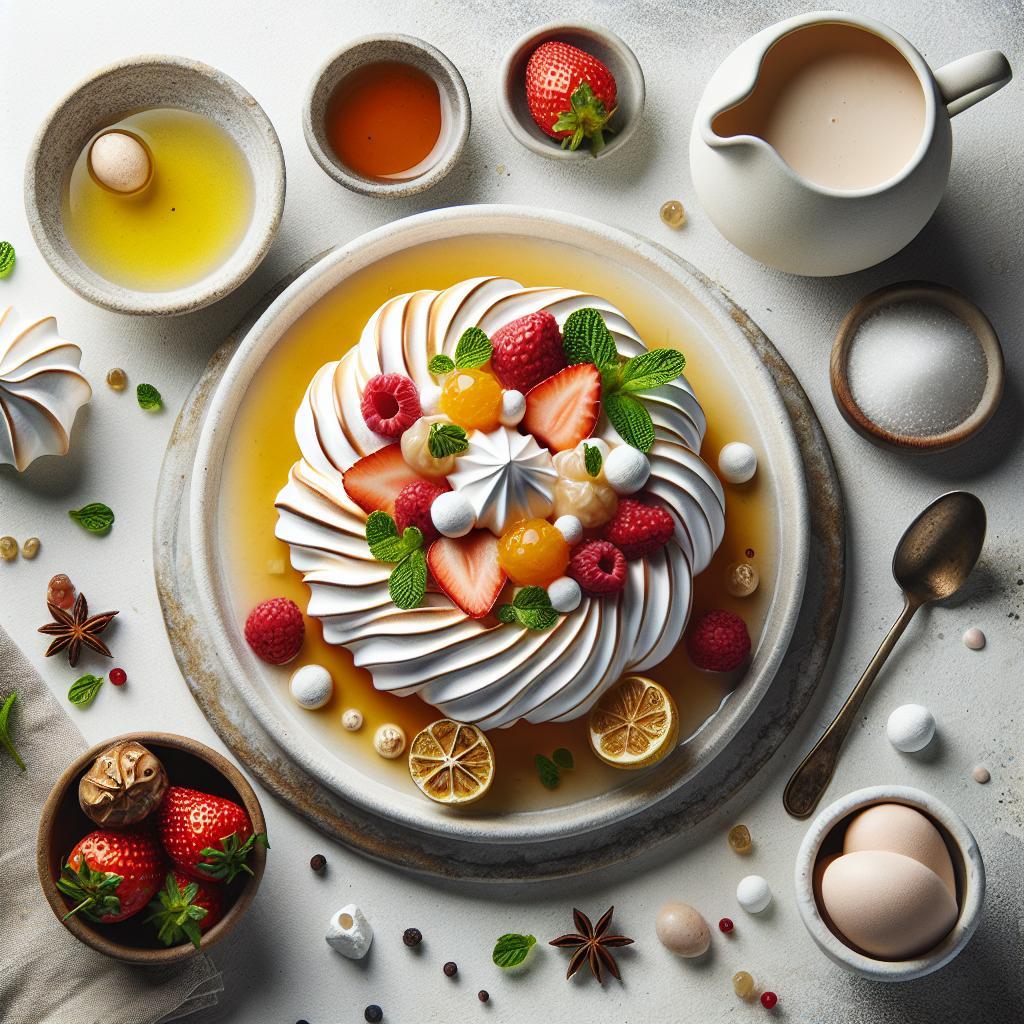
Present your glossy, resilient meringue as a sublime topping on classic lemon meringue pie, or pipe it into delicate kisses, shells, or nests to bake and serve as elegant confections. Garnish with fresh berries, edible flowers, or a sprinkle of toasted nut dust for visual contrast and texture. For an indulgent twist, lightly torch the surface to caramelize the sugars, adding a smoky richness and a dynamic crunch. This vibrant meringue also shines dolloped atop warm puddings or cakes where its shiny, cloud-like texture will dazzle your guests.

Nutrient Per 1/2 cup
Calories 130
Protein 3g
Carbohydrates 33g
Fat 0g

Sugar syrup enhancing glossy meringue peaks

- Advertisement -

Mastering this technique not only ensures stability but also unlocks a world of creative possibilities in your baking repertoire. By embracing the sweet science of sugar syrup and its transformative role, you’ll elevate your meringue from simple fluff to stunning, stable works of art that hold their shape and charm every palate.

For deeper insights into meringue science and variations, visit the Serious Eats meringue guide – a trusted authority on culinary transformations through chemistry.

Q&A

Q: What exactly is sugar syrup, and how does it differ from regular sugar?
A: Sugar syrup is a liquid form of sugar, created by dissolving granulated sugar in water and gently heating it until fully combined. Unlike dry sugar, sugar syrup offers a smooth, fluid texture that blends effortlessly into mixtures, making it a secret ingredient in achieving that perfect meringue magic.

- Advertisement -

Q: Why is sugar syrup considered the “sweet science” behind meringues?
A: The phrase “sweet science” captures the delicate balance of chemistry and art in meringue-making. Sugar syrup, when added at just the right temperature and moment, stabilizes the egg whites by coating the proteins, preventing protein bonds from breaking. This scientific interaction creates a glossy, firm meringue that holds its shape and delights the palate.

Q: How does sugar syrup influence the texture and stability of meringue?
A: When sugar syrup is carefully folded into whipped egg whites, it crystallizes slowly, locking in air bubbles and resulting in a meringue that’s both light and resilient. This prevents weeping or collapsing, giving meringue its signature ethereal fluffiness and a satisfying snap when baked.

Q: Can all types of sugar be used to make sugar syrup for meringue?
A: While granulated white sugar is the classic choice, experimenting with different sugars-like superfine, caster, or even light brown sugar-can subtly alter the flavor and color of your meringue. However, each type requires adjusting the syrup’s concentration and temperature to maintain the syrup’s vital role in texture and stability.

Q: Is there a particular timing or temperature crucial to adding sugar syrup to meringue?
A: Absolutely! The sugar syrup needs to reach the “soft ball stage” (around 235-240°F or 113-116°C) before it’s slowly drizzled into near-stiff egg whites. This timing ensures the syrup integrates perfectly, preventing the meringue from becoming grainy and encouraging that impeccable glossy finish.

Q: What are some common mistakes when using sugar syrup in meringue, and how can they be avoided?
A: One misstep is pouring the syrup too quickly, which can deflate the airy egg whites. Another is allowing the syrup to cool too much, causing it to harden and clump. The key is patience-slowly incorporate the syrup while continuing to whip, maintaining the meringue’s lightness and structure.

Q: Beyond traditional meringue, how else does sugar syrup work its magic in baking?
A: Sugar syrup serves as a versatile magician’s wand throughout the baking world! It sweetens and stabilizes frostings, glazes pastries with a shimmering finish, and even acts as a moisture-locking agent in cakes, proving that its sweet science goes far beyond just meringue.

Q: Can sugar syrup meringue be made vegan or allergen-free?
A: The classic recipe relies on egg whites, but innovative bakers use aquafaba (chickpea water) as a vegan substitute. Sugar syrup works wonderfully the same way here-providing that essential stability and shine-showing that the sweet science adapts beautifully to diverse dietary needs.


This Q&A unveils how sugar syrup isn’t merely a sweetener but a pivotal player in the enchanting chemistry of meringue-making-a true sweet science!

In Conclusion

As the final drizzle of sugar syrup settles into the cloud-like fold of meringue, we glimpse the quiet alchemy behind this airy marvel. Beyond mere sweetness, sugar syrup wields the power to transform fragile egg whites into glossy peaks that defy gravity, weaving structure and stability into every bite. Understanding this delicate dance not only deepens our appreciation for meringue’s ethereal charm but also invites us to experiment with confidence in the kitchen. So next time you whisk up a batch of meringue magic, remember: behind the scenes, sugar syrup is the unsung hero turning simple ingredients into a sweet science worth savoring.
Sweet Science: Unveiling Sugar Syrup's Role in Meringue Magic

Roux Revealed: The Secret Base Behind Classic Sauces
Savor the Flavor: Easy Beef and Broccoli Skillet Recipe
Energize Your Day with a Vibrant Roasted Root Bowl
Savoring Turkey and Squash Soup: A Cozy Culinary Duo
Savor the Comfort: Turkey and Rice Stew Delight Unveiled
TAGGED:andsugarsweettheunveiling
Share This Article
Facebook Pinterest Whatsapp Whatsapp LinkedIn Telegram Threads
What do you think?
Love0
Sad0
Happy0
Sleepy0
Angry0
Dead0
Wink0
Previous Article Mastering the Art of Perfectly Browned, Bubbly Cheese Topping Mastering the Art of Perfectly Browned, Bubbly Cheese Topping
Next Article Pellicle Unveiled: The Hidden Film Shaping Science and Art Pellicle Unveiled: The Hidden Film Shaping Science and Art
Crunchy Roasted Cauliflower Salad: A Flavor-Packed Delight
Extra Picks
The Sparkling Science Behind Perfect Popping Candy Magic
Molecular Gastronomy
Grinding Genius: The Science Behind Meat Grinder Augers & Plates
Gadget Testing
The Sweet Science: Unlocking the Magic of Caramelization
Flavor Tests

Tags

and are art baked beef behind broccoli butter carrot cauliflower cheese chemistry chicken chickpea chili coconut cozy cracking crafting creamy crisp crispy crust debunking does dough dry easy egg eggs exploring fat fish flavor flavorful food for frozen garlic golden grill guide happens healthy hearty heat how keto lemon magic make master mastering meat microwave perfect perfectly protein rice roasted Salad salmon salt savor savory science searing secret secrets sizzling slow squash steak sugar sweet tender testing that the tips top turkey ultimate umami unlock unlocking unraveling unveiling vegetable velvety water what when whipping wholesome why wild with your zesty
February 2026
M T W T F S S
 1
2345678
9101112131415
16171819202122
232425262728  
« Jan    

You Might Also Like

Soulful Sips: The Art of Roasted Tomato Soup Unveiled
Extra Picks

Soulful Sips: The Art of Roasted Tomato Soup Unveiled

William J. Kroll
William J. Kroll
February 13, 2026
Hearty Chicken and Rice Stew: A Comforting One-Pot Wonder
Extra Picks

Hearty Chicken and Rice Stew: A Comforting One-Pot Wonder

William J. Kroll
William J. Kroll
December 31, 2025
Unlocking the Secrets: The Science Behind Perfectly Seared Scallops
Extra Picks

Unlocking the Secrets: The Science Behind Perfectly Seared Scallops

William J. Kroll
William J. Kroll
November 4, 2025
Roasted Vegetable Chili: A Hearty Twist on Classic Comfort
Extra Picks

Roasted Vegetable Chili: A Hearty Twist on Classic Comfort

William J. Kroll
William J. Kroll
January 27, 2026
What Happens When You Overcook Seitan: A Culinary Guide
Protein Chemistry

What Happens When You Overcook Seitan: A Culinary Guide

William J. Kroll
William J. Kroll
August 30, 2025
Savor Healthy Flavor: Delicious Diabetes-Friendly Dinners
Extra Picks

Savor Healthy Flavor: Delicious Diabetes-Friendly Dinners

William J. Kroll
William J. Kroll
December 26, 2025
Follow US
By Fimaw.com © All Rights Reserved.
  • Advertising Policy
  • Contact Us
  • Cookie Policy
  • Copyright Notice
  • Disclaimer
  • Privacy Policy
  • Terms of Service
Welcome Back!

Sign in to your account

Username or Email Address
Password

Lost your password?