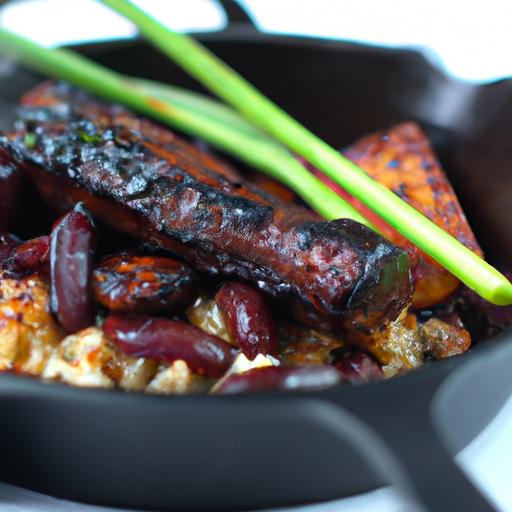

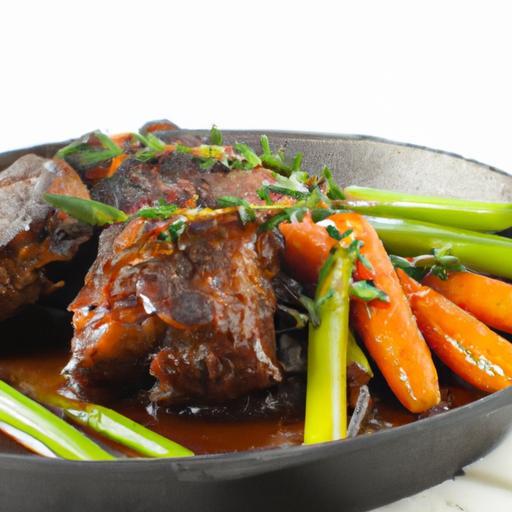

In kitchens around the world, the cast iron pan sits quietly, often overlooked yet undeniably powerful-a culinary workhorse that bridges tradition and innovation. Its rugged surface tells stories of generations past, while its impeccable heat retention transforms humble ingredients into gastronomic masterpieces. But what magic lies beneath its blackened, seasoned exterior? In this article, we will unravel the fascinating art and science behind the cast iron pan, exploring how centuries-old craftsmanship meets modern culinary chemistry to deliver unbeatable flavor, versatility, and durability. Prepare to embark on a journey that will change the way you see-and use-this timeless kitchen essential.
The Art & Science Behind a Cast Iron Pan Explained begins with understanding how this cookware transforms your cooking experience through its unrivaled heat retention and even distribution. Imagine searing a thick steak to perfect doneness or baking cornbread with a golden crust-this is the magic cast iron offers. Its timeless craftsmanship, born from centuries of culinary tradition, merges raw durability with natural nonstick prowess once properly seasoned.
Prep and Cook Time
Prep Time: 10 minutes | Cook Time: 25 minutes | Total: 35 minutes
Yield
Serves 4
Difficulty Level
Medium
Ingredients
- 1 tablespoon vegetable oil or melted lard (for seasoning)
- 1 whole chicken (about 3-4 pounds), patted dry
- 2 teaspoons kosher salt
- 1 teaspoon freshly ground black pepper
- 4 cloves garlic, smashed
- 2 sprigs fresh rosemary or thyme
- 1 lemon, halved
- 1 large yellow onion, quartered
- 1 cup chicken broth (optional, for pan deglazing)
Instructions
- Preheat your oven to 425°F (220°C). Place your seasoned cast iron pan on the stovetop and warm over medium heat for 3-5 minutes to enhance heat distribution.
- Prepare the chicken: Rub the entire chicken with vegetable oil or melted lard, ensuring it is fully coated. Season liberally with kosher salt and freshly ground black pepper inside and out.
- Fill the cavity of the chicken with smashed garlic, fresh herbs, and lemon halves to infuse aroma during cooking.
- Arrange the quartered onion evenly in the cast iron pan, creating a natural roasting rack for the chicken.
- Place the chicken breast-side up on the bed of onions. Transfer the pan to the preheated oven.
- Roast for 20-25 minutes or until the internal temperature of the thickest part of the chicken reaches 165°F (74°C), basting once halfway through with pan juices for moistness.
- Optional step: Remove the chicken once done and place the pan back on the stovetop over medium heat. Pour in chicken broth to deglaze, scraping browned bits for a quick pan sauce. Simmer for 3 minutes, then serve alongside the carved chicken.
Chef’s Notes
- For an extra crispy skin, ensure the chicken is completely dry before oiling and seasoning.
- Use your cast iron pan to develop a natural nonstick surface by regularly seasoning after each use-wipe a thin coat of oil and heat it for a few minutes.
- If your pan shows signs of rust or uneven seasoning, scrub gently with coarse salt and a soft cloth before re-seasoning.
- Leftover roast chicken can be shredded and incorporated into hearty cast iron skillet meals like fajitas or skillet lasagna.
- To make this recipe vegetarian-friendly, roast a medley of hearty vegetables in the cast iron pan, leveraging the same method to develop caramelization and depth of flavor.
Serving Suggestions
The roasted chicken served straight from your cast iron pan offers a rustic and inviting presentation. Garnish with fresh herbs like rosemary sprigs or a squeeze of lemon juice to brighten the flavors. Pair with creamy mashed potatoes or a crisp green salad for a balanced meal. The caramelized onions from the pan make a perfect side or topping, elevating the dish’s complexity.

| Nutrient | Amount per Serving |
|---|---|
| Calories | 340 kcal |
| Protein | 38 g |
| Carbohydrates | 4 g |
| Fat | 18 g |
Discover how to maintain your cookware’s natural nonstick qualities by reading our full Cast Iron Seasoning Guide. For further scientific insight on heat dynamics in cookware, explore this detailed study on heat retention in cast iron.
Q&A
Q&A: The Art & Science Behind a Cast Iron Pan Explained
Q1: What makes cast iron pans so beloved by cooks worldwide?
A1: Cast iron pans are the culinary equivalent of a timeless symphony-combining durability, heat retention, and versatility. Their heavy, rugged nature ensures even cooking, while their ability to develop a natural non-stick surface over time makes every meal a masterpiece. They’re not just tools; they’re culinary companions that improve with age.
Q2: How does cast iron actually conduct and distribute heat?
A2: Think of cast iron as a heat reservoir. Its dense, thick body absorbs heat slowly but retains it like a cozy hearth. This steady heat distribution transforms the pan into an even cooking surface, avoiding those pesky hotspots that can char or undercook your food. It’s the science of thermal mass meeting the art of temperature control.
Q3: What is the “seasoning” on a cast iron pan, and why is it important?
A3: Seasoning is the magical patina-a layer of polymerized oils baked onto the pan’s surface. It’s the alchemy that turns raw iron into a non-stick canvas. This protective coat not only keeps rust at bay but enhances flavor by creating a natural, chemical-free barrier between food and metal. Like a well-worn leather jacket, each layer tells a story of countless meals.
Q4: Can you explain the difference between “pre-seasoned” and “naturally seasoned” pans?
A4: Pre-seasoned pans come from the factory with a basic oil layer baked in, ready to use out of the box-perfect for those eager to cook immediately. Naturally seasoned pans, meanwhile, are a blank slate, inviting cooks to cultivate their own seasoning ritual. It’s the difference between buying a canvas with a sketch already on it versus preparing your own masterpiece from scratch.
Q5: Why do some cooks insist that cast iron pans “get better with use”?
A5: With every sizzle and sear, the pan absorbs microscopic layers of fat, slowly building its seasoning and deepening its character. This evolving surface improves food release and flavor, making each cooking session a brushstroke in its culinary art. It’s a loving relationship where time and temperature are the paint, and flavor is the final work of art.
Q6: How do you care for a cast iron pan without damaging its seasoning?
A6: Treat your cast iron like a treasured heirloom. Rinse with warm water-skip the soap if possible-and scrub gently with a brush or salt if needed. Dry thoroughly to prevent rust, then apply a thin layer of oil while the pan is still warm. Avoid soaking or dishwasher use. These rituals maintain the pan’s “skin,” preserving both science and soul.
Q7: Are cast iron pans suitable for all cooking styles?
A7: Almost! Cast iron excels at high-heat methods like searing, frying, baking, and even slow-cooking stews. Its robust nature thrives from stovetop to oven. However, it’s less ideal for delicate dishes requiring precise temperature control or acidic foods cooked for extended periods, which can strip seasoning and impart metallic flavors.
Q8: What is the environmental impact of cast iron compared to other cookware?
A8: Cast iron pans are eco-warriors in disguise. Their longevity means fewer replacements, reducing waste. Made from abundant materials and fully recyclable, they have a lower environmental footprint when cared for properly. Unlike coatings made from synthetic chemicals, cast iron’s natural seasoning is kinder to you and the planet-a harmonious blend of art, science, and sustainability.
This Q&A illuminates how cast iron pans blend artistry and metallurgy, creating a tool that’s as much a partner in culinary creativity as a marvel of material science.
Closing Remarks
As the final sizzle fades and the aroma lingers, the cast iron pan stands as a testament to culinary craftsmanship – where art meets science in perfect harmony. Understanding the intricate balance of heat retention, seasoning chemistry, and timeless durability transforms this humble kitchen tool from mere cookware into an enduring culinary companion. Whether you’re a seasoned chef or a curious novice, embracing the science behind its performance elevates every cooking experience into a masterpiece. So, next time you hold that sturdy handle, remember: you’re not just cooking-you’re engaging in a legacy shaped by both nature’s elements and human ingenuity.