
By using this site, you agree to the Privacy Policy and Terms of Use.
Accept
CookOrBitCookOrBitCookOrBit
  • Home
  • About Us
  • Ingredient Science
    • Flavor & Aroma
    • Protein Chemistry
    • Sugar & Starch
    • Fats & Emulsions
  • Cooking Techniques
    • Searing & Grilling
    • Baking & Roasting
    • Boiling & Steaming
    • Low & Slow
  • Kitchen Experiments
    • DIY Ferments
    • Flavor Tests
    • Gadget Testing
    • Molecular Gastronomy
  • Food Myths
    • Searing Myth
    • 5-Second Rule
    • MSG Myths
    • Microwave Myths
  • Tools
  • More
    • Extra Picks
    • Quick & Easy
      • Breakfast Ideas
      • Desserts
      • Snacks
      • Soups
    • Global Flavors
      • Asian Street Eats
      • Latin Comforts
      • Mexican Flavors
      • Modern Mediterranean
CookOrBitCookOrBit
  • Home
  • About Us
  • Ingredient Science
  • Cooking Techniques
  • Kitchen Experiments
  • Food Myths
  • Tools
  • More
Search
  • Home
  • About Us
  • Ingredient Science
    • Flavor & Aroma
    • Protein Chemistry
    • Sugar & Starch
    • Fats & Emulsions
  • Cooking Techniques
    • Searing & Grilling
    • Baking & Roasting
    • Boiling & Steaming
    • Low & Slow
  • Kitchen Experiments
    • DIY Ferments
    • Flavor Tests
    • Gadget Testing
    • Molecular Gastronomy
  • Food Myths
    • Searing Myth
    • 5-Second Rule
    • MSG Myths
    • Microwave Myths
  • Tools
  • More
    • Extra Picks
    • Quick & Easy
    • Global Flavors
Follow US
  • Advertising Policy
  • Contact Us
  • Cookie Policy
  • Copyright Notice
  • Disclaimer
  • Privacy Policy
  • Terms of Service
By Fimaw.com
The Art & Science of Sourdough: Young vs Mature Starters Explained
CookOrBit > Blog > Kitchen Experiments > Flavor Tests > The Art & Science of Sourdough: Young vs Mature Starters Explained
Flavor Tests

The Art & Science of Sourdough: Young vs Mature Starters Explained

William J. Kroll
By William J. Kroll
Published: February 17, 2026
Share
SHARE

In the world of artisanal baking, sourdough stands as both a timeless tradition and a dynamic science-a living testament to the delicate dance between nature and nurture. At the heart of this ancient craft lies the sourdough starter, a bubbling culture of wild yeasts and lactic acid bacteria that transforms simple flour and water into bread with depth, character, and soul. But not all starters are created equal. Whether young or mature, each starter tells a different story through its flavor, fermentation power, and microbial community. In this article, we delve into the fascinating art and science behind sourdough starters, unraveling the unique qualities of young versus mature cultures and exploring how understanding their differences can elevate your baking from good to unforgettable.

Contents
  • Prep and Cook Time
  • Yield
  • Difficulty Level
    • Ingredients
    • Instructions
    • Tips for Success
    • Serving Suggestions
  • Q&A
  • To Wrap It Up

The Art & Science of Sourdough: Young vs Mature Starters Explained

The art & science of sourdough: young vs mature starters explained is a fascinating journey into the heart of fermentation, where microbial orchestras craft flavors and textures unlike any other bread. Whether you’re twirling a fresh, lively young starter or savoring the deep nuances of a mature colony, understanding their unique traits is your ticket to bakery-level sourdough mastery at home.

- Advertisement -

Prep and Cook Time

  • Starter preparation: Varies by age – 4 to 12 hours for young starter readiness, 8 to 24 hours for fully mature starter activation
  • Dough mixing and bulk fermentation: 4 to 6 hours (depending on starter maturity and temperature)
  • Shaping and final proof: 2 to 4 hours
  • Baking time: 40 to 50 minutes
  • Total: Approximately 12 to 24 hours including resting and fermentation (active working time around 30 minutes)

Yield

Makes one rustic loaf, approximately 800g to 1kg depending on hydration.

Difficulty Level

Medium – ideal for home bakers ready to deepen their understanding of fermentation dynamics.

Ingredients

  • 500g bread flour, preferably high protein for strong gluten development
  • 350g water, lukewarm (about 75°F / 24°C)
  • 100g sourdough starter (young or mature, active and bubbly)
  • 10g fine sea salt
  • Optional: 1 teaspoon honey (to boost microbial activity in younger starters)

Instructions

  1. Mix the starter and water in a large bowl until fully combined. This initiates enzymatic action crucial for flavor extraction.
  2. Add the bread flour and stir with a wooden spoon or spatula until no dry patches remain. The dough will be shaggy and sticky – this is perfect.
  3. Cover tightly with a damp towel or plastic wrap and let autolyse for 30 minutes. This resting phase hydrates the flour and develops gluten gently.
  4. Sprinkle the salt evenly over the dough, then fold it in by hand, pressing and stretching the dough for 3-4 minutes until the salt is fully absorbed.
  5. Bulk ferment at room temperature for 4 to 6 hours. During this time, perform gentle stretch-and-folds every 30 minutes for the first 2 hours to strengthen the dough’s structure.
  6. Shape the dough on a lightly floured surface into a taut boule or bâtard. Be gentle to preserve the gas bubbles formed during fermentation.
  7. Place the dough seam-side up in a floured banneton basket or a bowl lined with a tea towel. Cover and proof for 2 to 4 hours, or refrigerate overnight for a longer, slow proof enhanced by mature starter complexities.
  8. Preheat your oven to 475°F (246°C) with a Dutch oven or baking stone inside to capture radiant heat.
  9. Carefully transfer the loaf onto parchment and score the surface with a sharp blade to direct oven spring.
  10. Bake covered for 25 minutes to trap steam, then remove the lid and bake an additional 20-25 minutes until the crust is deep golden brown and crackling.
  11. Cool on a wire rack for at least 1 hour before slicing to lock in moisture and let flavors mature further.

Tips for Success

  • Feeding young starters: Young starters benefit from frequent, smaller feedings every 12 hours to encourage a robust microbial population and flavor depth.
  • Recognizing maturity: Mature starters show consistent bubbling, a pleasant tangy aroma, and double in size predictably, delivering more complex flavor profiles and elasticity.
  • Adjust hydration: Young starters often yield stickier doughs requiring slight water reduction (by 5-10%) for easier handling.
  • Experiment with temperature: Slightly lower fermentation temps (68°F / 20°C) favor mature starters’ flavor complexity, while warmer (75°F / 24°C) is ideal for speeding up young starter activity.
  • Store your starter: Mature starters thrive when refrigerated with weekly feedings; young starters require daily care at room temperature.

Serving Suggestions

This loaf shines best fresh, slathered with creamy butter and a pinch of flaky sea salt. For a gourmet touch, top slices with smashed avocado, heirloom tomato slices, and a drizzle of good olive oil. Complement with sharp cheeses or a bowl of rustic lentil soup for a cozy meal experience.

- Advertisement -
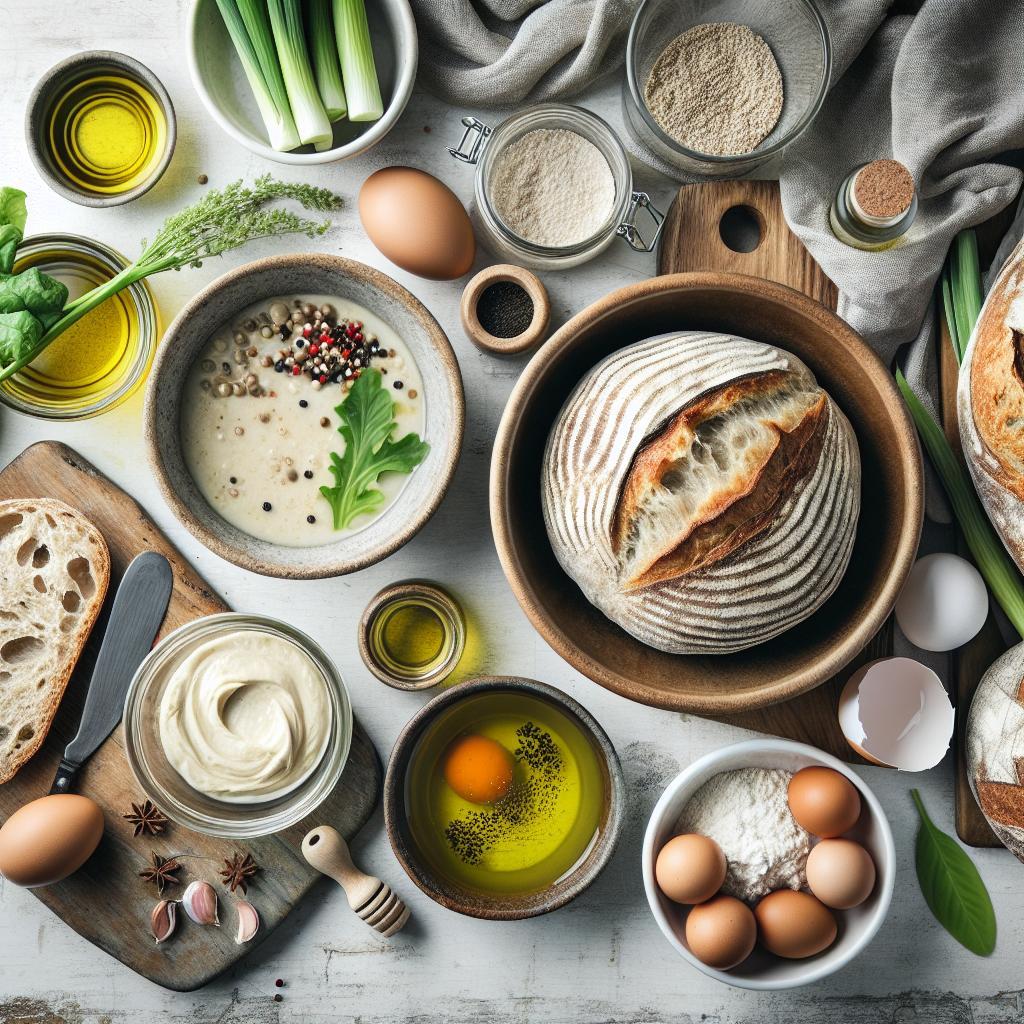
The art & science of sourdough: young vs mature starters explained - crusty sourdough loaf fresh from oven
Nutrient Per 100g
Calories 280 kcal
Protein 9g
Carbohydrates 55g
Fat 1g

Harnessing the art & science of sourdough: young vs mature starters explained empowers you to tailor every loaf to your taste and texture preferences. For deeper insights and recipes on fermentation, explore our comprehensive guide to Sourdough Fermentation Techniques. To learn more about the health benefits and science of sourdough microbes, consult this resource at Science Daily.

Q&A

Q&A: The Art & Science of Sourdough – Young vs Mature Starters Explained

Q1: What exactly is a sourdough starter?
A: Think of a sourdough starter as a living, bubbling orchestra of wild yeast and friendly bacteria. It’s a naturally fermented mixture of flour and water that captures wild yeast from the environment, creating the magic that makes sourdough bread rise and develop that signature tangy flavor.

- Advertisement -

Q2: How do young and mature starters differ?
A: A young starter is like an enthusiastic apprentice-newly awakened, still building its microbial community, and full of raw potential but inconsistent performance. A mature starter, on the other hand, is a seasoned maestro-stable, balanced, and confidently producing delicious, reliably leavened bread with a rich depth of flavor.

Q3: What happens in the early days of a starter’s life?
A: During its infancy-the first week or so-a starter undergoes a microbial wild party. Initially, natural yeasts and bacteria coexist in a chaotic dance, with the environment selecting the strongest players. The pH drops, acids develop, and eventually, the yeast and lactobacilli form a harmonious, symbiotic community that fuels consistent fermentation.

Q4: Can I bake with a young starter?
A: Absolutely, but with caveats! Young starters may produce uneven rise and unpredictable flavors-they’re still finding their groove. Experimentation is key: use them for lighter, quicker fermentations or pancakes until they mature. The best loaf often comes when the starter has aged at least 7-14 days and displays reliable bubbling and aroma.

Q5: Why does a mature starter produce better bread?
A: Over time, a mature starter develops a stable population of wild yeasts and lactic acid bacteria that work in concert. This balance creates a steady rise, a complex flavor profile (with subtle sour notes), and a robust gluten structure. The mature starter’s predictable activity means baking becomes both an art and a science you can trust.

Q6: How do I know if my starter is mature?
A: A mature starter doubles or even triples in size within 4 to 6 hours after feeding, is bubbly with a pleasing tangy aroma, and passes the “float test”-a spoonful floats easily in water, hinting at the abundant gas inside. If your starter has been regularly fed for at least two weeks and behaves consistently, congratulations-it’s mature!

Q7: How can I nurture my starter to maturity?
A: Feed it regularly with fresh flour and water, keep it at a cozy temperature (around 70-75°F or 21-24°C), and be patient. Avoid adding any antimicrobials (including chlorinated water). Stirring and discarding a portion before feedings keeps the culture vibrant and prevents it from becoming overwhelmed.

Q8: What flavor differences come from young vs mature starters?
A: Young starters often create milder, less complex breads-think gentle hints of sourness and fresh grain characteristics. Mature starters bring a layered flavor palette with tangy acidity, subtle fruitiness, and deep umami notes, painting your crust and crumb with a true artisanal soul.

Q9: Can I keep a starter indefinitely?
A: Yes! A sourdough starter can live for decades if properly cared for. Many bakers have “heirloom” starters passed down through generations, capturing local terroir and history in every loaf.

Q10: In short, what’s the takeaway?
A: The journey from young to mature starter mirrors that of any great artist: from fledgling enthusiasm to seasoned expertise. Understanding this evolution empowers bakers to harness sourdough’s living essence-turning flour, water, and time into masterpieces of taste and texture.


Embrace patience, feed your starter well, and watch as science and artistry rise together in your sourdough adventures!

To Wrap It Up

In the intricate dance of sourdough baking, understanding the subtle nuances between young and mature starters transforms a simple loaf into a living work of art. The science behind their activity, flavor development, and resilience unlocks endless possibilities for creative expression in your kitchen. Whether you’re nurturing a vibrant newborn starter or a time-honored mature culture, each stage offers unique gifts that shape the character of your bread. Embracing both the art and science of sourdough not only deepens your connection to this ancient craft but also elevates every bake into a testament of patience, passion, and natural magic. So, nurture your starter with care, and let the timeless story of fermentation unfold slice by slice.
The Art & Science of Sourdough: Young vs Mature Starters Explained

Indulge in Creamy Pesto Chicken Pasta: A Flavorful Feast
Mastering the Art: The Science Behind Perfectly Grilled Chicken
Unlocking Dough Secrets: The Gluten Windowpane Test Explained
Power-Packed Macro-Friendly Sheet Pan Breakfast Burritos: Easy & Nutritious!
The Science Behind Crafting the Perfect Creamy Aioli
TAGGED:andartsciencestarterthe
Share This Article
Facebook Pinterest Whatsapp Whatsapp LinkedIn Telegram Threads
What do you think?
Love0
Sad0
Happy0
Sleepy0
Angry0
Dead0
Wink0
Previous Article Crafting Creamy Magic: A Guide to Milk Kefir with Grains Crafting Creamy Magic: A Guide to Milk Kefir with Grains
Next Article Unlocking the Magic of a Food Mill: Your Kitchen’s Secret Tool Unlocking the Magic of a Food Mill: Your Kitchen’s Secret Tool
Hearty Turkey & Vegetable Soup: Nourish Your Body and Soul
Extra Picks
Flaming Flavor: Unlocking the Magic of a Culinary Torch
Molecular Gastronomy
Unlocking the Magic of a Food Mill: Your Kitchen’s Secret Tool
Gadget Testing
Crafting Creamy Magic: A Guide to Milk Kefir with Grains
DIY Ferments

Tags

and are art baked beef behind broccoli butter carrot cauliflower cheese chemistry chicken chickpea chili coconut cracking crafting creamy crisp crispy crunchy crust dough easy egg eggs exploring fat fish flavor flavorful food for garlic golden grill guide happens healthy hearty heat how keto lemon magic make master mastering meat microwave perfect perfectly pie power protein rice rich roasted Salad salmon salt savor savory science searing secret secrets sizzling slow Soup sourdough squash steak sugar sweet testing that the tips top turkey ultimate umami unlock unlocking unraveling unveiling vegetable velvety warm water what when whipping wholesome why with your zesty
February 2026
M T W T F S S
 1
2345678
9101112131415
16171819202122
232425262728  
« Jan    

You Might Also Like

Unlocking the Secrets of the Gentle Water Bath (Bain-Marie)
Baking & Roasting

Unlocking the Secrets of the Gentle Water Bath (Bain-Marie)

William J. Kroll
William J. Kroll
November 4, 2025
Unlocking Umami: Top Techniques to Boost Flavor Depth
Flavor & Aroma

Unlocking Umami: Top Techniques to Boost Flavor Depth

William J. Kroll
William J. Kroll
September 1, 2025
Unlocking Flavor: How Marinating Time Transforms Taste
Flavor Tests

Unlocking Flavor: How Marinating Time Transforms Taste

William J. Kroll
William J. Kroll
November 10, 2025
Savor the Flavor: Easy Chicken Fried Rice Loaded with Veggies
Extra Picks

Savor the Flavor: Easy Chicken Fried Rice Loaded with Veggies

William J. Kroll
William J. Kroll
December 31, 2025
The Magic of Fat: How It Preserves and Tenderizes Food
Fats & Emulsions

The Magic of Fat: How It Preserves and Tenderizes Food

William J. Kroll
William J. Kroll
November 10, 2025
Harvest Gold: Savor the Magic of Roasted Cauliflower Soup
Extra Picks

Harvest Gold: Savor the Magic of Roasted Cauliflower Soup

William J. Kroll
William J. Kroll
February 16, 2026
Follow US
By Fimaw.com © All Rights Reserved.
  • Advertising Policy
  • Contact Us
  • Cookie Policy
  • Copyright Notice
  • Disclaimer
  • Privacy Policy
  • Terms of Service
Welcome Back!

Sign in to your account

Username or Email Address
Password

Lost your password?