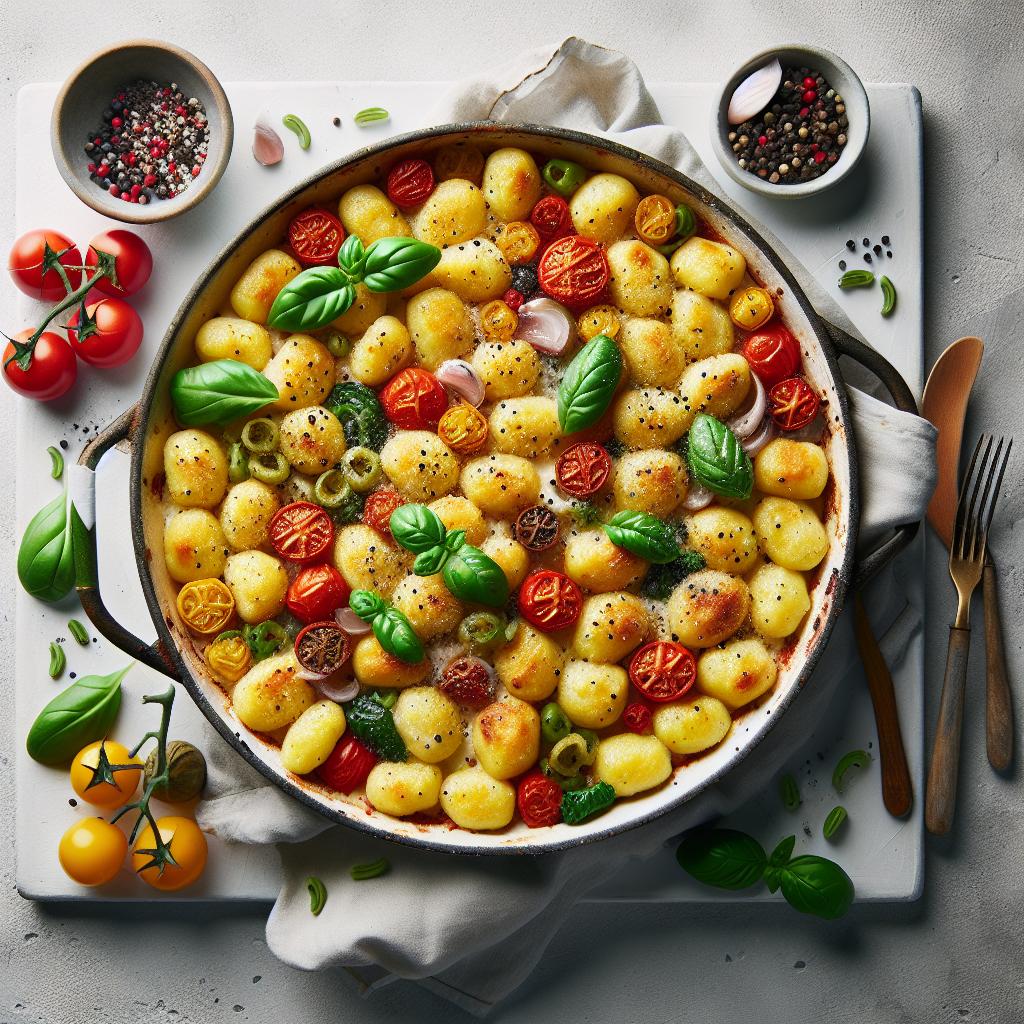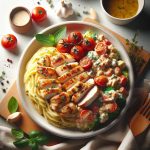

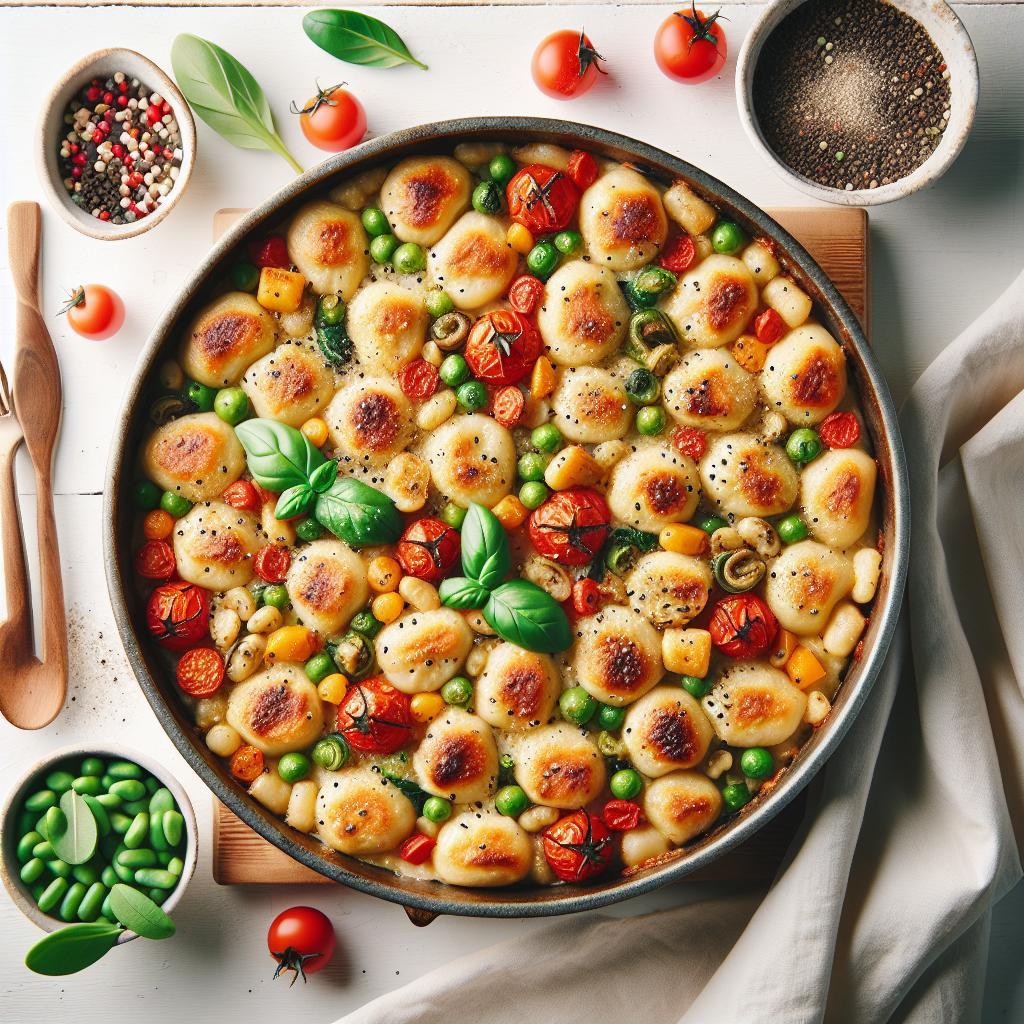

In the realm of comfort foods, few dishes evoke as much warmth and satisfaction as a perfectly baked gnocchi casserole. But behind this seemingly simple, golden-crusted delight lies a fascinating blend of culinary science and artistry. From the delicate balance of potato starch and flour in tender gnocchi, to the Maillard reaction that gives the casserole its irresistible browned top, every element plays a crucial role. This article delves into the science behind the perfect gnocchi casserole, uncovering how texture, temperature, and chemistry unite to transform humble ingredients into a symphony of flavor and melt-in-your-mouth bliss. Prepare to see your favorite dish through a new, deliciously scientific lens.
The Science Behind the Perfectly Baked Gnocchi Casserole
The science behind the perfectly baked gnocchi casserole lies in mastering the delicate balance of moisture, texture, and heat. This dish, rooted deeply in Italian tradition, transforms simple potato gnocchi into a golden, bubbling comfort food masterpiece. Whether you’re recreating a family recipe or exploring this dish for the first time, understanding the chemistry of gnocchi will elevate your baking game and ensure every bite is tender and flavorful.
Prep and Cook Time
- Preparation: 30 minutes
- Cooking: 35 minutes
- Total Time: 1 hour 5 minutes
Yield
- Servings: 6 generous portions
Difficulty Level
- Medium: Suitable for cooks familiar with pasta and baking techniques
Ingredients
- 1 lb (450g) potato gnocchi, store-bought or homemade
- 2 cups shredded mozzarella cheese, divided
- 1 cup grated Parmigiano-Reggiano
- 1 ½ cups marinara sauce, homemade or high quality
- 1 cup béchamel sauce (recipe below)
- 3 tbsp unsalted butter
- 1 tbsp olive oil
- 2 cloves garlic, minced
- Fresh basil leaves for garnish
- Salt and freshly ground black pepper, to taste
For the Béchamel Sauce:
- 2 tbsp unsalted butter
- 2 tbsp all-purpose flour
- 1 ½ cups whole milk, warmed
- Pinch of freshly grated nutmeg
- Salt and white pepper, to taste
Instructions
- Prepare the béchamel sauce: In a medium saucepan, melt butter over medium heat. Whisk in flour and cook for 1-2 minutes until bubbly but not browned. Slowly whisk in warm milk, stirring continuously to prevent lumps. Simmer gently until thickened, about 5 minutes. Season with nutmeg, salt, and white pepper. Set aside.
- Cook gnocchi: Bring a large pot of salted water to a boil. Add gnocchi and cook until they float to the surface, about 2-3 minutes. Use a slotted spoon to transfer them to a colander and drain well. This step balances moisture for tender results.
- Sauté garlic: In a large skillet, heat olive oil and butter over medium heat. Add minced garlic and sauté until fragrant and golden, about 1-2 minutes. Avoid burning for a smooth flavor base.
- Assemble the casserole: Preheat oven to 375°F (190°C). In a mixing bowl, combine cooked gnocchi, marinara sauce, half of the mozzarella, and béchamel sauce. Gently fold to coat all pieces evenly, ensuring balanced moisture-too wet will yield soggy casserole; too dry will impede melting and tenderness.
- Transfer mixture: Pour everything into a greased 9×13-inch baking dish. Sprinkle remaining mozzarella and the Parmigiano-Reggiano evenly atop for a golden crust.
- Bake: Place casserole in the preheated oven. Bake uncovered for 30-35 minutes, until bubbling and golden brown on top. Rotate the dish halfway through baking to ensure even heat distribution and prevent hot spots.
- Rest and garnish: Remove from oven and let rest for 5 minutes to set texture. Garnish with fresh basil before serving to add brightness and aromatic complexity.
Tips for Success
- Moisture control: Overly wet gnocchi can dissolve and flatten during baking. Thoroughly drain boiled gnocchi and avoid excess sauce. The béchamel adds creaminess without sogginess.
- Choosing gnocchi: Fresh or high-quality store-bought gnocchi with a tender yet firm structure work best; overly dense gnocchi may result in a chewy casserole.
- Cheese options: Mix mozzarella with fontina or provolone for added meltiness and flavor complexity.
- Make-ahead: Assemble but do not bake; cover tightly and refrigerate up to 24 hours before baking to enhance flavors.
- Crust boost: For a crispier topping, broil the casserole for the final 2-3 minutes-watch carefully to prevent burning.
Serving Suggestions
Serve your perfectly baked gnocchi casserole as a hearty main course alongside a crisp green salad dressed in lemon vinaigrette. To complement its rich, creamy layers, offer a glass of light-bodied red wine such as Chianti. Garnish each portion with a sprig of basil and a dusting of grated Parmigiano-Reggiano for color and added flavor. For a seasonal twist, roasted vegetables or sautéed mushrooms make excellent side accompaniments.
| Nutritional Info (per serving) | Calories | Protein | Carbs | Fat |
|---|---|---|---|---|
| Gnocchi | 250 | 5g | 50g | 2g |
| Cheese Blend | 180 | 12g | 2g | 14g |
| Béchamel Sauce | 90 | 3g | 10g | 4g |
| Marinara Sauce | 70 | 2g | 14g | 1g |
| Total | 590 kcal | 22g | 76g | 21g |
Discover how to make your own potato gnocchi to elevate this casserole even further.
For more scientific insight into starch gelatinization and heat transfer in baking, visit the ScienceDaily article on baking chemistry.

Q&A
Q&A: The Science Behind the Perfectly Baked Gnocchi Casserole
Q1: What makes gnocchi such a unique ingredient in casseroles?
A1: Gnocchi is a delightful hybrid between pasta and potato, boasting a pillowy texture that absorbs flavors like a sponge. Its starch composition plays a pivotal role during baking-when exposed to heat, the starch gelatinizes, which helps the gnocchi retain moisture and create that irresistible tender bite inside a casserole.
Q2: Why is the balance of moisture important in a gnocchi casserole?
A2: Moisture is the secret conductor of culinary magic here. If the casserole is too wet, the gnocchi can become soggy and fall apart; too dry, and they’ll turn tough and unappetizing. The perfect gnocchi casserole strikes a harmony-enough sauce to keep each pillow soft and flavorful, yet dry enough to allow a golden, crispy crust to form on top.
Q3: How does baking temperature affect the outcome?
A3: Temperature is a fine-tuned dial in gnocchi perfection. Baking at moderate heat (around 350°F/175°C) encourages gentle starch gelatinization and melting of cheeses, while fostering Maillard reactions on the surface-the chemical spectacle that gives the casserole its beautiful browned crust and rich, savory aroma.
Q4: What role does cheese play in the science of a baked gnocchi casserole?
A4: Cheese is both a flavor powerhouse and a texture architect. Proteins in cheese coagulate under heat, helping bind the dish together, while fats melt to create luscious, creamy pockets. Certain cheeses-like mozzarella-bring stretchiness, while Parmesan adds a nutty, caramelized crunch when baked, enhancing the textural contrast.
Q5: Can the type of gnocchi affect the baking science?
A5: Absolutely! Potato-based gnocchi have a higher starch content, which gelatinizes beautifully under heat, ideal for absorbing sauces. Ricotta or semolina gnocchi behave differently, often more delicate and less absorbent, thus requiring careful handling and slightly adjusted baking times to avoid drying out or falling apart.
Q6: How does layering impact the final texture of a gnocchi casserole?
A6: Layering is a strategy not to be underestimated. Alternating gnocchi with sauce, cheese, and extras like vegetables or meats ensures even heat distribution and flavor infusion. This layering creates pockets of creamy softness interspersed with golden, crispy edges, giving every bite a delightful textural symphony.
Q7: Is there a science-backed tip for achieving a crusty topping?
A7: Yes! To coax out that coveted crust, sprinkle the top with breadcrumbs mixed with sharp cheese and a touch of oil or butter. These ingredients dehydrate and brown rapidly during baking, yielding a crunchy, flavorful shell that contrasts gloriously with the tender gnocchi beneath.
With this scientific insight, your gnocchi casserole will no longer be just comfort food-it becomes a masterpiece of chemistry and culinary art, baked to perfection.
Wrapping Up
As the aroma of golden, bubbling gnocchi casserole fills your kitchen, it’s clear that this dish is a symphony of science and soul. Behind every tender pillow and crispy edge lies a delicate dance of starch, heat, and timing-an alchemy that transforms simple ingredients into culinary comfort. Understanding the science behind the bake not only elevates your cooking but also deepens your appreciation for this humble Italian favorite. So next time you slide that casserole into the oven, remember: you’re not just baking a meal-you’re orchestrating a delicious masterpiece, one molecule at a time.