
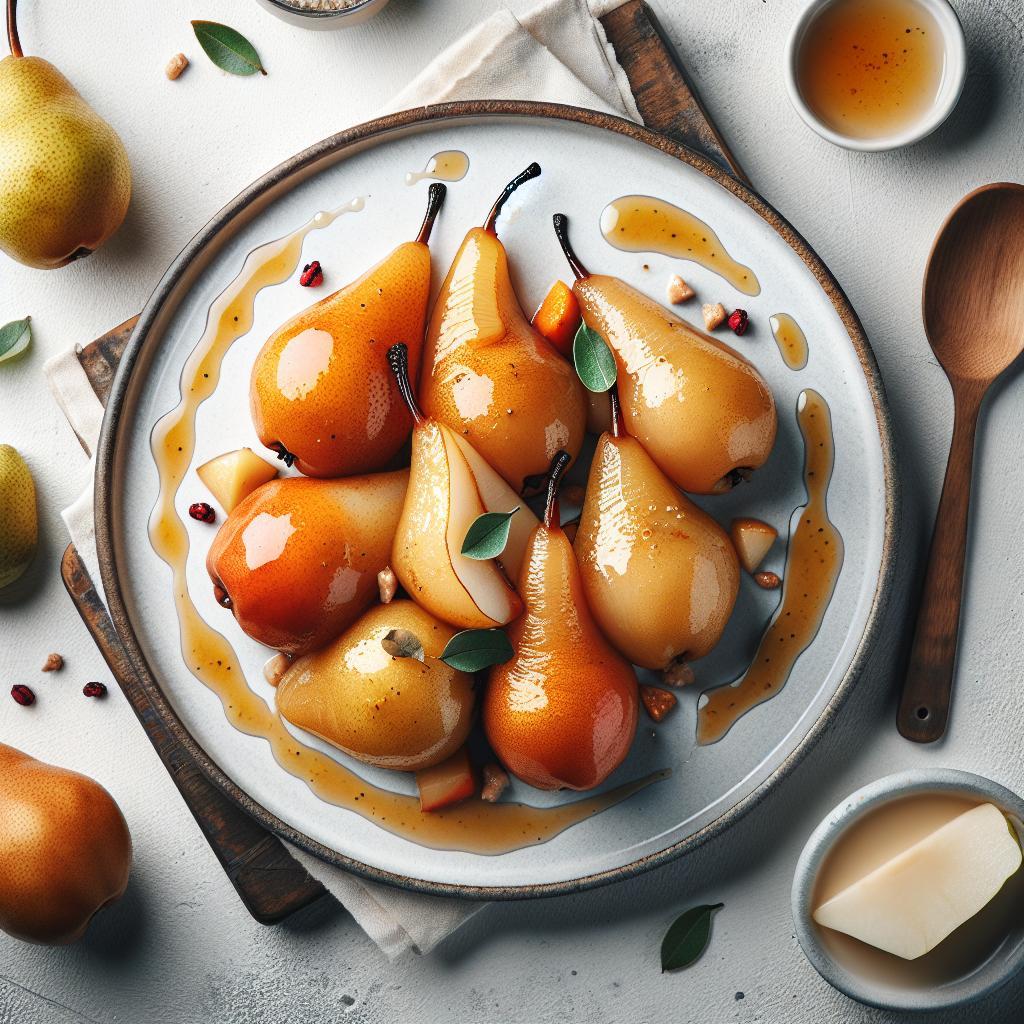

There’s an almost magical transformation that occurs when pears meet the gentle embrace of slow cooking. Beyond the simple act of softening fruit lies a delicate dance of chemistry and art-a symphony of sugars caramelizing, fibers melting, and subtle flavors awakening. Welcome to the world where science sweetens every bite, and the humble pear is elevated to culinary perfection. In this article, we delve into the sweet science behind perfect slow-cooked pears, uncovering the secrets that turn this rustic technique into a sophisticated sensory experience. Whether you’re a curious home cook or a seasoned food lover, prepare to discover how time, temperature, and a sprinkle of science combine to create pears that are tender, fragrant, and irresistibly delectable.
The Chemistry of Caramelization and Fruit Softening: Selecting the Ideal Pear Varieties for Slow Cooking
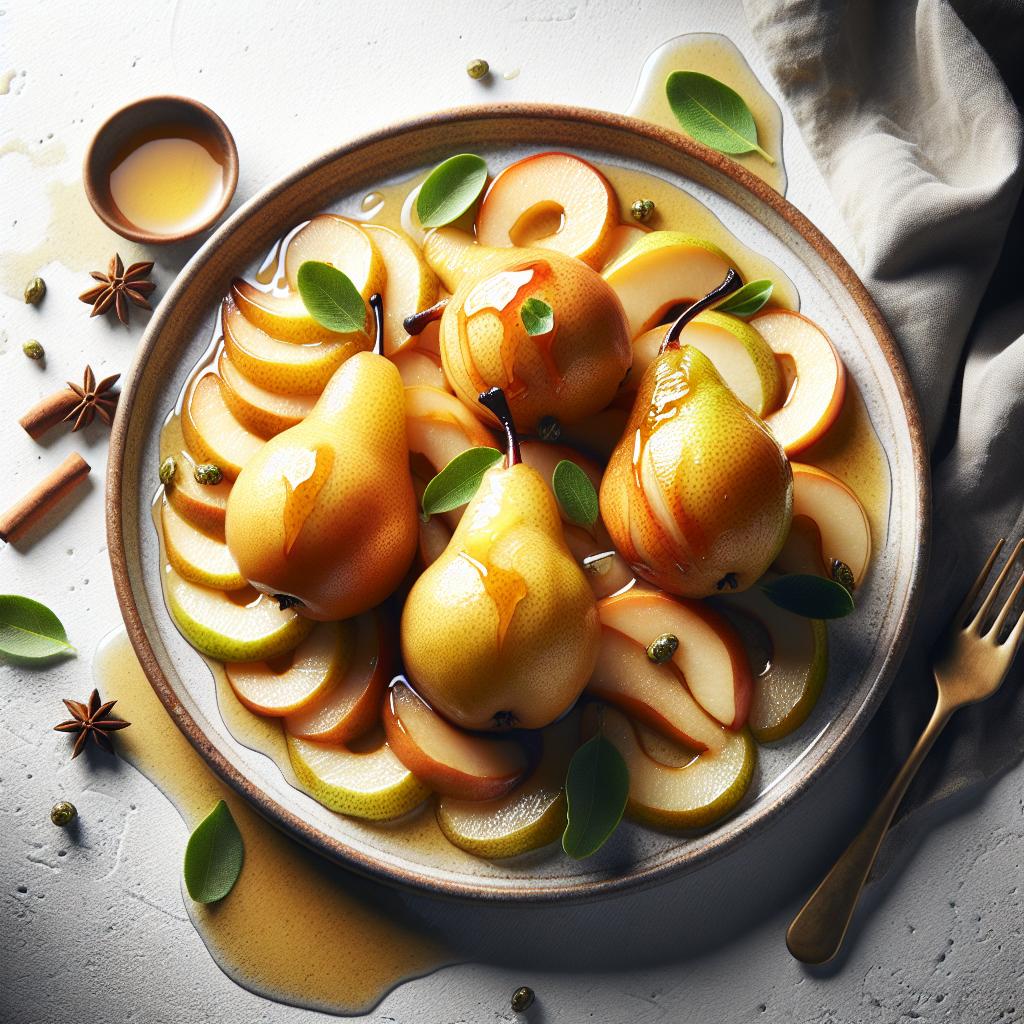
Perfect slow-cooked pears begin with understanding the chemistry of caramelization and fruit softening. As the pears gently simmer, natural sugars break down and intensify through caramelization, creating that tempting golden hue and rich, toffee-like essence. Meanwhile, pectins within the pear’s cell walls slowly dissolve, transforming crisp, firm fruit into buttery softness.
For this delicate alchemy to work beautifully, choosing the right pear variety is essential. Varieties like Bartlett, Bosc, and Anjou excel in slow cooking due to their balanced sugar content and firm texture that holds shape without disintegrating. Bartlett pears offer a tender bite and bright sweetness, while Bosc pears boast a denser flesh perfect for maintaining structure. Anjou pears, mildly sweet and supple, lend a creamy finish. Selecting top-notch, ripe but firm pears unlocks the full potential of your slow-cooked masterpiece.
Mastering Temperature and Timing for Optimal Texture
Slow cooking pears is as much an art as a science. Maintaining a consistent low temperature (around 180°F to 200°F or 82°C to 93°C) ensures the slow caramelization process unfolds without burning or drying out the fruit. Patience is key-rushing the cook time will leave pears either underdone or mushy. An ideal cooking window of 45 minutes to 1.5 hours allows the sugars to deepen and the texture to soften while preserving the pear’s elegant shape.
Remember to use a heavy-bottomed pan to distribute heat evenly and avoid hot spots. When poaching in a spiced syrup, keep the liquid just below a simmer; gentle bubbles help infuse flavors without violent agitation that breaks down the pears too quickly. In this sweet science, gentle control equals perfection.
Enhancing Flavors with Spices and Complementary Ingredients
To elevate slow-cooked pears into a sensory delight, thoughtful flavor pairings make all the difference. Warm spices like cinnamon sticks, star anise, vanilla bean, and cloves complement the caramel notes with fragrant depth. A touch of fresh ginger or a twist of citrus peel cuts through the richness, balancing sweetness with brightness.
For an extra layer of complexity, infuse your poaching liquid with a splash of honey, maple syrup, or a fortified wine such as Marsala or Madeira. Gentle acidity from a splash of lemon juice highlights the fruit’s natural brightness and prevents discoloration. The result is a harmonious blend of textures and tastes that celebrate the art and science of slow-cooked pears.
Prep and Cook Time
- Preparation: 15 minutes
- Cooking: 1 hour 15 minutes
- Total Time: 1 hour 30 minutes
Yield
Serves 4 elegantly.
Difficulty Level
Medium – Requires gentle heat control and timing precision.
Ingredients
- 4 firm ripe pears (Bartlett or Bosc preferred), peeled, halved, and cored
- 3/4 cup granulated sugar
- 2 cups water
- 1 cinnamon stick
- 2 whole star anise
- 1 vanilla bean, split lengthwise
- 1 tbsp fresh ginger, thinly sliced
- 1 strip lemon zest (avoid white pith)
- 2 tbsp honey
- 1 tbsp fresh lemon juice
- Pinch of sea salt
Instructions
- Prepare the poaching liquid: In a heavy saucepan, combine water, sugar, cinnamon stick, star anise, vanilla bean, ginger, lemon zest, honey, and sea salt. Heat over medium until sugar dissolves, then reduce to low.
- Peel and core pears: Carefully peel each pear, halve them, and remove the core using a melon baller or small spoon to preserve the shape and texture.
- Poach gently: Place pear halves into the simmering spiced syrup. The liquid should barely bubble – reduce heat if necessary. Cover partially with a lid to allow some evaporation and concentration of flavors.
- Simmer slowly: Cook the pears for 1 to 1.25 hours, turning occasionally to ensure even cooking and color absorption. Test tenderness with a knife-pears should yield easily but remain intact.
- Finish and rest: Remove pears, and continue simmering the liquid until syrupy (reduce by about half). Add lemon juice to the syrup to brighten it. Return pears to warm syrup for 10 minutes before serving.
- Serve: Plate pears, drizzle with warm syrup, and garnish with a sprinkle of freshly ground cinnamon, toasted nuts, or a dollop of whipped cream.
Tips for Success
- Choose pears wisely: Avoid overripe fruit as it will dissolve while cooking. Firm, ripe pears with some resistance deliver the best mouthfeel.
- Control heat carefully: Use a thermometer or keep flame low to avoid caramelizing the syrup too quickly or scorching the spices.
- Make ahead: Slow-cooked pears improve overnight as flavors meld-reheat gently before serving.
- Spice swaps: Experiment with cardamom pods, star anise, or a few black peppercorns for unique twists.
- Presentation: For an elegant touch, halve pears vertically to showcase the shape and color contrast of skin to flesh.
Serving Suggestions
Present these luscious slow-cooked pears warm or chilled alongside a scoop of vanilla bean ice cream or a crumble of toasted almonds. A drizzle of crème fraîche or mascarpone adds silken richness, while a scattering of pomegranate seeds or edible flowers offers vibrant color and textural contrast. For a refined dessert, pair with a glass of late-harvest Riesling to echo the fruity sweetness.

| Nutrient | Amount per Serving |
|---|---|
| Calories | 180 kcal |
| Protein | 0.5 g |
| Carbohydrates | 46 g |
| Fat | 0.2 g |
For more inspiration on poaching fruits and mastering food chemistry, visit Serious Eats. Additionally, explore our guide on understanding fruit texture for expert tips on cooking with confidence.
Q&A
Q&A: The Sweet Science Behind Perfect Slow-Cooked Pears
Q1: Why choose slow cooking over other methods for pears?
A: Slow cooking pears gently coaxes out their natural sugars while maintaining a tender, velvety texture. Unlike high-heat methods that can mush or caramelize too quickly, slow cooking allows flavors to deepen gradually, creating a sweeter, more complex fruit experience.
Q2: What’s happening to the pear’s structure during slow cooking?
A: As the pears simmer low and slow, their cell walls soften without disintegrating completely. Pectin-the natural fiber responsible for firmness-breaks down just enough to yield a delicate yet resilient flesh that melts in your mouth while holding shape beautifully.
Q3: How does temperature influence the sweetness and texture?
A: Keeping the cooking temperature low (around 180°F to 200°F or 82°C to 93°C) prevents the pear’s sugars from burning while enabling enzymes to convert starches into simpler, sweeter sugars. This slow enzymatic action is key to achieving an intensified, rounded sweetness paired with a supple texture.
Q4: Can the cooking liquid enhance the pear’s flavor?
A: Absolutely! Slow cooking pears in flavorful liquids-think spiced wine, fragrant teas, or citrus-infused syrups-allows the fruit to absorb and harmonize these complementary notes. The gentle heat acts like a flavor whisperer, coaxing subtle yet wonderful nuances into the pears.
Q5: What variety of pear is best for slow cooking?
A: Firm, slightly underripe pears like Bosc and Anjou hold up best under slow cooking’s tenderizing embrace. Their denser flesh withstands the hours-long process without falling apart, while their balanced sweetness develops more complexity.
Q6: How long should pears be slow-cooked for optimal results?
A: Slow cooking times often range from 30 minutes to 2 hours, depending on the size and ripeness of the pears and the exact temperature. The goal is a pear that’s soft but intact, yielding easily to a fork but not collapsing into mush.
Q7: What’s the science behind the pear’s color change during slow cooking?
A: Slow cooking triggers gentle oxidation and Maillard reactions-chemical dances between amino acids and sugars-that deepen the pear’s color to warm golden or amber hues. It’s a visual cue signaling the sweetness and flavor complexity that’s developing inside.
Q8: Can slow-cooked pears be used beyond dessert?
A: Definitely! Their tender, sweet character shines in savory dishes, too. Try pairing them with strong cheeses, roasted meats, or drizzled with tangy balsamic reductions. The slow-cooked pear’s natural sweetness and texture create a delightful counterpoint in both sweet and savory contexts.
Understanding the sweet science hidden in slow-cooked pears transforms simple fruit into a sensory masterpiece. Embrace the patience, the gentle heat, and the magic of chemistry to unlock perfect pears every time.
The Conclusion
As the tender flesh of slow-cooked pears melts effortlessly on the tongue, it’s clear that this humble fruit holds a world of subtle science beneath its glossy skin. From the delicate dance of enzymes softening fibers to the alchemy of caramelizing natural sugars, each step in the slow-cooking process transforms pears into a dessert that’s as much about chemistry as it is about comfort. So next time you savor that luscious bite, remember: behind the sweetness lies a carefully choreographed symphony of science, patiently unfolding with every lingering minute of the slow heat. In the world of culinary magic, perfect slow-cooked pears stand as a testament to the beauty of time, temperature, and a touch of nature’s sweetest design.