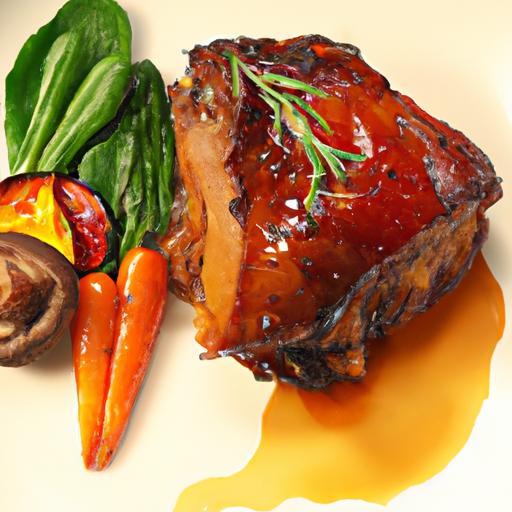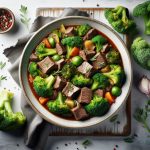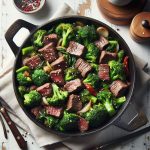

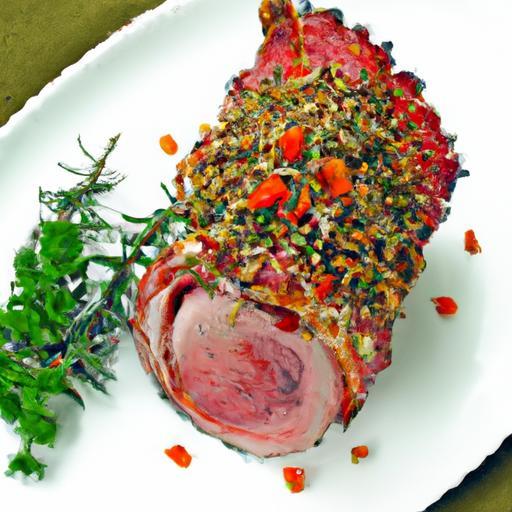

There’s nothing more satisfying than slicing into a perfectly cooked steak or pulling a juicy roast from the oven at just the right moment. But how do you ensure that your meat thermometer – your trusted kitchen sidekick – is giving you the most accurate reading? In the world of culinary precision, even a few degrees can make the difference between a meal that’s safe and succulent or undercooked and risky. Welcome to The Ultimate Guide: Testing Your Meat Thermometer’s Accuracy, where we’ll dive into simple, effective methods to verify your thermometer’s reliability. Whether you’re a seasoned grill master or a home cook eager to elevate your game, understanding how to test and trust your thermometer is the secret ingredient to consistently mouthwatering results. Let’s get started and turn up the heat on kitchen confidence!
Choosing the Right Meat Thermometer for Reliable Readings
Testing your meat thermometer’s accuracy begins with selecting the perfect device tailored to your cooking style and needs. Whether you’re a backyard grill master, a home chef, or aiming for precision in professional kitchens, understanding the key features of meat thermometers is essential.
- Instant-read thermometers: Provide fast and precise temperature readings within seconds. Ideal for quick checks, especially during grilling or roasting.
- Probe thermometers: Inserted into the meat and left to monitor internal temperatures while cooking. Great for slow roasting or smoking meats.
- Digital vs. analog: Digital models offer ease of use, backlit displays, and alerts, whereas analog thermometers are traditional and require manual reading.
- Accuracy range: Look for thermometers with a +/- 1°F accuracy for reliable measurements, critical for food safety.
- Waterproof and durability: Essential for longevity, especially if you often cook outdoors or in humid environments.
Step by Step Methods to Calibrate Your Meat Thermometer at Home
Maintaining accuracy is vital for delicious, perfectly cooked dishes. Here’s how you can easily calibrate your thermometer to trust every reading:
- Ice water method: Fill a glass with crushed ice and add cold water, stirring well to create an ice water bath.
- Insert the thermometer’s probe into the ice water, making sure it doesn’t touch the sides or bottom of the glass.
- Wait 30 seconds and check the reading. A precise thermometer should read 32°F (0°C). If not, note the deviation.
- Use the manufacturer’s instructions to adjust the calibration screw or reset the digital device accordingly.
- Boiling water method: Boil fresh water in a pot and insert the probe without touching the pot’s sides or bottom.
- The ideal reading at sea level is 212°F (100°C). Note variations due to altitude and adjust if your device allows.
Regular calibration ensures your thermometer provides accurate temperatures, guaranteeing food safety and optimal taste every time.
Common Accuracy Issues and How to Troubleshoot Them
Even the best meat thermometer can face hiccups. Here are typical accuracy problems and how to solve them:
- Slow response time: Clean the probe thoroughly-residual grease or food particles can insulate and delay readings.
- Inconsistent temperature readings: Check battery life in digital thermometers and replace old batteries promptly.
- Cracked or damaged probe: Replace the thermometer if the probe is bent or cracked to avoid unsafe readings.
- Calibration drift: Recalibrate regularly using ice and boiling water methods to maintain precision.
- Environmental interference: Avoid testing temperatures near direct heat sources or metal surfaces to prevent skewed readings.
Pro Tips for Maintaining and Storing Your Meat Thermometer for Longevity
Proper care extends your thermometer’s life and ensures consistent accuracy:
- Clean after every use: Wash the probe with warm, soapy water and dry it thoroughly to prevent rust or corrosion.
- Store in a protective case: Use the original packaging or a dedicated case to protect the probe from bending or damage.
- Avoid extreme temperatures when not in use: Store your device at room temperature, away from direct sunlight or freezing conditions.
- Remove batteries for long-term storage: This prevents corrosion and battery leakage, protecting your investment.
- Regular calibration: Depending on frequency of use, recalibrate every few months or after any heavy drops or collisions.
By mastering how to choose, calibrate, troubleshoot, and maintain your meat thermometer, you elevate not just your cooking-but your confidence in food safety and flavor every time you light the stove or grill.

For a deeper dive on cooking temperatures and safety guidelines, visit the FoodSafety.gov cooking temperature guide. Also, explore our detailed tutorial on how to use an instant-read meat thermometer for enhanced cooking precision.
Q&A
Q&A: The Ultimate Guide to Testing Your Meat Thermometer’s Accuracy
Q1: Why should I even bother testing my meat thermometer’s accuracy?
A: Great question! Using a meat thermometer is the key to perfectly cooked meals and food safety. An inaccurate thermometer can lead to undercooked or overcooked meat, risking foodborne illness or sacrificing flavor and texture. Testing your thermometer ensures it’s giving you the reliable readings you need for culinary confidence.
Q2: How often should I check my meat thermometer’s accuracy?
A: Ideally, test your thermometer before each major cooking session or at least once a month if you use it regularly. Over time, wear and tear, temperature shocks, or mishandling can skew its precision. Regular checks keep you on the safe side.
Q3: What’s the simplest method to test a meat thermometer’s accuracy?
A: The classic ice water method is your go-to. Fill a glass with crushed ice and cold water, then immerse the thermometer probe without touching the sides. After a few minutes, the reading should hit 32°F (0°C) – the freezing point of water. If it’s off by more than 2°F (1°C), your thermometer needs calibration or replacement.
Q4: Can I test my thermometer with boiling water?
A: Absolutely! Boiling water should read 212°F (100°C) at sea level. Just be careful to avoid steam burns and don’t let the probe touch the pot’s sides or bottom. Keep in mind, altitude affects boiling points: water boils at lower temperatures the higher you go, so adjust your expectations accordingly.
Q5: What if my thermometer doesn’t have a calibration option?
A: Some analog and digital models allow you to twist the dial or press a reset button to recalibrate after testing. If yours doesn’t, and it’s consistently off, it might be time to invest in a new thermometer. Accuracy is not a feature to skimp on!
Q6: Are there any tricks to maintaining my meat thermometer’s accuracy?
A: Yes! Always clean it gently after use and avoid dropping it or exposing it to extreme temperature shifts. Store it safely in a padded case and never submerge the entire thermometer in water unless it’s fully waterproof. Regular care prolongs precision.
Q7: Can testing my thermometer improve my cooking results?
A: You bet! Knowing your thermometer’s true accuracy means you can trust the internal temperature readings-no more guesswork. Say goodbye to dry turkey or dangerously undercooked steak and hello to juicy, perfectly cooked meat every time.
Q8: Are digital or analog thermometers easier to test?
A: Both can be tested using the ice water and boiling water methods, but digital thermometers often allow for easier calibration and quicker readings. Analog thermometers sometimes require a tricky dial adjustment. Pick what feels comfortable, but remember: accuracy wins the day.
Q9: What types of meat benefit the most from thermometer accuracy tests?
A: All meats benefit, from poultry (which has strict safety temps) to pork, beef, and even fish. Especially with larger cuts or whole birds, accuracy ensures thorough cooking without overdoing it. It’s your best weapon for food safety and flavor balance.
Q10: Can I test other kitchen thermometers with these methods?
A: Yes! Candy thermometers, oven probes, and even smoker thermometer accuracy can be checked with the same simple tests. Just remember to consider their intended temperature ranges before interpreting results.
Testing your meat thermometer is a small step that cooks out anxiety and serves up confidence. Try these methods today and get ready for deliciously safe results every time!
Final Thoughts
In the world of cooking, precision is the difference between a meal that dazzles and one that disappoints. Testing your meat thermometer’s accuracy isn’t just a kitchen chore-it’s your secret weapon for culinary confidence. By taking a few simple steps to ensure your trusty tool reads true, you unlock the full potential of every roast, steak, and poultry dish. So next time you fire up the grill or preheat the oven, remember: a perfectly tested thermometer is the key to mastering meat’s magic. Happy cooking, and may your temperatures always be spot on!