

Imagine a secret ingredient lurking behind some of the juiciest steaks, the crispiest chicken nuggets, and even your favorite slices of deli meat-an unsung hero that binds, shapes, and transforms proteins with the precision of a master craftsman. Welcome to the fascinating world of transglutaminase, commonly known as “meat glue.” This remarkable enzyme is rewriting the rules of culinary science, allowing chefs and food producers to mold disparate pieces of meat into cohesive, tender masterpieces. But beyond its mysterious nickname lies a sophisticated biological tool with roots in nature and powerful applications in modern gastronomy. In this article, we delve deep into the science behind transglutaminase, uncovering how it works, why it’s used, and what it means for the future of food. Prepare to have your perception of meat-and cooking-glued together in a whole new way.
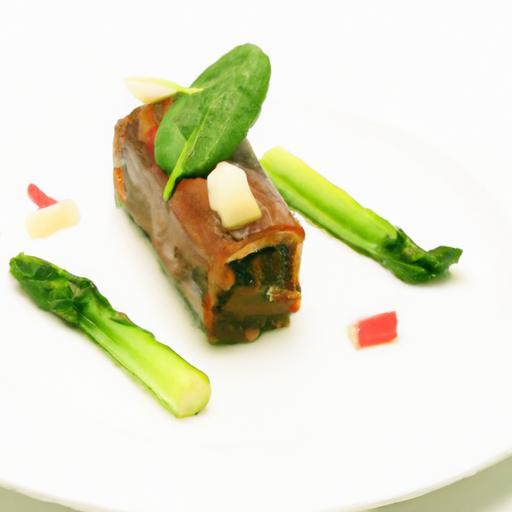
Transglutaminase Unveiled: The Science Behind Meat Glue offers an exciting gateway to reimagine texture and presentation in your culinary creations. From shaping succulent protein medleys to crafting seamless meat mosaics, this enzyme unlocks unmatched culinary creativity. This recipe demonstrates how to harness transglutaminase to create a beautifully bonded terrine that will elevate your food artistry and impress guests with both taste and technique.
Prep and Cook Time
Prep: 25 minutes | Chill: 4 hours | Cook: 45 minutes
Yield
6 servings
Difficulty Level
Medium
Ingredients
- 500g boneless chicken thighs, skin removed, trimmed and cut into 1-inch cubes
- 300g pork shoulder, cubed similarly
- 2 teaspoons transglutaminase powder (meat glue)
- 1 teaspoon kosher salt
- 1/2 teaspoon freshly ground black pepper
- 1 tablespoon finely chopped fresh thyme
- 1/4 cup heavy cream
- 1 egg white
- Plastic wrap for shaping
- Nonstick cooking spray
Instructions
- Prepare the proteins: In a large chilled bowl, gently mix the chicken and pork cubes. The cold temperature keeps the meat firm, aiding in clean shaping.
- Season: Sprinkle the salt, pepper, and thyme evenly over the meat while folding gently to combine without mashing. This balance delivers flavor without sacrificing texture.
- Activate the meat glue: Sprinkle transglutaminase powder over the meat mixture. Use your hands to fold carefully and distribute the enzyme for an even bond.
- Bind the mixture: Add the egg white and heavy cream. These act as natural binders, enhancing cohesion along with transglutaminase.
- Shape and wrap: Line a terrine mold or small loaf pan with plastic wrap, leaving excess overhang. Pack the meat mixture firmly, smoothing the surface to prevent air pockets.
- Chill: Cover with plastic wrap and refrigerate for at least 4 hours, ideally overnight. During this time, transglutaminase cross-links the proteins, ensuring a firm, sliceable texture.
- Cook the terrine: Preheat oven to 160°C (320°F). Remove terrine from the mold and plastic wrap carefully. Place it on a baking tray lightly coated with nonstick spray.
- Bake: Cook for 40-45 minutes until internal temperature reaches 75°C (165°F). The terrine should feel firm to the touch with a nicely caramelized crust.
- Rest and slice: Let the terrine cool slightly before slicing into even portions. Serve at room temperature or lightly warmed.
Chef’s Notes
- Substitutions: Try combining chicken with turkey or veal for different color contrasts and flavors. Always keep the meat cold for easier handling.
- Transglutaminase Tips: Avoid using too much enzyme-it can result in overly firm or rubbery texture. Start with 2 teaspoons and adjust based on protein quantity.
- Make-Ahead: This terrine can be made a day ahead and kept wrapped in the fridge; thin slices freeze well for up to two weeks.
- Texture Variations: For a chunkier bite, increase meat cube size; finely minced meats will create a smooth pate-like end.
Serving Suggestions
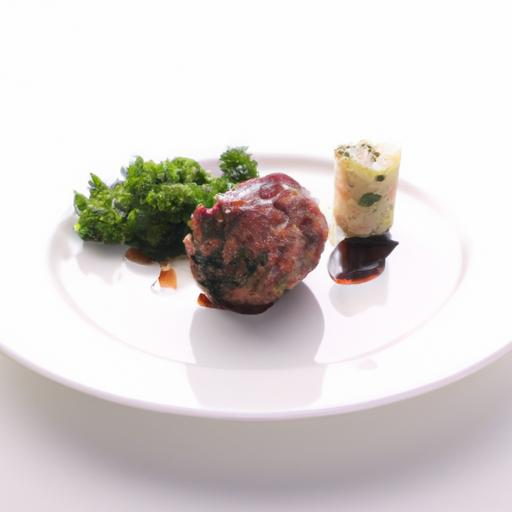
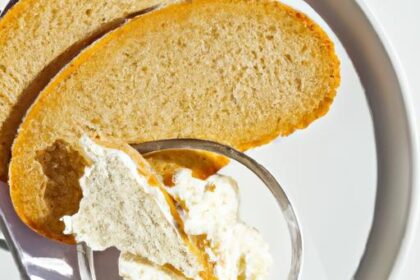
Present your bound protein terrine sliced into elegant medallions atop a smear of tangy mustard aioli. Garnish with microgreens, edible flowers, or thinly sliced radishes for freshness and color contrast. Pair with crusty artisan bread and a chilled glass of dry white wine for a refined appetizer that captures the magic of transglutaminase in every bite.

| Nutrient | Per Serving |
|---|---|
| Calories | 280 kcal |
| Protein | 34 g |
| Carbohydrates | 1 g |
| Fat | 15 g |
For an in-depth scientific breakdown and additional culinary uses, explore this NCBI article on transglutaminase in food technology. Curious about creative recipes to pair with this terrine? Check out our comprehensive guide to molecular gastronomy techniques.
Q&A
Q&A: Transglutaminase Unveiled – The Science Behind Meat Glue
Q1: What exactly is transglutaminase?
A1: Transglutaminase is an enzyme often dubbed “meat glue” because it acts like a biological superglue, bonding proteins together. Originally discovered in nature, this microscopic marvel catalyzes the creation of strong, stable bonds between amino acids in proteins, effectively binding separate pieces of meat as if they were one seamless piece.
Q2: How does transglutaminase work its magic?
A2: Transglutaminase works by linking glutamine and lysine residues in protein molecules, forming a robust covalent bond. Imagine it as molecular Velcro that stitches tiny threads together. When sprinkled on meat, it forms a network that holds the pieces tightly, transforming fragmented cuts into uniform, novel textures.
Q3: Why do chefs and food producers use transglutaminase?
A3: Chefs adore it for its ability to revolutionize presentation and creativity. Transglutaminase allows them to create unique cuts-like sculpted terrines, multi-textured meats, or rolled roasts-often impossible or wasteful otherwise. Food producers benefit too by reducing meat trimmings waste and creating consistent, high-quality products at scale.
Q4: Is transglutaminase safe to eat?
A4: Yes! Transglutaminase has been rigorously tested and approved by food safety authorities worldwide, including the FDA and EFSA. It’s naturally occurring in many foods and our own bodies, and in culinary doses, it poses no health risk. However, as with all ingredients, it should be used in appropriate amounts.
Q5: Can transglutaminase be used on other foods besides meat?
A5: Absolutely! While famous for meat, transglutaminase also bonds fish, poultry, dairy, and even plant proteins. It enhances texture and structural integrity in products like fish fillets, cheese, and meat analogs. Its versatility makes it a beloved tool in both traditional and innovative kitchens.
Q6: Does using transglutaminase affect the flavor of the meat?
A6: Transglutaminase is flavor-neutral. It doesn’t add or alter taste, but by improving texture and presentation, it can elevate the overall eating experience. Seasonings and marinades still shine through, while the meat’s structure becomes more appealing and consistent.
Q7: How should transglutaminase be applied in cooking?
A7: Typically, transglutaminase is lightly sprinkled onto the surface of meat pieces, which are then pressed together and refrigerated to set. Timing matters: the bonding strengthens over a few hours, and low temperatures speed this process while ensuring food safety. It’s a simple step with surprisingly powerful culinary results.
Q8: What’s the future of transglutaminase in food science?
A8: The horizon is rich with possibilities. Beyond gourmet kitchens, transglutaminase might expand sustainable meat production, improve plant-based protein textures, and aid in novel food design. As food innovation accelerates, this enzyme remains at the crossroads of science and gastronomy-gluing today’s ideas into tomorrow’s cuisine.
By unlocking the secret powers of transglutaminase, we witness the fascinating intersection of biology and culinary art-a sticky story worth savoring!
Insights and Conclusions
As we peel back the layers of transglutaminase, the humble “meat glue,” we uncover a fascinating intersection of biology, chemistry, and culinary innovation. This remarkable enzyme, quietly working behind the scenes, transforms fragments into seamless wholes, redefining textures and enabling chefs to push the boundaries of taste and presentation. Whether viewed as a scientific marvel or a controversial ingredient, transglutaminase invites us to appreciate the intricate science that turns simple proteins into culinary art. In the end, understanding this molecular magic enriches not just our meals but our appreciation for the extraordinary craft hidden within everyday food.