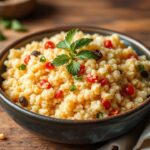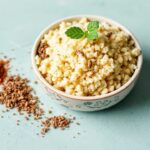

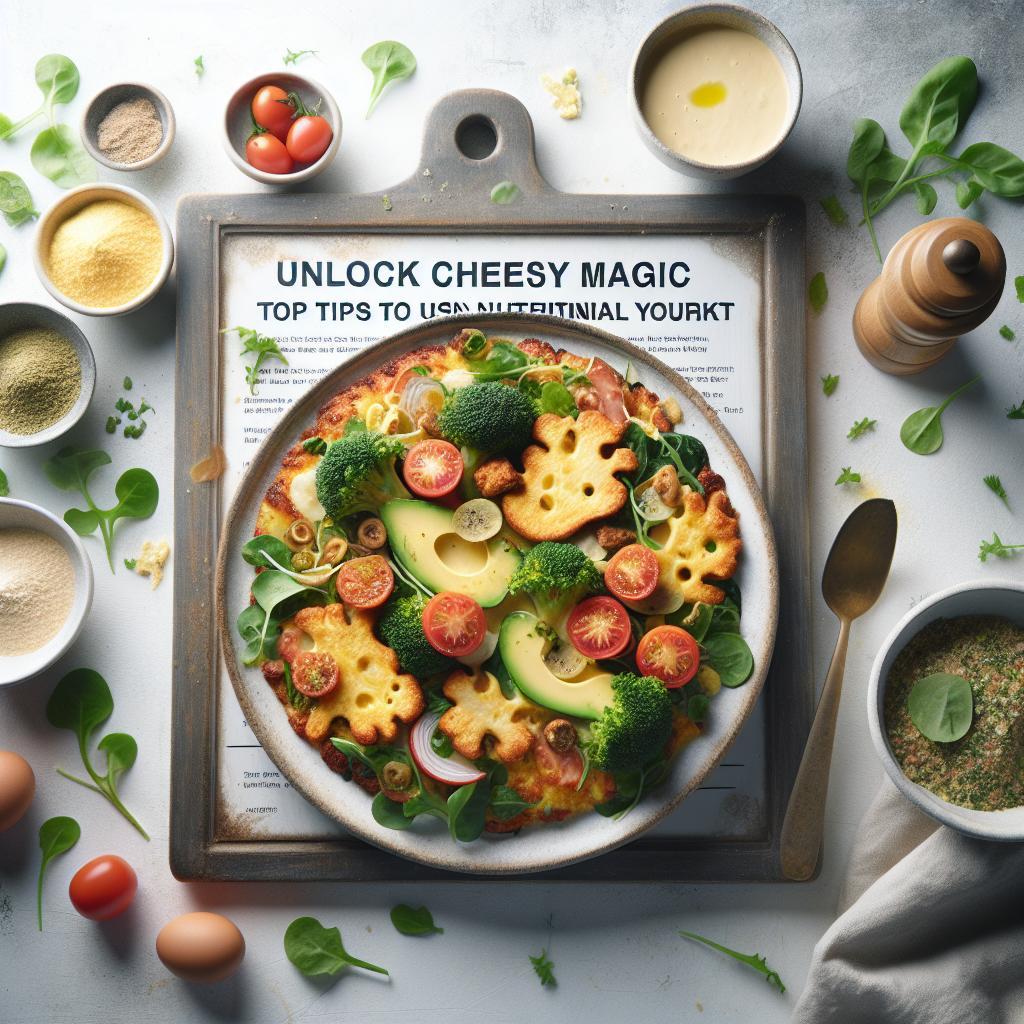

Nutritional yeast transforms simple dishes into savory, cheesy plates while remaining dairy-free. Chefs and nutrition professionals use it for its nutty, umami-rich profile and reliable nutrient density.
- Prep and Cook Time
- Yield
- Difficulty Level
- Ingredients
- Instructions
- Tips for Success
- Serving Suggestions
- Serving Pairings and Menu Ideas
- Storage and Shelf Life
- Nutrition Snapshot
- Further Reading and Resources
- FAQ
- What is nutritional yeast and how does it differ from other yeasts?
- Can nutritional yeast replace cheese in savory recipes?
- Is nutritional yeast a reliable source of vitamin B12?
- How should I store nutritional yeast and finished sauce?
- Can I use nutritional yeast in baking?
- In Retrospect
- Key takeaways: Use nutritional yeast for flavor, fortification, and texture enhancement.
- Store it cool and dry to preserve potency and aroma for up to two years.
- Start with small amounts when seasoning; increase gradually to balance umami and salt.
- Blend into emulsions for smooth, dairy-free sauces and dressings.
Prep and Cook Time
Preparation: 10 minutes. Keep mise en place organized: measure yeast, milk, and aromatics before heating. This reduces clumping and speeds assembly.
Cooking: 15 minutes. Gentle heat prevents graininess and preserves the savory profile. Total time: about 25 minutes from stove to plate.
Yield
This recipe yields 4 servings of a creamy, nutritional-yeast pasta. The portion size delivers a balanced amount of protein and carbohydrates for a main course.
Scale the recipe by increasing sauce components proportionally to pasta volume. For batch cooking, store sauce separately from pasta to avoid absorption and sogginess.
Difficulty Level
Difficulty: Easy. Basic stove skills suffice: sauté, simmer, and whisk. The technique focuses on emulsification rather than advanced culinary methods.
Intermediate cooks can adapt texture with blended cashews or a bechamel-style base. The method stays simple while yielding professional-tasting results.
Ingredients
Use quality ingredients for the cleanest flavor. The list below creates a creamy, savory sauce that clings to pasta surfaces.
- 1/2 cup nutritional yeast
- 3 cups cooked pasta (fusilli or shells hold sauce best)
- 1 cup unsweetened plant milk (almond or oat)
- 2 tbsp olive oil
- 2 cloves garlic, minced
- 1 tbsp fresh lemon juice
- 1 tsp smoked paprika
- Salt and pepper to taste
- 2 tbsp chopped parsley for garnish
- Optional: 1/4 cup toasted pine nuts
When choosing nutritional yeast, check for fortification if you need vitamin B12. Product labels vary; fortified options supply reliable micronutrient support for plant-based diets.
For allergen control, verify manufacturing lines and choose certified gluten-free yeast if sensitivity is a concern.
Instructions
Follow order and technique closely to achieve a smooth, glossy sauce. Controlled heat and continuous whisking prevent separation and grainy texture.
Maintain active stirring when you add dry ingredients to liquids; slow integration creates a stable emulsion.
- Sauté garlic: Heat olive oil over medium. Add minced garlic and sauté 1–2 minutes until fragrant but not browned.
- Add milk and spice: Pour in plant milk and stir in smoked paprika, salt, and pepper. Bring mixture to a gentle simmer; do not boil vigorously.
- Mix nutritional yeast: Whisk in nutritional yeast gradually. Stir constantly until sauce thickens and coats the back of a spoon, roughly 4–6 minutes.
- Toss pasta: Add cooked pasta directly to the skillet. Toss to coat evenly and finish cooking for 1–2 minutes to marry flavors.
- Add brightness: Off heat, stir in lemon juice to lift the flavor profile and cut any residual bitterness.
- Serve: Plate pasta, garnish with parsley, and optionally sprinkle toasted pine nuts for textural contrast.
Technical notes
For ultra-smooth sauces, blend the finished mixture briefly with an immersion blender. That step refines texture without adding dairy or thickeners.
If the sauce tightens on standing, thin with small amounts of reserved pasta water or plant milk. Adjust seasoning after thinning.
Tips for Success
Control texture by adding nutritional yeast slowly. A rapid dump of dry yeast can lead to clumping and a grainy mouthfeel.
Use plant milks with neutral flavor profiles. Almond and oat milks perform well; avoid full-fat coconut for this application because it may overwhelm umami notes.
Keep yeast fresh by storing it in an airtight container away from heat and humidity. This preserves both flavor and nutrient quality over time.
When substituting spices, consider complementary savory notes such as ground cumin or nutritional yeast paired with roasted garlic. Small adjustments can yield distinct regional profiles.
Serving Suggestions
This pasta pairs well with roasted vegetables and crisp salads. For plant-based menus, present it alongside grilled tofu or mushroom medleys for added protein and texture contrast.
Finish plates with high-impact accents: cracked black pepper, lemon zest, or a light drizzle of high-quality extra-virgin olive oil to heighten aroma and mouthfeel.
For batch prep, store sauce separately from pasta. Reheat sauce gently over low heat, whisking in a splash of plant milk to restore creaminess.
Serving Pairings and Menu Ideas
Use the sauce as a base for bowls or grain salads. Toss with farro, quinoa, or roasted root vegetables for a hearty, balanced meal.
For elevated plating, add charred broccolini or blistered cherry tomatoes. These elements contribute acidity and texture that complement the savory yeast notes.
Storage and Shelf Life
Store unopened nutritional yeast in a cool, dry pantry. Once opened, move it to an airtight container to limit air exposure and moisture ingress.
Under proper conditions, nutritional yeast retains flavor and nutrient stability for up to two years. Check aroma and taste if stored long-term; stale or off-odors indicate degradation.
Nutrition Snapshot
The table below shows a typical per-serving profile for a pasta portion made with plant milk and nutritional yeast. Values vary by product and portion size.
| Nutrient | Per Serving |
|---|---|
| Calories | 320 kcal |
| Protein | 15 g |
| Carbohydrates | 42 g |
| Fat | 8 g |
Fortified nutritional yeast can supply a significant portion of daily B-vitamin needs, including vitamin B12 when present. Confirm label details for exact micronutrient content.
For precise dietary planning, log product-specific nutrition facts into a tracking tool or consult a nutrition professional for tailored recommendations.
Further Reading and Resources
Understand the ingredient’s origin and culinary applications by reviewing authoritative sources. These entries give scientific and historical context for yeast and savory taste compounds.
See these references for deeper context: nutritional yeast, Saccharomyces cerevisiae, and umami. These pages explain production methods and flavor chemistry relevant to cooks and formulators.
Explore internal recipe inspiration at Creative Vegan Recipes with Nutritional Yeast and compare plant milk options at Plant-Based Milk Substitutes to optimize texture and flavor.
FAQ
What is nutritional yeast and how does it differ from other yeasts?
Nutritional yeast is a deactivated yeast grown specifically for food use. It differs from baker’s or brewer’s yeast in flavor profile and processing; manufacturers dry and flake it to preserve the savory notes.
For technical detail, review the yeast production and processing steps on the nutritional yeast page.
Can nutritional yeast replace cheese in savory recipes?
Yes. It provides a strong cheesy, umami flavor ideal for sauces, dressings, and toppings. It does not replicate the melt and stretch of dairy cheeses but excels as a flavor substitute.
Combine yeast with nuts or starches when you need a more cohesive, cheese-like texture in vegan cheese formulations.
Is nutritional yeast a reliable source of vitamin B12?
Some brands fortify their products with vitamin B12. Always check labels if B12 intake is a nutritional priority, especially on plant-based diets.
When in doubt, consult the product documentation or a dietitian to ensure adequate intake for your needs. Refer to Vitamin B12 for physiological roles and deficiency risks.
How should I store nutritional yeast and finished sauce?
Store flakes in an airtight container away from heat and moisture. The sauce freezes well in airtight containers for up to three months when cooled quickly.
Reheat frozen sauce by thawing overnight in the refrigerator and warming gently while whisking to recombine any separated components.
Can I use nutritional yeast in baking?
Yes. Use it to flavor savory baked goods such as crackers, breads, and biscuits. It adds depth without functioning as a leavening agent.
Balance with other seasonings to avoid overwhelming the final baked texture and aroma.
In Retrospect
Nutritional yeast offers concentrated savory flavor and useful nutrition for plant-focused menus. Applied with simple technique, it yields satisfying, cheese-like results without dairy.
Experiment with proportions and pairings. With controlled heat, proper storage, and mindful seasoning, you can integrate this ingredient into daily cooking routines and professional recipes alike.

See also: Nutritional yeast