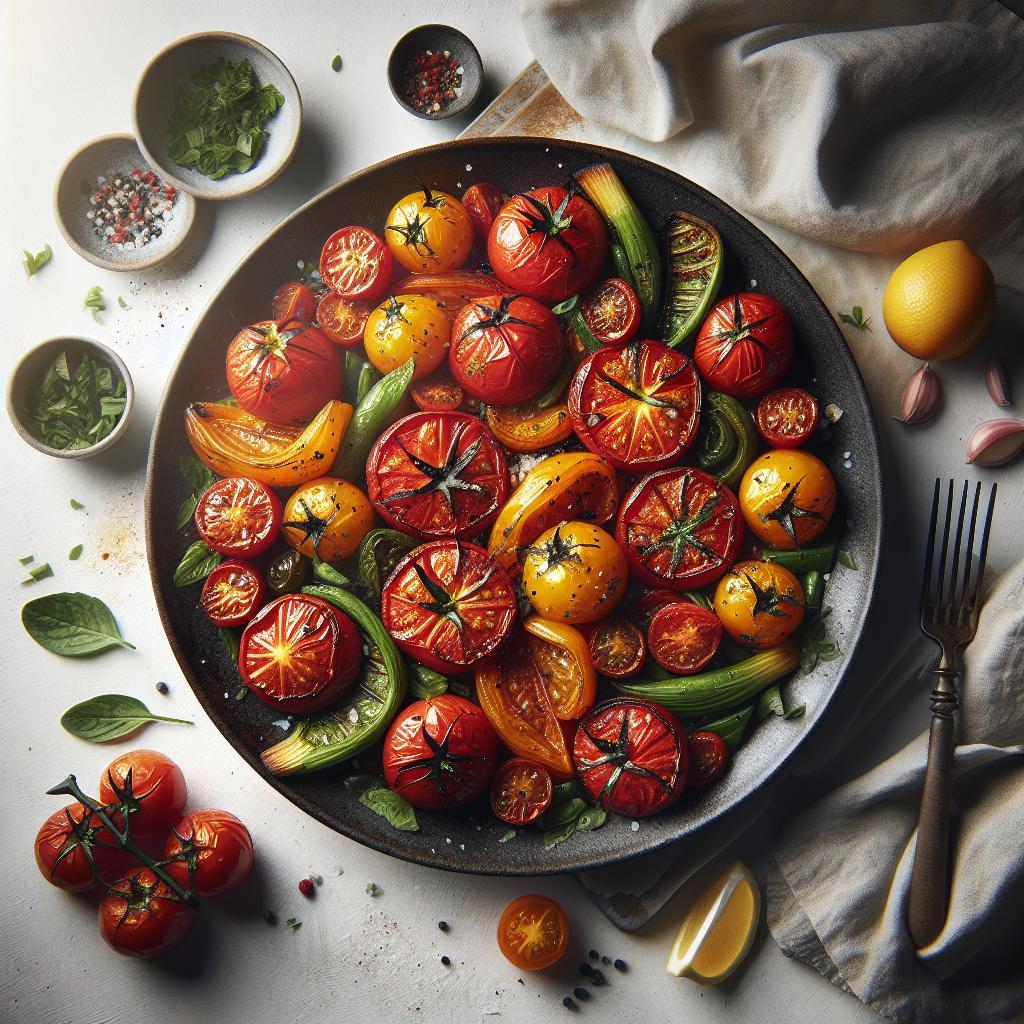

There’s a magical transformation that happens when you roast tomatoes: their bright acidity mellows into a rich, complex sweetness, layers of flavor deepen, and aromas intensify, creating a taste that’s nothing short of alchemy on a plate. But behind this culinary enchantment lies a fascinating world of chemistry-where heat sparks molecular reactions, sugars caramelize, acids reshape, and umami compounds emerge. In this article, we’ll peel back the layers and uncover the science behind the perfect roasted tomato, revealing how mastering chemistry in your kitchen can unlock flavors you never knew tomatoes held.
The Science of Sweetness and Acidity in Roasting Tomatoes
Unlocking flavor begins by understanding how roasting transforms tomatoes into intensely sweet, savory gems bursting with complexity. At the heart of this culinary magic lies the delicate balance between sweetness and acidity, achieved by precise heat and time control that promotes the Maillard reaction.
Prep and Cook Time
- Preparation: 10 minutes
- Roasting: 45-60 minutes
- Total Time: Approximately 1 hour
Yield
- Serves 4 as a side or component for other dishes
Difficulty Level
- Easy to Medium – perfect for home cooks eager to elevate simple ingredients
Ingredients
- 2 pounds ripe Roma tomatoes, halved lengthwise
- 3 tablespoons extra virgin olive oil
- 1 teaspoon kosher salt
- ½ teaspoon freshly ground black pepper
- 3 cloves garlic, peeled and left whole
- 1 tablespoon fresh thyme leaves or 1 teaspoon dried thyme
- 1 teaspoon balsamic vinegar (optional, to finish)
Instructions
- Preheat the oven to 300°F (150°C). A moderate temperature encourages gentle caramelization without burning, allowing acidity to mellow and natural sugars to intensify.
- Arrange halved tomatoes cut side up on a baking sheet lined with parchment paper. This orientation encourages evaporation and concentration of flavors.
- Drizzle evenly with extra virgin olive oil, then sprinkle salt, pepper, and thyme over the tomatoes. Add garlic cloves nestled between the tomato halves for subtle roasted aromatics.
- Roast the tomatoes slowly for 45 to 60 minutes, checking at 45 minutes for desired color and texture. They should be tender with edges caramelized to a rich, golden brown-evidence of the Maillard reaction delivering deep, nutty, and savory notes.
- Remove from the oven and allow to cool slightly. For an added depth, drizzle with balsamic vinegar to enhance the acidity-sweetness interplay.
- Serve warm or at room temperature. They can be a stunning side dish, blended into sauces, or layered into salads for bursts of roasted umami.
Tips for Success
- Selecting Tomatoes: Opt for Roma or plum tomatoes-they have fewer seeds and thicker flesh, perfect for roasting. Vine-ripened tomatoes offer the best balance of natural sugar and acidity.
- Preparing Tomatoes: Halve lengthwise rather than crosswise to retain juices and maximize caramelized surface area.
- Maillard Reaction Control: Maintaining a moderate oven temperature (around 300°F) ensures the Maillard reaction enhances flavor without charring, preserving acidity for a balanced finish.
- Sweetness Boost: For an extra touch, sprinkle a pinch of sugar or drizzle honey before roasting if tomatoes are less ripe.
- Storage: Keep leftovers refrigerated in an airtight container for up to 3 days. They reheat beautifully or add cool contrast to cold dishes.
Serving Suggestions
These roasted tomatoes are a versatile canvas of flavor. Serve atop creamy burrata or fresh mozzarella for a luxurious starter. Layer them in toasted sourdough with basil and shaved Parmesan to elevate sandwiches. Toss into pasta with a splash of reserved roasting juices for an instant sauce packed with umami and brightness. Garnish with fresh herbs like basil or thyme and a final flurry of flaky sea salt for that perfect presentation and flavor pop.
| Nutritional Info (per serving) | Calories | Protein | Carbs | Fat |
|---|---|---|---|---|
| Roasted Tomatoes | 90 | 2g | 8g | 6g |

For an in-depth look at how roasting enhances vegetable flavor through chemistry, see our comprehensive guide on roasting vegetables. To dive deeper into the Maillard reaction and food science, visit this Exploratorium article.
Q&A
Q&A: Unlocking Flavor – The Chemistry Behind Perfect Roasted Tomatoes
Q1: Why do roasted tomatoes taste so much better than raw ones?
Answer: Roasting tomatoes transforms their flavor by coaxing out natural sugars and intensifying umami compounds. The heat triggers the Maillard reaction and caramelization, creating complex, savory notes that you won’t find in fresh tomatoes. Think of it as nature’s flavor amplifier!
Q2: What chemical changes happen inside the tomato during roasting?
Answer: When tomatoes roast, their cell walls break down, releasing sugars and acids. The heat causes amino acids and reducing sugars to interact in the Maillard reaction, producing rich, browned flavors. Additionally, organic acids mellow, reducing sharpness while enhancing sweetness and depth.
Q3: How does roasting affect the texture of tomatoes?
Answer: Roasting evaporates water from the tomatoes, concentrating flavors and thickening their flesh. The softened, slightly caramelized texture contrasts beautifully with their fresh, juicy starting point, giving you that perfect balance of tender and robust.
Q4: Is there an ideal roasting temperature and time for perfect tomatoes?
Answer: Generally, roasting at around 375°F to 425°F (190°C to 220°C) for 20 to 40 minutes strikes the perfect balance. Too hot, and the tomatoes can burn; too cool, and you miss those caramelized notes. Time varies based on size and moisture, but aim for a golden-brown, slightly shriveled finish.
Q5: Can adding ingredients like oil, salt, or herbs influence the chemistry?
Answer: Absolutely! Oil helps conduct heat and enhances mouthfeel by re-distributing flavorful compounds. Salt draws out moisture and intensifies flavor through osmosis, while herbs release aromatic oils that meld with the tomato’s roasted goodness, amplifying the sensory experience.
Q6: Do all tomato varieties roast the same?
Answer: No! Some varieties, like Roma or plum tomatoes, have denser flesh and fewer seeds, making them ideal for roasting. Juicier varieties may require adjustments in roasting time to avoid sogginess. Each type brings its unique sugar-acid balance, subtly affecting the final flavor.
Q7: How can understanding this chemistry improve my cooking?
Answer: By recognizing how heat transforms tomatoes at the molecular level, you can experiment confidently-adjusting temperature, time, and seasoning to craft flavors exactly how you like them. It’s science serving your palate, turning simple tomatoes into culinary gold.
Unlock the secrets of roasting and savor each bite with a deeper appreciation for the delicious chemistry at play!
To Wrap It Up
As the final aroma of perfectly roasted tomatoes fills the air, we come to appreciate that their rich, complex flavors are no culinary accident but the result of intricate chemical symphonies playing out within each fruit. From the Maillard reaction’s browning magic to the sweet caramelization of natural sugars, chemistry is the secret ingredient that transforms humble tomatoes into a bold burst of umami delight. So next time you roast those vibrant gems, remember: you’re not just cooking-you’re orchestrating a scientific masterpiece that unlocks the true essence of flavor. Embrace the chemistry, and let your taste buds savor the art behind every roasted bite.