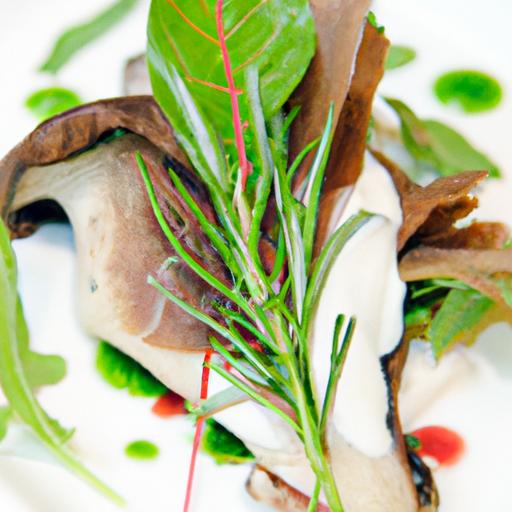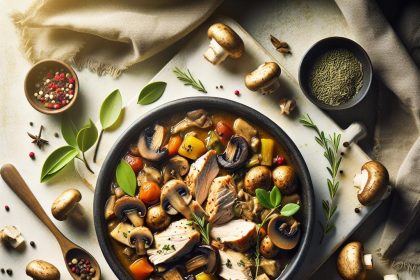

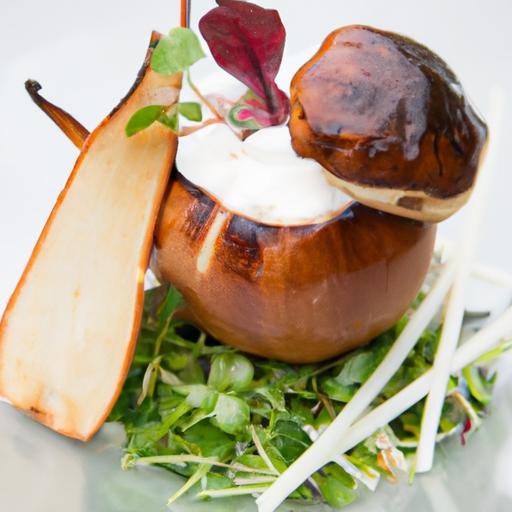

There’s an alchemy to cooking mushrooms that transforms their humble, earthy essence into a symphony of rich, deep flavors. But what if the secret to that perfect sear isn’t just culinary intuition, but chemistry at work? From the Maillard reaction to moisture management, unlocking the science behind a flawless mushroom crust reveals why some sautéed varieties sing with complexity while others fall flat. Join us as we peel back the layers of this flavorful phenomenon and explore the fascinating chemical dance that turns a simple fungus into a gourmet delight.
Unlocking flavor through the perfect mushroom sear begins with understanding the intricate dance of heat, moisture, and technique that transforms humble fungi into a golden-crusted delight bursting with umami. This culinary alchemy is made possible by the Maillard reaction, a chemical symphony that caramelizes natural sugars and proteins, giving mushrooms their signature deeply savory aroma and texture.
Prep and Cook Time
- Preparation: 10 minutes
- Cooking: 12 minutes
- Total Time: 22 minutes
Yield
- Serves 4 as a side dish or ingredient
Difficulty Level
- Easy to Medium
Ingredients
- 1 lb (450g) cremini mushrooms, cleaned and sliced ¼-inch thick
- 2 tbsp unsalted butter (or olive oil for dairy-free)
- 1 tbsp high-smoke point oil (grapeseed or avocado oil recommended)
- ½ tsp kosher salt
- ¼ tsp freshly ground black pepper
- 2 garlic cloves, finely minced
- 1 tbsp fresh thyme leaves (optional)
- 1 tsp lemon juice (optional, for bright finishing)
Instructions
- Pat mushrooms dry completely using a clean kitchen towel; moisture inhibits proper searing and stalls the Maillard reaction.
- Preheat a heavy-bottomed skillet (preferably cast iron or stainless steel) over medium-high heat until it’s shimmering hot but not smoking.
- Add oil and butter, swirling it around to coat the pan evenly. Butter adds rich flavor but burns easily, so pairing with oil balances this.
- Spread mushrooms in a single layer without overcrowding the skillet; overcrowding causes steaming rather than searing.
- Let mushrooms cook undisturbed for about 5-6 minutes to form a rich golden crust. Flip them over with a spatula once edges are deep brown.
- Season with salt and pepper immediately after flipping to draw out moisture without making them soggy.
- Add minced garlic and thyme once mushrooms are about 75% cooked; stir gently for an additional 2-3 minutes to infuse aroma without burning.
- Finish with a drizzle of fresh lemon juice off the heat for a bright, fresh contrast that elevates the earthy tones.
- Remove from heat and serve hot to enjoy the full spectrum of textures and aromas.
Chef’s Notes: Tips for Success
- Moisture Control: Always wipe mushrooms dry after washing or opt for brushing off dirt instead of rinsing. Excess moisture derails caramelization.
- Pan Selection: A cast iron skillet retains consistent heat-key to achieving flavorful sears. Non-stick pans often don’t reach high-enough temperatures.
- Heat Strategy: Start hot to lock in flavor, but moderate if you notice burning; balance is vital for golden, not blackened mushrooms.
- Make Ahead: Sear mushrooms ahead but hold off adding fresh herbs and lemon until serving to preserve brightness and texture.
- Variations: Try wild mushrooms like shiitake or oyster for deeper earthy notes, adjusting cook time slightly for thickness.
Serving Suggestions
Serve these perfectly seared mushrooms as a luxurious side to grilled steak or roasted chicken, or layer atop crusty sourdough for a gourmet open-faced sandwich. Garnish with finely chopped fresh parsley or chives to add a pop of color and herbal freshness. For an elegant finish, sprinkle shaved Parmesan or drizzle with truffle oil to further accentuate the Maillard magic.
| Nutrition per serving | Calories | Protein | Carbs | Fat |
|---|---|---|---|---|
| Mushroom Sear | 85 | 3g | 6g | 6g |

For more on perfect searing techniques, explore our Mastering the Art of Sautéing and discover how precision transforms everyday ingredients. Dive deeper into the science behind the Maillard reaction on Science Daily to elevate your culinary skills with scientific insight.
Q&A
Q&A: Unlocking Flavor: The Chemistry Behind the Perfect Mushroom Sear
Q: Why is searing mushrooms different from searing meat?
A: Mushrooms are mostly water-up to 90%! Unlike meat, which has fat and muscle fibers, mushrooms release a lot of moisture when heated. This makes achieving a perfect sear trickier because excess water steams the mushroom rather than browning it. The challenge is to coax out the water and get those coveted golden-brown crusts without turning your pan into a shallow mushroom soup.
Q: What chemical reactions create that irresistible sear on mushrooms?
A: The magic lies in the Maillard reaction-a chemical dance between amino acids and reducing sugars triggered by heat. When mushrooms hit a hot pan, these compounds react to create complex flavors and that golden, crusty surface. Unlike caramelization, which is purely sugar browning, the Maillard reaction produces savory, roasted, and nutty notes that elevate the mushroom’s taste.
Q: How does moisture affect these reactions?
A: Moisture is both friend and foe. Too much water inhibits browning because water’s boiling point is lower than the temperature required for the Maillard reaction (around 300°F or 150°C). When mushrooms release water, the pan’s temperature drops and the surfaces stay wet-preventing the essential browning chemistry. That’s why drying mushrooms before cooking is key; less water means higher pan temperatures and more flavor.
Q: What’s the secret to reducing mushroom moisture for the perfect sear?
A: Patting mushrooms dry with a paper towel is step one. Another trick is cooking them in smaller batches-overcrowding causes steaming rather than searing. Using high heat and a sturdy pan (cast iron is ideal) helps evaporate moisture quickly. Also, resist adding salt too early, as it draws out water, making the mushrooms soggy right when you want crispiness.
Q: Does the type of mushroom affect the searing chemistry?
A: Yes! Different mushrooms have varying water content and sugar levels. For example, portobellos have more moisture but also robust umami compounds, which react beautifully in the Maillard process. Delicately flavored mushrooms like chanterelles dry out and brown faster, while button mushrooms are mild and cook quickly. Adjust heat and timing based on the mushroom variety to unlock their unique flavors.
Q: Can oil or butter influence the searing outcome?
A: Absolutely. Fats conduct heat efficiently and help achieve even browning. Oil with a high smoke point, like grapeseed or avocado oil, allows for higher pan temperatures without burning. Butter adds flavor but burns faster, so many chefs use a combo: start with oil for searing, then finish with butter for taste. The fat also aids in creating that luscious, caramelized crust essential to the perfect sear.
Q: In summary, what’s the chemistry takeaway for mushroom lovers?
A: Unlocking the flavor of a perfect mushroom sear is a balancing act of moisture control, heat management, and harnessing the Maillard reaction. When you dry your mushrooms, use high heat, avoid crowding, and apply the right fats, you create the sizzling chemistry that transforms humble fungi into a rich, complex masterpiece of taste.
Final Thoughts
As the skillet cools and the last fragrant tendrils of seared mushroom aroma drift away, we come to appreciate that the perfect mushroom sear is much more than just culinary happenstance. It is a symphony of chemistry-where Maillard reactions dance, moisture balances shift, and surface sugars caramelize to unlock layers of deep, earthy flavor. By embracing the science behind the sizzle, home cooks and chefs alike can transform humble fungi into mouthwatering marvels, proving that sometimes, the secret ingredient is understanding what happens beneath the surface. So next time you hear that satisfying sizzle, remember: you’re not just cooking-you’re unlocking nature’s flavor code, one perfect sear at a time.