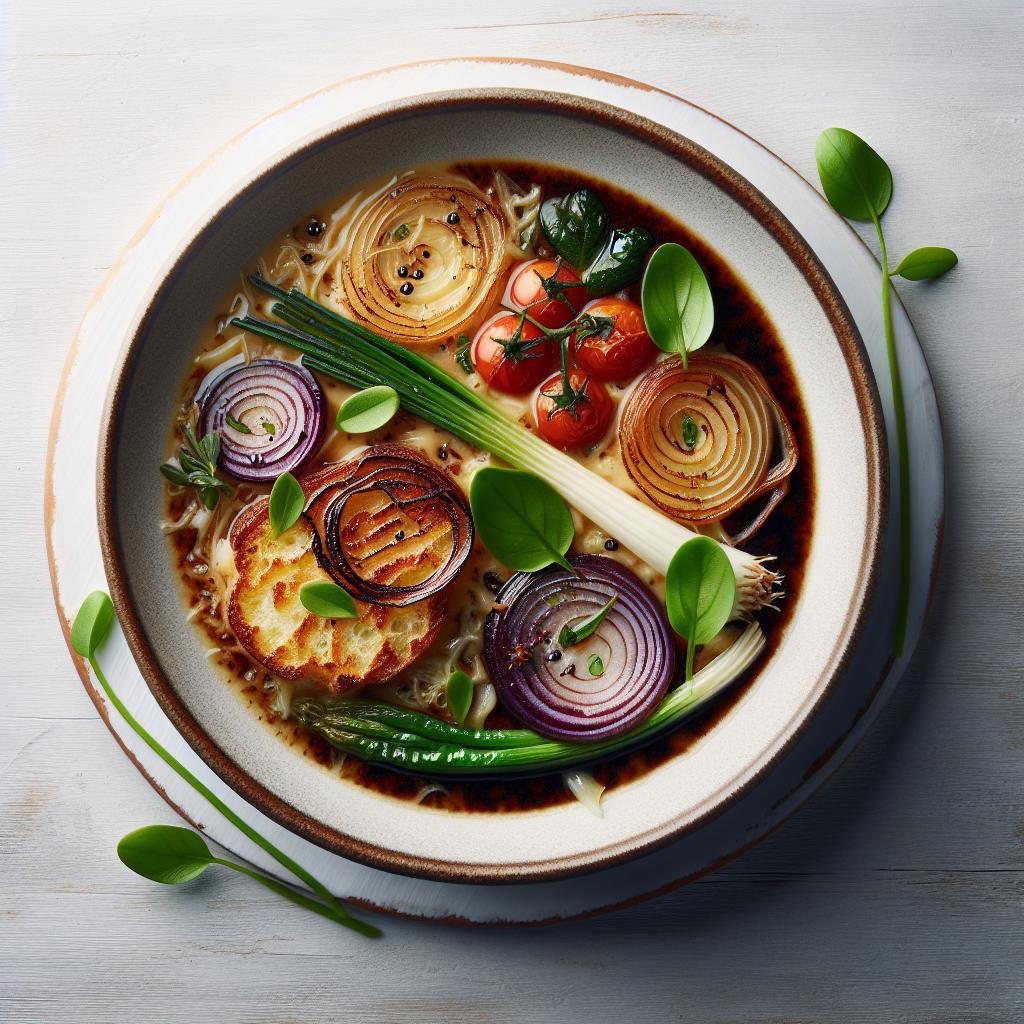

There’s something enchanting about a steaming bowl of French onion soup-a harmonious blend of caramelized sweetness, rich broth, and melted cheese that transcends mere comfort food. But beneath its humble appearance lies a culinary symphony orchestrated by the science of flavor. From the slow transformation of onions to the Maillard reaction’s magical browning, each element is a carefully timed act in a deliciously complex performance. In this article, we’ll peel back the layers to unlock the secrets behind perfect French onion soup, revealing how science turns simple ingredients into a masterpiece of taste and aroma.
The Art of Caramelization Bringing Out the Deep Sweetness in Onions
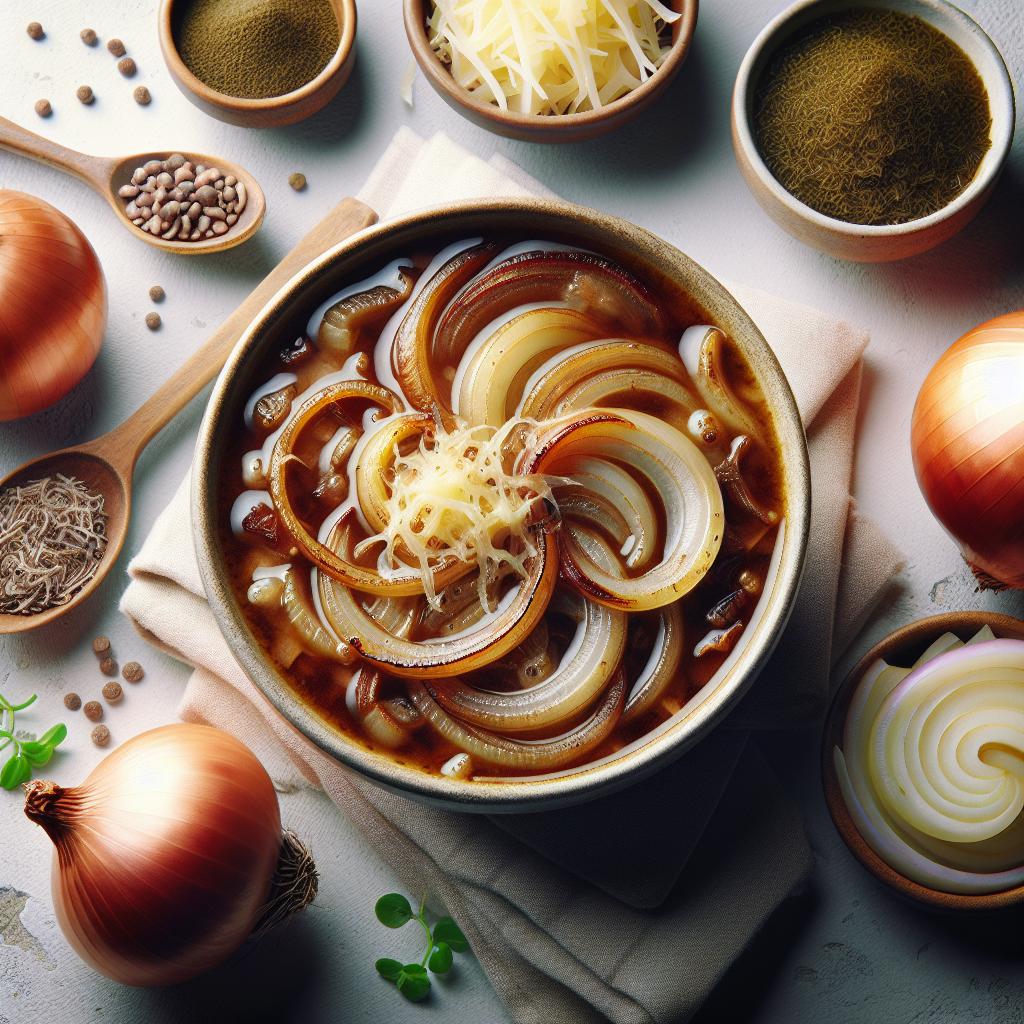
Unlocking flavor begins with mastering the caramelization of onions, a process that transforms humble vegetables into a luxurious base rich with natural sweetness and depth. This foundational step is where the magic happens – the slow, patient cooking releases sugars within the onions, creating a complex bouquet that is both savory and sweet, setting the tone for the entire dish. Picture thinly sliced onions turning golden amber, their aroma filling your kitchen like a warm hug.
Choosing the Right Onions Unlocking Layers of Natural Flavor
Selecting the ideal onion is key to unlocking flavor. Yellow onions are the classic choice, offering a perfect balance of sweetness and pungency that mellows beautifully when cooked. Alternatively, white onions provide a sharper note, while sweet Vidalia or Walla Walla varieties elevate the caramelization with an extra touch of sugary complexity. Whichever you choose, ensure they are firm with dry skins for optimal results.
Building a Rich Broth Crafting the Perfect Balance of Umami and Sweetness
The broth is where your caramelized onions reach their full potential. Combining beef stock with aromatics such as thyme, bay leaves, and a pinch of black pepper, you craft a deeply satisfying umami foundation. A splash of dry sherry or white wine can add brightness and nuanced layers, enhancing sweetness without overpowering. Simmer slowly, allowing flavors to marry and intensify, achieving a harmonious balance that complements the onions’ richness perfectly.
The Secret to a Golden Gruyere Crust Enhancing Texture and Taste
The crowning glory is the golden Gruyère cheese crust. Gruyère melts into a lusciously creamy layer, while toasting to a perfectly golden, slightly crisp finish, adding contrast in texture and a nutty, slightly salty taste. Using well-aged Gruyère amplifies flavor, while placing the soup under a broiler for a few minutes creates that irresistible bubbling, caramelized cheese crust that beckons you to dig in.
Prep and Cook Time
- Prep Time: 20 minutes
- Cook Time: 1 hour 15 minutes
Yield
Serves 4 generous portions
Difficulty Level
Medium – requires patience and attention but achievable by home cooks eager to master technique
Ingredients
- 6 large yellow onions, thinly sliced
- 4 tbsp unsalted butter
- 2 tbsp olive oil
- 1 tsp salt
- 1/2 tsp freshly ground black pepper
- 2 cloves garlic, finely minced
- 1 tbsp all-purpose flour
- 8 cups beef broth, preferably homemade
- 1/2 cup dry white wine or dry sherry
- 2 sprigs fresh thyme
- 1 bay leaf
- 1 baguette, sliced and toasted
- 2 cups grated Gruyère cheese
Instructions
- Caramelize the Onions: In a large heavy-bottomed pot, melt butter with olive oil over medium-low heat. Add the sliced onions with salt and pepper. Stir to coat and cook slowly, stirring every 5 minutes for about 45 minutes until they achieve a deep golden-brown color and a jam-like consistency. Patience is key here; this gradual caramelization unlocks the signature sweetness.
- Add Garlic and Flour: Stir in minced garlic and cook for another minute. Sprinkle the flour over the onions and stir continuously for 2 minutes to cook out the raw flavor, which also helps thicken the broth.
- Deglaze the Pot: Pour in the white wine or sherry, scraping up any browned bits stuck to the bottom – these fond pieces are flavor gold!
- Construct the Broth: Add beef broth, thyme sprigs, and bay leaf. Bring to a gentle simmer and cook uncovered for 30 minutes, allowing the broth to reduce slightly and deepen in flavor. Adjust seasoning with salt and pepper.
- Prepare the Bread: Preheat the oven to 400°F (200°C). Place the baguette slices on a baking sheet and toast them until crisp and golden, about 8-10 minutes. This step ensures crunch under the cheese topping.
- Assemble and Broil: Ladle the soup into oven-safe bowls. Place toasted baguette slices atop each bowl and generously layer Gruyère cheese on the bread. Place the bowls under a broiler for 3-5 minutes until the cheese melts and forms a bubbly, golden crust. Watch closely to avoid burning.
- Serve Immediately: Garnish with a sprig of fresh thyme or a light dusting of cracked black pepper, and serve hot for an indulgent experience.
Tips for Success
- Use a heavy, wide pot to distribute heat evenly during caramelization, preventing hot spots and burning.
- Be patient during the onion cooking stage – avoid rushing with high heat which leads to bitterness rather than sweetness.
- If homemade beef broth isn’t available, opt for high-quality store-bought and enrich it with a splash of soy sauce or Worcestershire for added umami.
- For a vegetarian version, substitute beef broth with a robust mushroom broth and omit the Gruyère, replacing it with a plant-based melting cheese.
- Make ahead: Caramelized onions and broth can be prepared up to 2 days in advance and gently reheated before assembly.
Serving Suggestions
This soup shines as a warming main course paired with a crisp green salad dressed with lemon vinaigrette to lift the richness. For an elegant touch, drizzle a bit of aged balsamic reduction over the cheese crust right before serving. Fresh thyme leaves or finely chopped chives sprinkled atop add a burst of color and herbaceous brightness. Crusty bread on the side invites dunking and complements the luxurious textures.
| Nutrient | Per Serving |
|---|---|
| Calories | 420 kcal |
| Protein | 22 g |
| Carbohydrates | 38 g |
| Fat | 18 g |

For more recipes embracing the depth of umami-rich broths, explore our article on Mastering Homemade Beef Broth. To understand the chemistry behind caramelization, ScienceDaily explains the Maillard reaction beautifully.
Q&A
Q&A: Unlocking Flavor – The Science Behind Perfect French Onion Soup
Q1: Why does French onion soup take so long to make?
A1: The secret lies in time and patience. The deep, rich flavor comes from slowly caramelizing the onions over low heat. This process can take anywhere from 45 minutes to an hour, allowing the natural sugars in the onions to break down and develop into a sweet, nutty, and complex base that is the hallmark of perfect French onion soup.
Q2: What happens chemically when onions caramelize?
A2: Caramelization is a type of non-enzymatic browning where heat causes the natural sugars in onions to break down and transform. This creates new flavor compounds-think buttery, sweet, and almost jammy notes-that you can’t get by simply frying or sautéing quickly. It’s a delicate dance between temperature and time to unlock those rich and savory flavors.
Q3: Is it better to use yellow onions, white onions, or something else?
A3: Yellow onions are often preferred because they have a balanced sugar content and sturdy texture, perfect for slow caramelization. They become beautifully sweet without turning mushy. White onions are sharper and less sweet, while red onions can add color but may not provide the same depth of flavor.
Q4: Why is broth important, and can you use just water?
A4: The broth is the soul of the soup beyond the onions. Traditionally, beef broth is used for its robust, umami-rich character, complementing the sweetness of the onions. Using water will result in a much blander soup. Broth adds complexity and rounds out the flavors, making every spoonful deeply satisfying.
Q5: How does the bread and cheese topping contribute scientifically?
A5: The bread, often toasted baguette, soaks up the flavorful broth, creating a perfect texture contrast between crisp and soft. The cheese-Gruyère is classic-melts and browns under the broiler through the Maillard reaction, developing nutty, savory notes that add richness and a luscious finish to the soup.
Q6: Can I speed up the caramelization without sacrificing flavor?
A6: While tempting, rushing caramelization usually sacrifices depth and balance. Higher heat can burn onions, resulting in bitterness instead of sweetness. Some chefs use a pinch of baking soda to speed the process by increasing pH, but this can change the flavor and texture. Patience truly is a key ingredient here.
Q7: What role does acidity play in French onion soup?
A7: Adding a splash of wine, sherry, or a touch of vinegar brightens the soup and balances the intense sweetness of caramelized onions. The acidity enhances complexity and prevents the soup from becoming cloying, creating harmony among the rich flavors.
Q8: How does understanding the science help home cooks?
A8: Knowing what’s happening beneath the surface-in caramelization, Maillard reactions, and flavor balancing-empowers cooks to control each step. This awareness helps prevent missteps like burning onions or ending with flat broth and encourages creativity while ensuring consistently delicious results.
Unlocking the science behind French onion soup isn’t just about cooking better-it’s about appreciating the alchemy that transforms humble onions into a legendary, soul-warming classic. So next time you stir that pot, remember: flavor is a patient science.
Closing Remarks
As the final spoonful of French onion soup melts away, we’re left not just with warmth but with a deeper appreciation for the alchemy behind its rich, golden broth. From the patient caramelization of onions to the precise melding of savory notes, every step is a scientific dance that transforms humble ingredients into a timeless classic. Unlocking the secrets behind this beloved dish reveals that cooking is both an art and a laboratory-where flavor is crafted through curiosity, technique, and the magic of chemical reactions. So next time you savor that bubbling bowl, remember: you’re tasting the delicious result of science in perfect harmony with tradition.