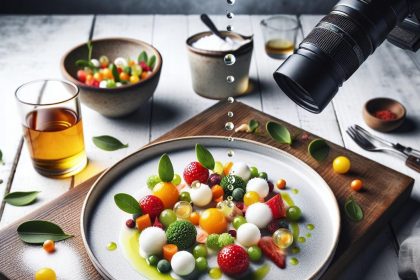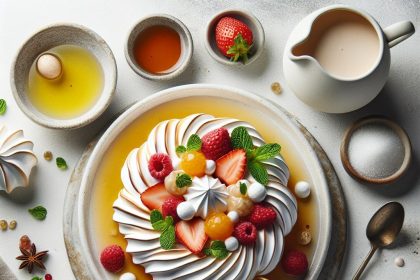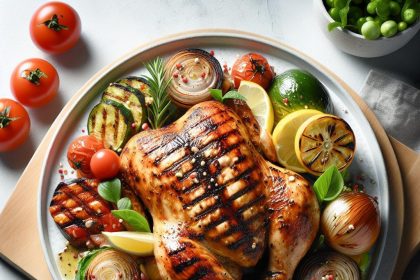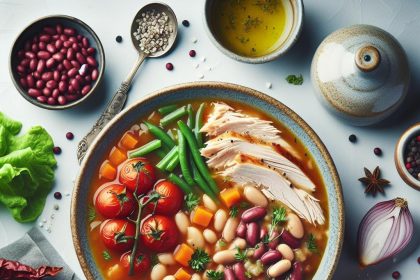


Imagine a cooking technique that transforms humble cuts of meat into tender masterpieces, infuses vegetables with vibrant, intensified flavors, and guarantees flawless results every time. Welcome to the world of sous vide-a culinary revolution that’s quietly unlocking a new dimension of taste and texture. But what exactly is sous vide, and why is it captivating chefs and home cooks alike? In this article, we’ll dive deep into the science and art behind sous vide cooking, unraveling how this method allows you to cook food with precision, patience, and a splash of modern magic. Get ready to unlock flavors like never before.
Unlocking Flavor through sous vide cooking unveils a fascinating dance of science and culinary art, transforming simple ingredients into masterpieces of taste and texture. Originating from French gastronomy, sous vide-meaning “under vacuum”-entails cooking food sealed in airtight bags, slowly submerged in precisely controlled warm water. This method ensures uniform doneness and unparalleled juiciness, elevating flavors by locking in moisture and enhancing tenderizing effects, all while reducing the risk of overcooking.
Prep and Cook Time
- Preparation: 15 minutes
- Cooking: 1-4 hours (depending on the protein or vegetable)
- Total Time: 1 hour 15 minutes to 4 hours 15 minutes
Yield
- Serves 4 generous portions
Difficulty Level
- Medium – Ideal for home cooks looking to refine their technique and precision
Ingredients
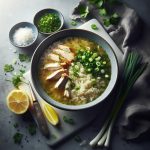
- 4 boneless, skin-on chicken breasts (about 6 ounces each)
- 2 tablespoons olive oil
- 4 sprigs fresh thyme
- 2 cloves garlic, smashed
- Salt and freshly ground black pepper to taste
- 1 lemon, thinly sliced
- Vacuum seal bags or heavy-duty resealable freezer bags
Instructions
- Season chicken breasts carefully with salt, pepper, and drizzle olive oil over each piece to ensure flavor absorption. Add 1 sprig of thyme, a garlic clove, and 2 lemon slices on top of each breast.
- Seal the chicken in a vacuum bag, ensuring as much air is removed as possible, or use the water displacement method if using resealable bags to maintain a tight seal around the chicken.
- Preheat your sous vide immersion circulator to 145°F (63°C) for perfectly tender, juicy chicken breasts that retain a silky texture.
- Submerge the sealed bags in the water bath, making sure the food is fully under water, and cook for 1.5 to 2 hours. Avoid overcrowding to promote uniform heat circulation.
- When cook time is complete, carefully remove bags and pat the chicken dry with paper towels to prepare for finishing touches.
- Heat a skillet over medium-high heat, add a little olive oil or butter, and quickly sear the chicken breasts-about 1 minute per side-to develop a beautiful golden crust that contrasts the tender interior.
- Serve immediately, garnished with additional fresh thyme and a wedge of lemon to brighten the final dish.
Chef’s Notes
- For richer flavor, marinate chicken breasts in the olive oil, garlic, and thyme mixture for 30 minutes before sealing.
- Substitute thyme with rosemary or tarragon for a different aromatic experience.
- Cooking at 140-146°F balances tenderness and juiciness; higher temps yield a firmer texture.
- You can prepare and seal bags ahead of time, keeping them refrigerated for up to 24 hours before cooking.
- Always dry the surface thoroughly before searing to achieve optimal browning and prevent steaming.
Serving Suggestions
Pair with vibrant sides like roasted asparagus tossed in lemon zest, or a creamy cauliflower purée. Garnish with microgreens or chopped fresh herbs for a fresh, colorful presentation. A drizzle of pan sauce or a tangy chimichurri amplifies complexity and contrast on the plate, making each bite a layered delight.
| Per Serving | Calories | Protein | Carbs | Fat |
|---|---|---|---|---|
| Chicken Breast (sous vide) | 280 | 53g | 0g | 5g |
| Olive Oil (½ tbsp) | 60 | 0g | 0g | 7g |
Explore more on how sous vide transforms flavor and texture, or browse our internal guide on mastering sous vide cooking for further inspiration and expert advice.

Q&A
Q&A: Unlocking Flavor – What Is Sous Vide Cooking All About?
Q1: What exactly is sous vide cooking?
A1: Sous vide, French for “under vacuum,” is a culinary technique where food is sealed in airtight bags and cooked slowly in a water bath at precisely controlled temperatures. This method ensures even cooking from edge to center, locking in juices and flavors like no other.
Q2: How does sous vide differ from traditional cooking methods?
A2: Traditional cooking often exposes food to high, fluctuating heat, causing moisture loss and uneven doneness. Sous vide, on the other hand, uses gentle, steady warmth-think of it as a spa day for your steak or veggies-resulting in perfectly tender, juicy dishes every time.
Q3: Why has sous vide become a favorite in modern kitchens?
A3: Precision and convenience! With sous vide, you can set and forget. Whether it’s a melt-in-your-mouth filet mignon or perfectly tender carrots, the sous vide technique guarantees consistent results, taking the guesswork and stress out of cooking.
Q4: Is sous vide cooking only for meat lovers?
A4: Not at all! Sous vide works wonders with vegetables, eggs, fish, and even desserts. Imagine silky custards, vibrant vegetables bursting with color and flavor, or fish cooked just to the edge of flakiness-sous vide elevates every ingredient.
Q5: What equipment do I need to start sous vide cooking at home?
A5: The essentials are a precision water circulator (or immersion circulator) and vacuum-sealable bags or high-quality zip-lock bags. Many sous vide devices now come with smart features and apps that make controlling your cooking a breeze.
Q6: Are sous vide meals safe to eat?
A6: Absolutely! Sous vide cooking uses controlled temperatures to pasteurize food, killing harmful bacteria while preserving texture and flavor. Just follow recommended temperature and timing guidelines for each ingredient.
Q7: Can anyone become a sous vide chef?
A7: Yes! One of the beautiful things about sous vide is its accessibility. Whether you’re a culinary novice or a seasoned pro, sous vide empowers you to create restaurant-quality dishes with ease and confidence.
Q8: How does sous vide unlock flavor differently than other methods?
A8: By sealing food in a vacuum bag, sous vide traps all the natural juices and aromas, preventing evaporation or drying out. The slow, steady cooking lets flavors meld and intensify, often making dishes taste richer and more vibrant.
Q9: What’s a good starter recipe for sous vide beginners?
A9: Try cooking a simple chicken breast at 146°F (63°C) for about 1.5 hours. The result is juicy, tender poultry with no risk of overcooking-finish with a quick sear for a crisp, golden crust.
Q10: Where can sous vide take my cooking adventures next?
A10: The possibilities are endless! Experiment with infusions like herb-butter steaks, perfectly textured risottos, or even homemade yogurt. Sous vide is your ticket to a world where flavor and texture reach new heights. Ready to dive in?
Concluding Remarks
As the gentle hum of a precision cooker infuses each ingredient with time and temperature, sous vide transforms everyday meals into extraordinary experiences. Unlocking flavor isn’t just about technique-it’s an invitation to savor patience, precision, and the pure essence of each dish. Whether you’re a curious novice or an adventurous home chef, sous vide offers a delicious gateway to culinary mastery, where every bite tells a story of science meeting artistry. So, dive in, embrace the slow magic, and let your taste buds embark on a perfectly cooked journey like no other.