
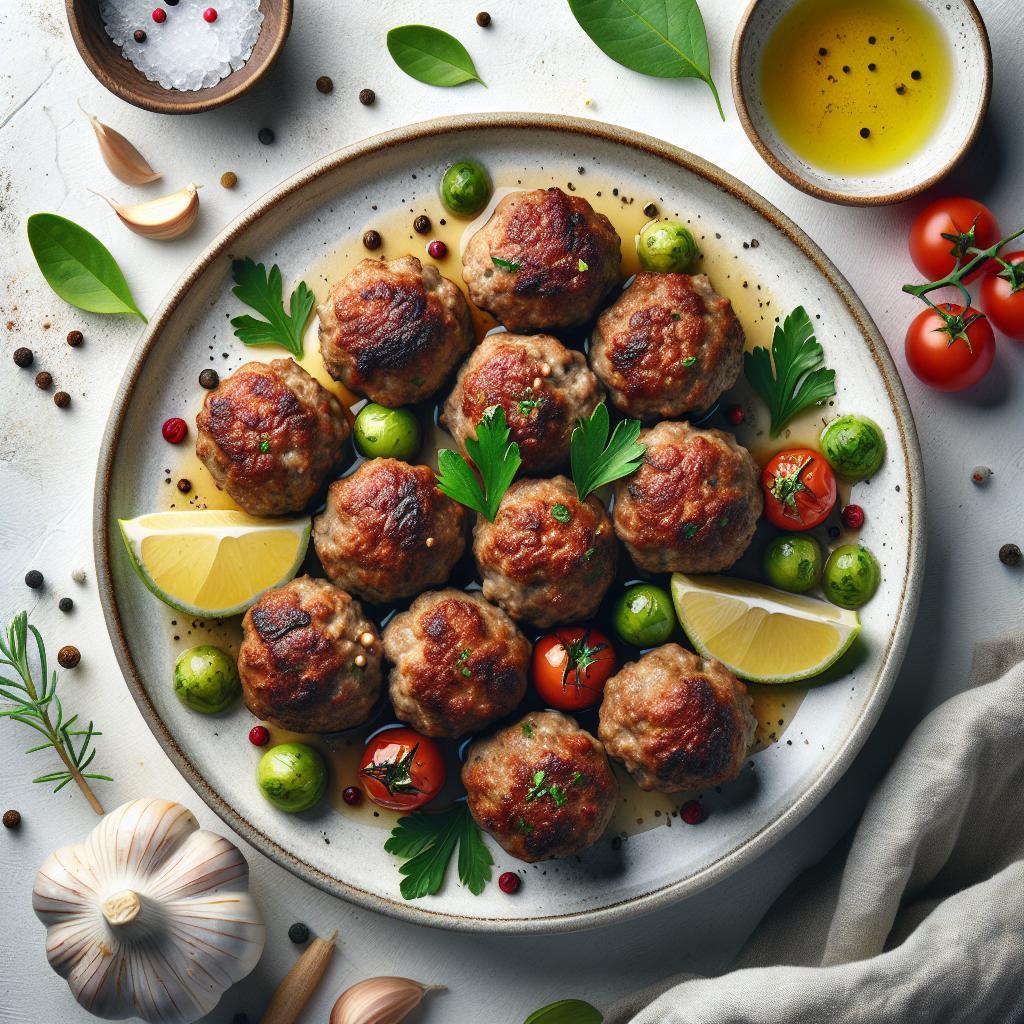

Unlocking Juicy Secrets starts with a clear understanding of how fat, binders, and heat interact to create tender, flavorful meatballs. Controlled technique and correct ingredient ratios produce consistent results every cook can rely on.
- Balance fat and lean: Aim for roughly 20% fat for juiciness.
- Bind gently: Soaked breadcrumbs and a single egg give structure without toughness.
- Use heat smartly: Sear for crust, then finish low and slow to retain moisture.
- Rest before serving: Let juices redistribute for a tender bite.
Why science matters for meatballs
Meatballs are a simple matrix of protein, fat, water, and seasoning. Understanding interactions between those elements makes the difference between dry, crumbly balls and juicy, tender spheres of flavor.
Proteins bind and set during cooking, fat renders and lubricates texture, and water-bearing components like milk or soaked crumbs modulate juiciness. The same principles appear across meat science literature and cooking practice.
Key ingredients and their function
Choose ingredients to fulfill specific roles: structure, moisture, flavor, and browning. A deliberate selection avoids guesswork and lets you control outcome.
Ground meat: Use an 80/20 blend for a balance of structure and rendered fat. For reference on ground meat composition, see ground beef.
Binders and moisture: Fresh breadcrumbs soaked in milk stabilize the mix without drying it out. Milk supplies water and fat that integrate into the matrix; more on milk as an ingredient at milk.
Flavor enhancers: Hard cheeses and aromatics add umami and depth. Parmigiano-Reggiano-style cheeses contribute a savory punch; explore the cheese profile at Parmigiano-Reggiano.
Fat, texture, and emulsification
Fat content directly impacts mouthfeel and moisture. Fats melt during cooking and lubricate protein fibers, which keeps the center tender.
Gentle mixing helps disperse fat through the meat without overworking proteins. That dispersion resembles an emulsion in which fat and water distribute evenly, improving texture and sliceability.
Technique: sear, simmer, and rest
Searing creates a flavorful crust by initiating the Maillard reaction. That chemical process builds complex aroma compounds and seals the surface for better texture; read more at Maillard reaction.
After searing, finish meatballs gently in a pan with a little liquid or sauce. Low, steady heat lets the interior reach temperature without squeezing out juices. Finally, rest the meatballs for a few minutes; resting allows juices to redistribute and prevents immediate loss when cut.
Practical recipe details
Prep & cook time: 20 minutes prep, 15 minutes active cook, roughly 35 minutes total. Timed stages help control carryover and final texture.
Yield: About 20 medium meatballs, serving 4–6 people. Consistent ball size ensures even cooking and repeatable results.
Difficulty: Medium. This recipe rewards attention to technique more than advanced skills. Home cooks who respect the timing and mixing guidelines will succeed.
Ingredients (tested ratios)
The following proportions produce reliably tender, juicy meatballs when combined correctly. Quantities can scale, but maintain relative ratios for consistent results.
- 1 lb ground beef (80/20 fat)
- 1/2 lb ground pork
- 1 cup fresh breadcrumbs
- 1/3 cup whole milk
- 1 large egg
- 2 cloves garlic, minced
- 1/4 cup fresh parsley, finely chopped
- 1/4 cup grated hard cheese (Parm-style)
- 1 tsp kosher salt and 1/2 tsp black pepper
- 1/2 tsp smoked paprika (optional)
- 2 tbsp olive oil for searing
- Optional: 1/4 tsp red pepper flakes for heat
Step-by-step instructions
1. Soak breadcrumbs. Combine breadcrumbs and milk. Let sit 5 minutes until fully hydrated; the crumbs act like tiny reservoirs that hold moisture during cooking.
2. Combine proteins gently. Add ground beef and pork to a bowl and fold them together until roughly homogeneous. Avoid vigorous mixing to prevent protein tightening, which yields dense meatballs.
3. Add aromatics and binders. Fold in the soaked crumbs, egg, garlic, parsley, cheese, salt, pepper, and optional spices. Mix until just combined; overmixing pumps proteins and stiffens texture.
4. Form uniform balls. Lightly oil your hands and roll into 1½-inch spheres. Uniform size promotes even browning and identical cook times for every ball.
5. Preheat and sear. Heat oil in a skillet over medium. Place meatballs with space between them and brown on all sides until golden; searing enhances flavor and texture via the Maillard reaction.
6. Finish gently. Reduce heat, add a splash of broth or sauce, cover, and simmer for 8–10 minutes. Low, moist heat allows middle temperatures to rise without drying the interior.
7. Rest briefly. Transfer to a plate and rest 5 minutes before serving. Resting retains juices and improves final mouthfeel.
Tips for consistent success
Fat matters: Aim for roughly 20% fat overall; fattier blends render and moisten the center. Lean-only mixes often dry out, especially with longer cooking.
Handle with care: Combine ingredients until just cohesive. Gentle folding preserves tenderness and prevents a compact, springy texture.
Breadcrumb technique: Soak crumbs in milk or stock to create a tender crumb matrix inside the meatball. This step prevents dryness and improves binding without extra egg.
After the tip above, allow the skillet to recover temperature before adding meatballs. A true hot pan produces an immediate sear; overcrowding drops the pan temperature and causes steaming rather than browning.
Serving suggestions and pairings
Serve meatballs over al dente pasta or creamy polenta for a classic plate. Acidic tomato-based sauces cut through fat and brighten flavor; herbed cream sauces pair for a richer mouthfeel.
For modern contrasts, present meatballs with a tangy yogurt sauce or roasted pepper coulis. Garnish with chopped parsley and a final grating of hard cheese for shine and balance.
Nutrition snapshot
Estimate per serving (three medium meatballs): roughly 280 kcal, 22 g protein, 6 g carbohydrates, 18 g fat. Exact values depend on meat blend and added ingredients.
To reduce calories, swap higher-fat pork for leaner cuts and reduce cheese. To boost protein, increase lean beef ratio while preserving moisture via soaked crumbs and a small amount of oil in the pan.
FAQ
What makes a meatball juicy instead of dry?
Juiciness stems from retained water and rendered fat. Proper fat ratio and hydrated binders like milk-soaked breadcrumbs hold internal moisture and release it gradually while cooking.
Gentle mixing prevents protein tightening, so the meatball stays tender. Overworking forces proteins to bond too tightly and squeezes out juice during cooking.
How do I prevent meatballs from falling apart?
Use one egg and hydrated breadcrumbs to create a cohesive matrix that holds meat proteins together. Ensure crumbs are not dry and avoid excessive mixing that weakens structure.
Form balls with just enough pressure to shape them; compacting too hard reduces tenderness and can cause cracking after cooking.
Should I start with cold or room-temperature meat?
Workable, slightly chilled meat is easiest to handle. If you want a more cohesive mix, briefly refrigerate after forming. Cold meat firms up the fat and holds shape during searing.
Avoid fully frozen meat when forming. Allow partial thaw such that the meat is pliable but still cool to the touch for best control.
Does searing really help retain juices?
Searing develops flavor and texture through surface browning while creating a firm exterior. That exterior reduces immediate moisture loss and adds sensory contrast to the tender interior.
Finish in liquid at low heat to cook the center evenly without over-drying the interior. This two-stage approach balances crust and juiciness effectively.
Can I freeze meatballs and still keep quality?
Yes. Freeze formed, uncooked meatballs on a tray until solid, then transfer to bags. Cook from frozen and extend simmer time slightly to reach target internal temperature.
Alternatively, cook then freeze in sauce. Reheat gently to avoid overcooking and preserve texture and moisture.
Mastering these steps—ingredient intent, gentle technique, and controlled heat—turns a simple recipe into a repeatable method for tender, juicy meatballs. Practice with the outlined ratios and timings until you find the exact balance that fits your taste and equipment.

| Nutrient | Per Serving (3 meatballs) |
|---|---|
| Calories | 280 kcal |
| Protein | 22 g |
| Carbohydrates | 6 g |
| Fat | 18 g |
See also: meatballs