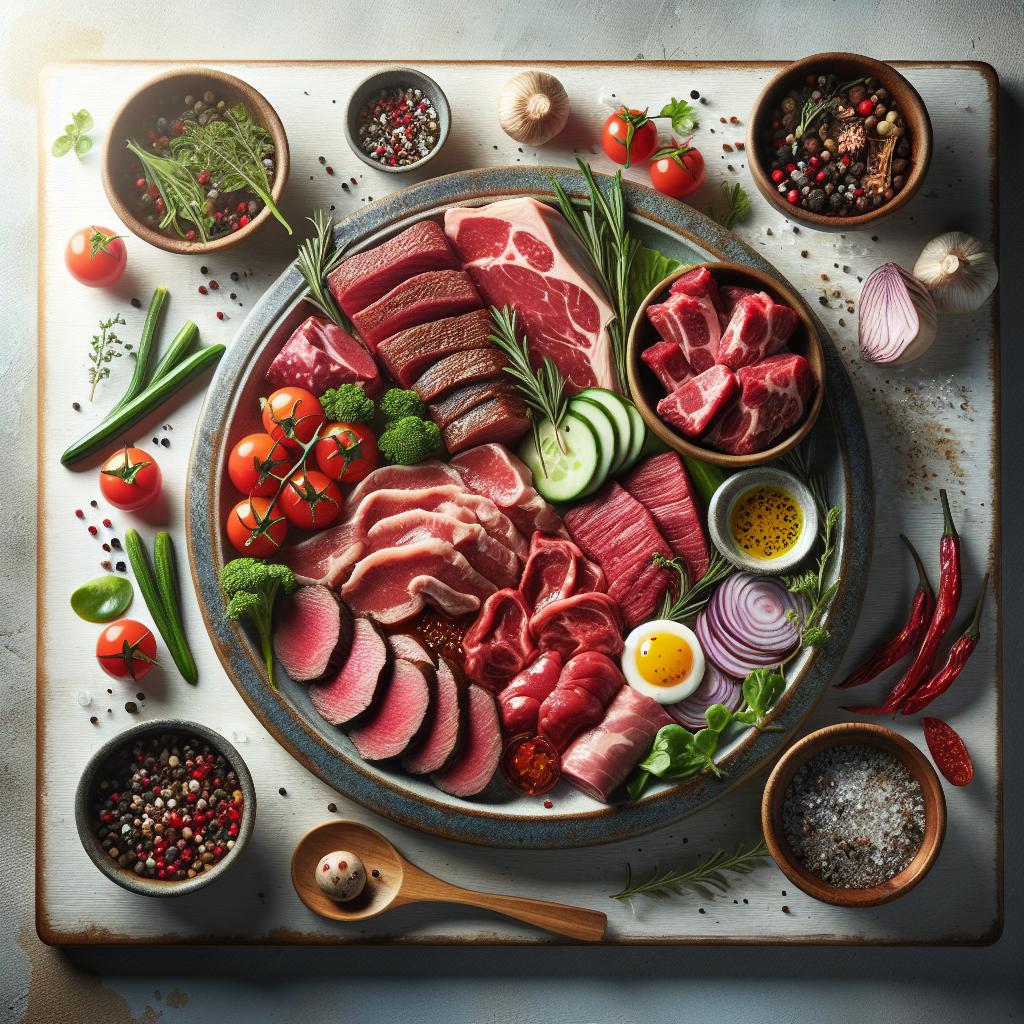

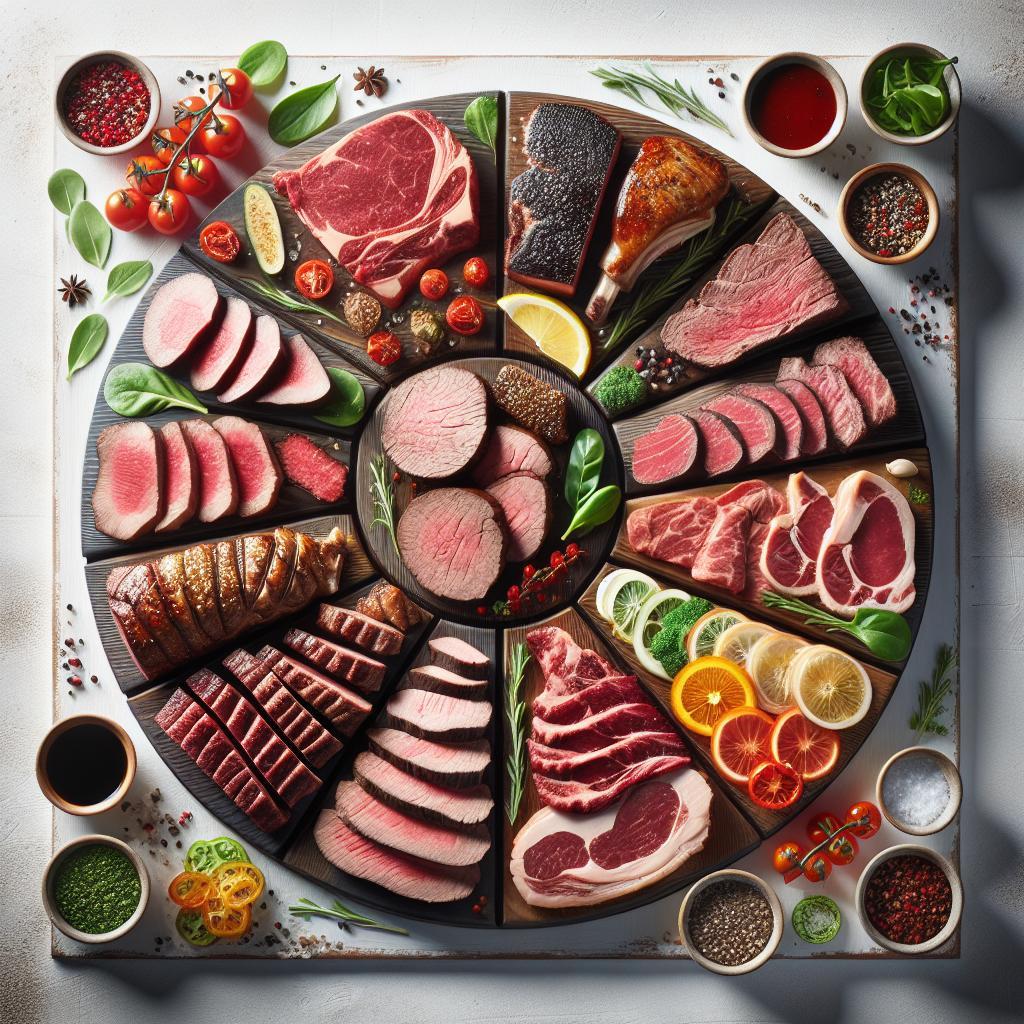

Beneath the sizzling surface of every steak and the tender fibers of each roast lies a fascinating world of microscopic architecture-an intricate dance of proteins that defines flavor, texture, and culinary potential. “Unlocking Meat Secrets: Protein Structures of Various Cuts” invites you on a journey beyond the butcher’s block, into the molecular heart of meat itself. By unraveling the complex protein compositions that distinguish a succulent ribeye from a hearty brisket, we’ll reveal how science and gastronomy intertwine, transforming humble cuts into mouthwatering masterpieces. Whether you’re a curious home cook or a seasoned chef, understanding these protein puzzles promises to elevate the way you savor-and select-your next bite.
Unlocking Meat Secrets: Protein Structures of Various Cuts
Unlocking meat secrets: protein structures of various cuts reveals the fascinating science that transforms humble slabs into culinary masterpieces. Understanding the unique protein compositions underlying different meat cuts empowers you to cook with precision, coaxing out tender textures and rich flavors in every bite. Whether you’re working with delicate tenderloin or robust brisket, the molecular blueprint shapes your approach to heat and seasoning, turning science into savory art.
Prep and Cook Time
Preparation: 20 minutes
Cooking: 3 hours (slow braise)
Yield
Serves 6 generously
Difficulty Level
Medium – perfect for inquisitive home cooks eager to apply science to taste
Ingredients
- 3 lbs chuck roast (well-marbled, ideal for slow cooking)
- 2 tbsp olive oil (for searing)
- 1 large onion, diced finely
- 4 cloves garlic, minced
- 2 cups beef broth, low sodium
- 1 cup red wine (optional, enhances depth of flavor)
- 2 sprigs fresh rosemary
- 2 sprigs fresh thyme
- 1 tbsp tomato paste
- 1 tsp smoked paprika
- Salt and freshly ground black pepper, to taste
- 2 medium carrots, sliced diagonally
- 2 celery stalks, chopped
Unlocking Meat Secrets: Protein Structures of Various Cuts – Step-by-Step Instructions
- Pat dry the chuck roast thoroughly; this ensures a perfect sear and prevents steaming.
- Season liberally with salt, pepper, and smoked paprika, massaging the spices into the meat fibers to enhance flavor absorption.
- Heat olive oil in a heavy-bottomed Dutch oven over medium-high heat. Sear the roast on all sides until deep golden brown, about 4 minutes per side. This Maillard reaction seals juices and builds complexity.
- Remove roast and set aside. In the same pot, add the diced onion, carrots, and celery. Sauté until softened and translucent, roughly 5-7 minutes, stirring frequently.
- Stir in garlic and tomato paste, cooking for 1 minute until fragrant.
- Deglaze the pot with red wine, scraping up browned bits from the bottom for added umami.
- Return the roast to the pot. Pour in beef broth and tuck rosemary and thyme sprigs around the meat.
- Bring to a gentle simmer before covering with a tight-fitting lid. Reduce heat to low and braise for 2.5 to 3 hours, or until meat is fork-tender and fibres begin to unravel.
- Rest the meat: Remove the roast and let it rest, covered loosely with foil, for 15 minutes to redistribute juices.
- Slice against the grain for the most tender mouthfeel, serving with the rich braising liquid spooned over.
Chef’s Notes and Tips for Success
- Protein Variations: This method excels with tougher, collagen-rich cuts like chuck or brisket, whose proteins convert to gelatin with slow cooking, imparting succulent texture.
- Substitutions: For a leaner option, try bottom round, but expect a slightly firmer bite; adjust braising time accordingly.
- Make Ahead: Braised meats improve overnight, allowing flavors and proteins to meld beautifully.
- Flavor Boost: Add dried porcini or shiitake mushrooms during braise for umami enhancement grounded in protein-rich fungi.
- Troubleshooting: If the final meat is tough, extend braising gently-collagen simply needs patience to break down.
Serving Suggestions
Serve sliced braised chuck atop creamy mashed potatoes or buttery polenta, garnished with fresh herb sprigs and a drizzle of the reduced braising liquid. Add vibrant roasted seasonal vegetables for contrast. Craft a bright salad with crisp greens and tangy vinaigrette to refresh the palate between bites.
| Nutrient | Per Serving |
|---|---|
| Calories | 450 kcal |
| Protein | 42 g |
| Carbohydrates | 10 g |
| Fat | 25 g |

Discover more on how protein structure impacts kitchen magic with our comprehensive guide to beef cuts, or dive into expert insights about the science of cooking from National Coffee Association, where transforming proteins is key in flavor development.
Q&A
Q&A: Unlocking Meat Secrets: Protein Structures of Various Cuts
Q1: Why does the protein structure in meat matter?
A1: Protein structure is the blueprint that determines meat’s texture, tenderness, and how it reacts to cooking. Understanding these microscopic fibers helps chefs and home cooks unlock the full potential of every cut – turning tough muscles into melt-in-your-mouth magic.
Q2: How do protein structures vary between different cuts of meat?
A2: Think of protein structures as the meat’s architectural design. Cuts from muscles that work hard, like brisket or shank, have dense, tightly packed collagen fibers making them tough but flavorful when cooked low and slow. In contrast, tenderloin’s proteins are loosely arranged, yielding a naturally tender bite even with quick cooking.
Q3: What role does collagen play in meat cuts?
A3: Collagen is the connective tissue glue binding muscle fibers. In cuts with high collagen, slow cooking transforms this tough protein into gelatin, creating luscious, juicy dishes. Low-collagen cuts have less connective tissue, so they shine best with faster, high-heat methods.
Q4: Can understanding protein structure help me cook meat better?
A4: Absolutely! Recognizing whether a cut is rich in collagen or primarily muscle fibers lets you choose the perfect cooking method. For example, tougher cuts need longer, gentle heat to break down collagen, while tender cuts demand precision cooking to preserve softness without drying out.
Q5: How does heat affect meat’s protein structures?
A5: Heat acts like a sculptor’s chisel, reshaping proteins. Moderate heat unravels proteins just right, tenderizing meat. Too much heat causes proteins to tighten excessively, squeezing out moisture and leading to dryness. Mastering this balance is key to meat mastery.
Q6: Are there any surprising cuts that have unique protein structures?
A6: Yes! Take skirt steak – its proteins run lengthwise, giving a robust chew but fantastic flavor when sliced thinly against the grain. Or pork belly, with its mixture of muscle and fat layers, creates a complex interplay of textures enhanced by slow roasting’s effect on proteins.
Q7: What should a curious cook remember when exploring meat’s protein secrets?
A7: Every cut tells a story through its protein makeup. Embrace patience with tough cuts and precision with tender ones. By decoding these microscopic mysteries, you transform ordinary meals into extraordinary experiences – because knowing meat’s secrets is the ultimate recipe for success.
Wrapping Up
As we’ve sliced through the science of muscle fibers and unraveled the intricate protein tapestry of different cuts, it becomes clear that meat is more than just a source of sustenance-it’s a complex symphony of structure and function. Understanding these protein secrets not only elevates our culinary prowess but also deepens our appreciation for the craftsmanship behind every steak, roast, or chop. Whether you’re a foodie, a chef, or simply curious, unlocking the mysteries of meat’s protein architecture invites us to savor each bite with newfound insight and respect. So next time you carve into your favorite cut, remember: you’re tasting the story of biology, chemistry, and tradition all woven together on your plate.