
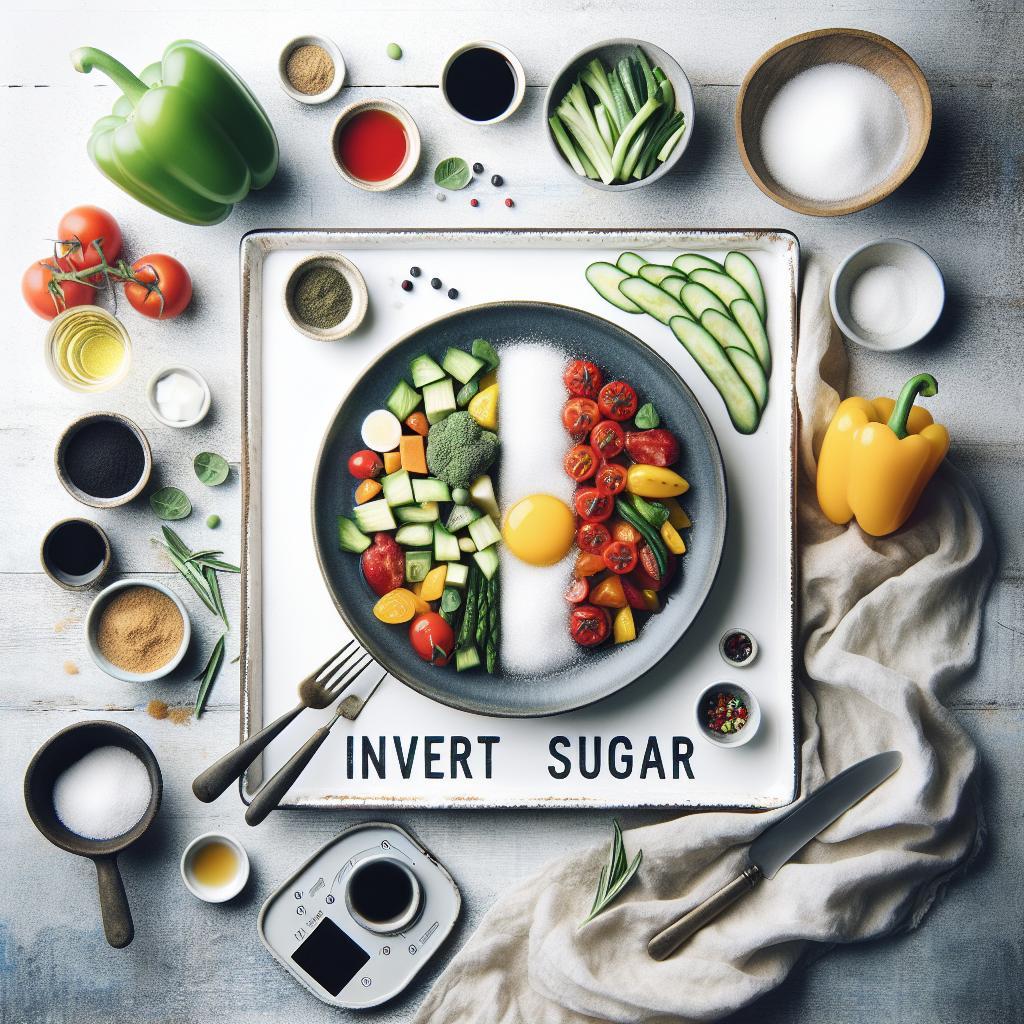

Imagine a sweet mystery hiding in your favorite treats-something more than just plain sugar. It’s a sugary secret that master bakers and confectionery artists swear by for adding smooth texture and irresistible flavor. Welcome to the world of invert sugar, a fascinating ingredient that’s transforming the way we taste sweetness. But what exactly is invert sugar, and why is it turning heads in kitchens and candy shops alike? Join us as we unlock the sweet science behind this liquid gold, revealing its origins, chemistry, and the magical role it plays in the art of sweetness.
Unlocking Sweet Science: What Exactly Is Invert Sugar? In the realm of baking and confectionery, the magic behind that luscious, silky sweetness often comes down to one secret ingredient: invert sugar. This unique syrup, crafted by breaking down sucrose into glucose and fructose, delivers unparalleled sweetness and texture unlike traditional table sugar. Its chemistry transforms ordinary recipes into soft, moist, and longer-lasting delights. Let’s explore how invert sugar can elevate your homemade treats with scientific precision and culinary artistry.
Prep and Cook Time
- Preparation: 10 minutes
- Cooking (syrup inversion): 30 minutes
- Cooling time: 20 minutes
Yield
Approximately 2 cups of invert sugar syrup
Difficulty Level
Medium – requires attention to temperature control and stirring
Ingredients
- 2 cups granulated sugar
- 1 cup water, divided
- ¼ teaspoon cream of tartar or ¼ teaspoon lemon juice
- ½ teaspoon baking soda, dissolved in 1 teaspoon water (added at the end)
Instructions
- Combine 1 cup water, granulated sugar, and cream of tartar in a heavy-bottomed saucepan. Stir gently to blend without splashing.
- Heat the mixture over medium heat, stirring occasionally until sugar dissolves completely.
- Bring syrup to a gentle simmer; reduce heat to low and maintain a steady simmer. Using a candy thermometer, monitor until the temperature reaches 236°F (soft ball stage).
- Once the desired temperature is achieved, pour in the baking soda solution carefully. The mixture will foam-stir gently to neutralize acidity and stop cooking.
- Remove from heat and allow the syrup to cool to room temperature. This thick, amber syrup is now your homemade invert sugar, rich with enhanced sweetness and moisture-retaining properties.
Chef’s Notes & Tips for Success
- For a smoother syrup, skim off any foam that forms during cooking.
- If you prefer a subtle citrus note, replace cream of tartar with fresh lemon juice.
- Invert sugar is highly hygroscopic; store it in a sealed glass container at room temperature to maintain optimal texture.
- Add invert sugar to doughs and batters in place of part of the regular sugar to enhance moisture retention and shelf life.
- While this process is straightforward, precise temperature control is key. Use a reliable candy thermometer to avoid caramelization.
Serving Suggestions
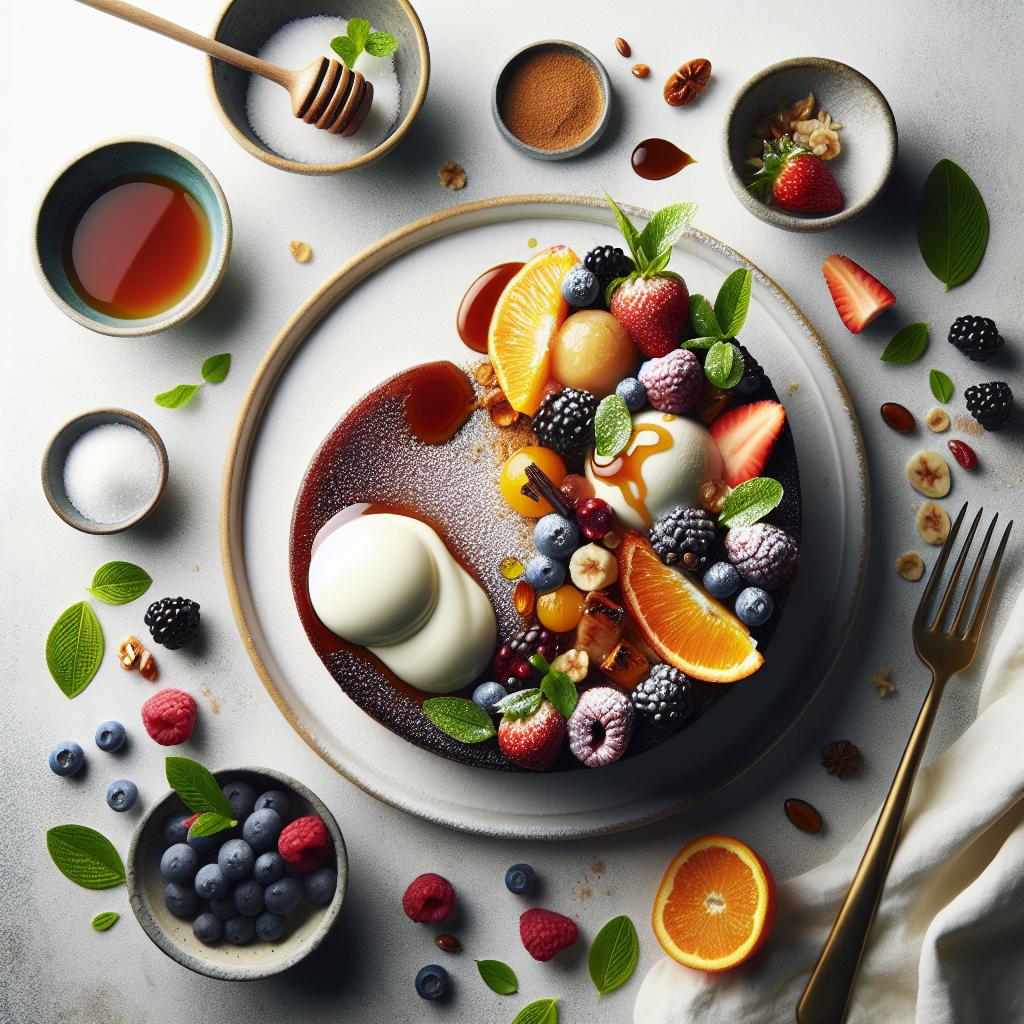
Use your crafted invert sugar to create irresistibly tender cakes, glossy icings, or chewy caramels. Drizzle over fresh fruit to deepen natural sweetness, or incorporate into homemade jams for a smoother set. Garnish desserts with a sprinkle of edible gold dust or delicate fresh herbs to elevate presentation and captivate guests.
| Nutrient | Per 1 Tbsp (20g) | Value |
|---|---|---|
| Calories | 60 | kcal |
| Carbohydrates | 16 | g |
| Protein | 0 | g |
| Fat | 0 | g |

Discover additional insights on sugar chemistry and baking techniques in our comprehensive sugar science guide. For an authoritative perspective on invert sugar’s role in food technology, visit Institute of Food Technologists.
Q&A
Q&A: Unlocking Sweet Science: What Exactly Is Invert Sugar?
Q1: What is invert sugar, really?
A1: Invert sugar is a sweet syrup made by splitting regular table sugar (sucrose) into its two simpler components: glucose and fructose. This “inversion” happens when sucrose reacts with water and an acid or enzyme, breaking down the bond that ties the sugar molecules together.
Q2: Why is it called “invert” sugar?
A2: The name comes from a clever little optical trick. When sucrose dissolves in water, it rotates plane-polarized light in a certain direction. After the sugar is “inverted” into glucose and fructose, the direction of this light rotation flips, or “inverts.” Hence, invert sugar!
Q3: How does invert sugar differ from regular sugar?
A3: Unlike table sugar, which is a crystalline solid, invert sugar is a liquid syrup. It’s sweeter, attracts moisture better, and resists crystallization, which makes it a favorite for bakers and candy makers looking for smooth textures and prolonged freshness.
Q4: Where do you find invert sugar in everyday life?
A4: It’s hiding in many of your favorite treats-like soft cookies, creamy ice creams, honey substitutes, and even some commercial beverages. Its ability to maintain moisture and enhance sweetness makes it a silent but essential ingredient in countless recipes.
Q5: Is invert sugar healthier than table sugar?
A5: Nutritionally, invert sugar has roughly the same calorie count as regular sugar. However, because it’s sweeter, you might use less of it. Still, moderation is key-too much sugar of any kind isn’t a friend to your health.
Q6: Can I make invert sugar at home?
A6: Absolutely! By gently heating sugar with water and a bit of lemon juice or cream of tartar, you can create your own invert syrup. Just be patient and keep the temperature low to prevent caramelization.
Q7: What’s the sweet science lesson here?
A7: Invert sugar showcases how a tiny molecular change can alter the flavor, texture, and preservation qualities of a sweetener. It’s a delicious dance of chemistry and culinary art that sweetens our world in subtle but powerful ways.
In Summary
As we’ve unraveled the sticky secrets behind invert sugar, it becomes clear that this sweet marvel is much more than just a sugary ingredient. A clever blend of science and sweetness, invert sugar not only enhances flavor and texture but also plays a pivotal role in the culinary alchemy of countless treats. Whether you’re a curious foodie, a devoted baker, or simply someone who appreciates the magic behind your favorite sweets, understanding invert sugar unlocks a new appreciation for the art and science of sugar itself. So next time you savor that soft cookie or luscious syrup, remember-the sweetness you enjoy is a finely crafted symphony of sugar molecules working in perfect harmony. Sweet science, indeed!