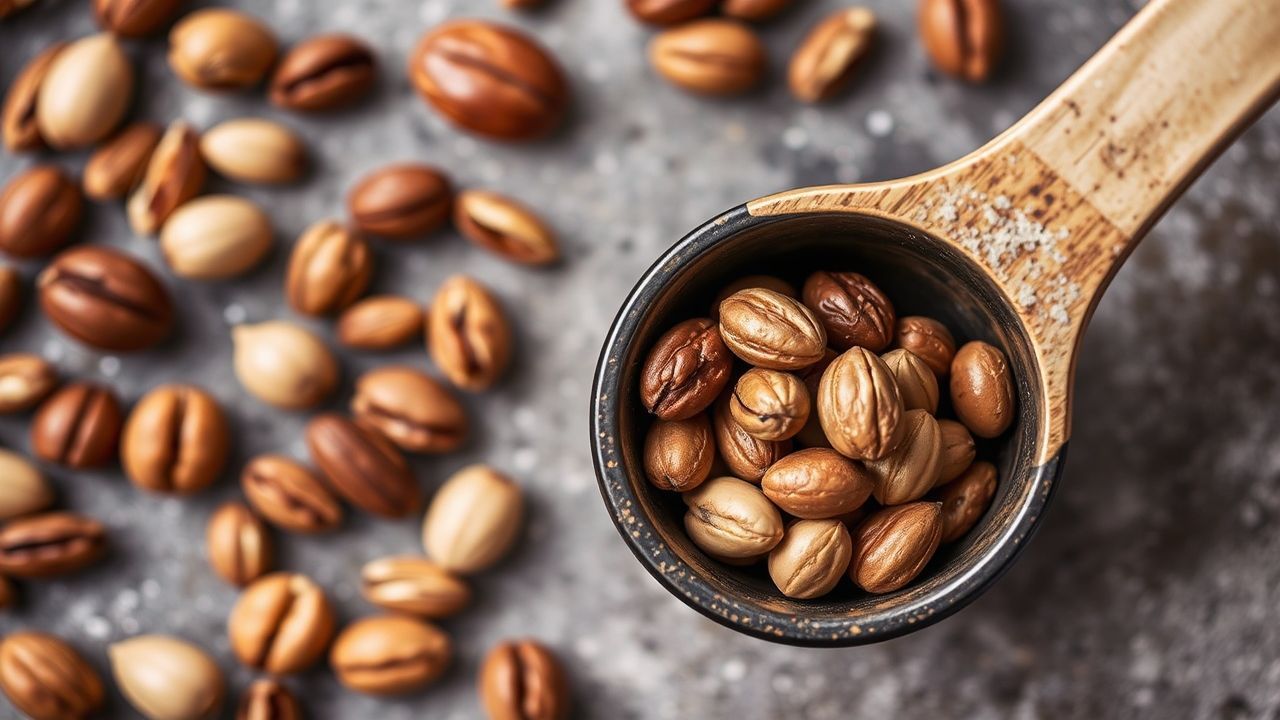

Toasting transforms ordinary nuts and seeds into aromatic, textural powerhouses. Heat triggers chemical pathways that create new volatile molecules, crisp fats, and intensified tastes.
- Toasting activates Maillard and caramelization chemistry to produce nutty, roasted aromatics.
- Temperature and time control determine whether flavors develop or burn.
- Toasting alters lipids and antioxidants, slightly changing nutritional and sensory profiles.
The chemistry behind toasted flavor
The dominant processes during toasting are the Maillard reaction and caramelization. First, amino acids and reducing sugars react under heat to form hundreds of flavor compounds, including pyrazines and furans that deliver roasted, savory notes.
Second, sugars undergo thermal breakdown to create caramel notes and brown pigments. Meanwhile, gentle heat releases essential oils from the kernel matrix, increasing perceived richness and aroma.
Heat, time, and temperature: controlling the outcome
Precise control of temperature and exposure time prevents off-flavors. Generally, lower temperatures encourage slow Maillard development, whereas higher temperatures speed reactions but risk bitter char.
Most nuts toast well between 300°F and 350°F (150–175°C). However, size, surface area, and fat content shift the ideal window. For example, small seeds heat and brown far faster than large almonds.
Practical toasting times and a quick reference
Use visual and olfactory cues: a light golden hue and warm, nutty aroma indicate doneness. Remove nuts immediately and cool on a metal sheet to stop thermal carryover.
Below is a concise table for home roasting guidelines. Always preheat and watch closely, since ovens and pans vary.
| Type | Temp | Time | Notes |
|---|---|---|---|
| Almonds | 325–350°F | 8–12 min | Stir once for even browning |
| Walnuts | 300–350°F | 6–9 min | Shorter time reduces bitterness |
| Sesame seeds | 325°F | 1–4 min | Quick; watch for rapid color change |
How toasting changes nutrition and fats
Fats in nuts and seeds oxidize when heated, altering mouthfeel and aroma. The major lipid classes in kernels respond differently; triacylglycerols provide texture, while minor components affect flavor release.
Controlled toasting preserves most macronutrients. Some heat-sensitive antioxidants decline, yet improved flavor can increase consumption and dietary uptake of beneficial fats and fiber. For background on lipid chemistry consult the lipid overview.
Practical techniques for predictable results
Use a single layer on a sheet pan or a dry skillet for the most even heat transfer. Stirring every few minutes prevents hot spots and allows uniform browning.
For small batches, pan toasting gives quick feedback. For larger volumes, roast on a tray in a preheated oven and rotate the tray halfway through the cycle for consistency.
Keep kernels cool immediately after toasting to halt further chemical reactions. Cooling preserves the crisp texture and stops bitter compounds from forming as the product carries residual heat.
Applications in recipes and kitchen uses
Toasted nuts and seeds enhance sauces, salads, and bakery products by adding roasted aromatics and crunchy texture. Use toasted sesame to finish dishes or toasted almonds ground into coatings for proteins.
To experiment, substitute toasted nut crumbs for breadcrumbs in crusts, or blend toasted seeds into dressings for depth. For technique guides, see internal resources such as how to toast nuts and nut and seed recipes for application ideas.
Quality control: spotting over-roast and rancidity
Over-roasted nuts taste sharp, bitter, or burnt. Volatile markers such as acrolein or high levels of oxidized lipids produce unpleasant off-notes. Sensory checks are reliable: smell and small taste tests detect problems quickly.
Store toasted nuts in cool, dark conditions. For longer life, freeze in airtight containers. Keep portions small to maintain freshness and peak flavor.
FAQ
Q: Why does the Maillard reaction matter for nuts?
The Maillard reaction generates hundreds of flavor molecules from amino acids and sugars. These compounds create the roasted, savory notes typical of toasted nuts and increase perceived complexity.
Q: Can I toast nuts in a microwave?
You can, but microwaves heat unevenly and do not brown via Maillard at the same rate as dry heat. Use short bursts, stir frequently, and finish in a dry skillet if color development is insufficient.
Q: Does toasting reduce allergens?
Toasting does not eliminate protein allergens. Heat alters protein structure, but it rarely removes antigenic sites responsible for allergic reactions. People with allergies should avoid nuts regardless of preparation.
Q: Are raw nuts better than toasted for health?
Both raw and toasted nuts provide beneficial fats, fiber, and micronutrients. Toasting slightly reduces some heat-sensitive antioxidants, but benefits of increased palatability and intake often outweigh minor losses.
Q: How can I recreate a restaurant’s deep roast at home?
Layer techniques: start low to develop Maillard compounds, then finish with a short, higher-heat blast to build color without burning. Practice with small batches and note times for your oven or pan.
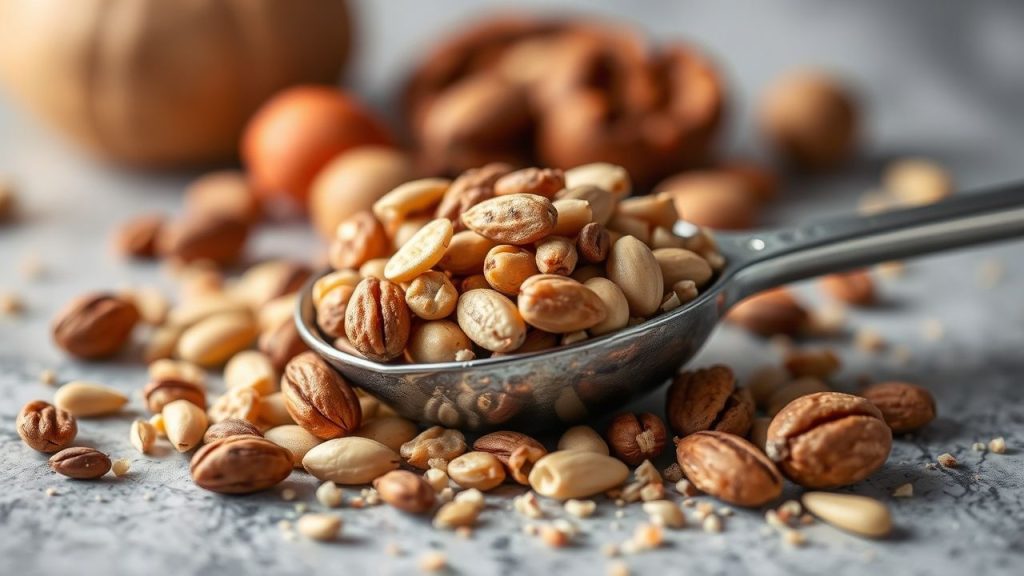
Understanding the science behind toasting empowers deliberate technique and consistent results. Use controlled heat, sensory cues, and appropriate storage to turn pantry staples into bright, roasted flavor components that elevate dishes across cuisines.
See also: Toasting Nuts