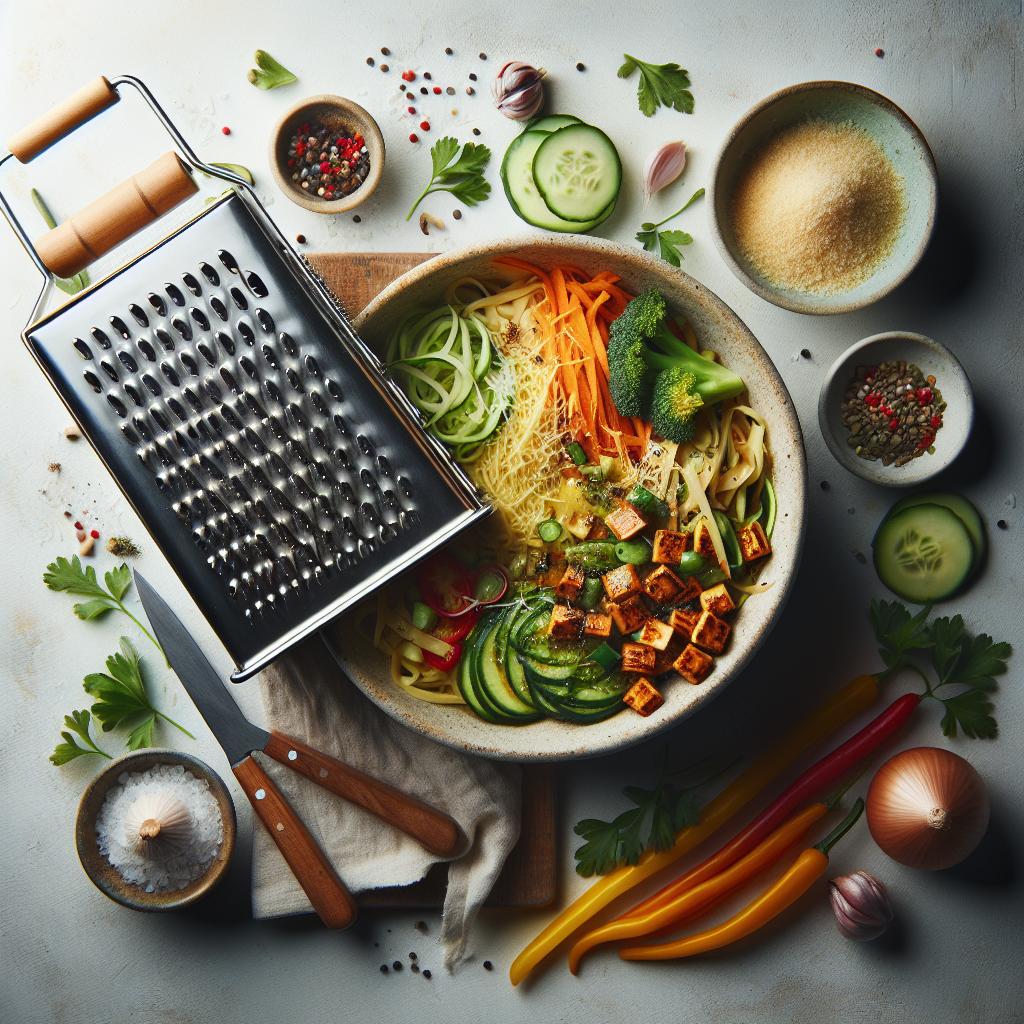


In the heart of every kitchen lies a humble hero – the box grater. With its unassuming block shape and four distinct faces, it’s a culinary Swiss Army knife that can transform a simple block of cheese, a stubborn carrot, or a zesty lemon peel into an array of textures and flavors. But have you ever paused to wonder about the science etched into each side? Beyond its sharp edges and perforated surfaces lies a fascinating story of design, friction, and precision. Join us as we peel back the layers and unveil the science behind each side of a box grater – where form, function, and physics gratefully collide.
Unveiling the Science Behind Each Side of a Box Grater: Mastering Texture and Efficiency
Understanding the unique functions of each grater side unlocks a world of culinary possibilities that enhance both flavor and presentation in your dishes. The box grater, often overlooked as a simple kitchen tool, is in fact a precision instrument designed to manipulate texture and volume, marrying science with artistry to elevate your cooking experience.
Prep and Cook Time
- Preparation: 10 minutes
- Cooking/Assembly: Varies by recipe, typically 15-20 minutes
Yield
- Yields approximately 4 servings (adjustable based on recipes)
Difficulty Level
- Easy to Medium – Perfect for beginner cooks and seasoned chefs looking to refine their approach
Ingredients
- 1 cup sharp cheddar cheese, shredded (using the medium slicing side)
- 2 medium carrots, peeled
- 1 small zucchini, washed
- 1 lemon, zested (using the fine grating side)
- 1 garlic clove, finely grated
Instructions
- Select the appropriate grater side: Begin by choosing the coarse or medium shredding side for cheese and firm vegetables. This produces robust strands that melt beautifully or provide textural contrast.
- Grate vegetables with a steady rhythm: For carrots and zucchini, use the flat slicing side to achieve thin ribbons perfect for salads or garnish. Apply even pressure to avoid injury and to produce consistent cuts.
- Employ fine grating for aromatics: The smallest holes are ideal for zesting citrus or grating garlic cloves. This releases essential oils and distributes flavor evenly, enhancing depth in your dishes.
- Experiment with efficiency: Combine grated ingredients to build layered textures-coarse cheese paired with finely grated lemon zest creates an explosion of taste and mouthfeel.
- Safety tip: Always hold the grater securely on a non-slip mat or cutting board; tap with fingertips to maximize yield without risking knuckle injury.
Chef’s Notes
- For firmer cheeses like Parmesan, use the fine grating side to achieve a snowy texture that melts into sauces.
- When grating soft produce such as tomatoes or peaches, freeze them briefly to firm up the flesh for cleaner grates.
- If your grater clogs, gently tap it bottom side down to release stuck shreds, maintaining a smooth workflow.
- To prepare in advance, store grated elements separately in airtight containers to retain freshness and prevent flavor crossover.
Serving Suggestions
- Sprinkle medium-shredded cheese over casseroles or warm pasta dishes for melty richness and appealing texture.
- Use fine grated lemon zest and garlic atop grilled seafood or roasted vegetables to impart vibrant aroma and layered flavors.
- In salads, combine thin ribbons of zucchini or carrots with toasted nuts and a light vinaigrette for a refreshing presentation.
| Nutrient | Amount per 100g | Notes |
|---|---|---|
| Calories | 150 kcal | Cheese and grating impact density |
| Protein | 10 g | Higher when cheese is grated finely |
| Carbohydrates | 5 g | Vegetables contribute fiber |
| Fat | 12 g | Varies by cheese type |
For more expert tips on kitchen tools, check out our Ultimate Guide to Kitchen Tools. To deepen your understanding of food science behind texture, visit ScienceDaily’s Food Texture Research.

Q&A
Q&A: Unveiling the Science Behind Each Side of a Box Grater
Q1: What exactly is a box grater, and why does it have multiple sides?
A box grater is a kitchen tool designed to shred, slice, and grate food. Its four distinct sides each serve different purposes, offering versatility and precision in food preparation. This multi-faceted design caters to various textures and cutting techniques, making it an indispensable gadget.
Q2: How does the size and shape of the grating surfaces affect the texture of food?
Each side features a unique hole pattern and size, directly influencing how the food breaks down. Larger holes yield coarser shreds ideal for cheese toppings or veggie slaws, while finer grating surfaces produce delicate textures perfect for zesting citrus or grating hard spices like nutmeg.
Q3: What’s the science behind the cutting mechanism? Why do the teeth on each side differ?
The teeth are engineered based on the type of shear force needed. Larger, punch-like holes tear through foods with ample moisture, while smaller, sharp-edged perforations slice finely, minimizing cell damage and preserving flavor. The teeth’s sharpness, angle, and spacing optimize efficiency, reducing effort and heat buildup.
Q4: Can the sides of a box grater affect the flavor release in grated ingredients?
Absolutely! The surface impacts how cells in food are broken. Finer graters create smaller particles which release more surface area, enhancing aroma and taste, especially in ingredients like garlic or ginger. Coarser graters keep more texture intact, which can influence mouthfeel and cooking behavior.
Q5: Is there a best side for specific ingredients?
Yes! For soft cheeses like mozzarella, the coarse shredding side is ideal. The fine grating side shines when used with hard cheeses, zesting citrus, or even grating chocolate. The slicing side excels at creating thin vegetable ribbons, and the medium grating side is perfect for firm vegetables like carrots or potatoes.
Q6: Can understanding the science behind each side improve cooking results?
Certainly. When you match the grating surface to the ingredient and desired texture, you unlock better flavor integration, consistent cooking times, and appealing presentation. Grating finely can speed melting or infuse dishes quickly, while coarse grating adds crunch and visual contrast.
Q7: How does the material of the box grater influence its performance?
Most box graters are made from stainless steel, which maintains sharpness, resists corrosion, and keeps the teeth precise. A well-crafted grater ensures a smoother cutting action and less resistance, preserving both ingredient integrity and user comfort.
Q8: Any tips for maintaining the efficiency of each side?
Regular cleaning prevents food residue build-up that dulls the teeth. Using a brush or cleaning tool avoids damaging delicate edges. Storing in a dry place and handling gently prolong the life of the grater’s sharpness.
Q9: Why does the grater sometimes feel harder to use on certain sides?
Different teeth designs require varied motion and pressure. The fine grater demands delicate, controlled movements, while the coarser side needs more force but less precision. Understanding these mechanics can reduce wrist fatigue and improve safety.
Q10: What’s the takeaway message about the science behind box graters?
The humble box grater is a marvel of culinary engineering. Each side embodies a balance of physics, material science, and ergonomics aimed at transforming ingredients with ease and precision. Appreciating these secrets turns everyday cooking into a mindful, flavorful adventure.
The Conclusion
As we peel back the layers of the humble box grater, it becomes clear that each side is a masterstroke of culinary engineering-designed not just to shred, slice, or zest, but to transform ingredients and unlock flavors in distinct ways. From the fine grater that teases out the delicate essence of citrus peel to the coarse shredder that gives vegetables their perfect texture, every surface tells a story of science meeting kitchen art. So next time you reach for this unassuming tool, remember: you’re wielding a carefully crafted instrument, calibrated to elevate your cooking with precision and purpose. The box grater, often overlooked, truly deserves its place as a staple in the science-and soul-of the kitchen.