
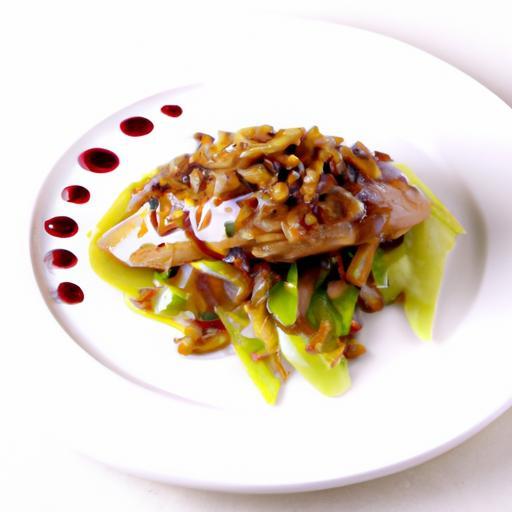

In the bustling world of cooking, where flavors dance and aromas weave stories, there lies a humble hero often overlooked-a mysterious element that forms the very backbone of countless dishes. Enter the “fond,” a term whispered in professional kitchens yet scarcely understood beyond culinary circles. But what exactly is a fond? More than just a fancy word, it’s the secret to unlocking depth, richness, and complexity in your cooking. Join us as we peel back the layers and unveil the secret behind fond, turning a kitchen enigma into your next favorite flavor foundation.
Fond foundations are the culinary backbone of flavor, elevating even the simplest dishes into masterpieces with their rich, caramelized depth. In professional kitchens and home stoves alike, mastering fond creation techniques unlocks a world of taste possibilities-from luscious pan sauces to deeply aromatic stocks. This secret ingredient is not just a residue; it’s an essential element that breathes life into your meals and transforms them into gastronomic gold.
Prep and Cook Time
- Preparation Time: 10 minutes
- Cooking Time: 30 minutes (varies by recipe)
Yield
- Approximately enough fond for sauces serving 4-6 people
Difficulty Level
- Medium – requires attention but is well within reach for passionate home cooks
Ingredients
- 2 tbsp vegetable oil or butter (for fond formation)
- 1 lb meat or poultry with skin/bones (optional for richer fond)
- 1 cup diced onions
- 1 cup chopped carrots
- 1 cup celery, chopped
- 2 cloves garlic, minced
- 1/2 cup dry white wine or broth (to deglaze)
- 4 cups water or stock (for extending fond into sauces or stocks)
- Salt and freshly ground black pepper, to taste
- Fresh herbs (thyme, bay leaf, parsley stems), optional
Instructions
- Heat oil or butter in a heavy-bottomed skillet or roasting pan over medium-high heat until shimmering.
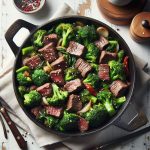
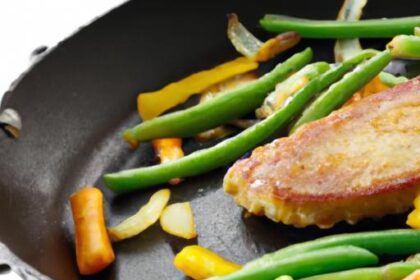
- Place meat or poultry into the hot pan, skin or side down, and allow it to brown without moving for about 5-7 minutes. This initial sear is essential for developing the fond-a complex brown crust of caramelized proteins and sugars.
- Turn the protein and brown the other side similarly, ensuring even color and rich flavor.
- Remove the browned meat from the pan and set aside, leaving the fond stuck to the pan surface.
- Add onions, carrots, celery, and garlic to the pan, stirring frequently. Cook until vegetables soften and begin to take on golden edges, about 8-10 minutes-this step deepens the fond further by incorporating sweet, aromatic layers.
- Deglaze the pan by pouring white wine or broth slowly, scraping the bottom with a wooden spoon to lift all fond particles. These dissolved collectibles form the flavor base for the next steps.
- Add fresh herbs and water or stock, then bring to a gentle simmer to extract flavors thoroughly. Let it reduce slightly, concentrating the essence of the fond and aromatics.
- Strain the liquid through a fine sieve, discarding solids (or blending for a rustic sauce). This precious fond-infused liquid becomes the foundation for sauces, gravies, or stocks.
- Season with salt and pepper to taste. Use immediately or refrigerate for later use.
Tips for Success
- Use a heavy skillet or roasting pan to distribute heat evenly, preventing burning.
- Make sure the pan is hot before adding meat; this ensures the fond forms properly and doesn’t stew.
- Don’t overcrowd the pan during browning; give proteins room to caramelize fully.
- Discard excess fat if too much accumulates, but leave enough to build fond.
- Adding a splash of acid like wine or vinegar when deglazing enhances flavor complexity and helps dissolve the fond.
- For vegetarian fond, use mushrooms, caramelized onions, and roasted vegetables for rich flavor bases.
- Make-ahead: Fond-infused stocks and sauces can be refrigerated for up to 3 days or frozen for up to 1 month.
Serving Suggestions
Transform your dishes by spooning pan sauces directly over roasted meats or sautéed vegetables. Use fond-based stocks as a luxurious base for soups or risottos. Garnish with a sprinkle of fresh herbs like parsley or chives to brighten the dish and contrast the deep umami flavors. A drizzle of good-quality olive oil or a pat of herb butter can add an inviting gloss to fond-infused sauces before serving, inviting both eyes and palate to savor the moment.
| Nutrient | Per Serving |
|---|---|
| Calories | 45 |
| Protein | 1g |
| Carbohydrates | 3g |
| Fat | 3.5g |
For further inspiration and techniques on enhancing your culinary skills with fundamental flavor building, check out our article on Building Flavors with Classic Bases. To understand the science behind fond and browning reactions in cooking, visit Serious Eats’ detailed guide.

Q&A
Q&A: Unveiling the Secret-What Exactly Is a Fond in Cooking?
Q: What is a fond in the world of cooking?
A: Fond, derived from the French word meaning “base” or “foundation,” is the flavorful browned bits and caramelized drippings that cling to the bottom of a pan after searing meat or vegetables. It’s the secret treasure that chefs harness to build depth and richness in sauces, gravies, and braises.
Q: Why do these browned bits form?
A: When you cook proteins or vegetables over high heat, the natural sugars and proteins undergo a chemical reaction called the Maillard reaction. This process creates those irresistible brown bits-the fond-that pack a punch of umami and complexity.
Q: How do chefs use fond in their cooking?
A: After sautéing or roasting, chefs deglaze the pan by adding a liquid like wine, broth, or vinegar. This loosens the fond from the pan’s surface, creating a flavorful base that can be simmered down into a luscious sauce or gravy that elevates the dish.
Q: Can fond be created with all types of foods?
A: While most commonly associated with meats, fond can also form when cooking vegetables such as mushrooms, onions, or eggplant. The key is achieving that delicious browning without burning, which unlocks the natural flavors.
Q: Is fond the same as stock or broth?
A: Not exactly. Fond is the concentrated flavor left in the pan after sautéing or roasting, while stock or broth is a liquid made by simmering bones, meat, or vegetables in water over time. Fond is often the starting point for making a sauce that complements the main dish.
Q: How can I make the most of fond at home?
A: Cook your proteins or veggies on medium-high heat, allowing them to brown without burning. Once your food is cooked, remove it and pour a splash of wine, broth, or even water into the hot pan. Scrape up those browned bits with a wooden spoon-the magic is in these flavorful morsels. Simmer the liquid to reduce and intensify it, then incorporate it into your dish for a burst of gourmet taste.
Q: Any tips to avoid common fond mistakes?
A: Avoid overcrowding your pan, as this causes steaming rather than browning. Also, resist the urge to stir constantly; give the food time to develop that rich crust. Lastly, be cautious not to burn the fond-bitterness can ruin the flavor.
Q: Why is fond considered a “secret” in cooking?
A: Fond is often overlooked by casual cooks because it hides at the bottom of the pan, subtle and unassuming. Yet, those caramelized droplets hold a world of flavor potential-unlocking it turns simple meals into culinary masterpieces. It’s the hidden gem that transforms good cooking into great cooking.
Final Thoughts
As we lift the curtain on fond-the humble yet mighty cornerstone of culinary magic-we discover it’s far more than just browned bits at the bottom of a pan. Fond is the flavor-packed treasure trove that transforms simple ingredients into unforgettable dishes. By mastering the art of fond, chefs turn everyday meals into rich, savory experiences that linger long after the last bite. So next time you see those caramelized morsels clinging to your skillet, remember: you’re not looking at residue, but the very essence of delicious possibility waiting to be released. Embrace the secret of fond, and let your cooking tell a story of depth, flavor, and culinary alchemy.