
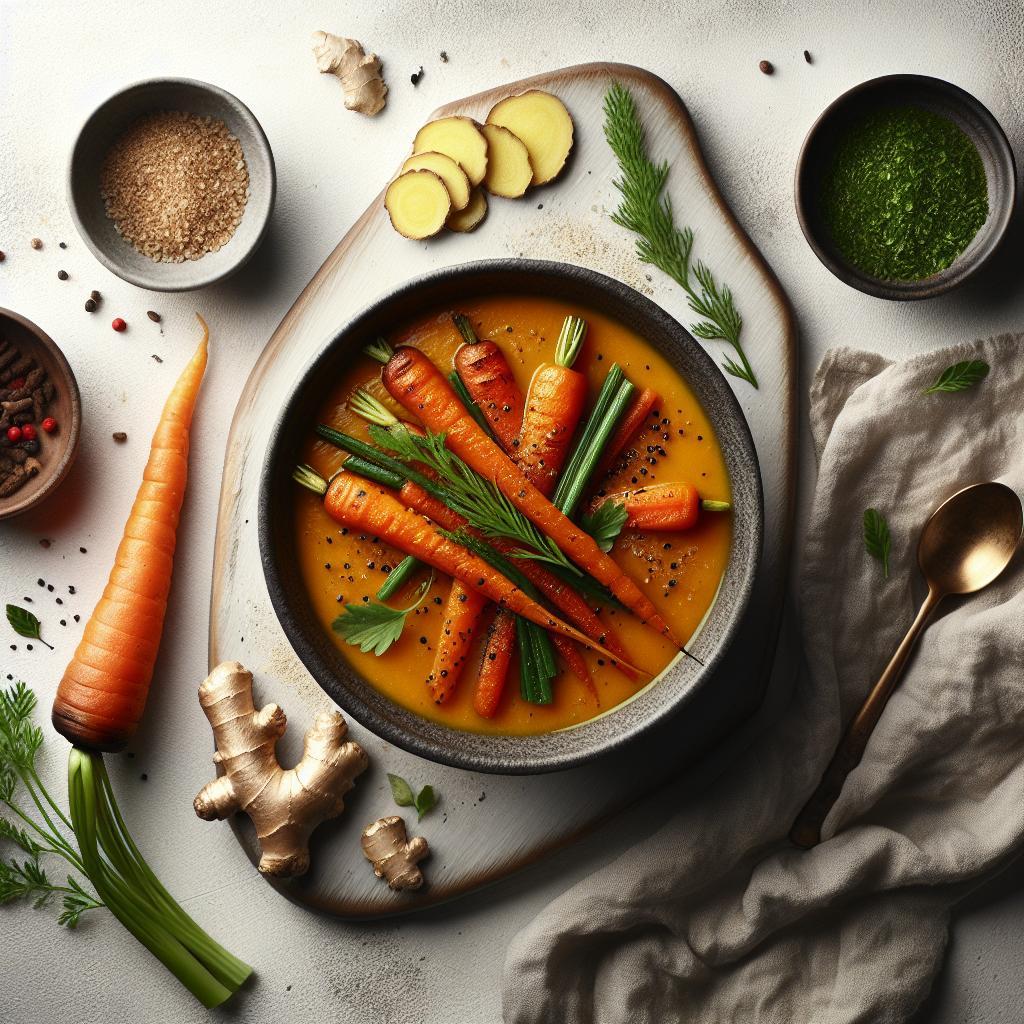

As the crisp chill of the season settles in, a steaming bowl of zesty roasted carrot soup comforts both palate and body. This roasted carrot soup highlights slow-roasted carrots and freshly grated ginger, producing a bright, golden purée that balances natural sweetness and warming spice.
- Exploring the Vibrant Flavors of Roasted Carrot Soup
- Health Benefits and Nutritional Highlights of Carrot Soup Ingredients
- Step-by-Step Guide to Perfectly Roasted Carrots for a Rich Carrot Soup Base
- Prep, Timing, Yield, and Difficulty for This Carrot Soup
- Ingredients
- Instructions
- Tips for Success
- Flavor Enhancements: Herbs, Spices, and Garnishes
- Serving Suggestions
- Nutritional Snapshot
- Insights and Practical Notes on Carrot Soup Technique
- FAQ
- Roast for depth: High-heat roasting caramelizes carrots for richer soup flavor.
- Ginger balances sweetness: Fresh ginger adds aromatic heat and digestive benefits.
- Simple technique: Roast, sauté aromatics, simmer, then blend for a silky texture.
Exploring the Vibrant Flavors of Roasted Carrot Soup
Roasted carrots concentrate sugars and gain a toasty edge that lifts a carrot soup from simple to layered. The roasting process promotes browning reactions that add savory depth as well as sweetness.
Those browning reactions follow known chemical pathways such as the Maillard reaction, which explains why high dry heat produces complex aroma compounds. Understanding this helps you control oven temperature and time to optimize flavor without burning.
Health Benefits and Nutritional Highlights of Carrot Soup Ingredients
Carrots provide beta-carotene, converted by the body to vitamin A, supporting vision and immune function. For a concise overview of carrot nutrition and varieties, see carrot.
Ginger contributes anti-inflammatory compounds like gingerols and aids digestion; its bright heat complements the carrot’s sweetness. Learn more about the root’s botanical history at ginger.
Step-by-Step Guide to Perfectly Roasted Carrots for a Rich Carrot Soup Base
Start with uniform 1-inch pieces for consistent roasting and even caramelization. Toss the carrots in a neutral oil and spread them in a single layer to avoid steaming and to encourage color development.
Use a cooking oil with a suitable smoke point; extra-virgin olive oil works well for flavor and is widely used in temperate-heat roasting—see olive oil for culinary notes. Roast at 425°F (220°C) for roughly 30 minutes, turning once to brown evenly without charring.
Prep, Timing, Yield, and Difficulty for This Carrot Soup
Preparation: 15 minutes active. Roasting: 30 minutes. Simmering: 20 minutes. Total time roughly 65 minutes, which scales well for batch cooking and freezing portions for later use.
Yield: Serves 4 generous bowls. Difficulty: Easy. The method favors consistent, repeatable steps: roast, sauté, simmer, blend. Even novice cooks can execute this carrot soup with predictable results.
Ingredients
Choose firm, fresh carrots and freshly grated ginger for the best aromatic lift. A quality vegetable broth and a good extra-virgin oil will significantly influence the final flavor and mouthfeel of the carrot soup.
Ingredients list (serves 4):
- 1.5 pounds carrots, peeled and cut into 1-inch pieces
- 2 tablespoons extra-virgin olive oil
- 1 large onion, chopped
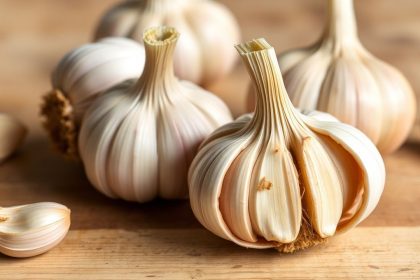
- 3 cloves garlic, minced
- 2 tablespoons freshly grated ginger
- 4 cups low-sodium vegetable broth
- 1 teaspoon fresh thyme leaves (or 1/2 teaspoon dried thyme)
- 1/2 teaspoon ground cumin
- Salt and freshly ground black pepper, to taste
- Juice of half a lemon
- Fresh parsley or chives, finely chopped for garnish
Instructions
1. Preheat your oven to 425°F (220°C). Spread the peeled and chopped carrots in a single layer on a baking sheet. Drizzle with 2 tablespoons olive oil and sprinkle with salt, then toss to coat evenly.
2. Roast the carrots for 30 minutes, turning once, until tender and caramelized. Remove from the oven and let them cool slightly before transferring to the pot. Caramelized carrots are the backbone of a rich, savory carrot soup.
3. Sauté the aromatics: While the carrots roast, heat a large pot over medium heat with a splash of olive oil. Sauté the chopped onion until translucent, then add garlic and grated ginger and cook until fragrant, about 2 minutes.
4. Combine and simmer: Add the roasted carrots, thyme, and cumin to the pot. Pour in the vegetable broth, bring to a gentle boil, then reduce heat and simmer uncovered for 20 minutes to meld the flavors.
5. Purée and finish: Use an immersion blender to purée the soup directly in the pot until smooth. Alternatively, carefully process in batches in a blender. Adjust seasoning and stir in lemon juice to brighten the carrot soup before serving.
6. Serve: Ladle into bowls and garnish with chopped herbs and toasted seeds. Serve warm with crusty bread or a crisp green salad for a balanced meal.
Tips for Success
Roast extra: Cooked carrots freeze well and speed up future batches. This is useful for meal prep and reduces hands-on time when you want carrot soup quickly on weeknights.
Adjust ginger intensity: Start with 1 tablespoon if you prefer mild warmth, then increase gradually. Fresh ginger delivers more aromatic heat than powdered forms and integrates cleanly into the carrot soup.
Flavor Enhancements: Herbs, Spices, and Garnishes
Add aromatic herbs like fresh thyme or rosemary while simmering to layer herbal fragrance into the stock. A small pinch of ground cumin or coriander introduces warmth and complexity without overpowering the carrot’s sweetness.
Finish the soup with a bright acid—lemon juice or a splash of vinegar—to sharpen flavors. For texture, sprinkle toasted pumpkin seeds or chopped toasted almonds on top to create contrast to the smooth purée.
Serving Suggestions
Present this carrot soup with a swirl of herb-infused oil or a dollop of coconut yogurt for contrast. Toasted seeds or nuts introduce a crunchy element that makes the bowl feel complete.
Pair the soup with a grain salad or whole-grain bread for a more substantial vegetarian meal. A lemon wedge on the side allows diners to amplify acidity to taste.
Nutritional Snapshot
This recipe produces a light, vegetable-forward bowl roughly in the 140–160 kcal range per serving, depending on oil and garnish choices. It provides modest protein and fiber with low saturated fat when prepared with plant-based cream alternatives.
Below is a simple per-serving table to guide portion expectations.
| Nutrient | Per Serving |
|---|---|
| Calories | 150 kcal |
| Protein | 3 g |
| Carbohydrates | 28 g |
| Fat | 5 g |

Insights and Practical Notes on Carrot Soup Technique
The method centers on extracting maximum flavor with minimal steps: roast to concentrate sweetness, sauté aromatics to build base aroma, simmer to blend, then purée for silkiness. This approach yields a soup that is both comforting and nutrient-dense.
Because ingredients are inexpensive and the technique is straightforward, this carrot soup fits weeknight cooking and scaled batch work. Keep the core method and vary garnishes or spices to suit seasons and palate preferences.
FAQ
How do I store and reheat leftover carrot soup?
Cool the soup to room temperature, then refrigerate in an airtight container for up to 4 days. For longer storage, freeze in portions for up to 3 months, and thaw overnight in the refrigerator before reheating gently on the stove.
Reheat slowly over low heat to preserve texture; whisk or stir occasionally to prevent scorching on the pot bottom.
Can I make this carrot soup nut-free and still creamy?
Yes. Use coconut cream or an extra-virgin olive oil swirl to add creaminess without nuts. Alternatively, simmer peeled potato with the carrots before blending to achieve a naturally velvety body.
These options maintain vegan and allergy-friendly profiles while enhancing mouthfeel for the carrot soup.
Is fresh ginger necessary or can I use powdered ginger?
Fresh grated ginger gives the brightest aromatic lift and a cleaner peppery heat. Powdered ginger can substitute in a pinch, but use less and add slowly because its flavor concentrates differently when cooked.
Start with about one-third the amount of powdered ginger, then taste and adjust after simmering.
How can I deepen the savory profile without adding meat?
Roast some shallots or add a small piece of roasted red pepper for umami complexity. A splash of soy sauce or miso stirred in at the end can also deepen savoriness while keeping the soup vegetarian.
Use these boosts sparingly and taste as you go to avoid overpowering the carrot and ginger balance.
Can I speed up the roasting step for weeknight cooking?
Yes. Cut carrots into smaller pieces and roast at the same temperature for a shorter time, or parboil briefly and then finish with a quick roast to develop color. Either method reduces hands-on time while still building flavor.
Remember that high, dry heat remains key to caramelization, so avoid overcrowding the pan which causes steaming rather than browning.
See also: carrot soup and ginger soup recipes for related variations and batch-cook strategies.