
By using this site, you agree to the Privacy Policy and Terms of Use.
Accept

CookOrBit

  • Home
  • About Us
  • Ingredient Science
    • Flavor & Aroma
    • Protein Chemistry
    • Sugar & Starch
    • Fats & Emulsions
  • Cooking Techniques
    • Searing & Grilling
    • Baking & Roasting
    • Boiling & Steaming
    • Low & Slow
  • Kitchen Experiments
    • DIY Ferments
    • Flavor Tests
    • Gadget Testing
    • Molecular Gastronomy
  • Food Myths
    • Searing Myth
    • 5-Second Rule
    • MSG Myths
    • Microwave Myths
  • Extra Picks

CookOrBit

  • Home
  • About Us
  • Ingredient Science
  • Cooking Techniques
  • Kitchen Experiments
  • Food Myths
  • Extra Picks
Search
  • Home
  • About Us
  • Ingredient Science
    • Flavor & Aroma
    • Protein Chemistry
    • Sugar & Starch
    • Fats & Emulsions
  • Cooking Techniques
    • Searing & Grilling
    • Baking & Roasting
    • Boiling & Steaming
    • Low & Slow
  • Kitchen Experiments
    • DIY Ferments
    • Flavor Tests
    • Gadget Testing
    • Molecular Gastronomy
  • Food Myths
    • Searing Myth
    • 5-Second Rule
    • MSG Myths
    • Microwave Myths
  • Extra Picks
Follow US
  • Advertising Policy
  • Contact Us
  • Cookie Policy
  • Copyright Notice
  • Disclaimer
  • Privacy Policy
  • Terms of Service
By Fimaw.com
Whipping Siphon Science: Experimenting with Charge Levels
CookOrBit > Blog > Kitchen Experiments > Molecular Gastronomy > Whipping Siphon Science: Experimenting with Charge Levels
Molecular Gastronomy

Whipping Siphon Science: Experimenting with Charge Levels

William J. Kroll By William J. Kroll Published December 6, 2025
Share
SHARE

In the world of culinary innovation, the whipping siphon stands as a magical tool, transforming liquids into airy foams and velvety creams with just a charged burst of gas. But behind this captivating alchemy lies a delicate balance of science and art-particularly in the realm of charge levels. How much nitrous oxide is just right? What happens when you push the limits, or dial it back? Welcome to the fascinating exploration of “Whipping Siphon Science: Experimenting with Charge Levels,” where we unravel the molecular dance behind every puff, bubble, and peak. Whether you’re a professional chef or a curious kitchen alchemist, understanding these variables can unlock new textures and flavors, turning ordinary ingredients into extraordinary sensations. Join us as we investigate the science that whips up culinary magic-one charge at a time.

Contents
Whipping Siphon Science: Experimenting with Charge LevelsPrep and Cook TimeYieldDifficulty LevelIngredientsInstructionsChef’s Notes: Tips for SuccessServing SuggestionsQ&AConcluding Remarks

Whipping Siphon Science: Experimenting with Charge Levels

Unlocking the secrets of whipping siphon science transforms your culinary experiments into extraordinary textures and vibrant flavors. A tool born from molecular gastronomy, the whipping siphon allows you to play with aeration and pressure, giving lightness or creaminess to a broad spectrum of ingredients. I remember my first time experimenting with the charge levels – a moment that opened my eyes to the incredible chemistry behind every effervescent mousse and foam I crafted.

Prep and Cook Time

  • Preparation: 10 minutes
  • Charging and Whipping: 5 minutes
  • Total Time: 15 minutes

Yield

Approximately 4 servings of elevated foams, mousses, or infusions.

Difficulty Level

Medium – Requires understanding of siphon pressures and ingredient behaviors.

Ingredients

  • 250 ml heavy cream (for creamy textures)
  • 200 ml fruit puree (strained and smooth)
  • 2 tbsp sugar (optional, depending on sweetness)
  • 1 tsp gelatin powder (for stabilization, optional)
  • Nitrous oxide (N2O) cartridges – standard 8g charges
  • Salt or spices (to taste, for savory foams)

Instructions

  1. Prepare your base mixture: For creams or mousses, combine heavy cream with sugar and optional gelatin, warming gently if using gelatin to dissolve evenly. For fruit or vegetable purées, strain to remove solids for smooth consistency.
  2. Fill the whipping siphon: Pour the mixture into the chilled whipping siphon, leaving some headspace for gas expansion.
  3. Seal and charge: Attach an N2O cartridge and shake vigorously. Depending on your desired texture, adjust the number of charges-one cartridge for softer foams, two for firmer, more voluminous results.
  4. Rest briefly: Let the mixture settle in the refrigerator for at least 10 minutes to allow gas infusion and stabilization, especially useful in gelatin-enhanced recipes.
  5. Dispense carefully: Hold the siphon upside down and gently press the lever. For lighter foams, shake once more and dispense slowly to maintain structure.
  6. Troubleshoot pressure: If your foam is watery or inconsistent, experiment by reducing or increasing the charge; too much pressure can cause over-aeration, while too little will not achieve the desired texture.

Chef’s Notes: Tips for Success

  • Understanding chemistry: Nitrous oxide dissolves into the fatty compounds and water content, creating stable bubbles that hold texture.
  • Charge variations matter: Use half a cartridge for very light foams or infusions, while dense mousses may require two cartridges and gelatin for best results.
  • Ingredient textures: Thin liquids like juices need fewer charges; richer, thicker bases like creams absorb more gas for fluffy yet creamy results.
  • Warming caution: Avoid heating the charged siphon; extreme heat can burst the pressure and ruin the texture.
  • Safety first: Always follow manufacturer instructions for charging and never overfill the siphon.
  • Experiment with flavors: Infuse herbs or spices into the base mixture for savory foams that elevate any dish.

Serving Suggestions

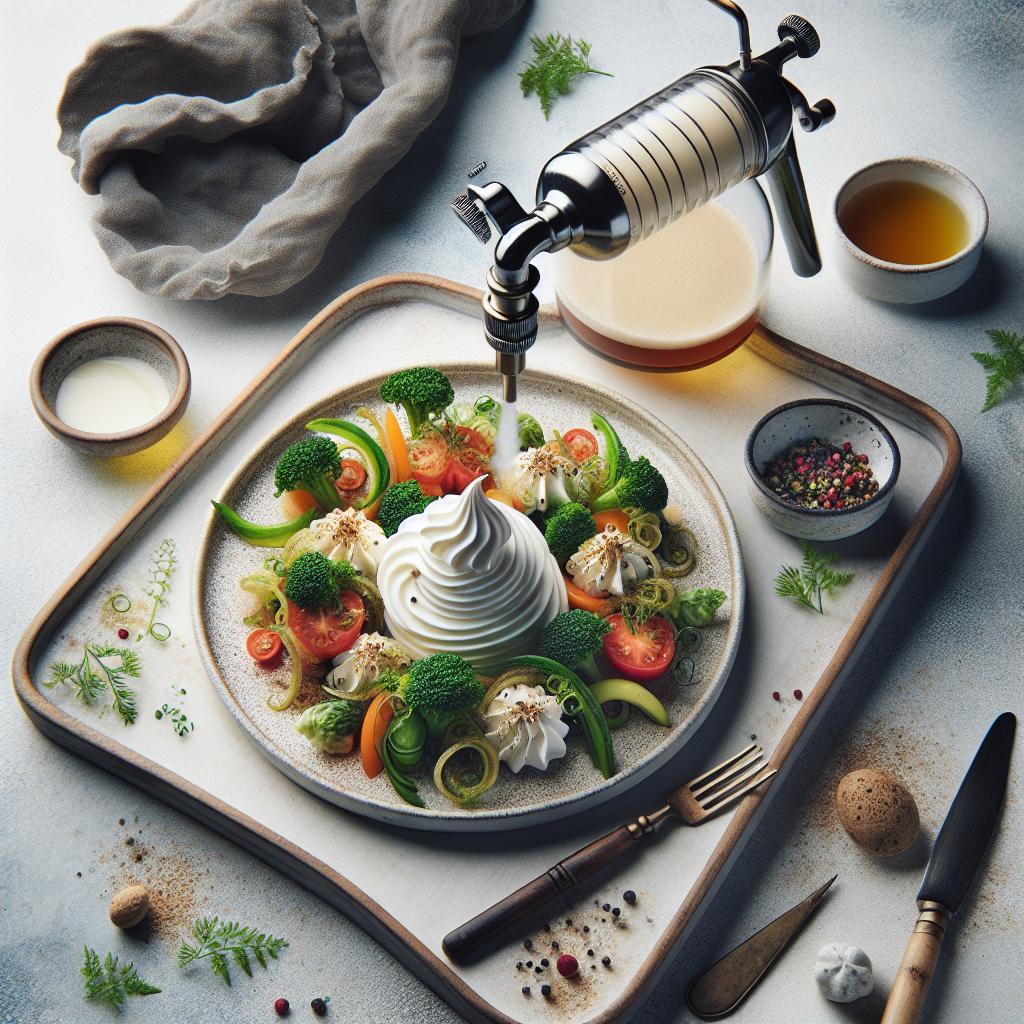
Present your whipped creations atop desserts, fresh fruits, or savory plates for a dazzling finish. Garnish with edible flowers, microgreens, or a dusting of cocoa or smoked paprika to create a visual and flavorful contrast. Use clear glass dishes or minimalist ceramic plates to highlight the airy texture and vibrant colors achieved through whipping siphon science.

Whipping Siphon Science: Experimenting with Charge Levels creating a delicate foam

Nutrient Per Serving
Calories 120 kcal
Protein 1.5 g
Carbohydrates 3 g
Fat 11 g

For more on the science of foams and pressure control, check out our Molecular Gastronomy Explained guide. To deepen your understanding of nitrous oxide’s culinary roles, see this comprehensive resource from Science Daily.

Q&A

Q&A: Whipping Siphon Science – Experimenting with Charge Levels

Q1: What exactly is a whipping siphon and how does it work?
A1: Think of a whipping siphon as a magical culinary tool that transforms liquids into foams and mousses at the flick of a wrist. It’s essentially a pressurized canister where cream or other liquids are infused with gas-most commonly nitrous oxide (N2O). When released, the gas rapidly expands, aerating the liquid and creating light, airy textures that dance on your palate.

Q2: Why experiment with different charge levels in a whipping siphon?
A2: Charge levels-the number of N2O cartridges used-dictate how much gas is dissolved into your liquid. By tweaking this variable, you can control foam density, texture, and stability. Too little charge, and your foam may be limp and collapse quickly; too much, and it can become overly stiff or even cause the siphon to malfunction. Experimenting is the pathway to discovering the perfect balance for each recipe.

Q3: How does increasing the number of cartridges affect the siphon’s output?
A3: Each cartridge adds a fixed amount of gas, so more cartridges mean more dissolved gas pressure. This typically results in a foam that is thicker and holds its shape longer. However, there’s a sweet spot-beyond it, the foam can become grainy or overly compacted. In extreme cases, high pressure can be risky and might damage the siphon or cause over-foaming.

Q4: Are there any liquids or mixtures that respond differently to charging levels?
A4: Absolutely! Fat content, viscosity, and temperature all play a role. Creams with higher fat content generally produce richer, more stable foams at moderate charge levels. Conversely, lighter liquids or those with added thickeners may require more or fewer charges to achieve the desired texture. Experimentation is key to tailoring pressure to your mixture’s unique properties.

Q5: What safety tips should be kept in mind when experimenting with charge levels?
A5: Safety first! Always use cartridges designed for whipping siphons, never exceed the manufacturer’s recommended number of charges, and ensure the siphon is in good condition with no leaks. Release pressure carefully and avoid shaking vigorously after charging, as this can cause unexpected spurts. Remember, pressure is powerful-respect it.

Q6: Can experimenting with charge levels unlock new culinary possibilities?
A6: Definitely! By mastering charge levels, chefs can push the boundaries of texture and presentation-imagine ultra-light foams that melt instantly or dense, creamy mousses that hold intricate shapes. This science opens doors to innovative dishes, from savory infusions to ethereal desserts, making the whipping siphon not just a tool but a playground for creativity.

Q7: What’s a good starting point for someone new to dialing in charge levels?
A7: For beginners, one cartridge per 500ml of cream or liquid is a solid baseline. From there, try adjusting in small increments. Record your observations-foam stability, texture, taste-and tweak accordingly. Over time, you’ll develop an intuitive sense of how charge levels translate to foam quality in your specific recipes.


Exploring charge levels in whipping siphons is like conducting delicious experiments-each tweak reveals new textures and tastes. With a little curiosity and care, you can elevate your culinary creations to airy, fluffy heights that surprise and delight. Happy whipping!

Concluding Remarks

As we close the canister on our exploration of whipping siphon science, it’s clear that mastering charge levels is more than just a technical step-it’s an art form that shapes texture, flavor, and culinary wonder. By experimenting with different amounts of gas, we unlock a spectrum of possibilities, from airy foams to velvety creams, each charged with its own chemistry and charm. So next time you reach for that little canister, remember: within each burst of gas lies a tiny spark of science ready to transform your kitchen creations into delightful masterpieces. Keep experimenting, stay curious, and let the science of the siphon inspire your next unforgettable dish.
Whipping Siphon Science: Experimenting with Charge Levels

You Might Also Like

Unlocking Flavor: Mastering Vegetable Searing for Perfect Caramelization

Unveiling Hydrolysis: The Science Behind Water’s Powerful Split

Unlocking Safety: What Is the FDA Food Code?

Spreading the Flavor: How a Paella Pan’s Wide Surface Works

Crafting Zesty Fermented Mustard Using Whey Magic

TAGGED:andexperimentingforsiphonthewhipping
Share This Article
Facebook Twitter Pinterest Whatsapp Whatsapp LinkedIn Telegram Threads
What do you think?
Love0
Sad0
Happy0
Sleepy0
Angry0
Dead0
Wink0
Previous Article Spreading the Flavor: How a Paella Pan’s Wide Surface Works Spreading the Flavor: How a Paella Pan’s Wide Surface Works
Next Article Unlocking Safety: What Is the FDA Food Code? Unlocking Safety: What Is the FDA Food Code?
Unlocking Flavor: The Art and Science of Sous Vide Cooking
Low & Slow
Unlock the Juiciest Shredded Chicken: Perfect Whole Bird Cooking Tips
Boiling & Steaming
The Science Behind Crafting the Perfect Croissant Crust
Baking & Roasting
Unlocking Flavor: The Science Behind Spatchcocked Chicken
Searing & Grilling

Most Viewed Posts

  • The Art and Science Behind Perfect Culinary Espumas (726)
  • Crisp Science: Unlocking the Chemistry of Perfect Tempura (402)
  • Unlocking Vanillin: The Chemistry Behind Vanilla’s Magic (268)
  • Fats That Transform: Experimenting with Flavorful Fats (239)
  • Master the Art of the Perfectly Boiled Potato Every Time (239)

Tags

and are art behind cheese chemistry chicken crafting dough exploring flavor food for grill happens heat how magic mastering meat microwave msg perfect perfectly protein science searing secrets steak sweet testing the top ultimate umami unlock unlocking unraveling unveiling water what when why with your
December 2025
M T W T F S S
1234567
891011121314
15161718192021
22232425262728
293031  
« Nov    

You Might Also Like

The Science Behind Crafting the Perfect Creamy Aioli
Fats & Emulsions

The Science Behind Crafting the Perfect Creamy Aioli

William J. Kroll William J. Kroll December 6, 2025
Whisking Woes: What Happens When Sugar Hits Egg Whites Early?
Sugar & Starch

Whisking Woes: What Happens When Sugar Hits Egg Whites Early?

William J. Kroll William J. Kroll December 6, 2025
Mastering Meringue: Secrets to a Perfectly Stable Whip
Protein Chemistry

Mastering Meringue: Secrets to a Perfectly Stable Whip

William J. Kroll William J. Kroll December 6, 2025
Unlocking Rosemary’s Essence: The Science Behind Its Flavors
Flavor & Aroma

Unlocking Rosemary’s Essence: The Science Behind Its Flavors

William J. Kroll William J. Kroll December 6, 2025
Unlocking Microwave Power: Mastering Levels for Perfect Cooking
Microwave Myths

Unlocking Microwave Power: Mastering Levels for Perfect Cooking

William J. Kroll William J. Kroll December 6, 2025
Debunking the Steak Flip Myth: More Than Just One Turn?
Extra Picks

Debunking the Steak Flip Myth: More Than Just One Turn?

William J. Kroll William J. Kroll December 1, 2025
Follow US
By Fimaw.com © All Rights Reserved.
  • Advertising Policy
  • Contact Us
  • Cookie Policy
  • Copyright Notice
  • Disclaimer
  • Privacy Policy
  • Terms of Service
Welcome Back!

Sign in to your account

Lost your password?