

Poached eggs respond predictably when you control acidity, temperature, and timing; a teaspoon of vinegar in simmering water helps egg whites set neatly while keeping yolks runny. This article explains the science and the step-by-step technique so you can make consistent, restaurant-quality poached eggs at home.
- Why vinegar helps for poached eggs: the chemistry in plain terms
- Choosing vinegar and dose for poached eggs
- Preparation basics for poached eggs: eggs, water, and temperature
- Vortex technique and single-egg method for poached eggs
- Step-by-step poached eggs method (chef-tested)
- Troubleshooting common problems with poached eggs
- Expert insight for consistent poached eggs
- Advanced variations and applications for poached eggs
- Why timing and cooling matter for poached eggs
- At-home practice drills to build consistent poached eggs
- Resources and method context for poached eggs
- FAQ
- Vinegar speeds coagulation so whites firm around the yolk.
- Very fresh eggs reduce spreading and improve shape.
- Gentle simmer and a light vortex encourage neat wrapping of the white.
- Timing and rapid cooling lock the desired yolk texture.
Why vinegar helps for poached eggs: the chemistry in plain terms
Acid from vinegar lowers the pH of the poaching water and shifts protein charges in the albumen so proteins denature and bond at lower temperatures. That faster coagulation reduces feathering and helps the white cling to the yolk.
Egg-white structure and protein behavior explain the result: long protein chains unfold when heated and then cross-link to form a firm matrix. Acid accelerates that cross-linking, so the white sets quickly around the yolk rather than dispersing through the water. For a technical overview, see egg white and the broader discussion of vinegar.
Choosing vinegar and dose for poached eggs
Most vinegar varieties contain acetic acid, the active agent that speeds protein set. White distilled vinegar has the most neutral taste and minimizes off-flavors; fruit-based vinegars add a faint note you may or may not want.
Use about 1–2 teaspoons of vinegar per quart (liter) of water. That concentration reliably accelerates coagulation without making the egg taste sour. Avoid heavy doses: excess acid can toughen the white and alter mouthfeel.
Preparation basics for poached eggs: eggs, water, and temperature
Start with very fresh eggs; fresh albumen is thicker and holds together better when submerged. If you cannot get very fresh eggs, poach them singly or reduce water movement to limit spread.
Bring water to a gentle simmer and maintain roughly 80–90°C (176–194°F). Visible, violent boiling fragments whites and creates ragged edges, while calm simmering produces glossy, tender surfaces on poached eggs.
Water depth and pan selection
Use a wide, shallow pan for multiple poached eggs so you can space them and control water motion. A narrow pan concentrates heat and suits single or double eggs, giving a steadier surface for the vortex method.
Keep 3–4 inches (7–10 cm) of water in the pan so eggs are fully submerged yet easy to lift with a slotted spoon. That depth balances heat retention with gentle circulation around the egg.
Vortex technique and single-egg method for poached eggs
Create a gentle vortex by stirring the water before adding the egg; the circular flow encourages the white to wrap neatly around the yolk. Crack the egg into a small cup first so you can slide it smoothly into the center of the vortex.
When poaching multiple eggs, avoid crowding: use separate cups and space eggs at least a few inches apart. You can poach sequentially in the same pot to conserve effort while keeping water temperature consistent.
Alternative: no-vortex method
For very fresh eggs, skip the vortex and simply slide the egg gently into calm water; the thick albumen will hold shape without stirring. This method is forgiving when you have premium, recently-laid eggs.
Another option is to use a small fine-mesh strainer to remove the thinnest outer white before poaching; that reduces feathering and produces a tighter cup around the yolk.
Step-by-step poached eggs method (chef-tested)
1) Fill a wide, shallow pan with 3–4 inches (7–10 cm) of water and bring it to a gentle simmer. Add the measured vinegar and stir once to mix evenly.
2) Crack each egg into a small cup. Create a gentle vortex and slide the egg from the cup into the center. Cook 3–4 minutes for a runny yolk and 4–5 minutes for a slightly firmer center. Lift with a slotted spoon and drain briefly.
Shocking and finishing for poached eggs
If you want to halt cooking immediately, transfer the poached eggs to an ice bath for 30–60 seconds; that firms the white while preserving yolk softness. Pat dry and rewarm in warm (not boiling) water before serving.
Alternatively, finish poached eggs directly on hot toast or a warm plate; residual heat will continue to cook the yolk slightly. Account for that carryover when choosing your target cook time.
Troubleshooting common problems with poached eggs
If whites spread too much, check egg freshness and ensure you used the recommended vinegar concentration. Older eggs have thinner albumen that drifts in the water, so freshness matters more when you skip acid entirely.
If whites become rubbery, reduce the vinegar amount or shorten cook time. Over-acidification and overcooking both stiffen the protein matrix and create a tough texture on poached eggs.
When eggs stick to the spoon or break during transfer, support the base of the white and use a slotted spoon with a shallow bowl for better control. Lift gently and drain before plating to preserve the egg’s shape.
Expert insight for consistent poached eggs
Many cooks maintain water temperature slightly below visible simmer and choose pan size based on egg count; narrow pans for single eggs, wide for multiples. That balance preserves calm motion while enabling efficient protein set.
Use a kitchen thermometer to monitor water temperature and keep a simple log—egg pack date, vinegar dose, water temp, and cook time. Small adjustments guided by short records yield rapid improvement in consistency.
Quick practice drills
Run three short trials at the same temperature, changing only one variable per trial: vinegar dose, cook time, or vortex strength. That isolates the factor that most affects shape and yolk runniness for your kitchen setup.
Repeat the winning combination until muscle memory forms. Consistent technique beats ad-hoc adjustments when you need reliable poached eggs for service.
Advanced variations and applications for poached eggs
Acid-driven protein control also appears in other preparations, for example in ceviche, where acid firms fish proteins. The principle is the same: acid changes protein behavior predictably.
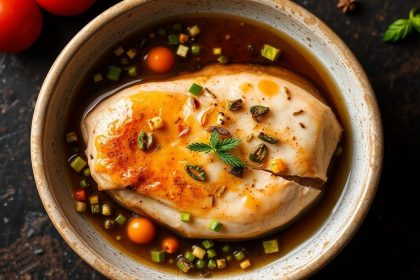
Try poaching eggs in mild broths or a light court-bouillon for subtle flavor. Keep the acidity balanced so the egg texture remains delicate; flavored liquids can enhance complexity without overpowering the yolk.
Why timing and cooling matter for poached eggs
Texture depends on precise control of time and temperature; shorter exposure yields runnier yolks and tender whites, while longer exposure yields a firmer result. Track timing carefully to repeat desired outcomes for poached eggs.
Cooling in ice water stops heat transfer and locks the chosen texture. If you plan to reheat poached eggs, cool them immediately after cooking, store chilled, and rewarm gently in warm water for no more than 60 seconds to avoid overcooking.
At-home practice drills to build consistent poached eggs
Practice with the same egg size and type to internalize timing. Use a thermometer to note water temperature and adjust the burner setting rather than guessing by eye.
Keep a short log: egg freshness date, vinegar amount, water temperature, and cook time. That simple dataset highlights the variables that most influence the finished poached eggs.
Resources and method context for poached eggs
For historical and technical context about the cooking technique, consult the poaching overview at poaching (cooking). The page aligns with the methods here and adds useful background.
General egg handling and safety considerations are covered in the broader food-egg literature; for a concise food reference, see egg (food). These sources complement the practical steps in this guide.
FAQ
Is vinegar necessary to make poached eggs?
No. You can make good poached eggs using very fresh eggs and gentle technique alone. Vinegar, however, improves repeatability by accelerating white coagulation, which helps when cooking multiple eggs.
Which vinegar gives the least flavor to poached eggs?
White distilled vinegar provides the most neutral profile and is the standard choice when you want no added tang. Rice or apple-cider vinegars add subtle notes; choose by taste and dish pairing.
What if I overcook the yolk of my poached eggs?
Rescue options are limited: shock in ice water to stop further cooking, then rewarm briefly in warm water before serving. For service, poach ahead, chill in ice, and reheat gently to preserve yolk softness.
Can I poach eggs ahead of time and reheat?
Yes. Chill poached eggs immediately in an ice bath, store refrigerated up to 24 hours, and rewarm in warm water for 30–60 seconds before serving. This approach supports batch cooking for brunches or catering.
How do I get a glossy finish on poached eggs?
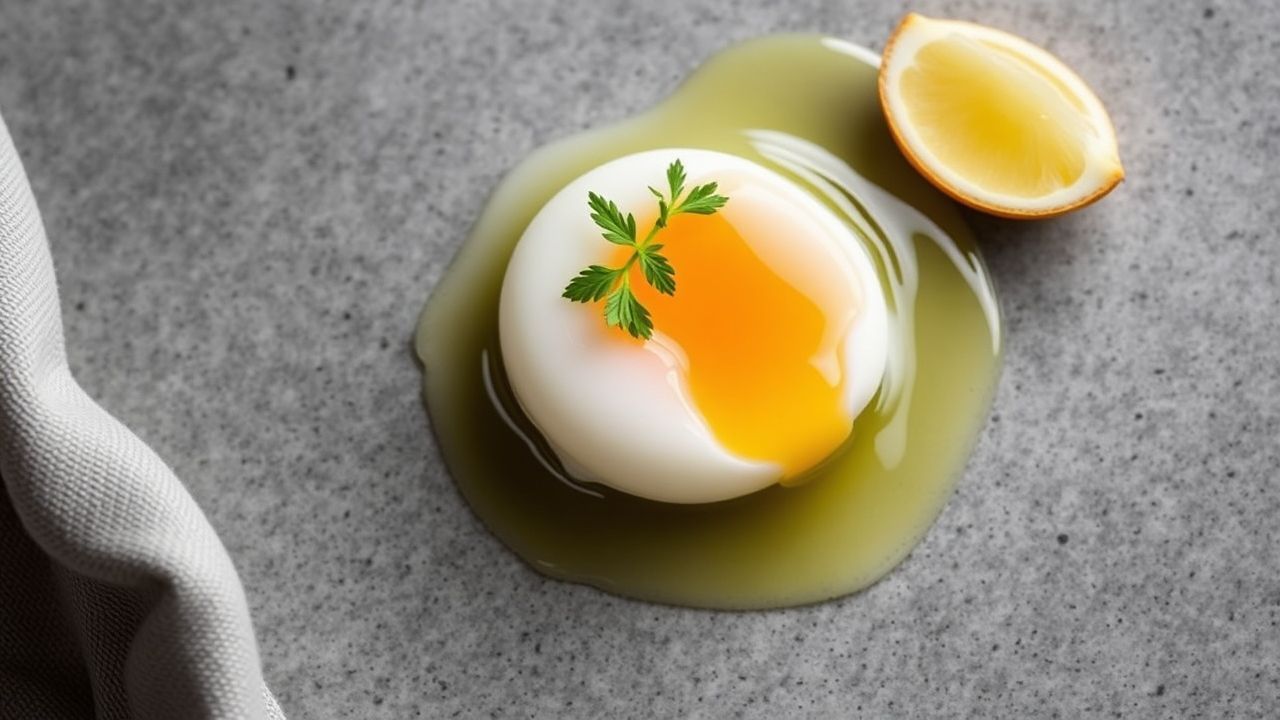
Short cook times, correct vinegar dose, and gentle handling deliver glossy, tender whites. Avoid excessive agitation and high heat, which cause pitting, matte surfaces, and ragged edges on poached eggs.
Final practice note: Repetition with controlled variables—egg freshness, vinegar dose, water temperature, and timing—turns poaching from a hit-or-miss task into a reliable technique. Track results, adjust incrementally, and you will achieve consistent, attractive poached eggs.
See also: poached eggs