
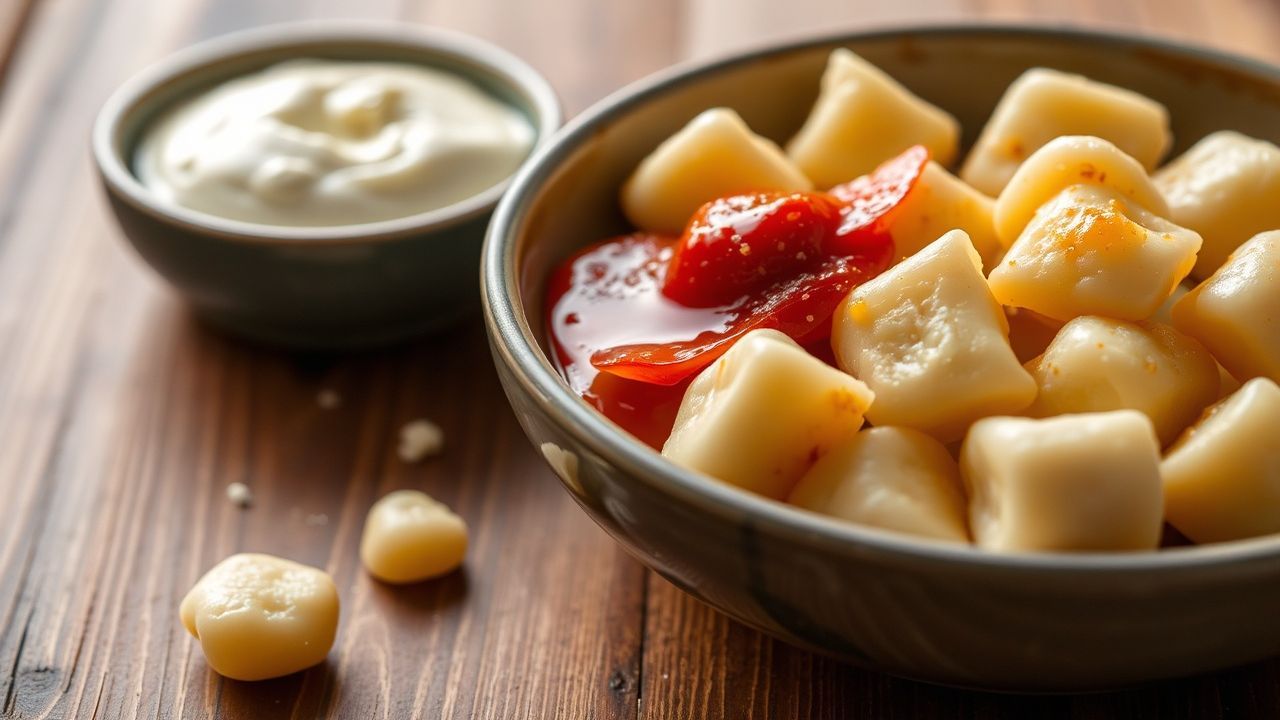

Melt-In-Your-Mouth Magic: Crafting Liquid-Center Gnocchi presents a practical, chef-tested approach to building pillowy potato dumplings that deliver a molten center every time. Readable steps and technique-focused advice make the method repeatable at home, whether you aim for a creamy mozzarella core or an herb-infused butter surprise.
- Key takeaway: Chill fillings and seal edges tightly to prevent leakage.
- Key takeaway: Use starchy potatoes and minimal flour for tender dough.
- Key takeaway: Flash-freeze shaped gnocchi for clean cooking and consistent melts.
- Key takeaway: Finish in sage-browned butter for contrast and aroma.
Overview and Timing
Preparation: Plan about 1 hour 15 minutes for cooking, mashing, cooling, and shaping. This schedule gives the mashed potato time to dry and the dough time to rest for better texture.
Cooking: Boil the gnocchi 3-4 minutes per batch until they float and the core reaches a molten state. Then brown briefly in butter for textural contrast and extra flavor.
Yield and Difficulty
This recipe yields four generous servings and suits cooks who are comfortable with basic dough handling and precise sealing. Follow the checklist and the timing cues to reduce trial-and-error.
Difficulty ranks as medium because the sealing and temperature control demand attention, yet the steps remain accessible to dedicated home cooks. For background on traditional dumpling types, consult gnocchi history and forms.
Ingredients
Use quality ingredients; they simplify technique and improve results. Key items include starchy potatoes, a measured amount of flour, one egg, sea salt, and a high-quality melting cheese for the center such as fresh mozzarella.
Core list: 1.5 lbs Yukon Gold or starchy potatoes, 1 cup all-purpose flour, 1 large egg, 1/2 tsp fine sea salt, 4 oz fresh mozzarella cut into 1/2-inch cubes, 1/4 cup grated Parmigiano-Reggiano, 2 tbsp unsalted butter, fresh sage leaves to finish. For variations, consider burrata or chilled ricotta blends.
Tools and Prep Notes
Gather a potato ricer or masher, pastry board, fork for ridging, baking sheet, and a heavy skillet for finishing. A shallow tray for flash-freezing speeds production and helps the cores remain intact.
Chill fillings on a small tray and freeze shaped gnocchi on parchment before storage. For more techniques on handling potatoes, see potato cooking basics and textural control.
Instructions
1. Cook the potatoes: Boil peeled potatoes in salted water until knife-tender, about 20-25 minutes. Drain thoroughly and let steam off on a rack for 5 minutes to remove excess moisture.
2. Mash and cool: Rice the potatoes or mash until smooth and free of lumps. Spread the mash on a baking sheet to cool; this step reduces moisture and yields a lighter dough.
3. Make the dough: Combine cooled potato, flour, salt, and the beaten egg in a bowl. Fold gently with hands until a soft, manageable dough forms; avoid excess kneading to keep gnocchi tender.
4. Shape and fill: Divide dough into four portions and roll into ropes about 3/4-inch thick. Cut into 1-inch pieces, flatten each disc, add a chilled 1/2-inch cheese cube, then fold and seal with a firm pinch to contain the filling.
5. Texture and seal: Roll each sealed piece down the back of a fork to form ridges, pressing firmly to close any seam. Flash-freeze the shaped pieces on parchment for 30–60 minutes to set the seal if you plan to store or to improve handling.
6. Cook and finish: Bring a large pot of salted water to a gentle boil. Cook gnocchi in batches until they float; allow 1–2 minutes after floating so the core melts fully. Finish in a warm skillet with browned butter and crisp sage for a golden, aromatic finish.
Technique Details
Controlling Moisture
Too much moisture makes dough sticky and hard to seal; too little makes it dry and dense. Balance moisture by drying cooked potatoes and adding flour sparingly, testing small batches as you work.
Use a ricer for even texture. Also, let the dough rest briefly to relax gluten, which improves sealing and yield during shaping.
Sealing and Freezing
Moisten the dough edge slightly with a fingertip before pinching; the tiny amount of water acts like glue and improves adhesion. Press edges firmly and check seams visually before cooking.
Flash-freezing preserves shape and core temperature. Transfer frozen gnocchi to airtight bags; cook from frozen and add 1–2 minutes to the boiling time for consistent melting.
After cooking, reserve a small amount of the pasta water when you pan-finish the gnocchi; the starchy liquid helps the butter cling and build a glossy finish. Add cheese and pepper just before serving to preserve melt contrast.
Tips for Success
Choose the right potato: Starchy varieties deliver a fluffier dough. Yukon Golds work well for balance, but if you prefer a drier mash, Russets provide lower moisture and a lighter crumb.
Keep fillings cold: Cold cheese resists melting during shaping and helps the dough form a tighter seal. Chill cubes and use on-the-spot assembly to preserve temperature.
Filling Alternatives
Experiment with burrata, pesto-infused ricotta, or herb-butter pearls. Maintain a firm chill on soft fillings by mixing with a small binder such as grated cheese or a touch of chilled butter.
Make sweet versions with mascarpone and honey for dessert gnocchi; however, adjust cooking time to limit sugar browning that can alter texture.
Serving Suggestions
Present gnocchi in shallow bowls with sage-browned butter to showcase the molten center. A sprinkle of toasted pine nuts and microgreens adds crunch and visual contrast.
Pair with a crisp white wine or a lightly dressed green salad to cut richness. Keep garnishes simple to let the molten center remain the focal point.
Storage and Make-Ahead
Shape gnocchi and freeze them on parchment until firm, then transfer to airtight bags for up to one month. Cook directly from frozen and extend the boiling time by 1–2 minutes.
Prepared dough freezes poorly, so avoid freezing before shaping. Store leftover cooked gnocchi refrigerated for 24 hours and reheat gently in a pan with butter; avoid the microwave to preserve texture.
Nutrition
Per serving estimates: roughly 360 kcal, 14 g protein, 42 g carbohydrates, and 12 g fat depending on ingredient brands and portion sizes. Use measured portions and reduced-fat cheeses for lighter profiles.
Adjust recipes for dietary needs by substituting gluten-free flour blends and lower-fat cheese options, noting that texture and melt behavior will change with substitutions.
| Nutrient | Per Serving |
|---|---|
| Calories | 360 kcal |
| Protein | 14 g |
| Carbohydrates | 42 g |
| Fat | 12 g |
Further Reading and Internal Resources
For related recipes and variations, see our Classic Italian Pasta Recipes page, which collects techniques across pasta and gnocchi preparations. Use it to expand menu ideas and side pairings.
For focused potato technique guidance, consult our internal guide on Potato Cooking Techniques to match potato choice and handling to your desired gnocchi texture.
FAQ
What is liquid-center gnocchi?
Liquid-center gnocchi are potato dumplings filled with a melting core, usually cheese or an herb butter, that becomes molten when cooked. The contrast between pillowy dough and flowing center defines the experience.
How do I stop fillings from leaking?
Use chilled fillings, small portioned centers, and a firm pinch seal. Flash-freezing shaped gnocchi sets the dough and improves seam integrity before boiling.
Can I use different cheeses?
Yes. Fresh mozzarella and burrata melt well; ricotta combined with grated cheese gives a more stable cream. Stronger cheeses need smaller amounts to avoid overpowering the dough.
How long do I boil filled gnocchi?
Boil until they float, then give an additional 1–2 minutes for full melting. Avoid overcooking to prevent the dough from becoming soggy or breaking open.
Are there savory and sweet variants?
Absolutely. Savory options include truffle oil or pesto-filled centers; sweet versions can use mascarpone with honey. Adjust cooking and finishing to preserve the intended flavor and texture.
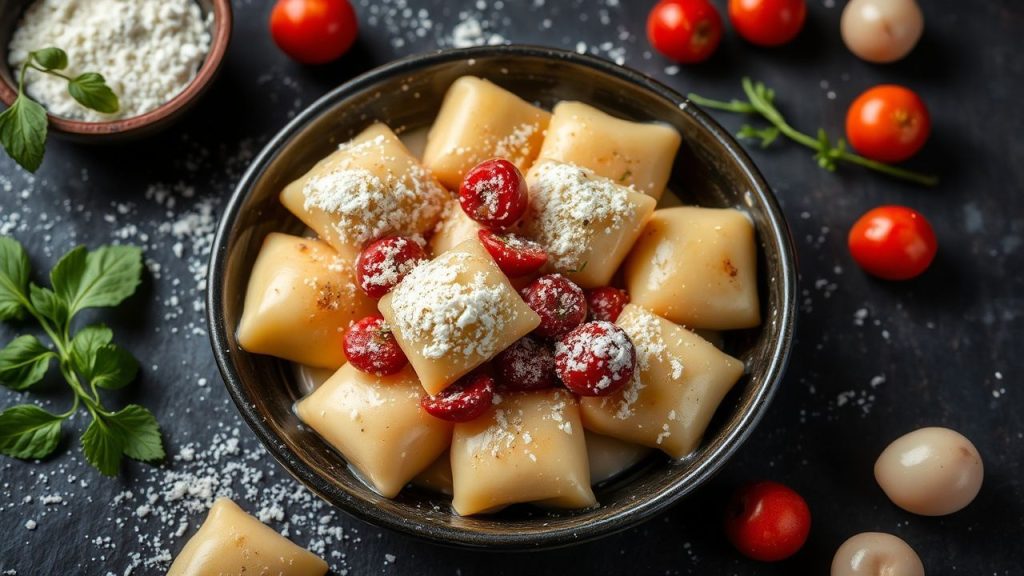
Mastering liquid-center gnocchi requires controlled moisture, consistent sealing, and an understanding of how temperature influences melt. Follow the steps and test one batch; repetition refines your feel for dough and fill behavior.
Experiment with fillings, keep notes on proportions and chill times, and adapt pan-finishing to personal taste. Over time you will build a reliable workflow that produces professional results in a home kitchen.
Mozzarella, sage, and Parmigiano-Reggiano references support ingredient choices and traditional uses.
See also: gnocchi