
By using this site, you agree to the Privacy Policy and Terms of Use.
Accept

CookOrBit

  • Home
  • About Us
  • Ingredient Science
    • Flavor & Aroma
    • Protein Chemistry
    • Sugar & Starch
    • Fats & Emulsions
  • Cooking Techniques
    • Searing & Grilling
    • Baking & Roasting
    • Boiling & Steaming
    • Low & Slow
  • Kitchen Experiments
    • DIY Ferments
    • Flavor Tests
    • Gadget Testing
    • Molecular Gastronomy
  • Food Myths
    • Searing Myth
    • 5-Second Rule
    • MSG Myths
    • Microwave Myths
  • More
    • Extra Picks
    • Quick & Easy
      • Breakfast Ideas
      • Desserts
      • Snacks
      • Soups
    • Global Flavors
      • Asian Street Eats
      • Latin Comforts
      • Mexican Flavors
      • Modern Mediterranean

CookOrBit

  • Home
  • About Us
  • Ingredient Science
  • Cooking Techniques
  • Kitchen Experiments
  • Food Myths
  • More
Search
  • Home
  • About Us
  • Ingredient Science
    • Flavor & Aroma
    • Protein Chemistry
    • Sugar & Starch
    • Fats & Emulsions
  • Cooking Techniques
    • Searing & Grilling
    • Baking & Roasting
    • Boiling & Steaming
    • Low & Slow
  • Kitchen Experiments
    • DIY Ferments
    • Flavor Tests
    • Gadget Testing
    • Molecular Gastronomy
  • Food Myths
    • Searing Myth
    • 5-Second Rule
    • MSG Myths
    • Microwave Myths
  • More
    • Extra Picks
    • Quick & Easy
    • Global Flavors
Follow US
  • Advertising Policy
  • Contact Us
  • Cookie Policy
  • Copyright Notice
  • Disclaimer
  • Privacy Policy
  • Terms of Service
By Fimaw.com
Fermented Foods Made Fun: Winning Tips for Family Meals
CookOrBit > Blog > Kitchen Experiments > DIY Ferments > Fermented Foods Made Fun: Winning Tips for Family Meals
DIY Ferments

Fermented Foods Made Fun: Winning Tips for Family Meals

William J. Kroll By William J. Kroll Published September 30, 2025
Share
SHARE

Imagine transforming your family meals into lively celebrations of flavor, nutrition, and tradition-all with a splash of tangy zest! Fermented foods have long been cherished for their health benefits and unique tastes, but they don’t have to be confined to fancy restaurants or health food stores. In this article, we’ll unlock the secrets to making fermented foods fun, approachable, and delightfully delicious for every member of your household. From crunchy kimchi to bubbly kombucha, discover winning tips that turn fermentation from a mysterious art into a family-friendly adventure, nourishing both body and soul at your dinner table. Get ready to spark curiosity, ignite taste buds, and bring your loved ones closer with every bite!

Contents
Simple Sauerkraut: A Crunchy IntroductionPrep and Cook TimeYieldDifficulty LevelIngredientsInstructionsTips for SuccessServing SuggestionsCreative Fermented Yogurt Dip with Veggie SticksPrep and Cook TimeYieldDifficulty LevelIngredientsInstructionsTips for SuccessServing SuggestionsPairing Fermented Foods with Family Favorites for Balanced MealsQ&ATo Wrap It Up

Fermented Foods Made Fun: unlocking the magic of fermentation is easier than you think, even for bustling families juggling school runs, work, and dinner prep. Fermentation not only enhances flavors but also boosts gut health, making it a delicious daily habit worth exploring with kids. Let’s dive into simple, approachable recipes and clever ways to invite your little ones into this colorful world of bubbling jars and tangy tastes.

Simple Sauerkraut: A Crunchy Introduction

Originating from Eastern Europe, sauerkraut is a classic fermented favorite that’s tangy, crisp, and vibrant. Its bright, probiotic-rich flavors are a gentle introduction to fermentation for kids, paired perfectly with familiar family meals like sandwiches and sausages.

Prep and Cook Time

  • Prep: 15 minutes
  • Fermentation: 7-10 days

Yield

  • About 4 cups (serves 6-8 as a side)

Difficulty Level

  • Easy

Ingredients

  • 1 medium green cabbage, finely shredded
  • 1 tablespoon fine sea salt
  • 1 teaspoon caraway seeds (optional, adds a subtle earthiness)

Instructions

  1. Prepare the cabbage: Remove outer leaves and finely shred the cabbage using a knife or mandoline.
  2. Massage with salt: In a large bowl, sprinkle the salt over cabbage. Use your hands to massage and squeeze until cabbage becomes soft and releases liquid-this takes about 5-7 minutes.
  3. Add caraway seeds: Stir in caraway seeds if using, for a hint of nutty aroma.
  4. Pack into jar: Firmly press the cabbage into a clean 1-quart glass jar or fermentation crock, pushing down so the brine covers all cabbage completely.
  5. Weight it down: Use a fermentation weight or a clean small jar filled with water to keep cabbage submerged under the brine, preventing mold.
  6. Cover and ferment: Cover the jar with a breathable cloth or fermentation lid. Leave at room temperature, ideally 65-72°F, for 7-10 days.
  7. Check and taste: Every couple of days, gently press down cabbage to keep submerged. When it reaches your preferred tanginess, seal with a lid and refrigerate.

Tips for Success

  • Use non-iodized salt: Iodized salt can inhibit fermentation, so sea salt or kosher salt works best.
  • Keep everything clean: Sterilize jars and utensils to avoid unwanted bacteria.
  • Start small: Fermentation can smell strong initially-start with a small batch to gauge family preferences.
  • Adjust timing: Cooler kitchens require longer fermentation; warmer ones speed things up.

Serving Suggestions

Spoon vibrant sauerkraut atop hot dogs, alongside roasted chicken, or mix into creamy potato salads for a probiotic pop. Garnish with fresh parsley or dill to brighten the plate visually and aromatically.

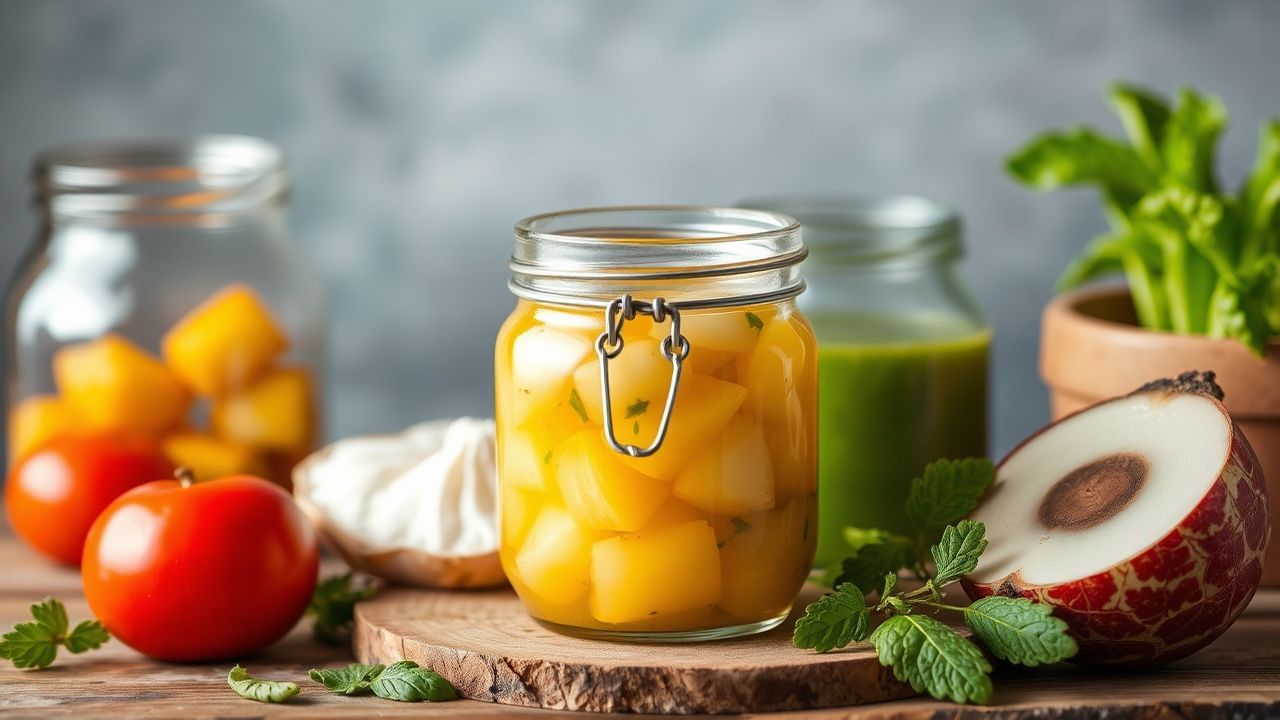
Fermented Foods Made Fun: Crunchy Sauerkraut in a glass jar

Creative Fermented Yogurt Dip with Veggie Sticks

Fermented dairy offers a soft, tangy texture kids adore. This homemade yogurt dip blends probiotic power with playful veggies, transforming snack time into a lively exploration of flavors and crunch.

Prep and Cook Time

  • Prep: 5 minutes
  • Fermentation: 12 hours to 24 hours

Yield

  • About 2 cups dip

Difficulty Level

  • Medium (requires yogurt starter)

Ingredients

  • 4 cups whole milk
  • 2 tablespoons plain live-culture yogurt (store-bought or homemade)
  • 1 teaspoon garlic powder
  • 1 teaspoon dried dill
  • 2 tablespoons fresh lemon juice
  • Assorted vegetable sticks: carrot, cucumber, bell pepper, celery

Instructions

  1. Heat milk: Warm milk in a saucepan gently to 110°F (warm but not boiling).
  2. Add starter: Whisk in yogurt starter thoroughly.
  3. Ferment: Transfer to a glass container, cover with a lid or cloth, and keep warm (105°F) for 12-24 hours until tangy and thickened.
  4. Mix dip: Stir in garlic powder, dried dill, and lemon juice into the yogurt; refrigerate until chilled.
  5. Serve: Place dip on a colorful platter alongside crisp vegetable sticks for dipping fun.

Tips for Success

  • Keep milk at correct temperature: Too hot can kill cultures; too cold slows fermentation.
  • Flavor tweaks: Add fresh herbs like chives or basil to switch up tastes based on your family’s favorites.
  • Make ahead: This dip stays fresh in the fridge up to 5 days, perfect for meal prepping.

Serving Suggestions

Use this yogurt dip as a fun, healthy snack side at lunchboxes or family movie nights. Try spooning it over grilled meats or drizzling it on baked potatoes as an alternative to sour cream.

Nutrient Sauerkraut (per 1/2 cup) Yogurt Dip (per 1/4 cup)
Calories 15 55
Protein (g) 1 4
Carbs (g) 3 2
Fat (g) 0 4

Pairing Fermented Foods with Family Favorites for Balanced Meals

To make fermented foods irresistibly fun for kids, pair them with beloved dishes that balance familiar comfort and new tastes. For example, add crisp sauerkraut to grilled cheese sandwiches for a tangy crunch or blend homemade kimchi into fried rice to brighten the flavor profile. These pairing tricks invite curiosity without overwhelming young palettes.

Also, fermented pickles complement hearty burgers beautifully, while creamy probiotic-rich yogurt dips lighten up roasted chicken or vegetable platters. Simple swaps like adding a spoonful of miso to soups or dressings introduce subtle umami riches that delight both kids and adults.

Explore recipes like our Easy Kimchi Stir Fry for a flavorful, quick meal that incorporates fermented goodness seamlessly. For further reading on gut health benefits, visit the Healthline fermented foods article.

Q&A

Q&A: Fermented Foods Made Fun: Winning Tips for Family Meals

Q1: What makes fermented foods a great addition to family meals?
A1: Fermented foods bring a delightful tang and a burst of probiotics, which support digestion and immunity. They add vibrant flavors and textures that can turn everyday dishes into exciting taste adventures for the whole family!

Q2: How can I introduce fermented foods to picky eaters at the dinner table?
A2: Start small and sneak them into familiar favorites-think tangy kimchi tacos or sauerkraut-topped hot dogs. Pair fermented foods with sweet or mild ingredients to balance their bold flavors. Making it a fun family project-like creating your own yogurt parfaits-can also spark curiosity and acceptance.

Q3: Which fermented foods are easiest for beginners to try at home?
A3: Classic pickles, simple sauerkraut, and easy yogurt are fantastic starting points. They require minimal ingredients and little fuss, making them approachable for parents and children wanting to dive into fermentation fun.

Q4: Are fermented foods safe for young children?
A4: Generally, yes! But it’s best to start with small amounts and observe any reactions. Avoid giving unpasteurized fermented foods to babies under one year old. And always opt for fresh, properly prepared batches to ensure safety.

Q5: What are some creative ways to serve fermented foods that kids will love?
A5: Use fermented veggies as colorful sandwich toppings, mix yogurt into smoothies or dressings, or whip up fermented cheese dips. Turn meal prep into a family game-like “build your own probiotic bowl”-to make these dishes interactive and enticing.

Q6: How can I keep fermentation fun and stress-free?
A6: Keep the process simple and experiment with small batches. Share the science behind fermentation as a mini family lesson-it’s a tasty way to learn! Remember, not every batch has to be perfect; it’s all about exploration and enjoyment together.

Q7: What are the main health benefits of regular fermented food consumption for families?
A7: Fermented foods can boost gut health, enhance nutrient absorption, and support immune defenses. They can also diversify the family’s palate and make meals more exciting, encouraging healthy eating habits from a young age.

Q8: Can fermented foods help turn mealtime battles into bonding moments?
A8: Absolutely! Involving kids in fermenting projects offers hands-on learning and creates a sense of accomplishment. Sharing meals that include their own creations builds pride, curiosity, and positive food memories that last a lifetime.


With these tips in hand, turn your kitchen into a fermentation playground and watch family meals transform into flavorful, fun-filled feasts!

To Wrap It Up

As you embark on your culinary adventure with fermented foods, remember that the magic lies not just in the flavors but in the shared moments around the table. By turning fermentation into a fun family project, you’re brewing more than just tangy tastes-you’re crafting memories, sparking curiosity, and nourishing both body and soul. So, gather your loved ones, get hands-on with those bubbling jars, and watch as mealtime transforms into a delicious celebration of tradition, creativity, and togetherness. Here’s to making fermentation a family favorite, one lively bite at a time!
Fermented Foods Made Fun: Winning Tips for Family Meals

You Might Also Like

Herb-Kissed Baked Halibut: A Flavorful Seafood Delight

Bright Start: Refreshing Lemon Blueberry Overnight Oats Recipe

Hearty Turkey and Bean Soup: A Comforting Classic Recipe

Unlock Flavor: How to Make Creamy Roasted Garlic Hummus Dip

Hearty Turkey Vegetable Noodle Soup: A Nutritious Classic

TAGGED:andfermentedfoodsformade
Share This Article
Facebook Twitter Pinterest Whatsapp Whatsapp LinkedIn Telegram Threads
What do you think?
Love0
Sad0
Happy0
Sleepy0
Angry0
Dead0
Wink0
Previous Article Unlocking Flavor: The Science Behind Perfectly Seared Meat Unlocking Flavor: The Science Behind Perfectly Seared Meat
Next Article Crafting Perfection: The Science Behind Simple Cocktails
Savoring Turkey and Rice Stew: A Hearty Delight Unveiled
Extra Picks
Turkey Meatloaf Muffins: Protein-Packed Bites of Comfort
Extra Picks
Cozy Up with Creamy Roasted Squash and Apple Soup Bliss
Extra Picks
Hearty Beef and Potato Hash: A Savory Classic to Savor
Extra Picks

Most Viewed Posts

  • The Art and Science Behind Perfect Culinary Espumas (1,463)
  • Crisp Science: Unlocking the Chemistry of Perfect Tempura (919)
  • Unlocking Vanillin: The Chemistry Behind Vanilla’s Magic (354)
  • Master the Art of the Perfectly Boiled Potato Every Time (310)
  • Fats That Transform: Experimenting with Flavorful Fats (301)

Tags

and are art baked beef behind carrot chemistry chicken crafting creamy crispy easy exploring flavor food for garlic hearty heat how magic master mastering microwave perfect perfectly protein savor science searing secrets steak the turkey ultimate unlocking unveiling velvety what when why with your zesty
January 2026
M T W T F S S
 1234
567891011
12131415161718
19202122232425
262728293031  
« Dec    

You Might Also Like

Unlocking Flavor: Mastering Vegetable Searing for Perfect Caramelization
Extra Picks

Unlocking Flavor: Mastering Vegetable Searing for Perfect Caramelization

William J. Kroll William J. Kroll January 12, 2026
Whisking Woes: What Happens When Sugar Hits Egg Whites Early?
Sugar & Starch

Whisking Woes: What Happens When Sugar Hits Egg Whites Early?

William J. Kroll William J. Kroll January 12, 2026
Mastering Meringue: Secrets to a Perfectly Stable Whip
Protein Chemistry

Mastering Meringue: Secrets to a Perfectly Stable Whip

William J. Kroll William J. Kroll January 12, 2026
Unlocking Microwave Power: Mastering Levels for Perfect Cooking
Microwave Myths

Unlocking Microwave Power: Mastering Levels for Perfect Cooking

William J. Kroll William J. Kroll January 12, 2026
Unlocking Rosemary’s Essence: The Science Behind Its Flavors
Flavor & Aroma

Unlocking Rosemary’s Essence: The Science Behind Its Flavors

William J. Kroll William J. Kroll January 12, 2026
Picnic Chemistry: Safely Blending Fun with Food Science
5-Second Rule

Picnic Chemistry: Safely Blending Fun with Food Science

William J. Kroll William J. Kroll January 12, 2026
Follow US
By Fimaw.com © All Rights Reserved.
  • Advertising Policy
  • Contact Us
  • Cookie Policy
  • Copyright Notice
  • Disclaimer
  • Privacy Policy
  • Terms of Service
Welcome Back!

Sign in to your account

Lost your password?