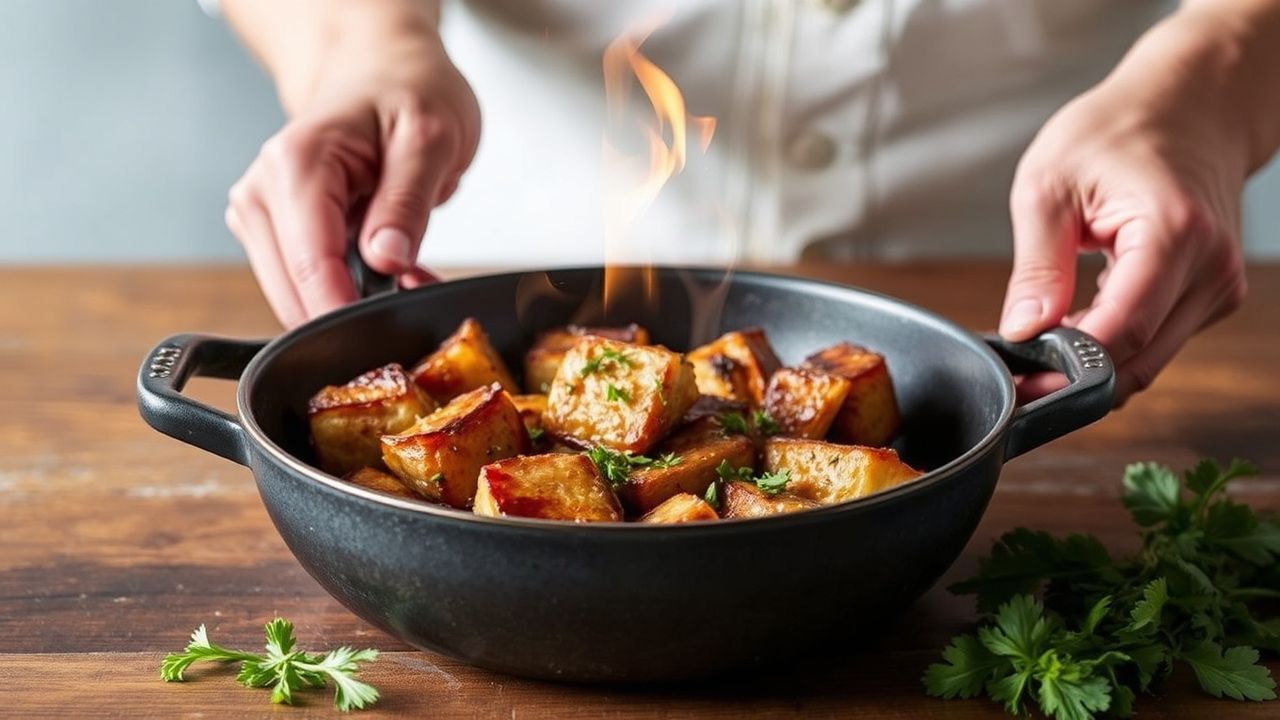

Indirect heat is the low-and-slow technique that turns tough cuts into tender, flavorful dishes. Unlike direct flame cooking, indirect heat surrounds food with steady warmth so collagen breaks down without burning the exterior.
- Understanding the science behind indirect heat
- Why indirect heat matters for flavor and texture
- Practical setups: two-zone grilling and alternatives
- Ingredients and staging for a pork shoulder cook
- Step-by-step: Cook the pork shoulder with indirect heat
- Tips for success
- Serving suggestions and finishing
- Tools and buying guide
- Nutritional snapshot
- Further reading and reference
- FAQ
- Gentle, even heat preserves moisture and develops deep flavors.
- Two-zone grilling lets you sear, then finish without overcooking.
- Temperature control and patience produce consistent results.
Understanding the science behind indirect heat
Heat moves by conduction, convection, and radiation. Knowing how these modes interact explains why indirect heat cooks food evenly while minimizing surface burning.
Use this principle to control texture and flavor. For technical background on energy transfer, see heat transfer.
Why indirect heat matters for flavor and texture
Collagen in connective tissue converts to gelatin at sustained temperatures between about 160–205°F (70–96°C). Slow heat lets that process finish without drying the muscle fibers.
For smoking or long roasts, indirect heat also promotes uniform smoke absorption and Maillard reactions on the exterior while keeping the interior succulent. See the cooking contexts like grilling and roasting for common applications.
Practical setups: two-zone grilling and alternatives
Two-zone grilling is the most reliable indirect-heat setup: coals or burners on one side and the food on the other. Close the lid to create a convection oven inside the grill.
On a gas grill, light only one zone. On charcoal, bank coals to one side. You can also reproduce indirect heat using an oven or a covered smoker for similar results.
Charcoal approach
Arrange lit coals to one area and leave the other side free for the food. Use a drip pan under the food to catch juices and reduce flare-ups.
Add wood chunks to the hot coals for controlled smoke. Monitor vents to stabilize temperature rather than chasing quick heat spikes.
Gas grill approach
Light a single burner or one side of the burners and cook on the unlit side. Use a drip pan to maintain humidity and prevent drips from causing flare-ups.
Keep a reliable grill thermometer visible. Small burner adjustments maintain a steady 225–275°F for most slow cooks.
Ingredients and staging for a pork shoulder cook
Below are the ingredients you can use for a classic indirect-heat pork shoulder. Quantities match a 4 lb bone-in shoulder that feeds 6–8 people.
- 4 lbs bone-in pork shoulder, trimmed
- 3 tbsp olive oil
- 2 tbsp smoked paprika
- 1 tbsp garlic powder
- 1 tbsp onion powder
- 2 tsp ground cumin
- 1 tbsp kosher salt
- 1 tsp freshly cracked black pepper
- 1 cup apple cider vinegar + 1 cup water for the drip pan
- 4 large carrots, halved lengthwise
- 3 medium zucchinis, cut thick
- Fresh rosemary sprigs for garnish
Step-by-step: Cook the pork shoulder with indirect heat
Prepare the rub by mixing paprika, garlic powder, onion powder, cumin, salt, and pepper. Rub the shoulder with oil, then coat thoroughly with the spice mix.
Set up the grill for indirect heat and place a drip pan under the indirect zone. Preheat to a steady 250°F (120°C) and position the meat away from direct flame.
Place the pork on the cool side and close the lid. Check the grill every 15–20 minutes, stabilize vents or burners, and add soaked wood chips every 45 minutes for smoke flavor.
After roughly 1.5 hours, arrange the prepared carrots and zucchinis around the meat on the indirect side so they roast slowly and absorb smoky notes.
When the shoulder reaches about 195°F (90°C) in the thickest part, it will be tender and pull-apart ready. Remove the meat and vegetables, tent with foil, and rest 20 minutes before slicing against the grain.
Tips for success
Temperature control wins more cooks than expensive gear. A stable grill temp prevents overcooking and reduces variability between cooks.
Keep a spray bottle with apple cider vinegar for occasional spritzing; it helps maintain surface moisture and adds a mild tang.
Rotate the drip pan and add fresh water or vinegar mix as needed to keep humidity steady. For vegetable timing, place them later in the cook so they don’t become overly soft.
Serving suggestions and finishing
Slice the pork against the grain and plate with roasted carrots and zucchini. A bright herb sauce or tangy barbecue condiment balances the rich pork flavors.
Garnish with rosemary and a light sprinkle of coarse salt to enhance texture. Pair with grilled asparagus or a simple green salad for contrast.
Tools and buying guide
Prioritize a good grill thermometer and a probe with an alarm. These two items increase repeatability across cooks and different weather conditions.
For further practical techniques, visit our internal guides: Grilling Techniques for Beginners and Best Grill Thermometers to choose reliable tools and improve your outcomes.
Nutritional snapshot
This estimate covers pork shoulder and roasted vegetables per serving. Values vary by trimming and portion size.
| Nutritional Info (per serving) | Calories | Protein | Carbs | Fat |
|---|---|---|---|---|
| Pork Shoulder & Veggies | 480 kcal | 38 g | 12 g | 30 g |
Further reading and reference
To better understand smoking and slow-cook traditions, consult the culinary methods covered on Wikipedia. These pages explain the historical and technical context for indirect heat cooking.
Relevant reads: barbecue, smoking (cooking), and the general grilling overview. Those articles help connect technique to tradition and equipment choices.
FAQ
What is indirect heat?
Indirect heat cooks food adjacent to, rather than directly over, a flame or heat source. It relies on circulating warm air and radiation to finish the cook without burning the surface.
How do I set up a two-zone grill?
On charcoal, bank the coals to one side. On gas, light only half the burners. Place a drip pan under the indirect zone and keep the lid closed to trap heat.
What internal temperature should I aim for with pork shoulder?
Target roughly 195°F (90°C) for pull-apart tenderness. Use a probe thermometer to confirm the thickest point of the shoulder.
Can I start with direct heat for a sear?
Yes. Sear over direct heat for a crust, then move to the indirect zone to finish. This two-step approach combines flavor and control.
Which vegetables work best with indirect heat?
Denser vegetables—carrots, potatoes, squash, and thick zucchini—stand up well to slow roasting and develop deep sweet flavors without collapsing.
See also: Indirect Heat