

Achieving a perfect sear requires heat, timing, and a clean surface. Tiny residues and charred particles on the pan interrupt direct contact and steal the crust you expect. Clean contact equals even browning and predictable results every time.
- Clear pans speed heat transfer and stabilize crust formation.
- Drying and proper oil use prevent steam and sticking.
- Quick refreshes between batches keep surfaces sear-ready.
- Use the right tools for stainless steel or cast iron care.
Why food debris sabotages the sear
Food debris creates microscopic barriers between protein and the hot metal. Those remnants absorb and scatter heat so the surface under the meat never reaches the temperature required for the Maillard reaction, which forms the desirable brown crust.
Debris also burns unpredictably and leaves bitter compounds that mask natural flavors. Even a thin layer of sticky residue causes food to steam instead of sear, producing grey, uneven crusts rather than the golden crust you want.
Essential prep and timing
Prep and timing control whether the first contact with the pan produces sear or steam. You must bring both pan and food to the right condition: hot pan, dry protein, and measured oil.
Timing matters more than temperature alone. Give the pan time to stabilize at medium-high heat; shortchanging this step lets debris cool or trap moisture under the protein, costing the crust.
Prep and Cook Time
Prep: 10 minutes. Use drying and seasoning steps that take minimal time but yield big results. Dry skin and pat meat to remove surface moisture that competes with browning.
Cook: 15 minutes. Heat the pan thoroughly and sear without overcrowding; then finish to temperature. Total: 25 minutes, including quick in-between-pan refreshes to clear debris.
Ingredients and tools
Choose a high-smoke point oil and tools that match your cookware. Oils with higher smoke points keep the pan stable at searing temperatures and reduce burnt residues.
Match your tools to the surface: use non-abrasive brushes for stainless steel and firm scrapers for well-seasoned cast iron. A dedicated pan scraper avoids surface gouges and removes stubborn bits quickly.
- 2 tbsp high-smoke point oil (grapeseed, avocado, or refined olive oil)
- 4 boneless skin-on chicken thighs, patted dry
- 1 tsp kosher salt
- ½ tsp freshly ground black pepper
- 1 tbsp unsalted butter
- 2 cloves garlic, smashed
- Fresh thyme sprigs for garnish
Step-by-step instructions
Heat the skillet until the surface is uniformly hot but not smoking. A properly heated pan releases stuck debris more readily and gives predictable sear development.
Work in batches and refresh the surface between each one. That quick refresh removes residual bits, restoring a clean metal surface for the next piece of protein.
- Heat your skillet over medium-high heat for 3–4 minutes until it glows evenly. This temperature window mobilizes old residues and primes the pan for proper heat transfer.
- Dry each chicken thigh thoroughly with paper towels to remove surface moisture that fights browning and creates steam.
- Season each piece with salt and pepper so flavors penetrate without drawing extra moisture out during searing.
- Add oil and form a thin film. The oil protects metal-to-food contact and stabilizes the hot surface, reducing sticking and errant charring.
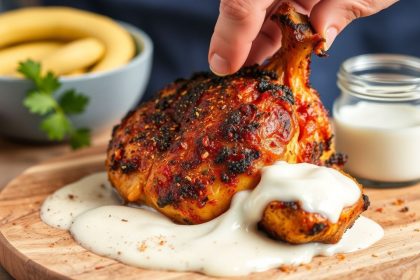
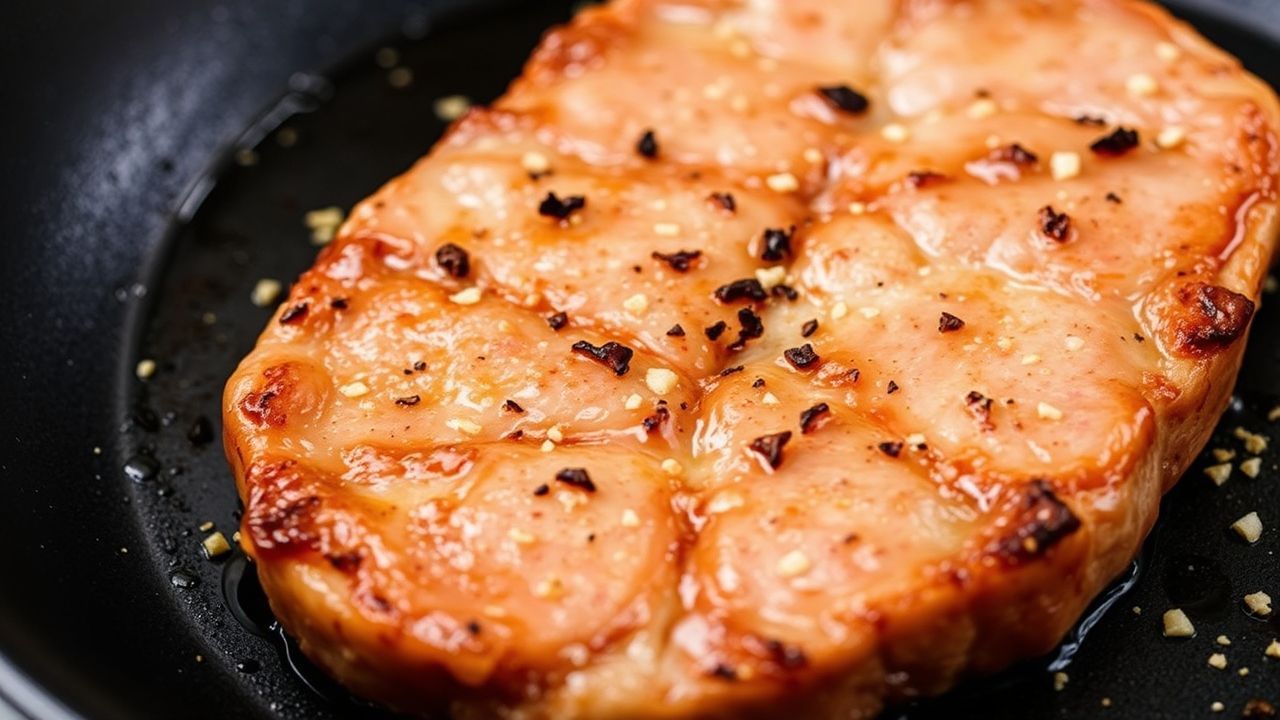
- Place thighs skin-side down without crowding. Give each piece 5–7 minutes; moving prematurely tears the developing crust.
- Flip once when the crust releases easily. Add butter, garlic, and thyme and baste briefly to finish color and flavor.
- Finish to temperature until the interior reaches a safe temperature and juices run clear. Let the meat rest off heat for 5 minutes to reabsorb juices.
- Refresh the pan while it is still warm: wipe with a paper towel or scrape lightly, then add a small splash of liquid and boil off to lift any clinging particles.
Heat management and pan care
Use heat deliberately: aggressive initial heat creates the crust, then finish on moderate heat to avoid burning. Cast iron and stainless steel behave differently; learn each surface’s thermal response.
Stainless steel holds heat but traps bits more readily, while a cast-iron skillet gives even heat once seasoned. Invest time to learn how your pans behave so you adjust timing and cleaning accordingly.
After a cook, deglaze intentionally rather than letting bits remain to become sticky over time. Save the fond for sauces, but clear the cooking surface before the next sear to maintain consistent heat transfer.
Common mistakes and how to avoid them
Overcrowding is the most frequent error: too many pieces lower the surface temperature and trap steam. Always leave breathing room around each piece so the pan keeps its heat and the surface contact remains direct.
Neglecting quick cleans between batches compounds residue. A single neglected crumb compounds into a streak of burnt particles; remove it before it multiplies into a major problem.
Serving suggestions and storage
Serve seared items immediately for best texture: a rest lets juices settle but prolonged holding softens crust. Pair with bright vegetables or a light jus to balance richness.
Store leftovers properly: cool quickly, refrigerate in a shallow container, and reheat with a quick sear to revive the crust. Re-crisping on a hot pan often restores much of the original texture.
Pan maintenance checklist
Maintain a weekly routine: deep-clean stainless pans to remove polymerized oil layers and re-season cast iron when necessary. Regular maintenance prevents stubborn debris buildup and preserves heat transfer.
Use silicone or wooden tools to avoid gouging, and keep a small scraper and brush handy. Refer to our internal pan-care resource for step-by-step maintenance routines and troubleshooting.
Pan care guide and Mastering heat techniques for searing provide hands-on routines and visual checks to keep cookware performing at its best.
FAQ
What is food debris in cooking?
Food debris refers to tiny browned or burnt particles that cling to the pan after cooking. These fragments interfere with direct contact and absorb surface heat, undermining even browning.
Left unchecked, debris can polymerize into sticky films that attract more residue and make future searing unpredictable.
How often should I clean the pan during a multi-batch sear?
Clean between every batch of protein with a quick wipe or scrape while the pan is still hot. That brief maintenance removes obstructive bits without allowing the pan to cool too much.
For heavier residue, add a small splash of liquid to loosen particles, then wipe and re-oil before the next batch.
Can those brown bits ever be useful?
Yes. The fond—the browned bits left after searing—adds concentrated flavor for pan sauces and gravies. Extract it after searing, once the surface is clean for the next sear.
Use reserved fond deliberately: deglaze with stock or wine, scrape, and reduce to balance and complement the sear without leaving debris on the cooking surface.
Which pans are most forgiving for searing?
Cast iron and heavy-gauge stainless steel offer the most consistent results due to superior heat retention. A well-seasoned cast-iron skillet can also release food cleanly when properly heated.
Learn each pan’s quirks: stainless steel requires attention to heat and wiping, while cast iron needs proper seasoning and occasional reconditioning to avoid residue buildup. See stainless steel and cast-iron skillet references for material properties.
How do I stop oil from burning and leaving residue?
Choose oils with a high smoke point and monitor heat so oil glows but does not smoke aggressively. Smoke signals that oils are degrading and leaving polymerized films that become debris.
Reset the oil between batches if you notice dark particles forming, and wipe the surface clean before adding fresh oil for the next sear.
For further reading on the chemistry of browning reactions, consult the detailed overview of the Maillard reaction. For technique-focused guidance, our internal resources provide stepwise practice routines and checks.
Nutritional Information:
| Calories | Protein | Carbs | Fat |
|---|---|---|---|
| 320 kcal | 28 g | 0 g | 22 g |
If you want a technical breakdown of why residues change heat transfer, review the culinary science around fond and surface reactions at the fond (cooking) entry. These tradecraft details let you convert leftover bits into deliberate flavor, not accidental sabotage.
See also: Food Debris