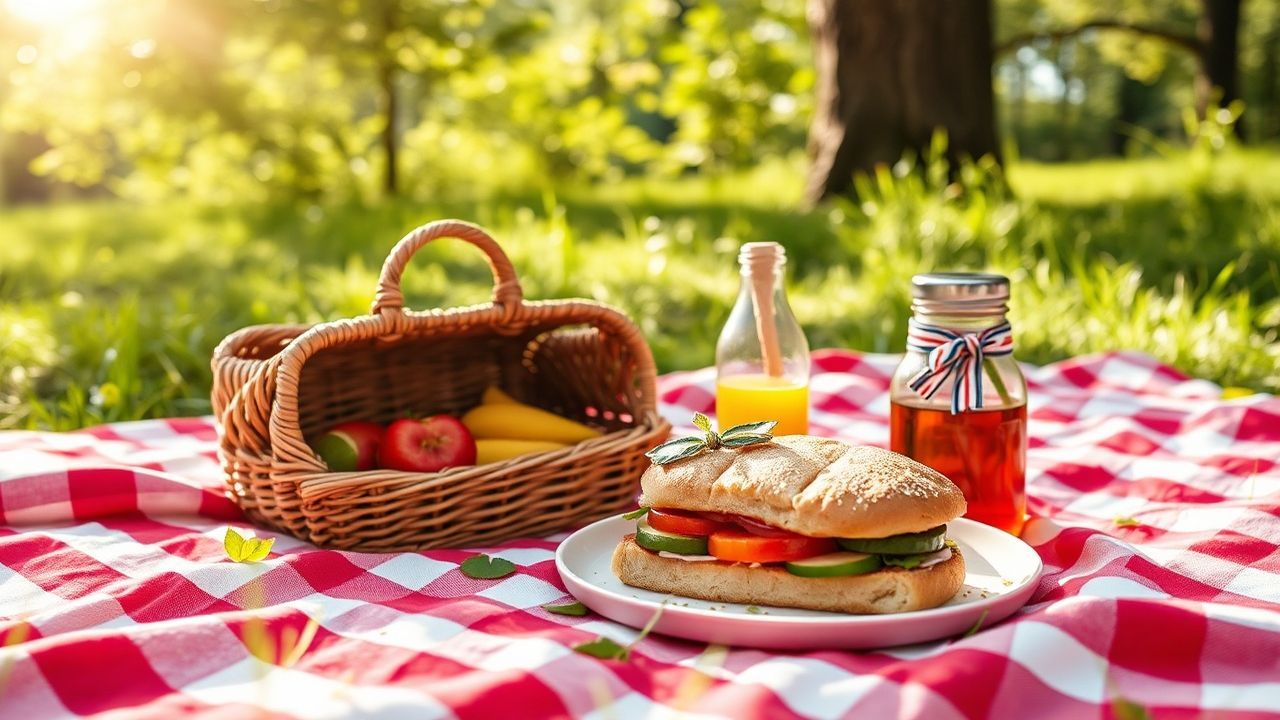

Imagine a sun-drenched afternoon with a checkered blanket beneath a canopy of leaves and the aroma of freshly made sandwiches and bright salads. A successful picnic mixes flavor with deliberate food-safety chemistry to keep meals fresh and enjoyable outdoors.
- Control pH and temperature to slow spoilage and enzymatic browning.
- Use natural antioxidants like citrus and herbs to extend color and flavor.
- Pack smart with insulated coolers and airtight containers for safe transport.
Understanding Food Preservation Chemistry for Picnic Freshness
Preservation relies on predictable chemical levers: acidity, water activity, and antioxidant presence. Controlling these variables slows microbial growth and enzymatic reactions that cause spoilage.
For example, citric acid lowers surface pH to reduce enzymatic browning in fruits. For deeper context, consult food preservation principles that underpin many traditional and modern methods.
Prep and Cook Time
- Preparation: 20 minutes
- Cooking: 15 minutes
- Total: 35 minutes
Yield
- Servings: 4 picnic portions
Difficulty Level
- Easy to Medium – Practical for home cooks seeking reliable results
Ingredients
- 1 cup cooked quinoa, cooled to room temperature
- 1/2 cup cherry tomatoes, halved
- 1/4 cup fresh basil, finely chopped
- 1/4 cup diced cucumber, drained
- 1/4 cup crumbled feta cheese
- 2 tablespoons extra virgin olive oil
- 1 tablespoon fresh lemon juice
- 1 teaspoon honey
- Salt and freshly ground black pepper, to taste
- 1 teaspoon fresh rosemary, minced
- 1/2 teaspoon ground turmeric (antioxidant benefits)
Instructions
- Combine the base: Gently fluff cooked quinoa with a fork to prevent clumping.
- Add vibrant veggies: Stir in cherry tomatoes, diced cucumber, and fresh basil so ingredients distribute evenly.
- Infuse flavor and preservation: Whisk olive oil, lemon juice, honey, minced rosemary, turmeric, salt, and pepper until emulsified.
- Marinate the salad: Pour the dressing over the quinoa and toss to coat all pieces thoroughly.
- Incorporate feta: Fold in crumbled feta gently to avoid breaking the curds.
- Chill for freshness: Cover and refrigerate at least 30 minutes. The acidity and antioxidants will meld flavors and slow spoilage.
- Pack strategically: Store the salad in an airtight container and keep it cold until serving.
Packing, Temperature Control and Safety
Temperature controls drive microbial kinetics. Keep perishable items at or below 4°C (40°F) to slow bacterial growth and enzymatic reactions.
Practical tools include insulated coolers, reusable ice packs, and partitioned containers to prevent cross-contamination. For engineering context, review the physics of refrigeration which explains how heat transfer keeps food cold.
Flavor Chemistry and Culinary Techniques
Heat-driven reactions, like the Maillard reaction, create the complex aromas and brown crusts we associate with grilled foods. Controlling time and temperature optimizes flavor without overcooking.
Learn more about the underlying reaction at the Maillard reaction. Meanwhile, emulsification stabilizes dressings; an emulsion forms when you bind oil and water with a surface-active agent.
For stable picnic dressings, use mustard or egg yolk as emulsifiers. These molecules present both hydrophilic and hydrophobic ends, so they bridge oil and aqueous phases and prevent separation. A concise primer is available at the emulsion entry.
Tips for Success
- Use cooled grains: Warm quinoa raises container humidity and encourages spoilage.
- Adjust acidity: Add lemon juice when packing in heat to improve shelf life.
- Herbal antioxidants: Rosemary, thyme, and turmeric provide phenolic compounds that slow oxidation.
- Make ahead: Prepare up to 12 hours in advance for flavor melding, but keep chilled.
- Keep cold: Use insulated coolers and maintain core temperatures under 4°C (40°F).
Serving Suggestions
Present the quinoa salad in clear bowls to highlight color contrast and garnish with basil leaves for aroma and visual appeal. Pair with crusty bread or grilled proteins to complete the meal.
For portion control and reduced waste, pack single-serve airtight containers. This minimizes repeated opening and limits oxygen exposure, which slows oxidative spoilage.
| Nutrient | Per Serving |
|---|---|
| Calories | 210 |
| Protein | 6g |
| Carbohydrates | 22g |
| Fat | 11g |
For readers wanting advanced packaging and temperature control techniques, focus on materials that reduce heat transfer and oxygen ingress. Practical changes extend shelf life without complex equipment.
Q&A
This Q&A addresses common chemistry questions that influence picnic safety and flavor. Each answer cites core chemical mechanisms and practical steps you can apply immediately.
Read these concise explanations to translate science into packing and recipe choices that preserve both taste and safety.
Q1: What role does chemistry play in creating delicious picnic foods?
A1: Chemistry governs texture, aroma, and color. Reactions such as the Maillard reaction generate flavor compounds during cooking, while acids and salts modulate protein denaturation and seasoning balance.
Q2: How does chemistry help keep picnic food safe?
A2: Chemistry explains how pH, water activity, and temperature promote or inhibit microbial growth. Adjusting acidity and lowering storage temperature slows microbial metabolism and enzymatic spoilage.
Q3: Why is refrigeration important, and how does it work chemically?
A3: Refrigeration reduces molecular motion and slows enzymatic and microbial reactions. Cooler temperatures thus delay spoilage reactions and extend the safe window for perishable items.
Q4: What chemistry tips help keep fruits and veggies fresh during a picnic?
A4: Prevent oxidation by reducing oxygen exposure and applying acids like lemon juice. These steps slow polyphenol oxidase activity and preserve color and texture.
Q5: Are there natural preservatives chemistry can explain?
A5: Yes. Salt and sugar lower water activity via osmosis, inhibiting microbes, while acids lower pH to discourage bacterial growth. Spices and herbs add antimicrobial phenolics that further slow spoilage.
Closing Remarks
Understanding the chemical controls behind acidity, oxidation, and temperature arms you with repeatable techniques to keep picnic foods safe and appetizing. Apply targeted adjustments and you will see measurable improvements in stability and flavor.
Next time you pack a basket, remember that deliberate choices about pH, cooling, and packaging translate directly into fewer leftovers, fewer food-safety risks, and more enjoyable meals outdoors.
FAQ
This FAQ provides quick, practical answers to the most common picnic chemistry questions. Use it as a checklist before you pack.
Each entry gives an actionable step you can implement in under five minutes.
How long can I safely keep a quinoa salad without refrigeration?
Keep the salad chilled and consume within two hours at room temperature. In hot conditions above 32°C (90°F), reduce that window to one hour to limit bacterial growth.
Does lemon juice really prevent browning?
Yes. Lemon juice supplies citric acid that lowers surface pH and inhibits the enzyme polyphenol oxidase. Apply within minutes of cutting for best results.
Can herbs and spices extend shelf life?
Herbs like rosemary and spices like turmeric contain antioxidant phenolics and volatile compounds that slow oxidation and offer mild antimicrobial effects when used in recipes.
How should I pack beverages with food?
Keep drinks in a separate cooler compartment or upright in a packed cooler to avoid spills. Maintain low temperatures to protect both beverages and perishable foods from warming.
What packaging minimizes spoilage?
Airtight containers and vacuum-sealed packs reduce oxygen exposure. Combine these with insulation and frozen gel packs to lower temperature and slow oxidative and microbial reactions.
For further reading on osmosis and moisture control mechanisms relevant to food preservation, see osmosis for a technical overview.
See also: food chemistry