
Crafting Culinary Gold: 7 Proven Recipe Experiments to Perfect Dishes
Recipe experiments turn a repeatable roast into a dependable weeknight win. Treat every run as a controlled test: change one variable, record results, and refine methodically.
- Why recipe experiments matter
- Prep and Cook Time for recipe experiments
- Yield considerations in recipe experiments
- Difficulty Level and planning recipe experiments
- Ingredients (use for recipe experiments)
- Instructions for controlled recipe experiments
- Tips for Success with recipe experiments
- Serving suggestions and flavor pairing from recipe experiments
- Recording and analyzing recipe experiments
- Key Takeaways
- FAQ
- Establish a control: Run a base roast and take notes before changing anything.
- Change one variable: Adjust a single element per trial to isolate effects.
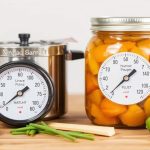
- Measure precisely: Use a scale and probe thermometer to collect repeatable data.
- Record sensory notes: Capture texture, aroma, and perceived seasoning after each test.
Why recipe experiments matter
Well-run recipe experiments convert intuition into predictable technique. Reproducible tests reveal how heat, moisture, and seasoning interact on a molecular and sensory level.
For example, browning results come from the Maillard reaction, which depends on surface temperature and moisture. Testing different surface-drying methods or roast-start temperatures shows measurable effects on crust and flavor.
Prep and Cook Time for recipe experiments
Set clear time windows for preparation, high-heat searing, and lower-temperature finish. A consistent schedule helps you compare trials without confounding timing variables.
This technique aligns with fundamentals of roasting, where initial high heat promotes browning and later moderation cooks evenly. Note exact durations and oven behavior for each experiment.
Yield considerations in recipe experiments
This roast yields about six servings when using a 4 lb bird; scaling is linear for major components but not always for aromatics. Keep salt-to-protein ratios consistent to preserve flavor balance when scaling.
When you increase volume, test seasoning on smaller portions first. That keeps a control against over-salting or under-seasoning during scale-up runs.
Difficulty Level and planning recipe experiments
Classify this workflow as medium difficulty: it requires basic trussing, thermometer use, and timing discipline. Those skills let you focus on experimental variables instead of troubleshooting technique problems.
Begin with a single control roast. After a reliable baseline, run short micro-experiments—adjust resting time, swap a spice, or change sear duration—and record the sensory and numeric outcomes.
Ingredients (use for recipe experiments)
Choose dependable basics: quality oil, fresh aromatics, and a sound primary protein. Consistent input materials reduce noise in your test data and clarify the impact of methodic changes.
Use a kitchen scale, measure salts by weight, and keep optional substitutions documented. Accurate ingredient control supports meaningful comparisons between recipe experiments.
- 1 whole chicken (about 4 lbs), patted dry
- 2 tbsp olive oil (preferably extra virgin)
- 1 lemon, zested and quartered
- 4 garlic cloves, minced
- 2 tsp smoked paprika
- 1 tsp ground cumin
- 1 tbsp fresh thyme leaves, chopped
- Salt – 1½ tbsp coarse sea salt, divided
- Freshly ground black pepper – 1 tsp
- 1 small onion, quartered
- 1 cup low-sodium chicken broth
- Optional garnish: chopped fresh parsley and lemon wedges
- Ingredient substitution options:
- For olive oil: avocado or walnut oil for nutty notes
- For smoked paprika: chipotle or sweet paprika for different smoke/sweet profiles
Instructions for controlled recipe experiments
Run the core method first to create a control result. Record weight, oven thermometer reading, and exact timing for every step before changing anything.
Rely on a probe thermometer for internal temperature readings; doneness metrics beat visual cues. Keep a test log with objective numbers and tasting notes for each experiment.
Roast schedule
- Preheat oven to 425°F (220°C). Position rack in the middle for even circulation.
- Loosen the skin to allow seasoning beneath; this increases localized flavor without over-salting the exterior.
- Combine oil, lemon zest, garlic, smoked paprika, cumin, thyme, 1 tbsp salt, and pepper and rub under skin and over the outside to build flavor layers.
- Place lemon and onion in the cavity for aromatics and moisture during roasting.
- Truss the legs to promote even cooking and tidy presentation.
- Transfer chicken to a roasting pan or oven-safe skillet and pour broth in the pan to maintain humidity and collect pan juices for sauce.
- Roast 15 minutes at high heat to crisp skin, then reduce to 350°F (175°C) and roast 45–55 minutes, basting occasionally.
- Check doneness with a thermometer inserted into the thigh; target 165°F (74°C) internal temperature.
- Remove and rest 15 minutes before carving; resting lets fibers relax and juices redistribute.
- Carve and serve with parsley and lemon wedges; spoon pan juices over slices for gloss and moisture.
Resting and carving notes
Do not skip resting; it materially affects juice redistribution and slice quality. Measure resting duration across trials to see how mouthfeel changes with 5–20 minute adjustments.
Carve against the grain for the tenderest pieces and reserve pan juices for a light pan sauce. Use the same carving technique each trial to reduce variance in mouthfeel assessments.
Tips for Success with recipe experiments
Control one variable per experiment: swap a spice, adjust temperature, or change resting time. That discipline turns observations into actionable conclusions.
Record every trial in a bound notebook or digital log. Include oven behavior notes, exact weights, thermometer placement, and tasting impressions for reliable pattern detection.
Keep skin dry before the high-heat phase to improve crisping. Pat with paper towels and avoid early wet brines unless you intend to test moisture retention as a variable.
Keep your thermometer probe clean and avoid bone contact during readings; touching bone gives falsely high results. Place the probe near the bone but not on it to capture accurate muscle temperature.
Serving suggestions and flavor pairing from recipe experiments
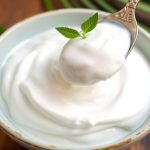
Pair the roast with bright, acidic sides to balance richness. A lemony quinoa salad or cooling cucumber-yogurt works well to reset the palate between smoky bites.
Apply pan juices as a finishing sauce for gloss and added flavor. Consider pairing notes using basic flavor principles: contrast saltiness with acidity and provide textural variety.
| Nutritional Information (per serving) | Calories | Protein (g) | Carbs (g) | Fat (g) |
|---|---|---|---|---|
| Roasted Herbed Chicken | 380 | 45 | 2 | 18 |
Recording and analyzing recipe experiments
Standardize your log fields: date, ingredient weights, oven thermometer reading, internal temp, resting time, tasting notes, and a final score. Consistent fields speed comparative analysis.
After three to five runs, aggregate your notes and look for patterns: does a longer rest correlate with juicier legs? Does higher sear temp consistently improve crust without drying the breast? Use small sample statistics to guide decisions.
Key Takeaways
Each controlled test advances your technique and clarifies cause-effect relationships. Methodical recipe experiments reduce guesswork and improve consistency across cooks.
Prioritize precise measurement, single-variable changes, and clear sensory notes. Over time, these habits turn ad-hoc cooking into reproducible results you can teach others.
FAQ
How do I start with recipe experiments if I’m a beginner?
Begin with one control roast and document every step. Make a single, small change per subsequent trial and compare results against your control to learn the effect.
How many trials should I run to trust a result?
Run at least three consistent trials for a pattern to emerge, then expand to five for greater confidence. Repeatability is the primary metric of a reliable recipe experiment.
What tools are essential for useful recipe experiments?
A digital kitchen scale and a calibrated probe thermometer are the two most impactful tools. They convert subjective impressions into measurable data you can reproduce.
Can I test multiple variables at once to save time?
No. Changing multiple variables creates confounding results. Save time by prioritizing the most likely impactful change and test that one factor per run.
Where can I read more about cooking science to support my experiments?
Reference solid technical overviews such as the general cooking concepts and the chemistry behind browning and flavor. These resources help you form hypotheses to test in the kitchen.
See also: recipe experiments