
By using this site, you agree to the Privacy Policy and Terms of Use.
Accept

CookOrBit

  • Home
  • About Us
  • Ingredient Science
    • Flavor & Aroma
    • Protein Chemistry
    • Sugar & Starch
    • Fats & Emulsions
  • Cooking Techniques
    • Searing & Grilling
    • Baking & Roasting
    • Boiling & Steaming
    • Low & Slow
  • Kitchen Experiments
    • DIY Ferments
    • Flavor Tests
    • Gadget Testing
    • Molecular Gastronomy
  • Food Myths
    • Searing Myth
    • 5-Second Rule
    • MSG Myths
    • Microwave Myths
  • More
    • Extra Picks
    • Quick & Easy
      • Breakfast Ideas
      • Desserts
      • Snacks
      • Soups
    • Global Flavors
      • Asian Street Eats
      • Latin Comforts
      • Mexican Flavors
      • Modern Mediterranean

CookOrBit

  • Home
  • About Us
  • Ingredient Science
  • Cooking Techniques
  • Kitchen Experiments
  • Food Myths
  • More
Search
  • Home
  • About Us
  • Ingredient Science
    • Flavor & Aroma
    • Protein Chemistry
    • Sugar & Starch
    • Fats & Emulsions
  • Cooking Techniques
    • Searing & Grilling
    • Baking & Roasting
    • Boiling & Steaming
    • Low & Slow
  • Kitchen Experiments
    • DIY Ferments
    • Flavor Tests
    • Gadget Testing
    • Molecular Gastronomy
  • Food Myths
    • Searing Myth
    • 5-Second Rule
    • MSG Myths
    • Microwave Myths
  • More
    • Extra Picks
    • Quick & Easy
    • Global Flavors
Follow US
  • Advertising Policy
  • Contact Us
  • Cookie Policy
  • Copyright Notice
  • Disclaimer
  • Privacy Policy
  • Terms of Service
By Fimaw.com
Unlocking Flavor: How Marinating Time Transforms Taste
CookOrBit > Blog > Kitchen Experiments > Flavor Tests > Unlocking Flavor: How Marinating Time Transforms Taste
Flavor Tests

Unlocking Flavor: How Marinating Time Transforms Taste

William J. Kroll By William J. Kroll Published November 10, 2025
Share
SHARE

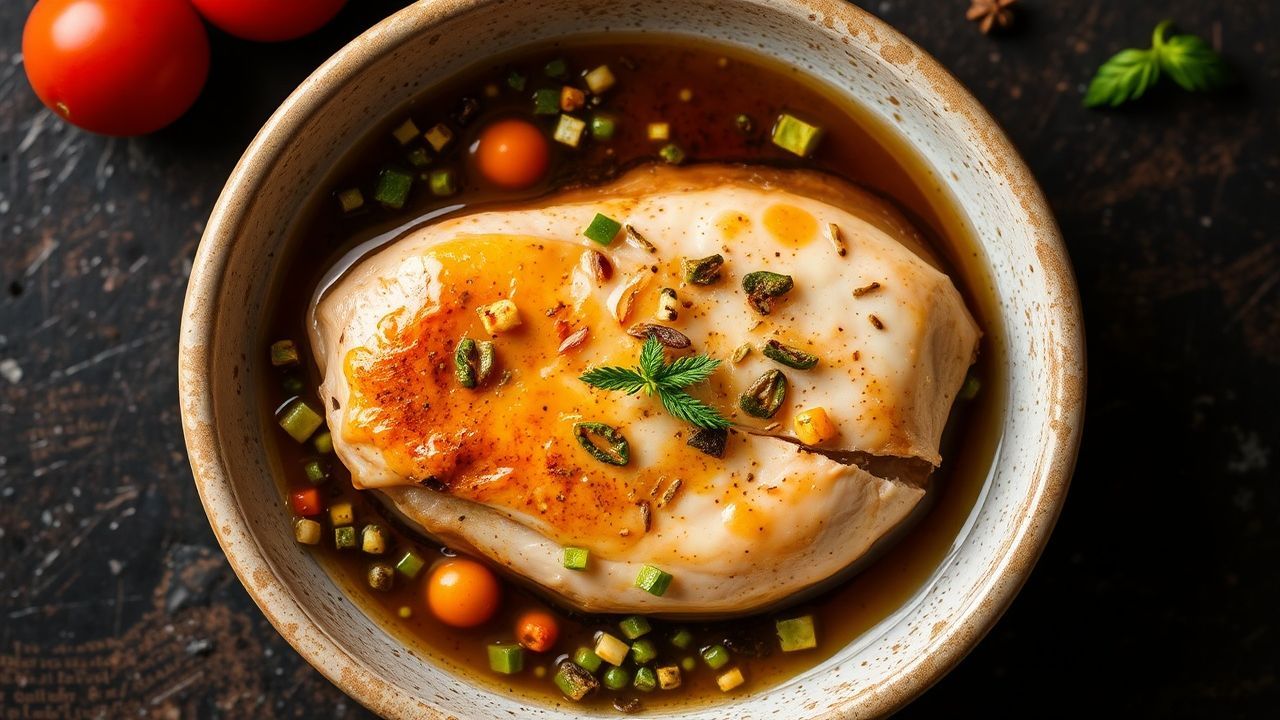
Imagine a simple piece of chicken or a slab of tofu, plain and unassuming. Now, envision it soaking in a fragrant bath of herbs, spices, acids, and oils, where time works its quiet magic. This transformative ritual, known as marinating, is much more than a step in cooking-it’s the secret alchemy that unlocks layers of flavor previously hidden beneath the surface. In this article, we will dive into the essence of marinating time, exploring how minutes can turn ordinary ingredients into extraordinary taste experiences, the science behind flavor infusion, and practical tips to master this timeless culinary art. Get ready to discover how patience in marinating not only enhances flavor but elevates your entire cooking adventure.

Contents
Prep and Cook TimeYieldDifficulty LevelIngredientsInstructionsTips for Success: Balancing Patience and PracticalityServing SuggestionsQ&AConcluding Remarks

Unlocking Flavor through the art and science of marination transforms ordinary proteins into culinary masterpieces bursting with depth and complexity. Understanding how acids, oils, enzymes, and aromatics interact with different foods allows you to tailor each marinade specifically for maximum flavor infusion. Whether infusing a tender chicken breast or bold flank steak, the secret lies not only in the ingredients but also in the timing and technique you employ.

Prep and Cook Time

  • Preparation Time: 15 minutes
  • Marination Time: 30 minutes to 24 hours (depending on protein)
  • Cooking Time: 10-30 minutes (varies by cooking method)

Yield

Serves 4 generously

Difficulty Level

Medium – requires some planning for marination timing but easy to execute

Ingredients

  • 1/2 cup extra virgin olive oil
  • 1/4 cup fresh lemon juice (acid for tenderizing)
  • 3 cloves garlic, minced
  • 2 tablespoons soy sauce (adds umami depth)
  • 1 tablespoon honey (balances acidity with sweetness)
  • 1 teaspoon smoked paprika
  • 1 teaspoon freshly ground black pepper
  • 1 teaspoon sea salt
  • 1 tablespoon fresh chopped rosemary or thyme
  • Proteins of choice: chicken breasts, flank steak, tofu, or fish fillets

Instructions

  1. Combine marinade ingredients: In a medium bowl, whisk together olive oil, lemon juice, garlic, soy sauce, honey, paprika, black pepper, and salt until emulsified. Stir in fresh herbs last to preserve aroma.
  2. Prepare proteins: Pat dry your choice of protein to ensure marinade clings properly. Lightly score thicker cuts of meat for deeper infusion.
  3. Marinate: Place proteins in a resealable bag or shallow dish and pour marinade over. Massage gently to coat evenly. Seal and refrigerate according to timing below:
  4. Timing tips for proteins:
    • Chicken breasts: 1-4 hours for optimal juiciness
    • Flank steak: 6-12 hours for deep flavor and tenderness
    • Firm fish (salmon, tuna): 30 minutes to 1 hour to avoid breakdown
    • Tofu: 30 minutes to 2 hours to absorb without becoming mushy
  5. Cook: Remove from marinade and let excess drip off. Grill, pan-sear, or bake according to your preference until cooked through and flavorful. Use medium-high heat for caramelized edges.
  6. Rest and serve: Allow cooked proteins to rest for 5 minutes to redistribute juices before slicing.

Tips for Success: Balancing Patience and Practicality

  • Use acidic ingredients like lemon juice or vinegar thoughtfully: They break down proteins but too long can make textures mushy.
  • Oils and herbs protect and add complexity: They slow acid’s over-tenderizing effect and infuse fragrant layers.
  • Adjust marination times based on thickness: Thin fish needs shorter marinating; dense beef benefits from longer periods up to overnight.
  • Marinate in the refrigerator: Food safety and flavor preservation go hand in hand.
  • Make ahead and freeze: Marinate proteins overnight and freeze in marinade to enhance both convenience and intensity.

Serving Suggestions

Present your marinated masterpiece atop a bed of fluffy jasmine rice or seasoned quinoa. Garnish with freshly chopped herbs, a drizzle of high-quality olive oil, and a wedge of lemon or lime. For a colorful finish, scatter toasted sesame seeds or a spoonful of vibrant chimichurri sauce to elevate textures and tastes. Pair with roasted seasonal vegetables or a crisp green salad to balance richness.

Unlocking Flavor: How Marinating Time Transforms Taste

Nutrition Per Serving
Calories 320
Protein 28g
Carbohydrates 6g
Fat 18g

Explore more marinating techniques for grilling success and deepen your culinary prowess. For an authoritative dive into food chemistry and safe marinating practices, visit USDA Food Safety and Inspection Service.

Q&A

Q&A: Unlocking Flavor – How Marinating Time Transforms Taste

Q1: What exactly happens to food during marinating?
A1: Marinating is like giving your food a flavorful hug. As it soaks in the marinade-a blend of acids, oils, herbs, and spices-the ingredients begin to break down and absorb those vibrant flavors. Acids tenderize the protein while the aromatic components infuse their essence, transforming a simple dish into a taste sensation.

Q2: How important is the duration of marinating?
A2: Time is flavor’s best friend! The longer food lounges in its marinade, the deeper and more pronounced the taste becomes. However, it’s a delicate dance-too short, and the flavors barely sneak in; too long, especially with acidic marinades, and the texture can become mushy or overly sour. Finding the sweet spot for each ingredient is key.

Q3: Can all foods be marinated for the same length of time?
A3: Not quite. Different foods have varying textures and porousness. For example, tender seafood may only need 15-30 minutes, while tougher cuts of beef or chicken shine after several hours or even overnight. Vegetables typically require less time, as their structure absorbs flavors quicker but can become watery if over-marinated.

Q4: Does the type of marinade affect how long it should be applied?
A4: Absolutely! Acid-heavy marinades (like lemon juice or vinegar) work quickly but can “cook” delicate proteins if left too long. Oil-based or herb-infused marinades might take longer to impart flavor but are gentler on the texture. The marinade’s composition and the ingredient’s nature guide marinating time.

Q5: What are some tips for mastering marinating time at home?
A5: First, consider the food’s density and the marinade’s acidity. Keep marinating times in check-think of it as flavor layering rather than a sprint. Always marinate in the refrigerator to keep things safe and fresh, and use a non-reactive container like glass or stainless steel. Experiment with timing in small batches to find your perfect flavor balance.

Q6: Can marinating time impact the nutritional value of food?
A6: While marinating is primarily about flavor and texture, it can slightly alter nutritional profiles. Acidic marinades can break down some proteins, and antioxidant-rich herbs can add nutritional perks. Just be cautious with sugar-heavy marinades, which might add extra calories.

Q7: Is marinating the only way to boost flavor, or can marinating time be combined with other techniques?
A7: Marinating is just one player in the flavor game. Combining marinating with techniques like grilling, roasting, or searing can create complex, multi-dimensional tastes. Marinating enhances the inside; cooking methods develop a delicious, caramelized crust or smoky finish-together, they unlock flavor magic.


Unlocking the power of marinating time invites you to become part chemist, part artist in the kitchen-transforming every bite into a vibrant, flavor-packed experience!

Concluding Remarks

As the final minutes tick away, remember that marinating is more than just a step-it’s a journey of flavor waiting to unfold. Whether you’re dipping a quick 30 minutes or letting your dish luxuriate overnight, the time your ingredients spend soaking in spices, acids, and herbs can unlock a world of taste previously unexplored. So next time you stand before your cutting board and a bowl of marinade, think of it not as waiting, but as setting the stage. Because when it comes to flavor, patience isn’t just a virtue-it’s the secret ingredient that transforms every bite into a masterpiece.
Unlocking Flavor: How Marinating Time Transforms Taste

You Might Also Like

Bright Start: Refreshing Lemon Blueberry Overnight Oats Recipe

Hearty Turkey and Bean Soup: A Comforting Classic Recipe

Unlock Flavor: How to Make Creamy Roasted Garlic Hummus Dip

Hearty Turkey Vegetable Noodle Soup: A Nutritious Classic

Savoring Turkey and Rice Stew: A Hearty Delight Unveiled

TAGGED:andhowmarinatingtheunlocking
Share This Article
Facebook Twitter Pinterest Whatsapp Whatsapp LinkedIn Telegram Threads
What do you think?
Love0
Sad0
Happy0
Sleepy0
Angry0
Dead0
Wink0
Previous Article Why Are My Water Kefir Grains Not Multiplying? Trouble Tips Why Are My Water Kefir Grains Not Multiplying? Trouble Tips
Next Article When Your Vacuum Sealer Fails: Troubleshooting Tips That Work When Your Vacuum Sealer Fails: Troubleshooting Tips That Work
Turkey Meatloaf Muffins: Protein-Packed Bites of Comfort
Extra Picks
Cozy Up with Creamy Roasted Squash and Apple Soup Bliss
Extra Picks
Hearty Beef and Potato Hash: A Savory Classic to Savor
Extra Picks
Unlocking Flavor: Mastering Vegetable Searing for Perfect Caramelization
Extra Picks

Most Viewed Posts

  • The Art and Science Behind Perfect Culinary Espumas (1,455)
  • Crisp Science: Unlocking the Chemistry of Perfect Tempura (914)
  • Unlocking Vanillin: The Chemistry Behind Vanilla’s Magic (352)
  • Master the Art of the Perfectly Boiled Potato Every Time (309)
  • Fats That Transform: Experimenting with Flavorful Fats (299)

Tags

and art beef behind carrot chemistry chicken crafting creamy crispy exploring flavor food for garlic hearty heat how magic make master mastering microwave perfect perfectly protein savor science searing secrets steak sweet the top turkey ultimate unlocking unveiling velvety what when why with your zesty
January 2026
M T W T F S S
 1234
567891011
12131415161718
19202122232425
262728293031  
« Dec    

You Might Also Like

Mastering Meringue: Secrets to a Perfectly Stable Whip
Protein Chemistry

Mastering Meringue: Secrets to a Perfectly Stable Whip

William J. Kroll William J. Kroll January 12, 2026
Whisking Woes: What Happens When Sugar Hits Egg Whites Early?
Sugar & Starch

Whisking Woes: What Happens When Sugar Hits Egg Whites Early?

William J. Kroll William J. Kroll January 12, 2026
Unlocking Microwave Power: Mastering Levels for Perfect Cooking
Microwave Myths

Unlocking Microwave Power: Mastering Levels for Perfect Cooking

William J. Kroll William J. Kroll January 12, 2026
Unlocking Rosemary’s Essence: The Science Behind Its Flavors
Flavor & Aroma

Unlocking Rosemary’s Essence: The Science Behind Its Flavors

William J. Kroll William J. Kroll January 12, 2026
Picnic Chemistry: Safely Blending Fun with Food Science
5-Second Rule

Picnic Chemistry: Safely Blending Fun with Food Science

William J. Kroll William J. Kroll January 12, 2026
Free vs. Bound Glutamate: Unlocking Flavor Science Secrets
MSG Myths

Free vs. Bound Glutamate: Unlocking Flavor Science Secrets

William J. Kroll William J. Kroll January 12, 2026
Follow US
By Fimaw.com © All Rights Reserved.
  • Advertising Policy
  • Contact Us
  • Cookie Policy
  • Copyright Notice
  • Disclaimer
  • Privacy Policy
  • Terms of Service
Welcome Back!

Sign in to your account

Lost your password?