

Unlock Flavor: Mastering MSG in Your Home Cooking Recipes
MSG—monosodium glutamate—works like a precise flavor amplifier when used correctly. Many home cooks overlook how a measured pinch can enhance savory depth without masking base ingredients.
- Quick Prep Summary
- Ingredients
- Essential Technique: Why Timing Matters
- Step-by-Step Instructions
- Tips for Success
- Safety, Storage, and Sourcing
- Serving Suggestions
- Nutrition Snapshot
- Evidence and Context
- FAQ
- What is MSG and how does it work?
- Is MSG safe to use?
- How much MSG should I use?
- Can MSG replace salt?
- Where can I learn more about umami and technique?
- To Wrap It Up
- Key takeaway 1: MSG boosts umami, not saltiness.
- Key takeaway 2: Use ½ to 1 teaspoon per four servings for balance.
- Key takeaway 3: Add toward the end of cooking to preserve potency.
Understanding MSG starts with its chemistry and culinary role. Read the science on monosodium glutamate to connect basic chemistry to practical kitchen technique.
Quick Prep Summary
Prep: 10 minutes. Cook: 20 minutes. Total 30 minutes. These times assume basic mise en place and a medium-hot skillet or wok.
Yield: Serves 4 generous portions. The recipe scales linearly; adjust MSG proportionally and taste as you go.
Ingredients
Choose fresh aromatics and a neutral oil for a clean savory base. The ingredients below support umami layers while allowing MSG to accent, not dominate.
For vegetarian swaps, use mushroom or vegetable broth and firm tofu to recreate texture and glutamate support from natural ingredients.
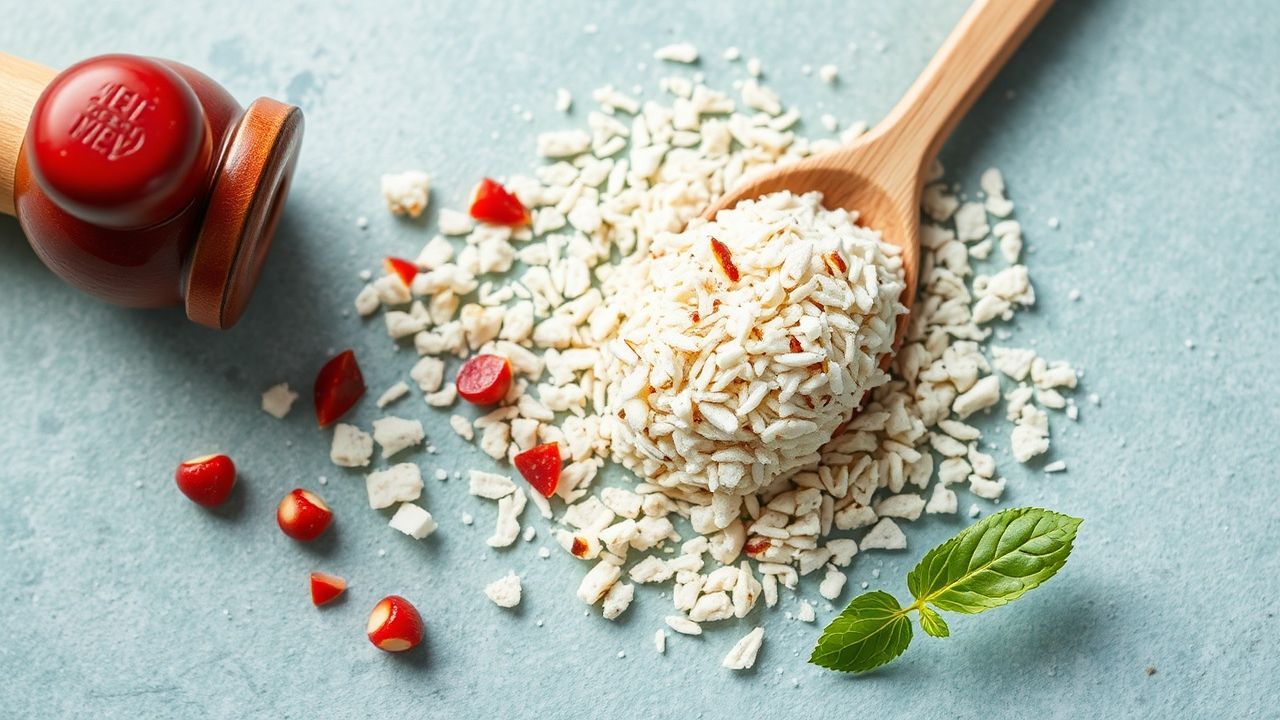
- 1 teaspoon MSG (monosodium glutamate) – food-grade crystalline form
- 2 tablespoons soy sauce, low sodium recommended
- 1 cup chicken or vegetable broth
- 1 tablespoon olive or neutral oil
- 1 medium onion, finely chopped
- 3 cloves garlic, minced
- 1 teaspoon freshly ground black pepper
- 200 g chicken breast, thinly sliced (or 200 g firm tofu)
- 1 cup mixed vegetables (bell pepper, mushrooms, snap peas)
- 1 teaspoon grated fresh ginger
- 2 green onions, thinly sliced for garnish
- Cooked jasmine or brown rice, for serving
Essential Technique: Why Timing Matters
MSG dissolves quickly and integrates best late in the cook cycle. Adding it during the simmer step preserves its flavor-enhancing properties and prevents over-extraction or aflat taste changes.
Use MSG like a seasoning adjustment. Add a small amount, taste, and refine. This mirrors the approach used in professional kitchens for consistent results.
Step-by-Step Instructions
These steps produce a balanced, savory stir-style entrée. Work briskly once the pan is hot to seal flavors and preserve vegetable texture.
Follow the order below to develop layers: aromatics, protein, vegetables, liquids, then MSG and finishing seasoning.
- Heat the pan: Warm oil in a large skillet or wok over medium-high heat until shimmering. Add onion and sauté 3-4 minutes until translucent.
- Add aromatics: Stir in garlic and ginger, cooking 30-60 seconds until fragrant to build the flavor base.
- Brown protein: Add sliced chicken or tofu and sear 5-6 minutes until cooked through, turning to get even color.
- Vegetables: Toss in mixed vegetables and cook 3-4 minutes to maintain a tender-crisp bite.
- Liquids: Pour in broth and soy sauce, stir, and bring to a gentle simmer to create a cohesive sauce.
- Add MSG: Sprinkle ½ to 1 teaspoon evenly and stir to dissolve. Taste and adjust. MSG should enhance umami, not overpower the dish.
- Reduce: Let the sauce thicken slightly for 4-5 minutes so it glazes ingredients and concentrates flavor.
- Finish: Season with pepper and, if needed, a light pinch of salt. Remove from heat and garnish with green onions.
- Serve: Spoon over steamed rice and enjoy immediately for best texture.
Tips for Success
Precision matters with MSG. Start smaller than you think, taste, and add more in ¼-teaspoon increments to find the perfect balance.
Combine MSG with glutamate-rich ingredients such as mushrooms, tomatoes, or aged cheeses for compounded umami. See the concept explained via umami.
Keep notes across trials: record amounts, timing, and tasting outcomes. That log accelerates learning and yields reliable results across recipes.
Practical Substitutions and Variations
For vegetarian versions, opt for mushroom broth and umami-rich add-ins like shiitake or dried porcini. Their natural glutamates complement supplemental MSG.
To boost roast flavors, use a small amount of MSG in pan sauces or gravies. It pairs especially well with caramelized onions and reduced broths.
Safety, Storage, and Sourcing
MSG is a purified sodium salt of glutamic acid, present in many natural foods. Review the biochemical basis on glutamic acid for context on naturally occurring glutamates.
Store MSG like other seasonings: airtight, cool, and dry. Kept properly, it remains stable for years and blends readily into dry mixes.
Serving Suggestions
Serve with steamed jasmine or brown rice and a crisp vegetable side to contrast the rich sauce. A few toasted sesame seeds add fragrance and texture.
Pair with lighter beverages to refresh the palate. For alternate serving ideas and plating, see our internal Guide to Umami Flavors and stir-fry techniques page for method variations.
Nutrition Snapshot
This dish is lean on carbohydrates and moderate in protein and fat, depending on the protein choice. The example breakdown estimates 280 kcal with ~25 g protein per serving.
Because MSG contains sodium, factor its contribution when calculating total dietary sodium. You can reduce table salt to keep overall sodium lower while maintaining flavor.
| Nutrient | Per Serving |
|---|---|
| Calories | 280 kcal |
| Protein | 25 g |
| Carbohydrates | 12 g |
| Fat | 10 g |
Evidence and Context
Regulatory agencies and decades of research classify MSG as safe when used in typical culinary amounts. For background on additives and regulatory frameworks, consult the general overview on food additives.
Understanding why MSG works requires no mysticism: it amplifies umami receptors in the tongue, enhancing perceived depth and roundness in savory dishes.
FAQ
What is MSG and how does it work?
MSG is the sodium salt of glutamic acid. It activates umami taste receptors and enhances savory perception in foods, especially broths, sauces, and cooked vegetables.
Is MSG safe to use?
Yes. Scientific literature supports its safety for the general population at normal culinary doses. People with known sensitivity should limit intake and communicate with hosts.
How much MSG should I use?
Start with ½ teaspoon per four servings. Taste and add up to 1 teaspoon if needed. Small adjustments matter more than large additions.
Can MSG replace salt?
MSG enhances perceived saltiness and umami, letting you reduce total salt by 20-30% in many recipes while keeping flavor satisfying.
Where can I learn more about umami and technique?
Explore our internal Guide to Umami Flavors for deeper method work and ingredient pairings. For on-the-pan technique, see stir-fry techniques.
To Wrap It Up
MSG is a precise culinary tool that, when applied with care, elevates savory balance across a wide range of dishes. It helps you get fuller flavor from simple ingredients and can reduce reliance on excess salt.
Practice measured additions, document your results, and combine MSG with natural glutamate sources to build layered, craveable meals. Use the techniques above to bring professional-level umami to everyday home cooking.
See also: MSG