
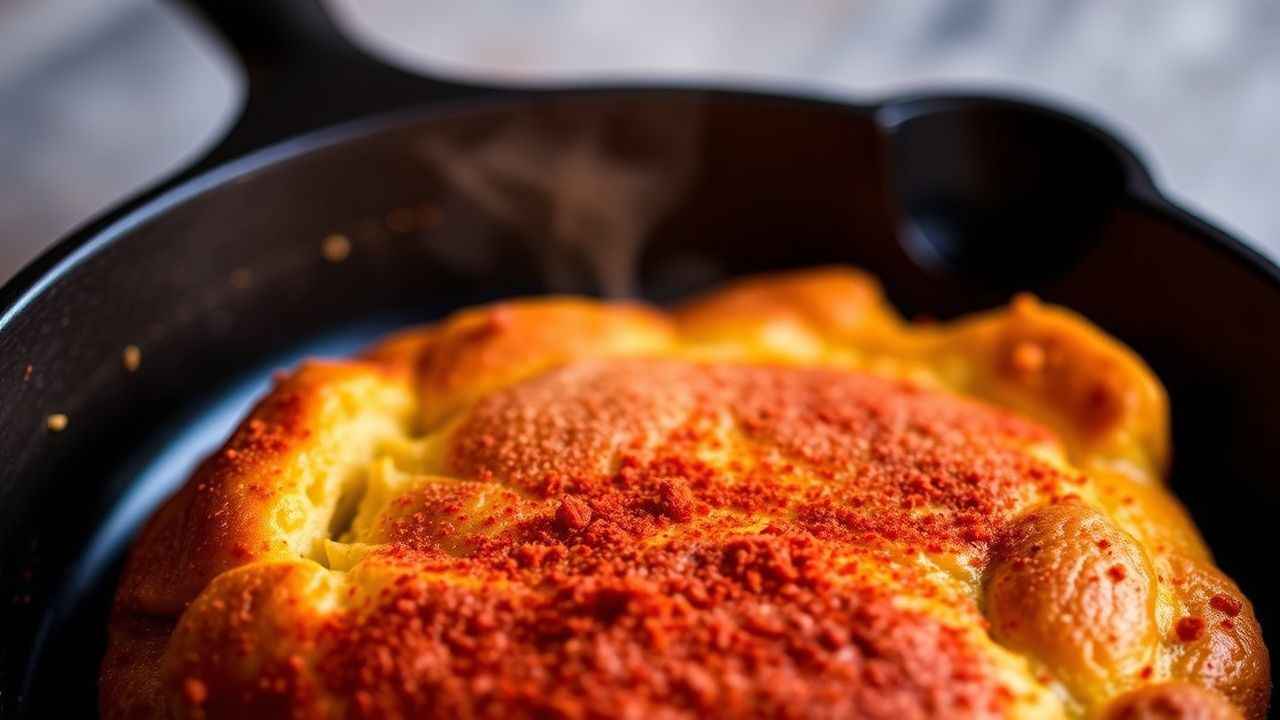

Paprika does more than season; it changes the way baked surfaces look and taste. When used deliberately, this spice contributes pigments and subtle flavor compounds that intensify crust color while enhancing aroma.
- Why paprika colors crusts
- How paprika interacts with dough and surface
- Maillard reaction and complementary chemistry
- Prep and Cook Time
- Yield
- Difficulty Level
- Ingredients
- Instructions
- Tips for Success
- Serving Suggestions
- Practical baking adjustments
- Q&A
- What makes paprika more than just a flavorful spice?
- How does paprika influence the crust’s color during baking?
- Is the color effect uniform across different types of paprika?
- Can paprika fix uneven baking or pale crusts?
- How much paprika should I use without overpowering taste?
- Insights and Conclusions
- Pigments matter: Paprika’s carotenoids add warm orange-red tones to crusts.
- Heat chemistry: Pigment oxidation and the Maillard reaction work together to deepen color.
- Technique wins: Application method, oven humidity, and sugars influence final hue.
- Balance flavor: Use smoked or sweet paprika sparingly to avoid bitterness.
Why paprika colors crusts
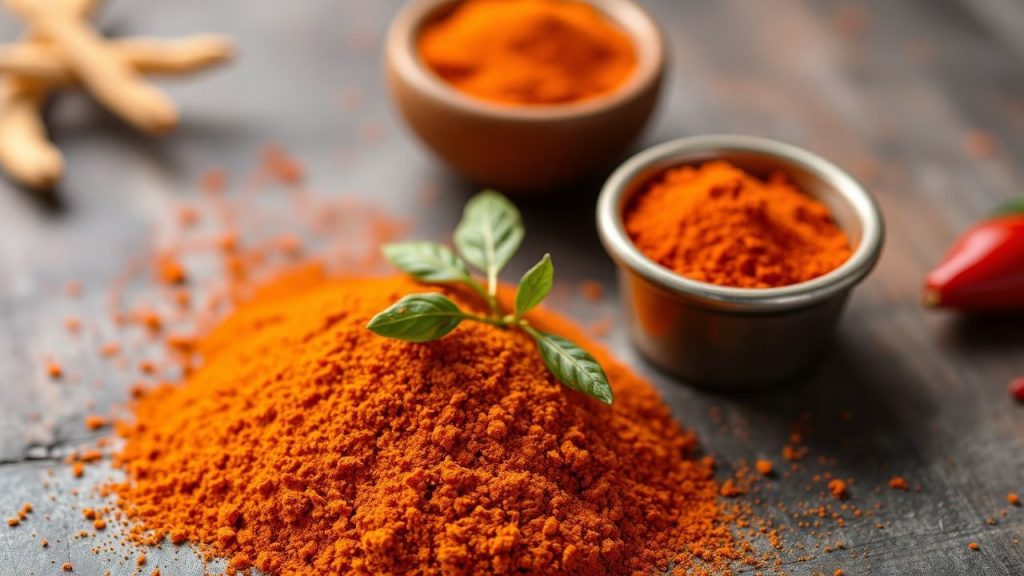
At the molecular level, paprika contains a mix of pigments called carotenoids. These lipid-soluble molecules carry strong orange-red color that survives mixing and shows on the dough surface when applied correctly.
Moreover, heat alters those pigments. As the crust reaches high temperatures, pigments oxidize and change tone, which amplifies the perceived golden hue. For background on the spice itself, see paprika.
Pigments, oxidation and visual change
Carotenoids like capsanthin and capsorubin dominate paprika’s color profile. These compounds absorb and reflect light in the orange-red range, so even small amounts affect color strongly.
During baking, heat-driven oxidation modifies chromophores in carotenoids, changing the way they reflect light. For technical context on these pigments, see carotenoid chemistry.
How paprika interacts with dough and surface
When you fold paprika into dough, pigments distribute through the crumb and the surface. This internal distribution gently tints the crumb and helps the crust appear warmer when baked.
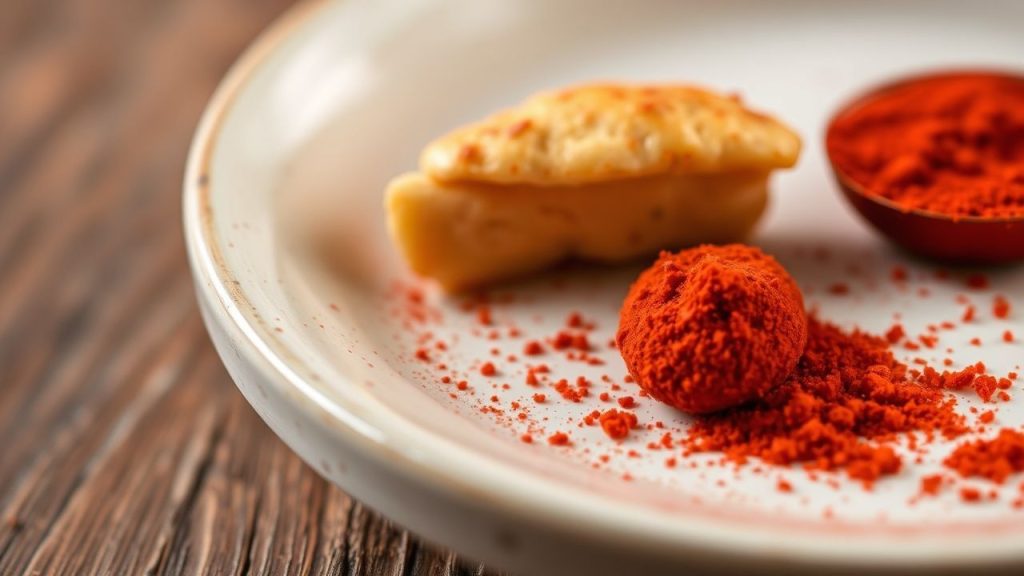
Applying paprika to the surface—by dusting or mixing it into a final oil or butter glaze—keeps pigments concentrated on the crust. That targeted approach yields the most visible color change with the smallest impact on taste.
Application methods and timing
First, incorporate a measured amount into the dough to produce a subtle, consistent tint. Second, reserve a light surface dusting or glaze for the last proof or pre-bake brush; this concentrates color where heat has the greatest effect.
Additionally, a thin oil or butter wash with dissolved paprika improves pigment adhesion and surface sheen. This method also encourages more even browning across the crust surface.
Maillard reaction and complementary chemistry
Color development on crusts rarely results from pigments alone. The Maillard reaction produces melanoidins—brown polymers that deepen color and add roasted notes.
Paprika and Maillard chemistry act together: pigments add hue, while Maillard products add depth and complexity. For a technical overview, consult the Maillard reaction entry.
In practice, bakers use small amounts of sugars or honey to accelerate Maillard browning at safe oven temperatures. Likewise, controlled oven humidity can prolong surface caramelization without burning pigments.
Prep and Cook Time
These timings reflect a standard enriched or lean dough baked for color emphasis. Adjust times modestly for hydration and loaf size.
- Preparation: 15 minutes
- Cooking: 25–30 minutes (depending on recipe)
- Total: 40–45 minutes
Yield
Yield depends on shaping. A standard formula here yields a single loaf suitable for slicing or as dinner rolls.
Serves: 8 generous slices or portions.
Difficulty Level
This technique rates as medium difficulty because it requires judgment on pigment amount and oven control. Less experienced bakers should experiment with small test loaves.
However, with practice, the visual and flavor gains are consistent and repeatable.
Ingredients
Use high-quality base ingredients and fresh paprika for the best results; stale spice yields dull color and muted aroma.
- 3 ½ cups all-purpose flour, sifted
- 1 ½ tsp fine sea salt
- 2 tbsp sweet or smoked paprika (adjust by preference)
- 1 tbsp granulated sugar
- 1 tbsp active dry yeast
- 1 ¼ cups warm water (105–110°F)
- 2 tbsp extra virgin olive oil
- 1 tsp honey or maple syrup (to boost Maillard reaction)
- Optional: ½ tsp garlic powder for savory depth
Instructions
Follow clear steps to preserve yeast activity and pigment integrity. Measure paprika carefully; the spice is potent and can dominate flavor if overused.
- Activate the yeast: Combine warm water, honey, and yeast. Let sit 5–10 minutes until foamy.
- Mix dry ingredients: Whisk flour, salt, paprika, sugar, and optional garlic powder until uniform.
- Combine and knead: Add the yeast mix and oil. Stir to form a shaggy dough, then knead 8–10 minutes until smooth and elastic.
- First rise: Oil a bowl, place dough inside, cover, and allow to double in 1–1.5 hours.
- Shape and second rise: Shape as desired. Rest on a parchment-lined sheet for 30–60 minutes.
- Preheat and finish: Heat oven to 450°F (230°C). Optionally brush with oil or butter mixed with a pinch of paprika.
- Bake: Bake 25–30 minutes until the crust is deep golden and sounds hollow when tapped.
- Cool: Transfer to a wire rack to retain crispness before slicing.
Tips for Success
Small shifts in technique yield noticeable differences in color and flavor. Keep notes on quantity and method so you can reproduce results.
Freshness of spice and even surface application determine how vivid the final crust appears.
Choosing paprika: Sweet paprika gives a milder orange tint; smoked paprika adds deeper, warmer tones with a smoky edge.
Control heat: Avoid excessive oven temperature that can burn pigments and cause bitterness rather than appealing color.
Hydration matters: A slightly wetter dough prolongs caramelization time on the surface, allowing pigments and Maillard products to develop fully.
Make-ahead: Refrigerating dough overnight improves flavor and gives pigments more time to integrate into the matrix of the dough.
[VIABLE_BREAK]
After testing, you can alternate between mixing paprika into the dough and applying a surface wash depending on the intensity you want.
Serving Suggestions
Paprika-tinted crusts pair well with savory toppings because the spice accentuates roasted and smoky notes. Slice warm to showcase aroma and color contrast.
Consider simple accompaniments like herb oil or a mild butter to highlight the crust without masking the paprika’s visual effect.
- Pair with rich cheeses, smoked meats, or roasted vegetables.
- Garnish edges with a light dusting of paprika and flaky sea salt for presentation.
- For savory pastries, add chopped herbs such as rosemary or thyme to harmonize with paprika.
Practical baking adjustments
If your crust darkens too quickly, lower the top heat and increase steam during the first 5–8 minutes. This stabilizes pigment development and delays scorching.
Conversely, if crusts remain pale, add a modest sugar or honey boost and reduce oven humidity to accelerate Maillard browning and pigment oxidation.
For extra technical context around bread structure and baking fundamentals, see bread. For general baking processes, consult baking.
Q&A
What makes paprika more than just a flavorful spice?
Paprika supplies concentrated carotenoid pigments that alter color independently of taste. Also, it contributes volatile compounds that subtly influence aroma during baking.
Therefore, paprika acts as both a colorant and a flavor enhancer when used judiciously.
How does paprika influence the crust’s color during baking?
Heat-driven oxidation changes pigment chromophores and, combined with Maillard browning, produces a deep, warm tone on crust surfaces. The two processes complement each other to produce a richer final color.
Consequently, temperature control and sugar presence directly affect how vivid that color becomes.
Is the color effect uniform across different types of paprika?
No. Sweet, smoked, and hot paprika differ in pigment concentration and additional flavor compounds. Smoked varieties add darker tones and a smoky profile, while sweet paprika leans orange-red.
Thus, choose the variety based on the visual and flavor target for your bake.
Can paprika fix uneven baking or pale crusts?
Paprika can improve visual appeal, but it cannot replace proper baking technique. It makes slightly pale crusts look more appetizing, yet it cannot restore underbaked centers.
Therefore, use paprika as a finishing and augmenting tool, not as a substitute for even heat and correct bake times.
How much paprika should I use without overpowering taste?
Begin conservatively: for a standard loaf, 1–2 tablespoons total divided between dough and surface works well. Increase incrementally and taste at each step during experiments.
Moreover, prefer diluted application methods—oil-based glazes or mixed dough—if you want strong color but mild flavor impact.
Insights and Conclusions
Paprika proves to be a practical, low-risk tool for bakers who want to influence crust color deliberately. It works best when combined with sound baking technique and controlled heat.
By understanding pigments, oxidation, and the Maillard reaction, bakers can reproduce vivid, appetizing crusts reliably and with minimal flavor compromise.
For laboratory-grade pigment stability data and deeper chemical explanations, supplement baking practice with peer-reviewed literature on carotenoid thermal behavior and Maillard pathways.
See also: paprika