
By using this site, you agree to the Privacy Policy and Terms of Use.
Accept
CookOrBitCookOrBitCookOrBit
  • Home
  • About Us
  • Ingredient Science
    • Flavor & Aroma
    • Protein Chemistry
    • Sugar & Starch
    • Fats & Emulsions
  • Cooking Techniques
    • Searing & Grilling
    • Baking & Roasting
    • Boiling & Steaming
    • Low & Slow
  • Kitchen Experiments
    • DIY Ferments
    • Flavor Tests
    • Gadget Testing
    • Molecular Gastronomy
  • Food Myths
    • Searing Myth
    • 5-Second Rule
    • MSG Myths
    • Microwave Myths
  • Tools
  • More
    • Extra Picks
    • Quick & Easy
      • Breakfast Ideas
      • Desserts
      • Snacks
      • Soups
    • Global Flavors
      • Asian Street Eats
      • Latin Comforts
      • Mexican Flavors
      • Modern Mediterranean
CookOrBitCookOrBit
  • Home
  • About Us
  • Ingredient Science
  • Cooking Techniques
  • Kitchen Experiments
  • Food Myths
  • Tools
  • More
Search
  • Home
  • About Us
  • Ingredient Science
    • Flavor & Aroma
    • Protein Chemistry
    • Sugar & Starch
    • Fats & Emulsions
  • Cooking Techniques
    • Searing & Grilling
    • Baking & Roasting
    • Boiling & Steaming
    • Low & Slow
  • Kitchen Experiments
    • DIY Ferments
    • Flavor Tests
    • Gadget Testing
    • Molecular Gastronomy
  • Food Myths
    • Searing Myth
    • 5-Second Rule
    • MSG Myths
    • Microwave Myths
  • Tools
  • More
    • Extra Picks
    • Quick & Easy
    • Global Flavors
Follow US
  • Advertising Policy
  • Contact Us
  • Cookie Policy
  • Copyright Notice
  • Disclaimer
  • Privacy Policy
  • Terms of Service
By Fimaw.com
- Safe Bites: Creative Ways to Teach Kids Food Safety Today
CookOrBit > Blog > Food Myths > 5-Second Rule > Safe Bites: 7 Proven Ways to Teach Kids Food Safety
5-Second Rule

Safe Bites: 7 Proven Ways to Teach Kids Food Safety

William J. Kroll
By William J. Kroll
Published: November 13, 2025
Share
SHARE

Safe Bites: Creative Ways to Teach Kids Food Safety Today

Teaching children practical food safety skills builds healthy habits and reduces the risk of foodborne illness. Use playful, evidence-based activities to make hygiene, safe handling, and basic kitchen rules clear and memorable.

Contents
  • Why teach food safety to kids?
  • Getting started: planning a short session
  • Core activities that work
    • Handwashing demo and practice
    • Germ Detective: spotting contamination
    • Safe handling and separation
  • Classroom setup and materials
  • Assessment and reinforcement
  • Serving suggestions and caregiver engagement
  • Links to trusted context and source material
  • FAQ
    • How long should a food safety session for kids last?
    • What age is appropriate for these activities?
    • How do I measure whether kids learned the steps?
    • Can these lessons increase food curiosity rather than fear?
    • Where can I find more activities and printable materials?
  • Short, repeatable rituals like singing during handwashing improve compliance.
  • Hands-on practice helps kids internalize separation of raw and ready-to-eat foods.
  • Visual aids and role play turn invisible risks into tangible learning moments.

Why teach food safety to kids?

Early instruction gives children the language and routines they need to avoid contamination and common hazards in the kitchen. Teaching food safety reduces the likelihood of mishandling food and builds lifelong competence.

You can link concepts to everyday tasks: washing produce, storing leftovers, and recognizing when food looks or smells off. These concrete routines turn abstract microbiology into manageable actions.

- Advertisement -

Getting started: planning a short session

Plan activities that last 30–45 minutes and require minimal equipment. Keep group sizes small (4–6 children) to maximize practice and supervision.

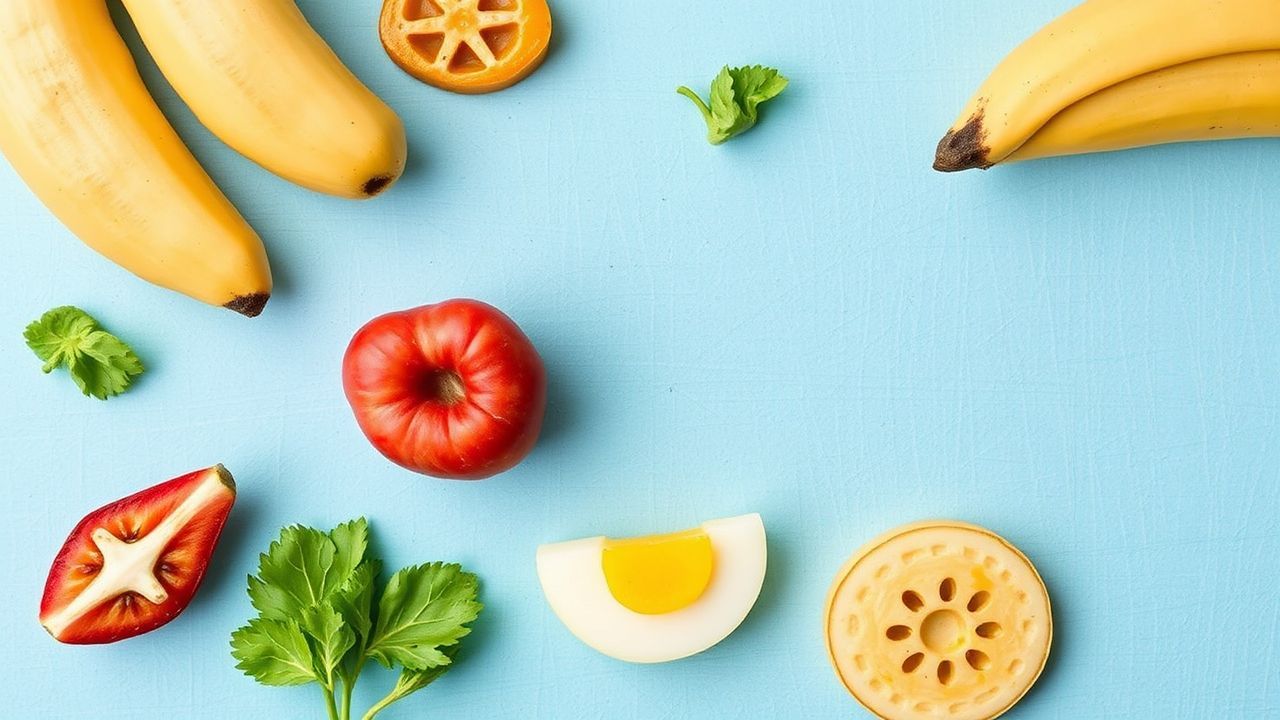
Gather simple props: shaped bread, sliced veggies, paper plates, soap, and storytelling cards. Use bright visuals to hold attention and provide immediate feedback during each activity.

Core activities that work

Choose 3–4 simple stations so children rotate and stay engaged. Each station practices one skill: handwashing, safe handling, separation, or tasting with consent.

- Advertisement -

Introduce each station with a quick demo, then let kids practice while you observe and correct technique gently. Praise accurate behavior to reinforce learning.

Handwashing demo and practice

Teach the mechanics: wet, lather for 20 seconds, rinse, and dry. Sing a short song to time the scrub and repeat the steps until confident.

Explain why soap removes germs using a simple visual—oil and water demonstrations or glitter on hands—to show how washing lifts contaminant particles away. For background on the practice, see hand washing.

- Advertisement -

Germ Detective: spotting contamination

Place small paper “germs” on surfaces and ask children to find and remove them with a paper towel. This tactile game teaches them to check surfaces rather than assume cleanliness.

Follow with a discussion about high-touch spots and why dry, clean surfaces matter. Link this idea to the broader concept of avoiding foodborne harm with a reference to foodborne illness.

Safe handling and separation

Use colored play pieces or felt to represent raw meat and ready-to-eat items. Ask children to sort items onto separate plates and explain why they must not mix.

Practice with different cutting boards and utensils so children see the safety benefit. For technical background on the hazard, review cross-contamination.

Classroom setup and materials

Arrange child-sized stations with clear labels and one adult per two to three children. Keep a visible handwashing station and disposable towels nearby.

Provide printed storytelling cards that illustrate characters like Captain Clean Hands and the steps they perform. Visual cues help children follow procedures without repeated verbal prompts.

Explore related classroom plans to adapt sessions for larger groups or multi-day programs. For focused practice at home, see our handwashing activities guide.

💡 Expert Insight
Expert Insight: Use positive framing. Call hygiene a skill kids master, not a chore. Offer badges or stickers for consistent behavior to reinforce intrinsic motivation.

After a few practice rounds, encourage children to reflect by drawing or labeling what they learned. Drawing consolidates memory and provides a take-home prompt for caregivers.

⚠️ Pro-Caution
Pro-Caution: Supervise any activity involving knives, hot surfaces, or raw animal products. Always remove hazardous items from a child’s reach and enforce handwashing after handling raw ingredients.

Assessment and reinforcement

Use quick, playful quizzes or show-and-tell rounds to check understanding. Ask children to demonstrate handwashing or explain why two cutting boards help keep food safe.

Give immediate, specific praise for correct behaviors. Reinforcement increases retention and encourages children to transfer skills to home and school settings.

Serving suggestions and caregiver engagement

Serve snacks on clean, colorful plates to model attractive, safe presentation. Invite parents to observe or participate so home routines align with classroom habits.

Send short takeaway cards summarizing key steps—handwashing, rinsing produce, and separate storage—to help caregivers continue reinforcement between sessions.

Links to trusted context and source material

For a concise primer on hygiene concepts that support these activities, see the hygiene overview. These entries can help educators explain why routines matter at a biological level.

Keep content practical and localize any health guidance to your public health authority. Wikipedia entries provide reliable background but do not replace official public health recommendations.

FAQ

How long should a food safety session for kids last?

Keep sessions to 30–45 minutes for preschool and early elementary groups. Short, focused activities preserve attention and allow repeated practice within a single visit.

What age is appropriate for these activities?

Most activities scale from 3 to 10 years. Simplify tasks for toddlers and add challenge—timed handwashing, sorting accuracy—for older children.

How do I measure whether kids learned the steps?

Use quick demonstrations, drawings, or brief role-play scenarios to observe skills. Check for three behaviors: correct handwashing duration, separation of raw and ready-to-eat foods, and asking an adult about unsafe items.

Can these lessons increase food curiosity rather than fear?

Yes. Emphasize empowerment: safety skills let children explore food confidently. Celebrate tasting and safe cooking as positive experiences, not warnings against food.

Where can I find more activities and printable materials?

Many community health departments and educational sites provide printable lesson plans and coloring pages. Also see our internal guides at food-safety-fun-for-families and handwashing-activities for ready-to-use resources.

Final note: Consistency matters. Short, repeated practice and caregiver involvement produce measurable behavior change. Make safety playful, repeatable, and rewarding to build habits that last.

See also: Food Safety
7 Savory Secrets for Perfectly Creamy Garlic Chicken Delight
Garlic Salmon: One-Pan Garlic Butter Perfection
10 Rapid Batter-Cooking Secrets for Perfect Crisp
Savor the Flavor: 7-Step Hearty Cauliflower Stew Guide
Crisp Rescue: 7 Fast Fixes to Restore Soggy Fried Foods
TAGGED:andcreativefoodfood safety activitiesfood safety educationfoodborne illness preventionhandwashing for kidskids hygienekitchen safetysafesafe food handlingsafetyways
Share This Article
Facebook Pinterest Whatsapp Whatsapp LinkedIn Telegram Threads
What do you think?
Love0
Sad0
Happy0
Sleepy0
Angry0
Dead0
Wink0
Previous Article - Grilling Secrets: How Heat Evicts Moisture from Meat 7 Grilling Secrets: How Heat Evicts Meat Moisture (Pro Tips)
Next Article - Unlocking Flavor: The Role of MSG in French Onion Dip Mix 7 Proven Ways MSG Unlocks Flavor in French Onion Dip Mix
Hearty Beef and Broccoli Stew: A Flavorful Comfort Classic
Beef Stew: Hearty Beef & Broccoli Stew
Extra Picks
Hearty Chicken and Rice Soup: Comfort in Every Bowl
7 Pro Tips for Hearty Chicken Soup
Extra Picks
Sizzling Beef and Broccoli Skillet: Quick, Flavorful Feast
10-Min Beef Broccoli Skillet — Fast, Flavorful
Extra Picks
Hearty Turkey & Vegetable Soup: Nourish Your Body and Soul
7 Proven Reasons Turkey Soup Nourishes Body and Soul
Extra Picks

Tags

and are art baked baking science baking techniques Baking tips beef behind caramelization carrot cast iron skillet chemistry chicken comfort food Cooking science cooking technique Cooking techniques Cooking tips crafting creamy crispy crust culinary science easy exploring fish flavor flavor chemistry food food chemistry food preservation food safety Food science for garlic golden guide happens hearty heat high-heat cooking how instant read thermometer magic Maillard reaction make make ahead meals mastering meal prep meat thermometer microwave microwave cooking moisture control Molecular gastronomy Pan searing perfect perfectly pie Probe thermometer protein protein denaturation rice roasted Salad savor savory science Searing technique Searing techniques secrets slow cooking squash starch gelatinization steak sweet temperature control that the tips top turkey ultimate umami cooking umami flavor unlock unlocking unraveling unveiling vegetable velvety water weeknight dinner Weeknight dinners what when why with your zesty
March 2026
M T W T F S S
 1
2345678
9101112131415
16171819202122
23242526272829
3031  
« Feb    

You Might Also Like

قطعة سمك مغمورة بعصير ليمون تتماسك كأنها مطبوخة دون حرارة
Protein Chemistry

7 Revealing Facts: How Acid Cure with Lemon Chemically ‘Cooks’ Fish Without Heat

William J. Kroll
William J. Kroll
September 5, 2025
- Unlocking the Mystery of Indirect Heat: Cooking's Hidden Sec
Extra Picks

Unlock Indirect Heat: 8 Expert Ways to Cook Juicy Meats

William J. Kroll
William J. Kroll
October 1, 2025
Savor the Flavor: How to Make Perfect Chicken Shawarma Bowls
Extra Picks

Savor the Flavor: How to Make Perfect Chicken Shawarma Bowls

William J. Kroll
William J. Kroll
January 30, 2026
Unlocking Juicy Secrets: Why Your Grilled Chicken’s Dry
Searing & Grilling

Unlocking Juicy Secrets: Why Your Grilled Chicken’s Dry

William J. Kroll
William J. Kroll
February 14, 2026
- Taste on Fire or Ice: How Temperature Shapes Flavor Percepti
Flavor & Aroma

7 Proven Ways Temperature Shapes Flavor: Taste on Fire or Ice

William J. Kroll
William J. Kroll
November 1, 2025
- Chilling Choices: Exploring Shocking Methods for Crisp Veggi
Boiling & Steaming

6 Proven Chilling Techniques to Make Crisp Veggies Snap

William J. Kroll
William J. Kroll
September 29, 2025
Follow US
By Fimaw.com © All Rights Reserved.
  • Advertising Policy
  • Contact Us
  • Cookie Policy
  • Copyright Notice
  • Disclaimer
  • Privacy Policy
  • Terms of Service
Welcome Back!

Sign in to your account

Username or Email Address
Password

Lost your password?