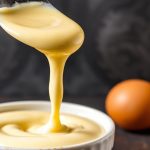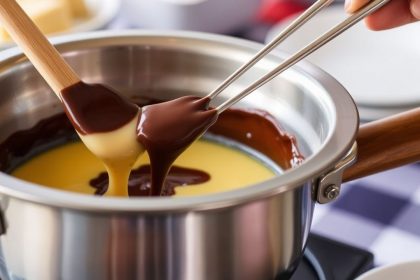

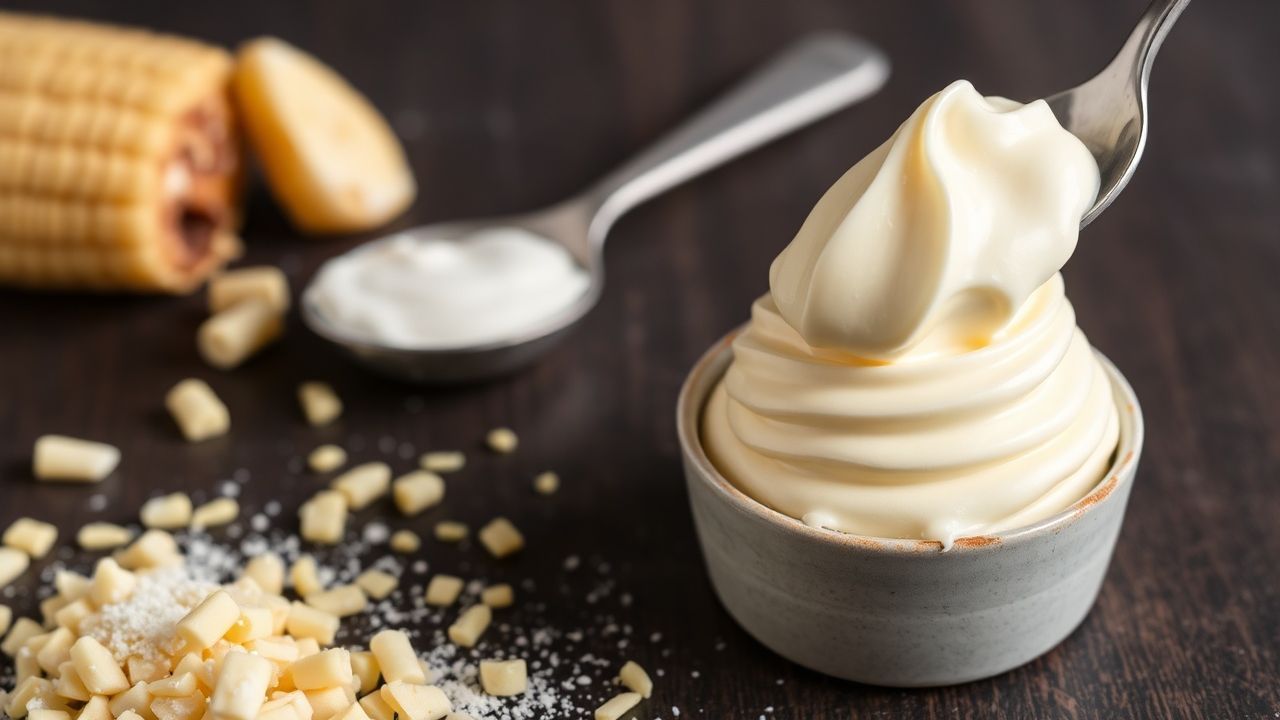

Cornstarch controls the texture and set of classic milk pudding by changing from discrete granules into a continuous gel network when heated with water. This transformation gives pudding its smooth body, controlled firmness, and clean mouthfeel.
- How cornstarch works at the molecular level
- Key parameters: temperature, concentration, and shear
- Recipe mechanics and practical method
- Common failures and precise fixes
- Why puddings can weep and how to prevent it
- Variations and starch alternatives
- Presentation, storage, and shelf life
- Resources and internal reading
- FAQ
- Gel formation: Cornstarch granules swell and release amylose/amylopectin to form a gel.
- Temperature matters: Proper heat and time deliver consistent gelatinization without breakdown.
- Technique wins: Temper eggs, disperse starch in cold liquid, and stir gently once set begins.
How cornstarch works at the molecular level
Cornstarch consists mainly of the plant polysaccharide known as starch, composed of amylose and amylopectin. Under heat and hydration the granules absorb water and swell; amylose leaches out and forms a continuous network that traps water and increases viscosity.
Gelatinization starts at a predictable range of temperatures and depends on concentration and the surrounding matrix. Understanding this physical change explains why small method changes alter texture markedly.
Key parameters: temperature, concentration, and shear
Gelatinization is not an instant event; it occurs over a temperature band. Typical cornstarch gelatinization begins below boiling and completes as the mixture reaches high simmer; precise temperatures vary by source and particle size. See gelatinization for the physical definition and factors that shift the range.
Concentration determines firmness: a higher starch-to-liquid ratio yields a firmer gel. Shear (stirring) controls texture during cooking: steady, moderate stirring disperses heat and prevents localized overcooking, while excessive agitation after set begins can fracture the gel and thin the pudding.
Recipe mechanics and practical method
Ingredients matter: Whole milk provides proteins and fats that interact with starch to improve mouthfeel. Egg yolks add emulsifying lipids and proteins that increase richness and stability when tempered properly.
Follow a measured technique: disperse cornstarch into cold liquid to make a slurry, heat gently while stirring, and finish off-heat with butter or cream for a rounded flavor. This sequence minimizes lumps and avoids curdling.
Standard ingredient list (serves 4)
2 cups whole milk, 1/2 cup sugar, 3 tablespoons cornstarch, 1/4 teaspoon salt, 2 egg yolks, 1 teaspoon vanilla, 2 tablespoons butter. Adjust fat by substituting half the milk with cream for a richer set.
For vegan or plant-based versions, use a higher-starch ratio or a different starch type and expect textural shifts; consult substitution notes below and the internal guide to starch substitutes for tailored swaps.
Stepwise method with control points
1. Whisk cornstarch with a portion of cold milk until smooth. This cold dispersion prevents granule aggregation and reduces lump risk. 2. Warm remaining milk with sugar until just below simmer, then temper egg yolks slowly to protect them from coagulation.
3. Combine the slurry with warm milk over medium heat, stirring consistently until viscosity increases and the mixture takes on a glossy appearance. 4. Reduce heat as thickness develops; cook briefly to finish gelatinization but avoid high rolling boil, which can break the gel network.
[h2]Chef technique notes and small adjustments[/h2]
Timing: Stop cooking when the mixture reaches a pudding-like ribbon on the spoon; carryover heat finishes the set as it cools. Rapid cooling can induce water separation, so cool gently to room temperature before refrigeration.
Finishing: Enrich with butter or cream off-heat to prevent emulsion collapse. Cover the surface with plastic wrap pressed to the pudding to prevent skin formation and preserve the smooth surface.
Common failures and precise fixes
Lumpy pudding results from adding starch directly to hot liquid or inadequate dispersion. The correction is simple: blend the pudding briefly with an immersion blender or heat a slurry of cornstarch in cold milk and whisk it into the warm pudding, then cook until the starch has gelatinized.
Over-thick or gummy textures usually indicate excess starch or prolonged high heat that collapses the crystalline regions. Recover by diluting gently with warm milk and reheating to rehydrate the gel without boiling.
Why puddings can weep and how to prevent it
Weeping—water expelling from the gel—is syneresis, a physical response when the gel network contracts and pushes out water. Proper gelatinization and controlled cooling reduce tension inside the gel and limit syneresis. For the technical term, see syneresis.
Prevent weeping by avoiding overcooking, using a balanced starch concentration, and cooling to refrigeration temperature steadily. Adding small amounts of fat or a stabilizer can also improve long-term water retention.
Variations and starch alternatives
Tapioca and arrowroot provide different texture profiles: tapioca yields a slightly elastic, glossy gel, while arrowroot produces clarity and a soft set. Both have different heat stabilities and require proportion adjustments. Read about tapioca and arrowroot for botanical and functional differences.
Flour-based thickeners introduce flavor and cloud the finish; they also require longer cooking to remove raw starch taste. If substituting, reduce quantities and test in small batches to dial in the desired texture.
Presentation, storage, and shelf life
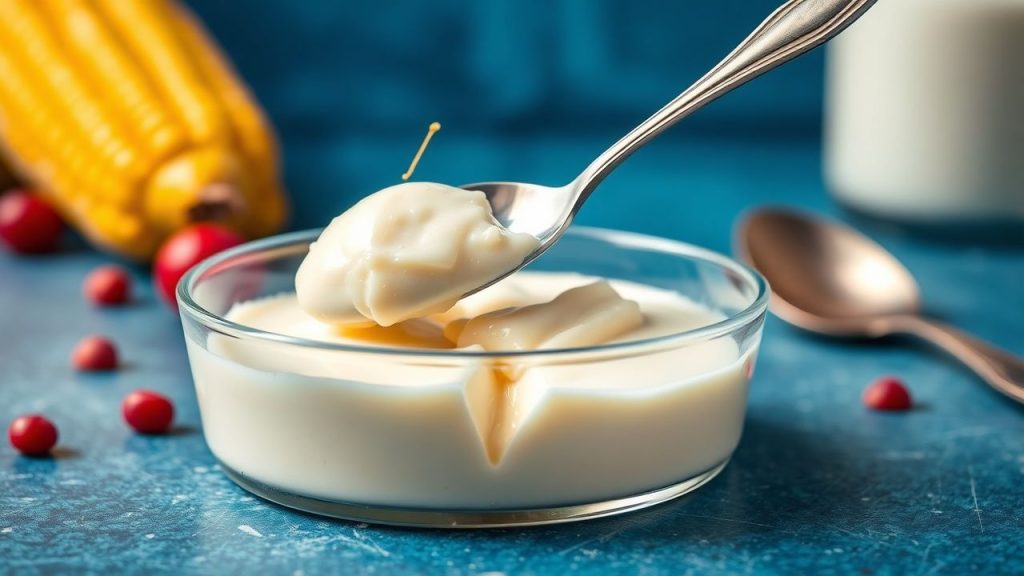
Serve chilled in individual vessels to highlight the glossy surface and clean spoon lines. Garnish choices—fruit, toasted nuts, or a light caramel—add contrast without masking the pudding’s texture.
Store refrigerated in airtight containers for 2–4 days for best quality. Avoid repeated freeze-thaw cycles, which disrupt gels and lead to water separation on thawing.
Resources and internal reading
For broader technique on custards and related desserts, consult our internal guide at Complete Guide to Custards and Puddings. For substitution strategies and starch comparisons, visit Best Starch Substitutes.
For scientific context on starch and cooking, review background material on cornstarch and general pudding history and types at pudding.
FAQ
How much cornstarch should I use for a medium-firm pudding?
Use roughly 3 tablespoons of cornstarch per 2 cups (480 ml) of liquid for a medium-firm set. Adjust by 0.5 tablespoon increments and test, since milk fat and added egg yolks influence the final firmness.
Why does my pudding get grainy sometimes?
Graininess often means the starch did not fully hydrate or the granules collapsed unevenly under high heat. Cook gently with continuous stirring until the mixture is smooth and glossy, then finish with low heat.
Can I make cornstarch pudding without eggs?
Yes. Eggs add richness and stability but are not essential for gelatinization. Skip eggs and increase cornstarch by a small amount or add a dairy fat like cream to maintain mouthfeel.
Is refrigeration necessary for cornstarch-based puddings?
Chilling is important to complete the set and stabilize the gel matrix. Refrigerate for at least two hours; overnight chilling yields the best texture and flavor melding.
Which starch gives the clearest, most transparent pudding?
Arrowroot yields the clearest gel, followed by tapioca. Cornstarch produces a slightly opaque, velvety finish favored in traditional puddings.
Key takeaways: Measure starch precisely, disperse it in cold liquid, heat gently to the thickening point, temper eggs if used, and cool steadily to prevent weeping. Technique and small adjustments produce reliable, restaurant-quality pudding every time.
See also: cornstarch