
By using this site, you agree to the Privacy Policy and Terms of Use.
Accept

CookOrBit

  • Home
  • About Us
  • Ingredient Science
    • Flavor & Aroma
    • Protein Chemistry
    • Sugar & Starch
    • Fats & Emulsions
  • Cooking Techniques
    • Searing & Grilling
    • Baking & Roasting
    • Boiling & Steaming
    • Low & Slow
  • Kitchen Experiments
    • DIY Ferments
    • Flavor Tests
    • Gadget Testing
    • Molecular Gastronomy
  • Food Myths
    • Searing Myth
    • 5-Second Rule
    • MSG Myths
    • Microwave Myths
  • More
    • Extra Picks
    • Quick & Easy
      • Breakfast Ideas
      • Desserts
      • Snacks
      • Soups
    • Global Flavors
      • Asian Street Eats
      • Latin Comforts
      • Mexican Flavors
      • Modern Mediterranean

CookOrBit

  • Home
  • About Us
  • Ingredient Science
  • Cooking Techniques
  • Kitchen Experiments
  • Food Myths
  • More
Search
  • Home
  • About Us
  • Ingredient Science
    • Flavor & Aroma
    • Protein Chemistry
    • Sugar & Starch
    • Fats & Emulsions
  • Cooking Techniques
    • Searing & Grilling
    • Baking & Roasting
    • Boiling & Steaming
    • Low & Slow
  • Kitchen Experiments
    • DIY Ferments
    • Flavor Tests
    • Gadget Testing
    • Molecular Gastronomy
  • Food Myths
    • Searing Myth
    • 5-Second Rule
    • MSG Myths
    • Microwave Myths
  • More
    • Extra Picks
    • Quick & Easy
    • Global Flavors
Follow US
  • Advertising Policy
  • Contact Us
  • Cookie Policy
  • Copyright Notice
  • Disclaimer
  • Privacy Policy
  • Terms of Service
By Fimaw.com
Mastering Mayonnaise: Secrets to a Perfectly Stable Emulsion
CookOrBit > Blog > Ingredient Science > Fats & Emulsions > Mastering Mayonnaise: Secrets to a Perfectly Stable Emulsion
Fats & Emulsions

Mastering Mayonnaise: Secrets to a Perfectly Stable Emulsion

William J. Kroll By William J. Kroll Published November 16, 2025
Share
SHARE

Mayonnaise-a silky, luscious emulsion that elevates sandwiches, salads, and sauces from simple to sublime. Yet, behind its creamy facade lies a delicate dance of oil, egg yolk, and acid, where balance is everything and a single misstep can turn luscious silk into curdled chaos. Mastering mayonnaise is more than a kitchen skill; it’s an art and a science intertwined. In this article, we’ll unravel the secrets behind crafting a perfectly stable emulsion, exploring techniques and tips that guarantee a flawless batch every time. Whether you’re a curious home cook or an enthusiastic foodie, prepare to demystify the magic of mayonnaise and transform your culinary creations with confidence.

Contents
Understanding the Science Behind Emulsification in MayonnaiseChoosing the Ideal Ingredients for Creamy and Stable ResultsTechniques and Tools to Achieve Flawless Mayonnaise Every TimeTroubleshooting Common Emulsion Failures and How to Fix ThemPrep and Cook TimeYieldDifficulty LevelIngredientsInstructionsChef’s Notes and Tips for SuccessServing SuggestionsQ&AConcluding Remarks

Understanding the Science Behind Emulsification in Mayonnaise

Mastering mayonnaise is an art that hinges on understanding the fascinating science of emulsification-the process of blending two immiscible liquids into a smooth, stable suspension. In this case, oil droplets are finely dispersed within an egg yolk-water solution, creating that luscious, creamy texture we adore. The natural emulsifiers, primarily lecithin in egg yolks, hold the oil and vinegar together, preventing separation. When done perfectly, the emulsion transforms simple ingredients into a velvety condiment that elevates any dish.

Choosing the Ideal Ingredients for Creamy and Stable Results

The foundation of a flawless mayonnaise rests on quality, well-chosen components. Using fresh egg yolks at room temperature activates lecithin’s emulsifying powers more effectively. Opt for a neutral oil like grapeseed or light olive oil to avoid overpowering flavors. High-quality vinegar-white wine or apple cider-adds brightness and acidity to balance the richness. Don’t underestimate the importance of a pinch of fine sea salt and a touch of Dijon mustard; both act as secondary emulsifiers and amplify flavor complexity. Finally, ambient temperature ingredients facilitate easy blending, preventing shock to the emulsion.

Techniques and Tools to Achieve Flawless Mayonnaise Every Time

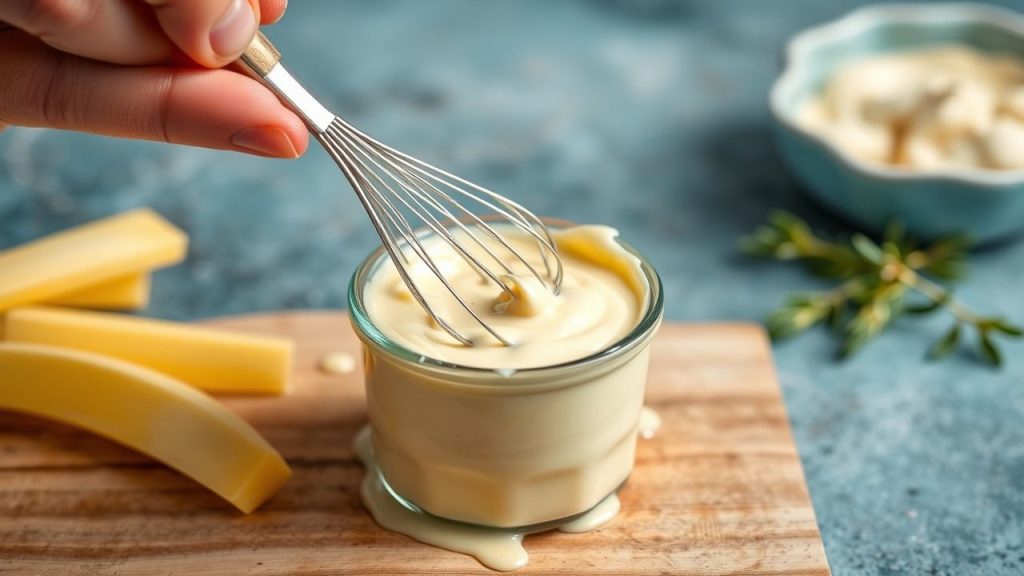
Consistency is key when mastering mayonnaise. Start by whisking your egg yolk, mustard, and vinegar vigorously in a deep bowl or sturdy container. The gentle introduction of oil is critical – add it drop by drop at first, then in a thin, steady stream as the mixture thickens. Utilizing a hand blender or immersion blender dramatically reduces effort while ensuring uniform emulsification. Keep your wrist steady, and avoid rushing; patience ensures the oil integrates smoothly instead of breaking the emulsion. Avoid metal bowls that react with acidic ingredients; glass or ceramic are ideal.

Troubleshooting Common Emulsion Failures and How to Fix Them

  • Broken Emulsion: This occurs when oil is added too quickly or at the wrong temperature. To fix, whisk together a fresh egg yolk with a teaspoon of water and slowly incorporate the broken mixture back in, drop by drop.
  • Too Thick or Too Thin: Adjust the texture by slowly whisking in warm water to thin or adding more oil dropwise to thicken, maintaining gentle mixing.
  • Separation: If the mayo starts to separate, add a small amount of mustard or vinegar and whisk vigorously to rebind the emulsion.

Prep and Cook Time

  • Preparation: 10 minutes
  • Total Time: 10 minutes

Yield

Approximately 1 cup (8 servings)

Difficulty Level

Medium – requires attention to detail and steady technique

Ingredients

  • 2 large egg yolks, at room temperature
  • 1 tablespoon Dijon mustard
  • 1 tablespoon white wine vinegar
  • 1 cup grapeseed oil, or light olive oil
  • 1/2 teaspoon fine sea salt
  • 1 teaspoon warm water, optional for texture adjustment

Instructions

  1. In a deep bowl or tall container, vigorously whisk 2 large egg yolks with 1 tablespoon Dijon mustard and 1 tablespoon white wine vinegar until the mixture is smooth and slightly thickened.
  2. Begin adding grapeseed oil drop by drop, whisking continuously to encourage emulsification. Patiently incorporate this first portion-about two tablespoons-before transitioning to a slow, thin stream.
  3. As the mixture begins to thicken and emulsify, increase the oil to a steady drizzle. Continue whisking consistently and speed up slightly but do not rush to avoid breaking the emulsion.
  4. Once all oil is incorporated and the mixture is thick and creamy, whisk in 1/2 teaspoon fine sea salt to taste.
  5. If the mayonnaise is too thick, whisk in a teaspoon of warm water gradually until the desired consistency is reached.
  6. Transfer to a clean jar and refrigerate, allowing flavors to meld for at least 30 minutes before use. Use within one week.

Chef’s Notes and Tips for Success

  • All ingredients should be close to room temperature to promote smooth emulsification.
  • For a tangier profile, replace white wine vinegar with apple cider vinegar or lemon juice.
  • Using an immersion blender can shorten emulsification time and reduce effort for beginners.
  • If your emulsion breaks, don’t panic-rescue it by starting fresh with a new egg yolk and gradually whisking the broken mayo back in.
  • To create flavored mayonnaise, fold in finely chopped herbs, garlic, or citrus zest once the base is complete.
  • Mayonnaise can be made in advance and refrigerated, but bring to room temperature before serving for best texture.

Serving Suggestions

This perfectly stable mayonnaise acts as the ultimate canvas for countless dishes. Serve it as a dip alongside crisp vegetable sticks or roasted potatoes, or slather it on sandwiches to add creamy richness. Elevate your salads by using homemade mayonnaise as the base for dressings, or dollop it onto grilled seafood and meats for luscious flavor contrasts. Garnish with a sprinkle of smoked paprika, fresh herbs, or a twist of lemon zest for a visual pop and flavor boost.

Mastering mayonnaise: secrets to a perfectly stable emulsion

Nutrient Per 1 Tbsp
Calories 94
Protein 0.1 g
Carbohydrates 0.2 g
Fat 10 g

For more on emulsification science and related recipes, explore our guide on Culinary Emulsions: Techniques and Tips. To discover the chemistry behind egg yolks and lecithin, visit the ScienceDirect Food Science Resource.

Q&A

Q&A: Mastering Mayonnaise – Secrets to a Perfectly Stable Emulsion

Q1: What exactly is mayonnaise, from a scientific perspective?
A: At its core, mayonnaise is an emulsion-a delicate dance between oil droplets and water-based ingredients like vinegar or lemon juice, all held together by egg yolk lecithin. This lecithin acts like a master conductor, coaxing oil and water to mingle harmoniously instead of parting ways.

Q2: Why does mayonnaise sometimes break or separate?
A: When the emulsion “breaks,” it means those tiny oil droplets have clumped together instead of staying dispersed. This can happen if you add the oil too quickly, the temperature is off, or the egg yolk’s emulsifiers are overwhelmed. Imagine trying to mix oil and water without a mediator-chaos ensues!

Q3: How can I ensure a stable emulsion every time?
A: Patience is your best ally. Add oil slowly-drop by drop at first-while whisking vigorously. Use room temperature ingredients so fat and water molecules mingle more easily. Also, fresh egg yolks have stronger emulsifying power, so go for quality and freshness.

Q4: Can I use other ingredients to rescue a broken mayonnaise?
A: Absolutely! If your mayo splits, whisk in a tablespoon of warm water or a fresh egg yolk in a separate bowl, then slowly add the broken mayo back in. This reintroduces emulsifiers and resets the delicate balance.

Q5: Are there any hacks to make mayonnaise extra creamy or flavorful?
A: Infusing your oil with herbs or garlic elevates flavor, while incorporating a spoonful of Dijon mustard not only adds zing but also amps up emulsification. For silkier texture, some chefs blend a bit of warm water or a touch of cream into the mix.

Q6: Can plant-based alternatives achieve the same emulsion magic?
A: Yes! Aquafaba (the liquid from cooked chickpeas) can mimic egg yolk’s emulsifying abilities, creating vegan mayonnaise with convincing stability. The principles remain the same: slow oil addition, vigorous whisking, and temperature control.

Q7: Why is mastering mayonnaise worth the effort?
A: Homemade mayonnaise is a gateway to culinary creativity-fresh, customizable, and free of preservatives. Beyond being a luscious spread or dip, its secret lies in understanding emulsions, making you a kitchen alchemist turning simple ingredients into a velvety masterpiece.


Embark on your mayonnaise journey armed with these secrets, and transform your kitchen into an emulsion lab where perfection is just a whisk away!

Concluding Remarks

As you embark on your journey to mayonnaise mastery, remember that each whisk, each drop of oil, and every touch of patience brings you closer to that silky, stable emulsion we all crave. With the right balance of ingredients and a few well-kept secrets, your homemade mayo will no longer be a culinary gamble but a delicious certainty. So go ahead-whip, whisk, and stir your way to perfection, turning this humble condiment into your kitchen’s creamy masterpiece. May your mayonnaise never break, and your flavor combinations always delight!
Mastering Mayonnaise: Secrets to a Perfectly Stable Emulsion

You Might Also Like

Bright Start: Refreshing Lemon Blueberry Overnight Oats Recipe

Hearty Turkey and Bean Soup: A Comforting Classic Recipe

Unlock Flavor: How to Make Creamy Roasted Garlic Hummus Dip

Hearty Turkey Vegetable Noodle Soup: A Nutritious Classic

Savoring Turkey and Rice Stew: A Hearty Delight Unveiled

TAGGED:andmasteringoilperfectlysecretsthe
Share This Article
Facebook Twitter Pinterest Whatsapp Whatsapp LinkedIn Telegram Threads
What do you think?
Love0
Sad0
Happy0
Sleepy0
Angry0
Dead0
Wink0
Previous Article The Science Behind Cornstarch: Pudding’s Perfect Set The Science Behind Cornstarch: Pudding’s Perfect Set
Next Article Unlocking the Heat: Understanding Convection in Grills Unlocking the Heat: Understanding Convection in Grills
Turkey Meatloaf Muffins: Protein-Packed Bites of Comfort
Extra Picks
Cozy Up with Creamy Roasted Squash and Apple Soup Bliss
Extra Picks
Hearty Beef and Potato Hash: A Savory Classic to Savor
Extra Picks
Unlocking Flavor: Mastering Vegetable Searing for Perfect Caramelization
Extra Picks

Most Viewed Posts

  • The Art and Science Behind Perfect Culinary Espumas (1,459)
  • Crisp Science: Unlocking the Chemistry of Perfect Tempura (915)
  • Unlocking Vanillin: The Chemistry Behind Vanilla’s Magic (353)
  • Master the Art of the Perfectly Boiled Potato Every Time (309)
  • Fats That Transform: Experimenting with Flavorful Fats (300)

Tags

and art beef behind carrot chemistry chicken crafting creamy crispy exploring flavor food for garlic hearty heat how magic make master mastering microwave perfect perfectly protein savor science searing secrets steak sweet the top turkey ultimate unlocking unveiling velvety what when why with your zesty
January 2026
M T W T F S S
 1234
567891011
12131415161718
19202122232425
262728293031  
« Dec    

You Might Also Like

Mastering Meringue: Secrets to a Perfectly Stable Whip
Protein Chemistry

Mastering Meringue: Secrets to a Perfectly Stable Whip

William J. Kroll William J. Kroll January 12, 2026
Whisking Woes: What Happens When Sugar Hits Egg Whites Early?
Sugar & Starch

Whisking Woes: What Happens When Sugar Hits Egg Whites Early?

William J. Kroll William J. Kroll January 12, 2026
Unlocking Rosemary’s Essence: The Science Behind Its Flavors
Flavor & Aroma

Unlocking Rosemary’s Essence: The Science Behind Its Flavors

William J. Kroll William J. Kroll January 12, 2026
Unlocking Microwave Power: Mastering Levels for Perfect Cooking
Microwave Myths

Unlocking Microwave Power: Mastering Levels for Perfect Cooking

William J. Kroll William J. Kroll January 12, 2026
Picnic Chemistry: Safely Blending Fun with Food Science
5-Second Rule

Picnic Chemistry: Safely Blending Fun with Food Science

William J. Kroll William J. Kroll January 12, 2026
Free vs. Bound Glutamate: Unlocking Flavor Science Secrets
MSG Myths

Free vs. Bound Glutamate: Unlocking Flavor Science Secrets

William J. Kroll William J. Kroll January 12, 2026
Follow US
By Fimaw.com © All Rights Reserved.
  • Advertising Policy
  • Contact Us
  • Cookie Policy
  • Copyright Notice
  • Disclaimer
  • Privacy Policy
  • Terms of Service
Welcome Back!

Sign in to your account

Lost your password?