

There is a quiet magic in a bowl of perfect rice — balanced texture, aroma, and grain separation that lift any meal. Mastering perfect rice requires tracking starch behavior, water uptake, and steady heat so results repeat every time.
- Why rice chemistry matters for perfect rice
- Key variables: grain, water, heat for perfect rice
- Prep: rinsing, soaking, and measuring to get perfect rice
- Ingredients and practical adjustments for perfect rice
- Stovetop instructions: consistent method to produce perfect rice
- Tools and alternatives to make perfect rice reliably
- Chef’s notes: practical tips for consistent perfect rice
- Safety, storage, and quality control for cooked rice
- Serving suggestions and presentation for perfect rice
- Nutritional note
- Recipes, resources, and internal guides
- FAQ
- How does rinsing change texture?
- What water ratio should I use for perfect rice?
- Why does rice stick to the bottom?
- Can I freeze cooked rice?
- Does soaking always help?
- Final thoughts on perfect rice
- Key takeaway: Water ratio and controlled heat shape fluffiness more than gadgets.
- Tip: Rinse and selectively soak to tune stickiness for each dish.
- Tool choice: A calibrated pot or rice cooker improves batch-to-batch consistency.
Why rice chemistry matters for perfect rice
Rice cooks as starch granules swell and redistribute moisture under heat. That physical change, called gelatinization, determines mouthfeel and grain separation.
Different varieties contain distinct starch fractions and bran structure, so chemistry predicts outcomes. For reference on the grain and varieties see rice.
Key variables: grain, water, heat for perfect rice
Grain type sets the amylose-to-amylopectin ratio and the target texture. Long-grain rice tends to have higher amylose for separate grains; short-grain rice has more amylopectin and yields stickier results.
Learn the starch fractions to match rice to your dish. See the entries on amylose and amylopectin for deeper detail.
Prep: rinsing, soaking, and measuring to get perfect rice
Rinsing removes surface starch that causes clumping. Use a fine-mesh sieve and run cold water until it clears mostly; this yields separated grains for dishes like pilaf.
Soaking evens hydration and shortens active cook time. For basmati and other long-grain varieties, 20–30 minutes of soak improves elongation without losing texture.
Ingredients and practical adjustments for perfect rice
Start with baseline ratios, then tune for the grain, age, and elevation. A practical starting point for many aged long-grain varieties is 1 cup rice : 1.25 cups water by volume.
Salt seasons internally when added to the cooking water. Adding a small amount of fat, like butter or neutral oil, reduces surface friction, improves sheen, and aids separate grains without masking aroma.
Stovetop instructions: consistent method to produce perfect rice
Use a medium saucepan with a tight lid and even heat conduction. Bring rice and measured water to a gentle boil, then lower to the smallest flame that sustains a steady simmer.
For typical long-grain basmati, simmer about 15 minutes, then turn off heat and let the pan rest, covered, for 10 minutes. Residual steam finishes gelatinization and firms the grains gently.
Step-by-step checklist
Rinse, measure, bring to boil, reduce to simmer, time accurately, rest covered, then fluff. Each step controls a single variable: surface starch, hydration, heat delivery, and steam finish.
Keep a visible timer and avoid lifting the lid early. Interruptions change internal pressure and extend cook time unpredictably, which harms repeatability.
Tools and alternatives to make perfect rice reliably
Electric rice cookers and pressure cookers automate temperature and steam control to reduce user error. A good rice cooker senses steam and cuts heat to keep grains intact.
If you use a pressure cooker, reduce water slightly and rely on natural pressure release for the resting phase. For pan methods, a heavy-bottomed pot gives even heat and cuts scorching risk.
Rice cooker models vary, so consult manufacturer charts. Still, the same variables—grain, water, heat—apply whether you use a pot or an appliance.
Chef’s notes: practical tips for consistent perfect rice
Choosing rice: Match grain to the dish. Use basmati for pilafs, jasmine for fragrant sides, and short-grain rice for sushi-style stickiness. Age and milling alter absorption and texture.
Water adjustments: Increase water for softer rice and decrease for firmer rice. Test small batches and record ratios for each brand and pot to build repeatable results.
Safety, storage, and quality control for cooked rice
Cooked rice cools quickly, and improper handling risks bacterial growth. Cool within one hour and refrigerate to limit Bacillus cereus replication.
Store chilled rice for about 3 days. Reheat with a splash of water and cover to restore moisture; reheating does not erase all safety limits, so discard rice stored too long.
Serving suggestions and presentation for perfect rice
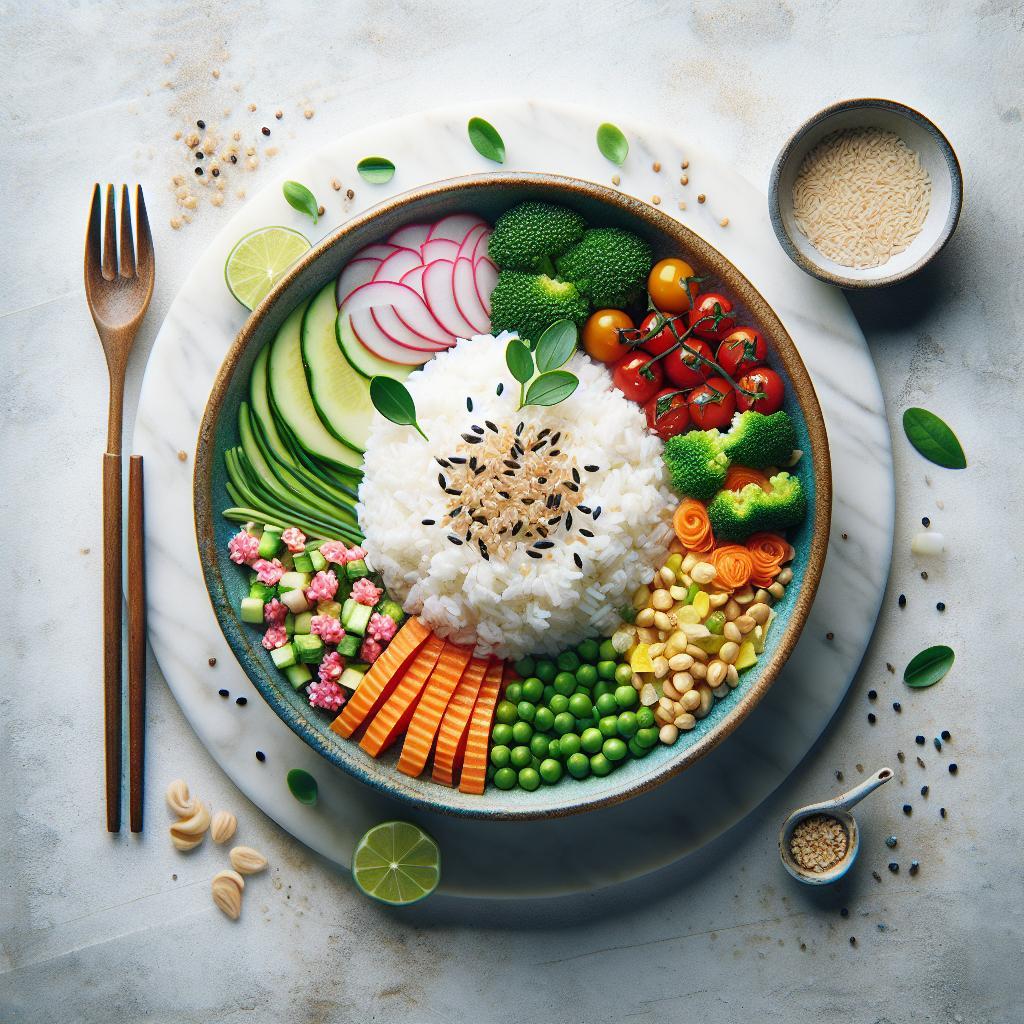
Serve long-grain rice as a bed for curries and stews to highlight grain separation. For sticky rice presentations, mold with damp hands or a small bowl for clean shapes.
Finish with a touch of fat—clarified butter or toasted sesame oil—for fragrance and sheen. Garnish with herbs or toasted seeds to add a crisp texture contrast.
Nutritional note
Cooked long-grain white rice provides mostly carbohydrate energy. One cup cooked gives about 200 calories with small protein and negligible fat content.
Brown and parboiled options change fiber and micronutrient profiles due to bran retention and parboiling effects. For background on starch and processing see starch.
Recipes, resources, and internal guides
Perfect rice serves as a neutral base for many recipes. Use it in pilafs, grain bowls, and paired sides to simplify weeknight cooking and meal prep.
Record ratios, weights, and times for each brand and pot. Over weeks, that log becomes a compact reference to reproduce perfect rice under different conditions.

| Nutritional Information (per serving) | Calories | Protein | Carbs | Fat |
|---|---|---|---|---|
| Cooked Basmati Rice (1 cup) | 205 kcal | 4.3 g | 45 g | 0.4 g |
FAQ
How does rinsing change texture?
Rinsing removes surface starch that would otherwise gel and glue grains together. For separate grains, rinse until the water runs clearer; for sticky dishes, rinse lightly or skip.
Rinsing also clears residual dust and loose bran; adjust the rinse based on the rice’s processing and the desired finish.
What water ratio should I use for perfect rice?
Start with manufacturer or variety recommendations. A common baseline for many long-grain basmati and jasmine varieties is 1:1.25 by volume, then tweak by 0.05–0.25 cups per cup based on trials.
Record results and convert to weight once you find the preferred ratio for a brand; weight gives the most consistent perfect rice outcomes.
Why does rice stick to the bottom?
Sticking arises from excess heat, uneven pan thickness, or insufficient water early in the cook. Use low sustained heat and a heavy-bottomed pot to improve conduction and reduce hotspots.
A rest period off heat allows grains to firm away from the hot surface and reduces agitation that can scrape grains onto the pan base.
Can I freeze cooked rice?
Yes. Cool rice quickly, portion it, and freeze in airtight containers. Reheat from frozen with a little added moisture for best texture retention.
Label portions and use within one month for quality; frozen rice will soften after extended storage but remains safe when frozen properly.
Does soaking always help?
Soaking benefits long-grain rice by promoting elongation and even hydration and by shortening cook time. For short-grain sushi rice, controlled soaking helps achieve the desired surface hydration for adhesion.
Avoid over-soaking; excessive soak time can over-hydrate the surface and cause splitting or gumminess during cooking.
Final thoughts on perfect rice
Perfect rice comes from controlling the variables: grain selection, water ratio, rinsing, and gentle heat. Test small batches, record weights and times, and standardize your method for repeatable results.
Over time, those notes become a practical playbook that yields consistent perfect rice across brands and equipment.
See also: perfect rice