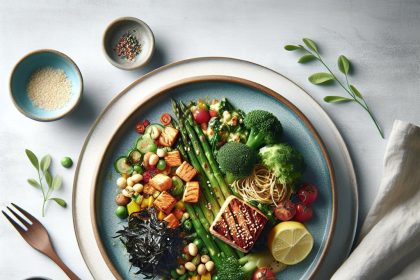


diabetes dinners can be both satisfying and glucose-friendly when you combine portion control, fiber, and bold seasoning.
- Balancing Taste and Health: Crafting diabetes dinners with Low Glycemic Impact
- Recipe Overview: Mediterranean Chickpea Stew for diabetes dinners
- Tips for Success and Variations for diabetes dinners
- Serving Suggestions and Nutritional Notes for diabetes dinners
- Q&A about diabetes dinners
- Can meals be both delicious and diabetes-friendly?
- What are the key components of a diabetes-friendly dinner?
- How can I make flavor a priority without spiking my blood sugar?
- Are there quick diabetes dinners for busy weeknights?
- How important is portion control for diabetes dinners?
- The Conclusion: Practical steps to better diabetes dinners
- FAQ: diabetes dinners
- Fiber-first plates: Prioritize legumes and non-starchy vegetables to slow carbohydrate absorption.
- Balanced macros: Pair lean protein with healthy fats to reduce post-meal glucose spikes.
- Flavor without sugar: Use herbs, spices, and acid to boost taste without added carbs.
Balancing Taste and Health: Crafting diabetes dinners with Low Glycemic Impact
Designing practical diabetes dinners requires attention to carbohydrate quality and timing. Choose whole foods that deliver slow-release energy and sustained satiety.
Focus on legumes, leafy greens, and measured portions of whole grains to moderate glucose responses. For clinical context on the condition, see diabetes mellitus.
Recipe Overview: Mediterranean Chickpea Stew for diabetes dinners
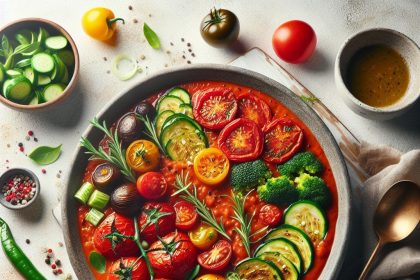
This Mediterranean chickpea stew models a reliable diabetes dinner: high fiber, plant protein, and anti-inflammatory spices. It demonstrates how legumes and vegetables create volume and fullness with modest glycemic load.
The approach reflects core principles of the Mediterranean diet, emphasizing olive oil, vegetables, and citrus. Use the internal recipe link for meal prep tips: Mediterranean chickpea stew recipe.
Prep and Cook Time
Prep Time: 15 minutes. Cook Time: 35 minutes. Total Time: 50 minutes.
Active hands-on work is short; most time is a gentle simmer that blends flavors. This makes the stew a strong weeknight option for consistent diabetes dinners.
Yield
Serves 4. Each serving supplies fiber and plant protein to blunt postprandial glucose rises.
Adjust portions to match individualized calorie and carbohydrate targets used in clinical care.
Difficulty Level
Easy. The technique uses basic sautéing and simmering, suitable for most home cooks.
Minimal knife work and common pantry spices keep the dish accessible and adaptable.
Ingredients
Gather whole-food ingredients that provide slow-release energy and micronutrients. Opt for low-sodium broth and canned tomatoes without salt when possible.
- 2 tbsp extra virgin olive oil
- 1 medium yellow onion, finely chopped
- 3 cloves garlic, minced
- 1 large carrot, diced
- 1 red bell pepper, seeded and chopped
- 1 tsp ground cumin
- 1 tsp smoked paprika
- ½ tsp ground turmeric
- 1 can (15 oz) diced tomatoes, no salt added
- 2 cans (15 oz) chickpeas, drained and rinsed
- 3 cups low-sodium vegetable broth
- 1 cup chopped kale, stems removed
- Juice of 1 lemon
- Salt and pepper, to taste
- Fresh parsley, chopped, for garnish
Instructions
Heat olive oil in a large pot over medium heat and sauté the onion until translucent, about 5 minutes. Add garlic, carrot, and red pepper and cook 4–5 minutes until softened.
- Stir in cumin, smoked paprika, and turmeric; cook 1 minute until fragrant.
- Add diced tomatoes, chickpeas, and vegetable broth; bring to a gentle boil.
- Reduce heat and simmer uncovered 25 minutes to concentrate flavors.
- Stir in kale and cook 5 minutes until tender.
- Remove from heat, stir in lemon juice, season with salt and pepper, and garnish with parsley.
Tips for Success and Variations for diabetes dinners
Small technique changes improve texture and flavor while keeping the meal diabetes-friendly. Toasting whole spices briefly before grinding can heighten aroma without adding salt or sugar.
For more protein variety, stir in cooked diced chicken breast or a spoon of plain Greek yogurt if dairy fits your plan. Swap kale for spinach or Swiss chard for a different green texture.
Freeze single portions in airtight containers for quick diabetes dinners later. Label with date and reheating instructions to maintain food safety and consistent portioning.
Serving Suggestions and Nutritional Notes for diabetes dinners
Serve the stew alongside a modest portion of quinoa or a thin slice of sprouted whole-grain bread to maintain low glycemic impact. Add a lemon wedge to brighten flavors without sugar.
Complement with a simple arugula salad dressed with apple cider vinegar and extra virgin olive oil to add non-starchy volume and healthy fats. These choices increase fiber and slow carbohydrate absorption.
Approximate per-serving nutrition: 320 kcal, 15 g protein, 38 g carbohydrates, 8 g fat, 12 g fiber. Values vary by brand and portion; track servings to align with personalized meal plans.
Q&A about diabetes dinners
This Q&A addresses frequent concerns patients and cooks raise when designing diabetes dinners. Answers focus on actionable, evidence-aligned tactics.
For carbohydrate ranking and food selection methods, consult the glycemic index framework: glycemic index. Use that alongside portion control for predictable responses.
Can meals be both delicious and diabetes-friendly?
Yes. Emphasize herbs, spices, citrus, and vinegars to add complexity without carbohydrates. Swap sugary sauces for reductions of tomatoes and aromatics to keep meals interesting.
Combine protein and fiber with carbohydrates to slow absorption and flatten post-meal glucose curves. This chickpea stew pairs legumes and greens to achieve that effect.
What are the key components of a diabetes-friendly dinner?
Prioritize lean protein, non-starchy vegetables, healthy fats, and measured portions of complex carbohydrates. These elements promote stable glucose and satiety.
Consistent meal timing and portion size help align intake with medication regimens. Use a food log or app recommended by clinicians to monitor individual responses.
How can I make flavor a priority without spiking my blood sugar?
Use aromatics like garlic and onion, spices such as cumin and smoked paprika, and acidic finishes like lemon juice or vinegar. These add depth without adding sugar or carbs.
Increase fiber via legumes and vegetables; fiber delays carbohydrate absorption and blunts postprandial glucose rises.
Are there quick diabetes dinners for busy weeknights?
Yes. Stir-fries with lean protein and colorful vegetables or a lentil soup can be ready in under 30 minutes. Batch-cook components and reheat single portions for reliable results.
Keep canned tomatoes and rinsed legumes on hand and maintain a well-stocked spice box to create variety with minimal effort.
How important is portion control for diabetes dinners?
Very important. Even nutrient-dense foods affect blood sugar when portions exceed individual needs. Treat starchy items as a measured side, not the plate centerpiece.
Use smaller plates, measure servings, and fill half your plate with non-starchy vegetables. Collaborate with a registered dietitian to set personalized portion targets.
The Conclusion: Practical steps to better diabetes dinners
Savory, satisfying diabetes dinners rely on smart ingredient choices and simple techniques. Swap refined carbs for legumes and vegetables and use spices and acid to make every bite flavorful.
Plan a rotating roster of meals like the Mediterranean chickpea stew to support adherence and predictable glycemic responses. For additional meal ideas, explore internal resources: diabetes dinner ideas.

FAQ: diabetes dinners
This FAQ addresses concise, high-value questions about planning and preparing diabetes dinners. Each answer gives practical steps you can apply immediately.
Use these guidelines together with clinical advice when managing medications and individualized targets.
How often should I include legumes in diabetes dinners?
Include legumes like chickpeas or lentils 2–4 times weekly as part of balanced meals. They provide soluble fiber and plant protein that help blunt glucose rises.
Rotate legumes with lean animal proteins and vegetables to maintain dietary variety and nutrient adequacy.
Are whole grains acceptable in diabetes dinners?
Yes, in controlled portions. Choose intact whole grains like barley or quinoa and keep serving sizes modest to manage glycemic load.
Pair grains with protein and fiber to further reduce post-meal glucose excursions.
Can I freeze these diabetes dinners safely?
Yes. Freeze single portions in airtight containers for 2–3 months for best quality. Thaw in the refrigerator and reheat to a safe internal temperature.
Label containers with date and reheating instructions to ensure food safety and consistent portion control.
Should I change medications when altering meal composition?
No. Do not change medication without clinician input. Monitor glucose closely when trying new meal patterns and report significant changes to your care team.
Work with a provider to adjust medication timing or dose if needed to match new meal compositions and carbohydrate amounts.
Where can I learn more about carbohydrate impact on blood sugar?
Read authoritative overviews such as the glycemic index to understand carbohydrate ranking and absorption rates. See glycemic index for a foundational reference.
Combine that knowledge with portion control and clinical guidance for individualized carbohydrate targets in diabetes dinners.
See also: Mediterranean chickpea stew recipe
Relevant references within topic context: chickpea, Mediterranean diet, and diabetes mellitus.
See also: diabetes dinners