
Velvety Creamy Garlic Beef: A Savory Feast for Food Lovers
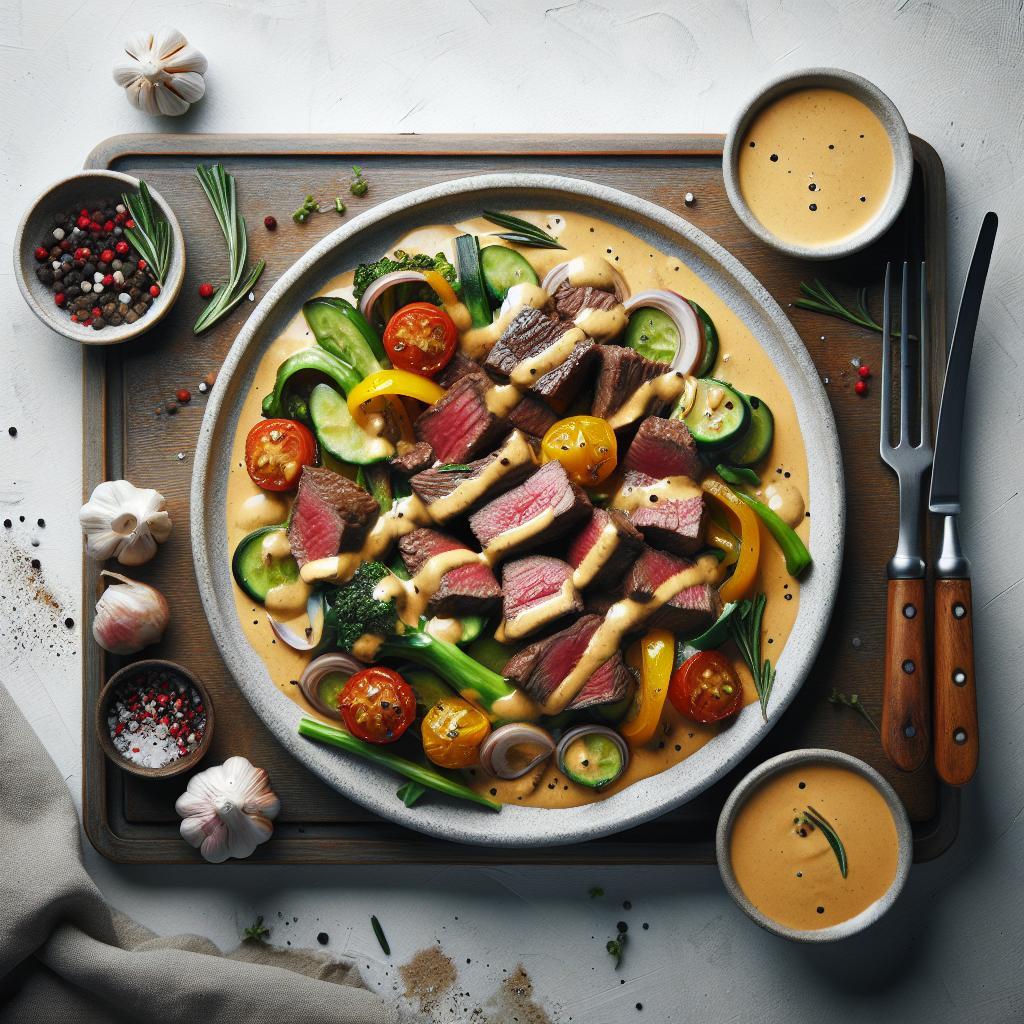
Imagine searing tender beef until it forms a deep brown crust, then finishing it in a silky cream sauce laced with aromatic garlic and fresh thyme. This creamy garlic beef technique concentrates meat flavor while delivering a sauce that clings to every forkful.
- High-heat sear, low-heat finish: Lock Maillard flavor, then control temperature to protect cream.
- Stabilize the sauce: Use a light roux to prevent separation and improve mouthfeel.
- Layer aromatics: Build depth with onions, roasted garlic, and deglazed fond.
- Finish with acid and herbs: Brighten richness with a splash of stock or vinegar and fresh thyme.
As a professional, I emphasize precise steps: dry the beef well, sear in hot oil, deglaze thoroughly, and simmer gently. These actions create a glossy, stable sauce rather than a greasy one.
Prep and Cook Time
Preparation: About 20 minutes. Prepare mise en place: trim beef, mince garlic, and measure cream and broth so you move strictly and efficiently at the stove.
Cooking: Approximately 40 minutes active time. Sear in batches, build the sauce, and simmer until connective tissue softens; checking tenderness with a fork is more reliable than a timer.
Yield
This recipe yields 4 generous portions. It scales well for family dinners and small gatherings when you want second helpings available.
Scale by 25–50% increments and increase sauce proportionally to maintain coverage and texture without diluting flavor. For larger batches, consider braising in a larger pot to keep surface contact consistent.
Difficulty Level
Medium. The cook must control searing heat and maintain a gentle simmer after adding dairy; these skills are straightforward but demand attention. With practice, home cooks can repeat the method reliably.
Focus on temperature cues and use a heavy skillet or Dutch oven for even heat distribution. That control separates a silky cream sauce from one that breaks.
Ingredients
Gather quality components; each plays a structural role in the dish. Pick beef with visible marbling to enrich the sauce and sustain moisture during the braise.
Key ingredients: 1½ lb boneless beef chuck, 4 tbsp unsalted butter, 8 garlic cloves minced or roasted, 1 medium onion diced, 1 cup heavy cream, ½ cup beef broth, 2 tbsp all-purpose flour, 2 tsp fresh thyme, salt, black pepper, 2 tbsp olive oil, and chopped parsley to finish.
For context on the primary protein and aromatics, consult the beef entry and garlic entry on reference sites to understand collagen breakdown and volatile sulfur compounds. For dairy behavior, review the cream entry to see how fat content affects stability.
Beef background • Garlic information • Cream properties
Instructions
Work in sequence: sear, build aromatics and a light roux, deglaze, add cream, then finish the beef. This order preserves Maillard flavor and stabilizes the sauce for a glossy finish.
Use a hot pan but avoid crowding; crowding creates steam and prevents proper browning. Use neutral oil with a high smoke point for initial searing and finish with butter for flavor.
- Prepare the beef: Pat cubes dry and season liberally. Dry surface area promotes an even, deep crust.
- Sear in batches: Heat 2 tbsp olive oil in a heavy skillet over medium-high and brown beef 3–4 minutes per batch. Remove and rest to avoid steaming in the pan.
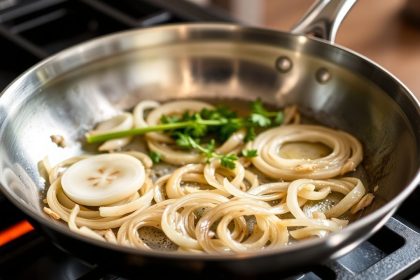
- Sauté aromatics: Lower to medium heat, add butter and onions, and sweat until translucent about 5 minutes. Add garlic and cook 1–2 minutes until fragrant but not brown.
- Create the roux: Sprinkle flour and stir to coat the butter-onion mix; cook 2–3 minutes to cook out raw flour taste. This produces a stable base for cream.
- Deglaze and combine: Whisk in beef broth, scraping the fond to dissolve browned bits. Add heavy cream and thyme, stirring to a uniform, glossy sauce.
- Simmer the beef: Return seared beef to pan, reduce to low, cover, and simmer gently 25–35 minutes until tender. Stir occasionally to keep heat even.
- Finish and serve: Adjust seasoning, fold in chopped parsley, and serve over mashed potatoes or noodles for best sauce capture.
Chef’s Notes
Cut selection: Chuck or brisket yields succulent results for longer braises; sirloin or ribeye work for faster versions. Choose according to texture you want and time you have.
Sauce stability: Never boil after adding cream; keep to a gentle simmer to prevent curdling. If separation occurs, whisk in a small amount of cold cream off-heat to re-emulsify.
After the warning step, allow the sauce to rest for a minute before plating so emulsions can set. That rest improves mouthfeel and sauce cling on starches.
Technique detail
Use a heavy-bottom pan to maximize thermal mass and avoid hot spots. Controlled heat prevents the sauce from breaking and produces even tenderization of collagen-rich cuts.
Deglaze thoroughly: dissolve the fond into the sauce to capture concentrated flavor. This technique amplifies savory notes that cream alone cannot provide.
Serving Suggestions
This dish pairs classically with buttery mashed potatoes, which act as a neutral canvas and capture the sauce. For reference, see our internal mashed-potatoes guide for texture and seasoning tips.
Alternate sides include egg noodles, creamy polenta, or lightly steamed greens for contrast. Serve with crusty bread to mop the pan and increase guest satisfaction.
Mashed potatoes guide • Searing technique
For a lighter plate, reduce cream by 25% and increase stock to maintain volume, or use a 50/50 mix of milk and crème fraîche for similar texture with less fat. Adjust seasoning to compensate.
Nutrition
Per serving estimates depend on cut and quantities, but a typical portion contains roughly 520 kcal, 45 g protein, 8 g carbohydrates, and 32 g fat. Use these figures to plan balanced portions.
To alter macros, reduce cream volume, substitute lighter dairy, or choose leaner cuts. Remember that fat contributes both flavor and silky texture to the sauce.
| Nutrient | Per Serving |
|---|---|
| Calories | 520 kcal |
| Protein | 45 g |
| Carbohydrates | 8 g |
| Fat | 32 g |
Variations and Substitutions
For dairy-free options, use blended cashew cream or canned coconut cream and reduce butter to avoid overwhelming the substitute. These swaps keep creaminess while changing the flavor profile.
Try different cuts: sirloin tips for quick cooks or short ribs for low-and-slow braises. Each cut alters cooking time and mouthfeel, so adjust simmer duration accordingly.
To layer acidity, deglaze with a splash of dry white wine or brandy before adding broth and cream; reduce alcohol fully to avoid harshness. For technique context, review the roux entry and the Maillard reaction entry to refine texture and flavor control.
Roux basics • Maillard reaction
Key Takeaways
Velvety creamy garlic beef depends on controlled heat, an effective light roux, and proper deglazing to capture concentrated savory flavor. These steps favor technique over complexity and deliver consistent results.
Always dry the meat, sear at high heat, then lower to a gentle simmer after adding cream. Small adjustments in herb timing or finishing acid let you tailor brightness and aromatic lift without jeopardizing sauce stability.
FAQ
What cut of beef gives the best results?
For slow-simmered tenderness, choose chuck or brisket because connective tissue breaks down into gelatin, yielding succulence. For faster cooks, use sirloin tips and reduce simmer time accordingly.
Can I make this ahead and reheat?
Yes. Flavors often meld overnight, improving depth. Cool completely, store airtight, and reheat gently over low heat to avoid curdling the cream.
How do I prevent the cream from splitting?
Keep the sauce at a gentle simmer after adding cream and avoid rapid boiling. If temperatures differ greatly, temper the cream by whisking in a ladle of hot sauce before combining fully.
Is there a lighter alternative to heavy cream?
Use full-fat milk thickened with a small roux or a 50/50 mix of milk and crème fraîche for lighter texture. Expect a slightly different mouthfeel but retain much of the structure.
How can I intensify garlic without overpowering the sauce?
Roast garlic to soften and sweeten, then fold it in near the end to preserve balance. Alternatively, infuse whole cloves in butter early and remove some before finishing to control intensity.

See also: garlic beef