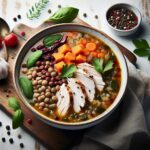

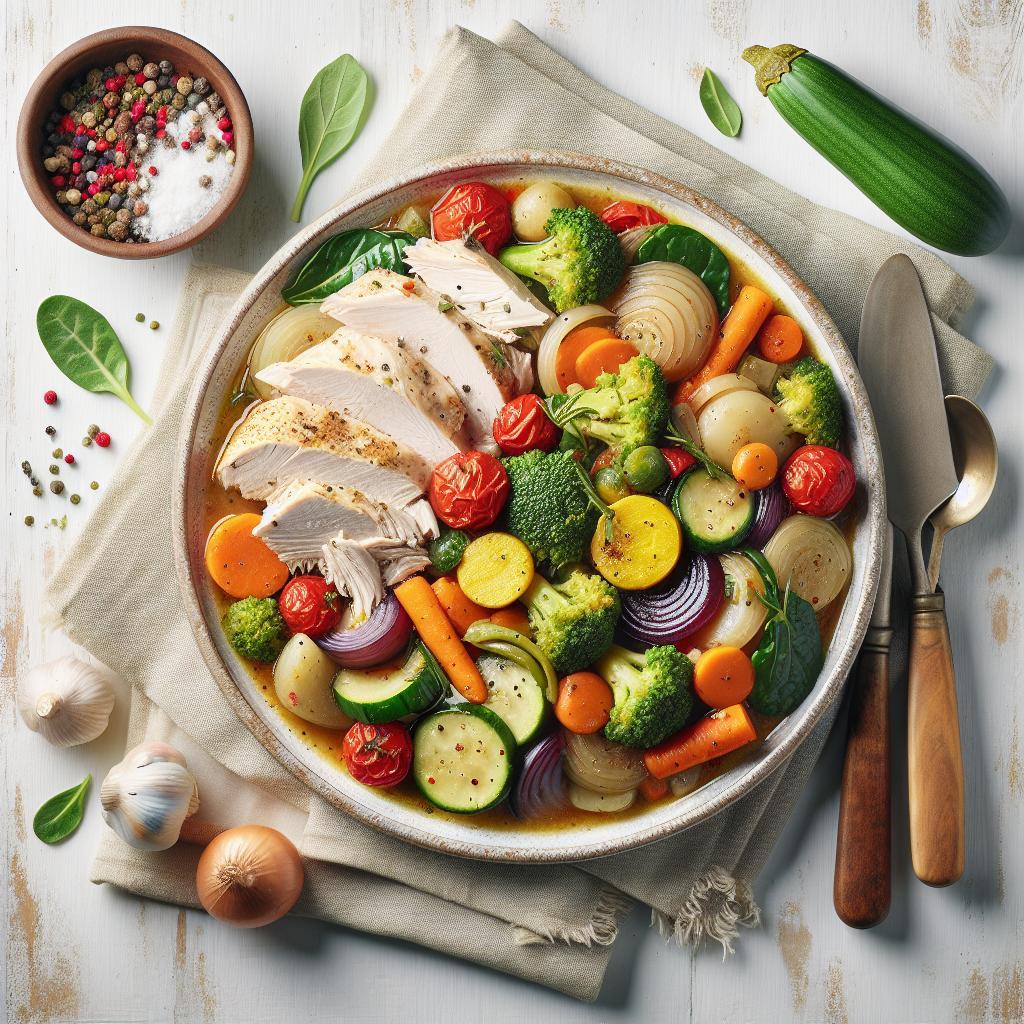

Turkey stew delivers one-pot comfort with lean protein, seasonal vegetables, and pearl barley for body and texture. This 7-step hearty turkey stew focuses on clear technique—brown, sweat, simmer—so you get deep flavor from simple, reliable steps.
- Prep and Cook Time for turkey stew
- Yield and servings for turkey stew
- Difficulty Level for turkey stew
- Ingredients for turkey stew
- Instructions for turkey stew
- Tips for Success with turkey stew
- Substitutions and Variations for turkey stew
- Serving Suggestions for turkey stew
- Nutrition Snapshot for turkey stew
- Food Science Notes for turkey stew
- Q&A for turkey stew
- What makes turkey a good choice for stew?
- Which vegetables hold up best in this turkey stew?
- How can I thicken the turkey stew without flour?
- Can I adapt the turkey stew for special diets?
- How should I store and reheat leftovers?
- Insights and Conclusions for turkey stew
- FAQ
- One-pot nutrition: Protein, fiber, and vegetables in every bowl.
- Make-ahead friendly: Flavors deepen after refrigeration or freezing.
- Simple technique: Brown, sweat, simmer for steady results.
- Batch-ready: Scales well for meal prep and portions.
Prep and Cook Time for turkey stew
Preparation: 20 minutes; Cooking: 1 hour 15 minutes. The workflow places active work at the start so the pot does the rest while you attend other tasks.
Total time is about 1 hour 35 minutes from start to finish. Maintain a gentle simmer so the barley releases starch and the turkey becomes tender without drying.
Yield and servings for turkey stew
This recipe yields about 6 generous portions, ideal for family meals or leftovers. Each serving balances protein and complex carbs when paired with whole-grain bread or a simple salad.
Scale easily: halve ingredients for 3 servings or double for batch cooking and freezing. Store in airtight containers and cool quickly to maximize shelf life.
Difficulty Level for turkey stew
Cooking level: easy to medium. The required skills are basic: searing, sautéing, and gentle simmering, all of which most home cooks can execute reliably.
Timing matters more than technique for this turkey stew; small timing adjustments do not derail the result. That forgiving nature makes the recipe dependable for weeknight or weekend cooking.
Ingredients for turkey stew
Use boneless turkey thighs and pearl barley for chew and body. Turkey is a lean meat that absorbs flavor; consult the bird details for context: turkey.
Include seasonal vegetables such as butternut squash for sweetness and green beans for color. Pearl barley supplies soluble fiber and texture; see the grain profile here: barley.
- 2 lbs boneless turkey thighs, cut into 1½-inch chunks
- 2 tbsp olive oil
- 1 large yellow onion, finely diced
- 3 medium carrots, peeled and sliced into ½-inch rounds
- 2 celery stalks, sliced
- 3 cloves garlic, minced
- 4 cups low-sodium chicken broth
- 2 cups diced butternut squash (or pumpkin)
- 2 cups chopped green beans
- 1 cup pearl barley, rinsed
- 1 tsp dried thyme
- 1 tsp smoked paprika
- 2 tbsp tomato paste
- 1 bay leaf
- Salt and freshly ground black pepper, to taste
- Fresh parsley, chopped (for garnish)
Instructions for turkey stew
Follow a clear sequence to build depth: brown the turkey, sweat the vegetables, add aromatics, then simmer with barley. This order extracts maximum flavor and prevents overcooking delicate items.
Taste and adjust seasoning at the end; barley should be tender but not mushy and vegetables should retain subtle texture. Use low heat during the long simmer for the best mouthfeel.
Step-by-step method
- Heat the oil in a large heavy-bottomed pot over medium-high. Add turkey chunks and sauté until each piece browns, about 6 minutes; transfer the turkey to a plate.
- Lower to medium and add onion, carrots, and celery. Sauté until softened and translucent, about 5–7 minutes, stirring occasionally to develop sweetness.
- Add garlic, thyme, smoked paprika, and tomato paste. Cook, stirring constantly, until fragrant and the tomato paste darkens slightly, about 2 minutes.
- Return turkey to the pot with pearl barley and bay leaf, then pour in the chicken broth and stir to combine.
- Bring to a gentle boil, reduce heat to low, cover, and simmer for 45 minutes, stirring occasionally so barley does not stick.
- Add diced squash and green beans and simmer uncovered for 20 minutes or until vegetables are tender and the stew reaches a luscious consistency.
- Finish: Remove the bay leaf, adjust salt and pepper, and garnish with parsley before serving.
Tips for Success with turkey stew
Choose dark meat like turkey thighs for moistness; lean cuts dry out faster during simmer. Well-browned meat adds Maillard complexity to the final broth.
Rinse pearl barley to remove dust and reduce foam during the first boil. If you need a gluten-free option, swap barley for quinoa or certified gluten-free oats and adjust liquid accordingly.
To thicken naturally, mash a cup of cooked vegetables into the broth or reduce the pot uncovered for the final 10–15 minutes. This adds body without flour or a roux and keeps the flavor focused.
Substitutions and Variations for turkey stew
Swap turkey thighs for skinless chicken thighs, cubed firm tofu, or hearty mushrooms for plant-forward versions. Each protein changes cook time; adjust simmering accordingly.
For a vegetarian bowl, use vegetable broth and add canned white beans for protein. Retain pearl barley or choose a gluten-free grain if required for dietary needs.
Serving Suggestions for turkey stew
Serve hot bowls garnished with chopped parsley and a squeeze of lemon for brightness. Offer crusty whole-grain bread or garlic biscuits to soak up the rich broth.
Pair with a crisp salad dressed in lemon vinaigrette or simple steamed greens. Leftovers taste better after a night in the fridge because the flavors meld and settle.
Nutrition Snapshot for turkey stew
This turkey stew balances protein, complex carbohydrates, and healthy fats to support sustained energy. Pearl barley provides soluble fiber and turkey supplies lean protein for muscle maintenance.
Per serving estimates: ~320 kcal, 34 g protein, 28 g carbohydrates, 8 g fat. Adjust portions and ingredient choices to meet specific dietary targets and caloric needs.
Food Science Notes for turkey stew
Searing meat generates Maillard reaction compounds that amplify savory notes in the broth; learn more about the chemistry here: Maillard reaction. Browning tomato paste adds umami and color when cooked briefly before liquid.
Long, gentle simmering lets barley release soluble fibers that thicken the stew and deliver beta-glucans. Gentle extraction of flavor avoids breaking down delicate vegetables completely and preserves texture.
To thicken further, use an immersion blender on a portion of the pot or mash root vegetables directly into the broth. These techniques keep the ingredient list clean and the flavor focused.
Q&A for turkey stew
What makes turkey a good choice for stew?
Turkey offers lean protein with a mild flavor that absorbs herbs and spices well. Dark meat, like thighs, tolerates long simmering and remains tender in this turkey stew.
Which vegetables hold up best in this turkey stew?
Root vegetables such as carrots and butternut squash withstand simmering and add natural sweetness. Sturdier vegetables keep texture while softer greens can be added at the end to avoid overcooking.
How can I thicken the turkey stew without flour?
Mash a cup of cooked vegetables into the pot or reduce the stew uncovered for 10–15 minutes. Pearl barley also releases starches that contribute to a thicker mouthfeel.
Can I adapt the turkey stew for special diets?
Yes. Use vegetable broth and tofu or mushrooms for vegetarian versions, or swap barley for quinoa for a gluten-free option. Adjust seasoning and cook times to match the chosen protein or grain.
How should I store and reheat leftovers?
Cool stew quickly in shallow containers and refrigerate within two hours; keep up to 3 days refrigerated or freeze portions for 2–3 months. Reheat gently and bring to a rolling simmer for safety.
Insights and Conclusions for turkey stew
Hearty turkey stew rewards planning and basic technique; flavors intensify overnight and the dish scales well for batch cooking. Use the recipe as a template to test different grains, vegetables, and herb combinations.
Maintain clean technique—proper browning, patient simmering, and layer-by-layer seasoning—and you will achieve a consistent, satisfying stew. For background on stews and vegetable choices consult these references: stew, butternut squash, and barley.
FAQ
Can I use ground turkey instead of thighs?
You can, but ground turkey will change texture and requires less browning time. Expect a different mouthfeel and reduce simmer time to avoid grainy texture.
Is pearl barley interchangeable with other grains?
Pearl barley gives a chewy texture and thickening via starch. Substitute quinoa for gluten-free needs, but adjust liquid and timing because quinoa cooks faster.
How do I prevent the stew from becoming too salty?
Use low-sodium broth and add salt at the end. Taste during the final 10 minutes so you can correct seasoning without overshooting.
Can I pressure-cook this turkey stew?
You can adapt the method for a pressure cooker: brown first, then pressure-cook barley and turkey for shorter times. Release pressure carefully and add delicate vegetables afterward to preserve texture.
How do I reheat frozen portions safely?
Thaw in the refrigerator overnight, then reheat on the stove to a rolling simmer for at least 2 minutes. This ensures safe temperatures and restores consistency.

See also: turkey stew