

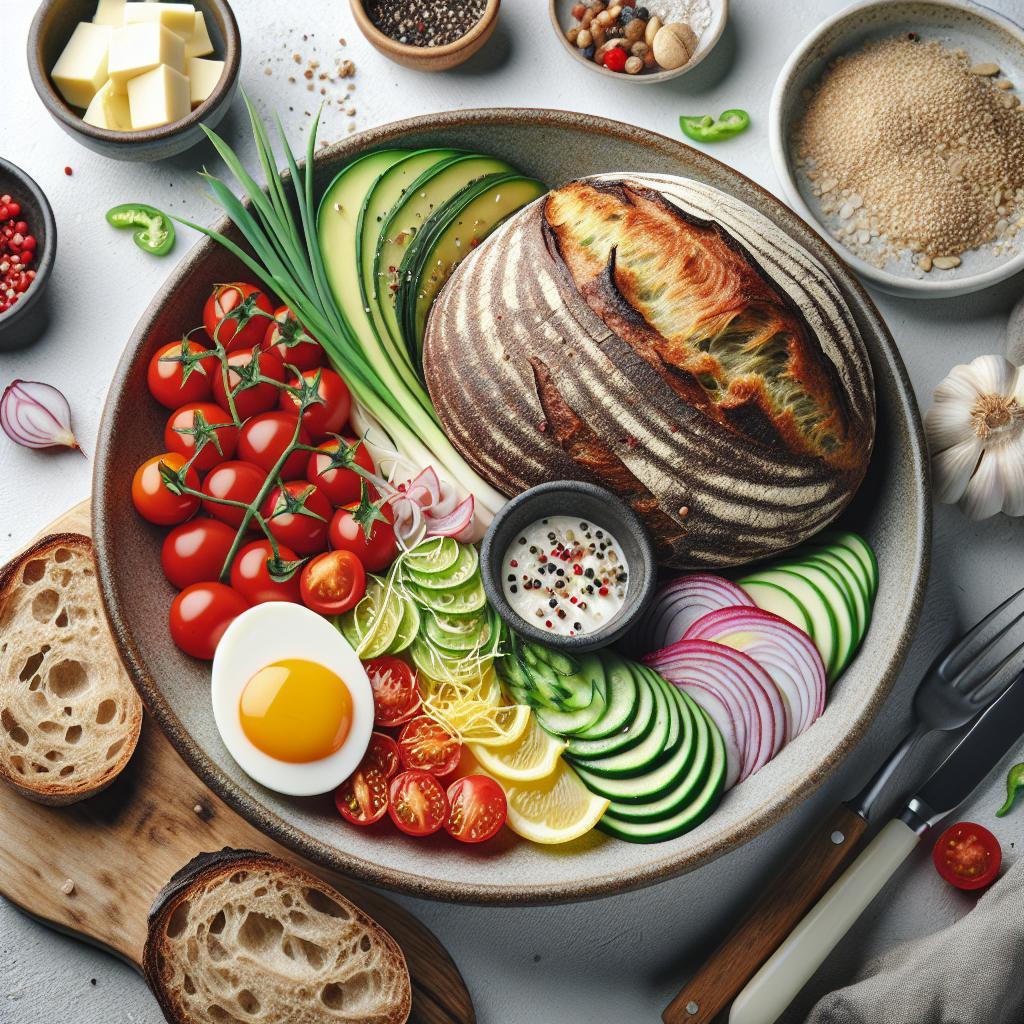

In the jar of flour and water lives a compact chemical engine that creates sourdough’s flavor and lift. This living culture combines wild yeasts and bacteria in a steady, observable sequence of reactions that bakers manage through feeding and temperature control.
- At a glance: wild yeasts produce carbon dioxide; lactic acid bacteria produce acids that shape flavor.
- Feeding matters: a consistent 1:1:1 weight feed stabilizes activity and predictability.
- Temperature tunes taste: warm speeds fermentation; cool improves acidity balance and complexity.
- Maintenance tip: refrigeration slows growth and reduces feed frequency without killing microbes.
What a sourdough starter is
A sourdough starter is a living culture of wild yeasts and lactic acid bacteria kept in flour and water. Bakers maintain it with regular feedings to keep microbial populations active and predictable.
The starter serves two roles: it leavens dough by producing gas and it shapes flavor through acid production and enzymatic activity. For background on the broad concept, see sourdough.
The chemistry of fermentation
Fermentation in a starter is a set of metabolic reactions. Yeasts and bacteria metabolize flour-derived carbohydrates into gases, acids and minor alcohols.
These products interact with dough proteins and starches to change texture and taste. For an overview of microbial metabolism in food, consult fermentation (food).
Yeast metabolism and gas production
Wild yeasts convert sugars to carbon dioxide and ethanol through glycolysis and alcoholic fermentation. The carbon dioxide inflates the gluten network, which gives bread its rise.
Different yeast strains vary in speed and gas yield, which affects proof timing and crumb structure. Read about the organism class at yeast.
Lactic acid bacteria: acids and enzyme action
Lactic acid bacteria ferment sugars into lactic and acetic acids and produce enzymes that break down complex molecules. These acids lower pH, preserve the dough briefly, and deliver the characteristic tang.
Acid production also alters gluten and starch behavior, improving shelf life and changing mouthfeel. For taxonomic and metabolic details see lactic acid bacteria.
When you change flour type, hydration or temperature, you change the starter’s chemical environment. Small changes can shift the dominant microbes and therefore the acid profile and rise behavior.
Building and maintaining a starter
Start with equal parts flour and water by weight to create a predictable environment. Use filtered water and unbleached flour to avoid chemicals that suppress microbes.
Keep a jar in a warm, draft-free spot for active starters. If you need a step-by-step practical guide, refer to our internal resource: Comprehensive Guide to Perfecting Your Sourdough Starter.
Prep and timing
Preparation: 10 minutes initial mixing; expect 5–7 days to reach reliable maturity. Track bubble formation and doubling time to judge readiness.
Feeds: Start twice daily feedings with a 1:1:1 weight ratio (starter:flour:water) and shift to daily or refrigeration once mature. Refrigerate to reduce feeding frequency to weekly without killing the culture.
Ingredients and why they matter
Flour: Whole-grain flours supply more nutrients and diverse microbes, which accelerates establishment. White all-purpose flour yields a milder, slower-developing culture.
Water: Chlorinated water can suppress activity; use filtered or rested water. Small additions of rye or whole wheat can stimulate lactic acid bacteria if the starter lags.
Detailed feed schedule (concise)
Day 1: Mix 50 g flour with 50 g water in a clean jar and cover. Wait 24 hours.
Days 2–4: Discard half, then feed 50 g flour and 50 g water twice daily if warm. Expect bubbles and a mild sour aroma by day 3.
Days 5–7: Increase feed size to 100 g flour and 100 g water once activity becomes regular. A mature starter doubles reliably within 6–8 hours after feeding.
Baking with your starter and troubleshooting
When your starter doubles predictably and smells pleasantly acidic, you can use it in recipes. For most loaves, use about 120 g (½ cup) active starter per standard recipe batch.
Measure activity with a float test or by tracking rise after feeding. That helps you time mix and final proof for consistent crumb and crust.
Troubleshooting: A gray, pink or orange tint indicates contamination; discard and restart. A clear brownish liquid (hooch) means the starter is hungry; pour off or stir back and feed promptly.
Adjust temperature to tune flavor: cool retards activity and favors acetic acid, giving a tangier loaf. Warm accelerates fermentation and can reduce perceived sourness while increasing speed.
Remember that hydration changes dough handling and acid diffusion; higher hydration often boosts enzymatic activity and open crumb. Practice with small loaves to dial in preferred profiles.
Tips for consistent results
Hydration consistency: Use a scale for accuracy. A stable hydration supports predictable microbial rates and dough handling.
Utensils: Use glass or food-grade plastic. Avoid reactive metals with acidic starters to prevent metallic off-notes and corrosion.
Reviving sluggish starters: Feed more often and add a spoonful of whole rye or whole wheat for extra nutrients. Frequent feeds shift the community toward active fermenters.
Useful internal links: Explore recipes and maintenance tips in our Sourdough Recipes section and the detailed starter maintenance guide above.
Nutritional snapshot
Sourdough starter is mostly flour and water; it provides tiny amounts of calories and protein in active culture portions. The fermentation does reduce phytic acid, which improves mineral bioavailability.
The following table reflects a general estimate per 100 g of starter; values vary by flour type and hydration.
| Nutrient | Per 100 g starter |
|---|---|
| Calories | ≈80 kcal |
| Protein | ≈3 g |
| Carbohydrates | ≈16 g |
| Fat | ≈0.2 g |
For mineral and digestive benefits, the enzymatic activity and acid production in sourdough can reduce antinutrients such as phytic acid. This biochemical change improves absorption of iron and zinc.

FAQ
What exactly is a sourdough starter?
A sourdough starter is a stable culture of wild yeasts and lactic acid bacteria maintained in flour and water. It acts as both leavening agent and flavor developer.
How do I know when my starter is mature?
It reliably doubles in size within a consistent window after feeding and smells mildly acidic but not unpleasant. Use the doubling time and bubble structure to confirm readiness.
Can I use tap water to feed my starter?
Chlorine can slow microbial activity, so filtered or dechlorinated water is best. If only tap water is available, let it sit open for an hour or boil and cool to remove chlorine.
How does temperature affect flavor?
Warmer temperatures speed fermentation and often produce a milder acid profile. Cooler temperatures slow activity and tend to favor acetic acid, increasing perceived tang.
Why does using whole-grain flour change my starter?
Whole-grain flours supply more nutrients and native microbes, which can speed fermentation and alter the bacterial balance. Expect faster activity and a more complex acid profile.
Understanding the chemical interplay inside a sourdough starter helps you control texture, flavor and reliability. With consistent feeds, sensible temperature control and basic sanitation, you make reproducible, delicious loaves every time.
See also: sourdough starter