

As the sun dips and grills warm, a well-run tailgate mixes flavor, logistics, and risk control. This guide focuses on practical, science-backed steps to keep your tailgate safe, sanitary, and enjoyable for everyone.
- Core Principles of Tailgate Safety
- Prep and Cook Time (Event Planning)
- Ingredients and Cold-Chain Management
- Grilling Instructions: Practical, Safe Execution
- Safety Strategies
- Tools and Gear Checklist
- Serving Suggestions and Waste Management
- Logistics: Crowd Flow and Site Layout
- Nutrition and Portioning
- Q&A
- How should I store raw meat at a tailgate?
- What internal temperatures should I use for common proteins?
- How can I reduce alcohol-related incidents at a tailgate?
- When should I discard perishable leftovers?
- Where can I find official guidance on handling outdoor-food events?
- Insights and Next Steps
- Plan storage: Keep perishables cold and separate from ready-to-eat foods.
- Verify temps: Use an instant-read thermometer and maintain food at safe temperatures.
- Manage fluids: Hydration and alcohol pacing reduce accidents and heat-related issues.
- Organize space: A simple layout prevents crowding and cross-contamination.
Core Principles of Tailgate Safety
Tailgate safety rests on three pillars: food control, hydration management, and crowd logistics. Focusing on these areas reduces common risks at outdoor events.
Adopt a checklist mindset: assign tasks, set temperature checks, and confirm contingency plans before guests arrive. Use a simple layout to minimize cross-traffic and keep cooking zones separate.
Prep and Cook Time (Event Planning)
Plan realistic prep and cook windows to avoid rushed handling that causes errors. For example, allow 20 minutes for prep and roughly 15 minutes for active grilling to match typical burger workflows.
Time buffers also help with food-safety steps like chilling, resting, and verifying internal temperatures. Building those minutes into your plan keeps food safe and service steady.
Ingredients and Cold-Chain Management
Keep perishable items at or below 40°F (4°C) until you cook them, and move cooked items to a separate clean platter immediately. Maintaining the cold chain prevents bacterial growth on protein-rich foods.
Use an insulated cooler and rotate ice packs rather than loose ice when possible. If you expect delays, pre-chill containers and monitor temps with a dedicated thermometer to ensure safety.
Grilling Instructions: Practical, Safe Execution
Heat your grill to medium-high and target surface heat near 375°F (190°C) for even searing. Form patties evenly, oil lightly, and season just before they hit the grate to control flare-ups and carryover cooking.
Cook ground beef to an internal temperature of 160°F (71°C) measured with an instant-read thermometer. Toast buns briefly on the grill and assemble burgers on a clean surface using separate utensils for raw and cooked items.
Safety Strategies
Divide the safety strategies into actionable habits: temperature control, cross-contamination prevention, and guest-flow management. Each habit reduces a specific failure mode at tailgate events.
Assign one person to temperature checks and one to sanitation so responsibilities stay clear. Clear roles ensure tasks like checking coolers, monitoring cooked food, and refilling water remain consistent throughout the event.
Food Handling and Cross-Contamination
Use separate cutting boards, tongs, and plates for raw and cooked foods to prevent transfer of pathogens. Cross-contamination explains many foodborne outbreaks; strict separation limits this risk.
Sanitize surfaces with a bleach solution or food-safe disinfectant between uses. For background reading, consult the food safety entry on Wikipedia for definitions and principles.
Hydration, Heat, and Alcohol Management
Encourage water intake and offer electrolyte options when temperatures rise or physical activity increases. Dehydration impairs judgment and increases heat-strain risk during long outdoor events.
Set a clear alcohol policy for drivers and establish a ride-share plan or designated drivers early. For science on dehydration, reference dehydration (physiology).
Keep a visible schedule of when to rotate ice packs and when to check internal food temps. This small, visible cue dramatically raises compliance with safe handling routines.
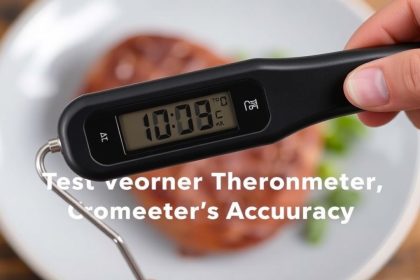
Make thermometer checks routine: every batch, every grill rotation, every 30–60 minutes for foods kept warm. This habit cuts uncertainty and improves guest safety.
Tools and Gear Checklist
Pack essentials: an instant-read thermometer, separate platters for raw/cooked foods, a first-aid kit, a trash plan, and a backup light source. Proper gear reduces improvisation and error during the event.
Bring spill-control supplies and heavy-duty trash bags to keep the space safe and slip-free. A minimal toolkit prevents small incidents from escalating into injuries or food contamination issues.
Serving Suggestions and Waste Management
Serve hot foods immediately and refrigerate leftovers within two hours to limit bacterial growth. Use covered containers and ice when refrigeration is unavailable for extended periods.
Label allergen-containing items and set up a clear waste-disposal flow to reduce tripping hazards and contamination. Composting or separated recycling also keeps the area tidy and reduces safety risks.
Logistics: Crowd Flow and Site Layout
Position grills downwind and away from tents, seating, and footpaths. A compact, numbered layout helps guests move predictably and avoids accidental contact with hot equipment.
Designate an entrance and exit for the food zone and use signage or cones to guide traffic. This approach reduces congestion and gives cooks uninterrupted space to work safely.
Nutrition and Portioning
Plan portions based on guest counts and typical consumption to avoid excessive leftovers that risk sitting at unsafe temperatures. A serving size estimate keeps you efficient and responsible.
Offer smaller plates to reduce waste and encourage variety without overserving. Balanced sides like salads and grilled vegetables reduce reliance on high-risk items and broaden safe choices.
Q&A
How should I store raw meat at a tailgate?
Keep raw meat on the bottom layer of a cooler in sealed packaging and monitor the cooler temperature to remain at or below 40°F (4°C). Use ice packs and replace them regularly to maintain the cold chain.
What internal temperatures should I use for common proteins?
Grind-to burgers should reach 160°F (71°C); whole cuts like steaks can be cooked to lower temps depending on preference, but follow safety guidance for vulnerable guests. Use an instant-read thermometer for verification.
How can I reduce alcohol-related incidents at a tailgate?
Set clear drinking windows, provide water stations, and arrange alternative rides for anyone who plans to drink. A visible alcohol plan and designated driver system reduce risk and liability.
When should I discard perishable leftovers?
Discard perishable foods left out longer than two hours, or one hour if ambient temperatures exceed 90°F (32°C). Rapid cooling, labeled containers, and prompt refrigeration extend safety for kept items.
Where can I find official guidance on handling outdoor-food events?
Consult authoritative summaries and science articles; for an overview of food-safety concepts, see Wikipedia’s cross-contamination and related entries. These pages provide definitions and references to primary sources.
Insights and Next Steps
Tailgate safety depends on routine, clearly assigned roles, and reliable tools. When teams adopt repeatable checks for temperature and sanitation, events become predictable and low-risk.
Practice the setup before game day and refine your checklist with each event. For additional practical guidance, visit internal resources like safe grilling tips and the tailgate checklist to standardize your approach.
| Nutrition | Per Serving |
|---|---|
| Calories | 420 kcal |
| Protein | 28 g |
| Carbohydrates | 32 g |
| Fat | 22 g |
Celebrate smart and keep these routines simple: cooler checks, thermometer reads, and a visible plan for hydration and transport. These steps make the next tailgate both memorable and safe.

See also: Tailgate safety