
By using this site, you agree to the Privacy Policy and Terms of Use.
Accept
CookOrBitCookOrBitCookOrBit
  • Home
  • About Us
  • Ingredient Science
    • Flavor & Aroma
    • Protein Chemistry
    • Sugar & Starch
    • Fats & Emulsions
  • Cooking Techniques
    • Searing & Grilling
    • Baking & Roasting
    • Boiling & Steaming
    • Low & Slow
  • Kitchen Experiments
    • DIY Ferments
    • Flavor Tests
    • Gadget Testing
    • Molecular Gastronomy
  • Food Myths
    • Searing Myth
    • 5-Second Rule
    • MSG Myths
    • Microwave Myths
  • Tools
  • More
    • Extra Picks
    • Quick & Easy
      • Breakfast Ideas
      • Desserts
      • Snacks
      • Soups
    • Global Flavors
      • Asian Street Eats
      • Latin Comforts
      • Mexican Flavors
      • Modern Mediterranean
CookOrBitCookOrBit
  • Home
  • About Us
  • Ingredient Science
  • Cooking Techniques
  • Kitchen Experiments
  • Food Myths
  • Tools
  • More
Search
  • Home
  • About Us
  • Ingredient Science
    • Flavor & Aroma
    • Protein Chemistry
    • Sugar & Starch
    • Fats & Emulsions
  • Cooking Techniques
    • Searing & Grilling
    • Baking & Roasting
    • Boiling & Steaming
    • Low & Slow
  • Kitchen Experiments
    • DIY Ferments
    • Flavor Tests
    • Gadget Testing
    • Molecular Gastronomy
  • Food Myths
    • Searing Myth
    • 5-Second Rule
    • MSG Myths
    • Microwave Myths
  • Tools
  • More
    • Extra Picks
    • Quick & Easy
    • Global Flavors
Follow US
  • Advertising Policy: 10 Practical Rules for Safe, Compliant Ads
  • Contact Us
  • Cookie Policy: Clear Guide for Site Owners
  • Copyright Notice Guide: 7 Essential Rules for Website Owners
  • Disclaimer
  • Privacy Policy
  • Terms of Service
By Fimaw.com
Crisp & Flavorful: The Ultimate Roasted Cauliflower Salad Guide
CookOrBit > Blog > Extra Picks > 9 Expert Steps to a Crisp & Flavorful Roasted Cauliflower Salad
Extra Picks

9 Expert Steps to a Crisp & Flavorful Roasted Cauliflower Salad

William J. Kroll
By William J. Kroll
Published: January 19, 2026
Share
SHARE

Crisp, caramelized cauliflower florets can transform a simple salad into a memorable plate. This guide gives precise techniques, ingredient rationale, and assembly tips so you consistently get that golden edge and tender interior.

Contents
  • Why roasted cauliflower works
  • Ingredients & why they matter
    • Key spices and swaps
  • Step-by-step roasting and assembly
    • Dressing preparation
  • Tips for success and meal prep
  • Pro-Cautions for texture and safety
  • Serving suggestions and pairings
    • Flavor contrasts that work
  • Nutrition snapshot
  • Practical equipment and shortcuts
  • FAQ
    • How do I get cauliflower crisp without burning?
    • Can I make this salad vegan?
    • How long can I store leftovers?
    • What are good protein additions?
    • Are there oven-free alternatives?
  • High heat matters: 425°F for caramelized edges without steam-soggy florets.
  • Dry florets: Pat dry to prevent steaming and promote the Maillard reaction.
  • Finish fresh: Add herbs and crunchy toppings at the end to preserve texture.

Why roasted cauliflower works

Roasting transforms cauliflower through caramelization and Maillard browning, releasing sweet, nutty flavors while keeping its interior tender. These chemical changes occur at high heat and give roasted cauliflower its characteristic savory depth.

Understanding cauliflower’s structure helps you control texture. The vegetable’s tight florets hold oil and heat differently than leafy greens; that makes spacing and oven temperature essential for crispness. See more on cauliflower at Cauliflower on Wikipedia.

- Advertisement -

Ingredients & why they matter

Choose a firm head of cauliflower and cut uniform florets for even roasting. Use extra-virgin olive oil sparingly to coat without saturating; the oil conducts heat and helps achieve a blistered surface.

Spices create the crust, while herbs and acid brighten the plate. Tahini or Greek yogurt anchors the dressing with creaminess, and lemon adds the necessary acidity to balance roasted sweetness. Learn about tahini at Tahini on Wikipedia.

Key spices and swaps

Smoked paprika gives a warm, smoky note; cumin adds earthiness. Garlic powder delivers a quick, even savory layer without burning the way fresh garlic sometimes does at high roast temperatures.

- Advertisement -

Swap toasted nuts to change the texture profile: pine nuts give a delicate crunch, while walnuts or pumpkin seeds offer more heft. Keep portions modest to let the cauliflower remain the star.

Step-by-step roasting and assembly

Preheat the oven to 425°F (220°C). Spread florets in a single layer on a rimmed sheet so hot air circulates; overcrowding traps steam and prevents browning.

Toss florets with 2–3 tablespoons of oil and the spice blend so each floret has an even coat. Roast 30–35 minutes, flipping once to expose multiple sides to direct heat and create consistent caramelization.

- Advertisement -

Dressing preparation

Whisk lemon juice, tahini (or Greek yogurt), minced shallot, and a touch of honey or maple syrup until smooth. The tahini adds body and a mellow sesame note that complements roasted flavors.

Adjust salt and acidity at the end; roasted vegetables mask flavors differently than raw produce. A final squeeze of lemon right before serving sharpens the profile without watering down the dressing.

Tips for success and meal prep

Pat florets dry after washing and before oiling to reduce surface moisture. Moisture inhibits browning and promotes steaming instead of roasting, so this step yields noticeably crisper edges.

Use a hot oven and avoid nonstick pans that can block browning; a heavy stainless steel or aluminum sheet performs best. Place the baking sheet on the middle rack for even heat distribution in most home ovens.

💡 Expert Insight
Expert Insight: For maximum crunch, roast florets with a small grate or elevated rack on your sheet to expose more surface area to hot air. If you roast directly on the sheet, leave space between florets and turn them at the 15-minute mark.

For meal prep, roast cauliflower up to 24 hours ahead and store in an airtight container. Reheat briefly in a 400°F (200°C) oven for 5–7 minutes to revive crisp edges before tossing with dressing.

Keep dressing and greens separate until serving. Combine warm cauliflower with chilled greens only moments before plating to preserve both temperature contrast and crunch.

Pro-Cautions for texture and safety

⚠️ Pro-Caution
Pro-Caution: Do not add delicate herbs or soft cheeses before roasting; they will wilt or burn. Add these elements after roasting to preserve freshness and flavor balance.

Handle hot trays carefully and let roasted cauliflower rest briefly before dressing to avoid wilting the salad base. Too-hot vegetables will steam the greens and soften toasted nuts or seeds.

Serving suggestions and pairings

Serve the roasted cauliflower salad over baby arugula, quinoa, or mixed grains to make it a main course. Add crumbled feta or toasted chickpeas for protein while keeping the salad balanced.

Finish with a light drizzle of quality olive oil and a scatter of fresh herbs and seeds for texture contrast. For background on olive oil properties, consult Olive oil on Wikipedia.

Flavor contrasts that work

Include a bright, acidic element like pomegranate seeds or preserved lemon to counteract roasted sweetness. A hint of honey or maple syrup in the dressing ties the flavors without making the salad overtly sweet.

Textural contrasts—crunchy nuts, crisp radish, creamy yogurt or tahini—make every bite interesting and keep diners engaged. Small contrasts amplify the roasted cauliflower’s appeal.

Nutrition snapshot

Roasted cauliflower delivers vitamins C and K, fiber, and low-calorie volume. Adding nuts and tahini increases healthy fats and modest protein to make the salad more satiating.

Per serving estimates depend on portioning and dressing amounts; a typical side portion with tahini dressing ranges ~200–250 kcal with balanced macros from vegetables, fats, and small protein from nuts or yogurt.

Nutrient Per Serving (est.)
Calories 210 kcal
Protein 6 g
Carbohydrates 14 g
Fat 16 g

Practical equipment and shortcuts

Use a rimmed baking sheet, parchment for easy cleanup, and an oven thermometer for accuracy. A chef’s knife and a sturdy spatula speed prep and turning during roasting.

Shortcuts: pre-cut frozen florets work if you thaw and dry them thoroughly. Use store-bought toasted nuts when time is tight, but toast raw nuts at 350°F for 6–8 minutes to deepen their flavor when possible.

FAQ

How do I get cauliflower crisp without burning?

Roast at 425°F and keep florets spaced. Pat dry, use enough oil to coat (not soak), and turn once halfway through roasting so all sides contact direct heat for even browning.

Can I make this salad vegan?

Yes. Use tahini in the dressing and choose maple syrup instead of honey. Skip cheese or substitute with toasted sesame seeds or nutritional yeast for savory depth.

How long can I store leftovers?

Store roasted cauliflower and dressing separately in the refrigerator up to 2–3 days. Combine just before serving and reheat the florets briefly in a 400°F oven to restore crispness.

What are good protein additions?

Add grilled chicken, roasted chickpeas, or cooked quinoa for a heartier bowl. Each option integrates well with lemon-tahini or yogurt-based dressings without overpowering roasted flavors.

Are there oven-free alternatives?

Yes. Pan-roast florets in a large skillet over medium-high heat with oil, turning frequently for even browning. Use a wide pan and avoid crowding to replicate oven results.

Embrace these techniques and ingredient choices to make roasted cauliflower the star of your salads with reliable, reproducible results. For additional culinary context on the roasting technique, consult Roasting (cooking) on Wikipedia.

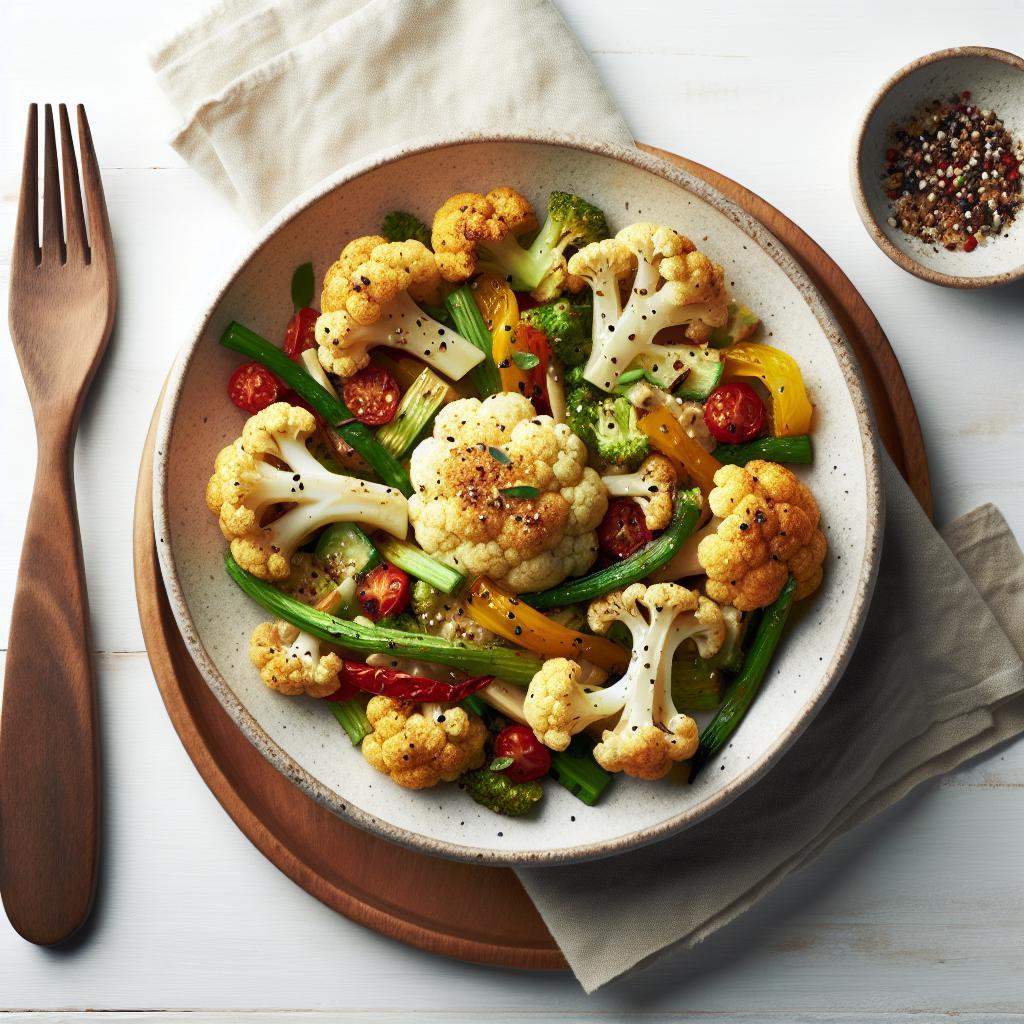
Crisp & Flavorful roasted cauliflower salad plated with fresh herbs and pine nuts

See also: Roasted Cauliflower

Carrageenan Exposed: 9 Practical Uses and Safe Cooking Techniques
5 Evidence-Based Reasons Not to Avoid All Food Additives
7 Proven Flavor Pairing Principles That Unlock Taste
7 Pro Tips: Honey Garlic Shrimp Skewers – Sweet & Savory Grill Guide
7 Pro Tips for Spinach Quesadilla Perfection
TAGGED:andCaramelized vegetablescauliflowerCauliflower recipecrispHigh heat roastingOven roasting tipsroasted cauliflowerTahini dressingtheultimateVegetable roasting
Share This Article
Facebook Pinterest Whatsapp Whatsapp LinkedIn Telegram Threads
What do you think?
Love0
Sad0
Happy0
Sleepy0
Angry0
Dead0
Wink0
Previous Article Velvety Creamy Corn Chowder: A Comfort in Every Spoon 7-Step Velvety Creamy Corn Chowder: Comfort in Every Spoon
Next Article Savor the Rich Flavors of Homemade Roasted Tomato Soup 10 Secrets to Savor Homemade Roasted Tomato Soup
Creamy Garlic Chicken with melted Parmesan and fresh herbs on a rustic white plate
Garlic Chicken: 7 Ultimate Brilliant Recipes to Make the Best-Ever Creamy Garlic Chicken with Parmesan & Fresh Herbs
Extra Picks
Colorful bowls of Leftover Couscous transformed into salads, fritters, and stuffed peppers.
12 Amazing Practical Leftover Couscous Ideas: Brilliant Ways to Reuse and Remix
Uncategorized
Colorful jars of spice blends beside steaming couscous with herbs and lemon
7 Ultimate spice blends That Transform Your Couscous — Amazing Best Flavor Boosts
Uncategorized
Bowls of gluten-free couscous alternatives: quinoa, millet, cauliflower, and rice
10 Amazing couscous alternatives: Best Gluten-Free Swaps for Incredible Flavor
Uncategorized

Tags

and art baked baking science baking techniques Baking tips batch cooking beef behind browning techniques butternut squash caramelization cast iron skillet chemistry chicken comfort food Cooking science cooking technique Cooking techniques Cooking tips crafting creamy creamy soup crispy culinary science fish flavor flavor chemistry food food safety Food science for garlic golden Ground turkey hearty heat high-heat cooking high protein meals how instant read thermometer Lean protein magic Maillard reaction make ahead meals make ahead soup mastering meal prep Meal prep recipes meat thermometer microwave microwave cooking moisture control one pot meals Pan searing perfect perfectly Plant based protein Probe thermometer protein denaturation Quick dinners roasted roasted squash roasted tomato soup Roasted vegetables Roasting techniques savor savory science Searing technique Searing techniques secrets slow cooking squash steak steak cooking sweet temperature control the top turkey turkey soup turkey stew ultimate umami cooking umami flavor unlock unlocking unveiling vegetable velvety weeknight dinner Weeknight dinners weeknight meals what when why with your zesty
March 2026
M T W T F S S
 1
2345678
9101112131415
16171819202122
23242526272829
3031  
« Feb    

You Might Also Like

Hearty Turkey and Mushroom Soup: A Cozy Comfort Recipe
Extra Picks

7-Step Hearty Turkey Soup Recipe: Ultimate Cozy Comfort

William J. Kroll
William J. Kroll
February 13, 2026
Mastering the Flake: Secrets to Perfect Puff Pastry Every Time
Fats & Emulsions

10 Proven Secrets: Mastering the Flake for Perfect Puff Pastry

William J. Kroll
William J. Kroll
February 12, 2026
- Blending Brilliance: The Science Behind Your Perfect Smoothi
Flavor Tests

Smoothie Mastery: 7 Science-Proven Tips for Ultra-Creamy Blends

William J. Kroll
William J. Kroll
October 29, 2025
- Unfolding Nature's Secrets: What Is Protein Denaturation?
Protein Chemistry

Unfolding Nature’s Secrets: Protein Denaturation Explained (Practical Guide)

William J. Kroll
William J. Kroll
November 16, 2025
Roasted Cauliflower & Chickpea Curry: A Flavorful Feast
Extra Picks

Cauliflower Curry: 7 Pro Tips for Bold Roasted Cauliflower & Chickpea Flavor

William J. Kroll
William J. Kroll
February 6, 2026
Deliciously Simple: Mastering the Art of Baked Fish Fillets
Extra Picks

7 Expert Steps to Perfect Baked Fish Fillets

William J. Kroll
William J. Kroll
January 22, 2026
Follow US
By Fimaw.com © All Rights Reserved.
  • Advertising Policy: 10 Practical Rules for Safe, Compliant Ads
  • Contact Us
  • Cookie Policy: Clear Guide for Site Owners
  • Copyright Notice Guide: 7 Essential Rules for Website Owners
  • Disclaimer
  • Privacy Policy
  • Terms of Service
Welcome Back!

Sign in to your account

Username or Email Address
Password

Lost your password?