

As autumn cools the air and kitchens fill with warm scents, roasted sweet potatoes move from side dish to centerpiece. This guide explains selection, roasting technique, dressings, and smart pairings so you can build a balanced, flavorful salad every time.
- Selecting the Perfect Sweet Potatoes for Maximum Flavor
- Prep, Cook Time, Yield, and Difficulty
- Ingredients and Sourcing Notes
- Instructions: Mastering Roasting for a Caramelized Crust
- Assembly: Combining Textures and Temperatures
- Creative Ingredient Pairings to Elevate Your Salad
- Dressing Decisions That Balance Sweetness and Tang
- Chef’s Notes and Practical Tips
- Serving Suggestions and Presentation
- Nutrition and Practical Notes
- Further Reading and References
- FAQ
- What makes roasted sweet potatoes ideal for salads?
- Which sweet potato varieties should I choose?
- Can I make the salad ahead of time?
- Is the salad suitable for special diets?
- How do I prevent soggy sweet potatoes?
- Final Notes
- Roast at high heat to maximize caramelization and crisp edges.
- Balance textures with crunchy nuts and tender greens.
- Use acid in the dressing to cut through natural sweetness.
Selecting the Perfect Sweet Potatoes for Maximum Flavor
Choose tubers with firm, smooth skin and no soft spots. Firmness indicates dense, moist flesh that will caramelize rather than dry out.
Medium-sized sweet potatoes roast most evenly; avoid oversized roots that can overcook on the exterior. Learn more about the crop and common varieties on Sweet potato.
Prep, Cook Time, Yield, and Difficulty
Preparation takes about 15 minutes; roast at 425°F (220°C) for 30–35 minutes. Plan 50 minutes total from start to finish, including brief cooling time.
This recipe yields 4–6 servings as a side or light main and rates easy for most home cooks. The method requires only basic equipment: a rimmed baking sheet, a bowl for tossing, and a whisk for the dressing.
Ingredients and Sourcing Notes
Use fresh, high-quality staples for the best result. Quality oil, fresh citrus, and well-toasted nuts matter as much as the sweet potatoes themselves.
Optional grains such as quinoa add structure and protein if you want a heartier main dish. Below are the core ingredients used in this guide.
- 4 medium sweet potatoes (about 2 pounds), peeled and cut into 1-inch cubes
- 3 tablespoons extra-virgin olive oil
- 1 teaspoon smoked paprika
- 1 teaspoon sea salt
- ½ teaspoon freshly ground black pepper
- 1 cup cooked quinoa (optional)
- ½ cup toasted pecans
- 1 small red onion, thinly sliced
- ½ cup dried cranberries
- 2 cups baby arugula
Instructions: Mastering Roasting for a Caramelized Crust
Start by preheating the oven to 425°F (220°C). High, dry heat encourages surface sugars to brown without steaming the cubes.
Toss the sweet potato cubes with oil, smoked paprika, salt, and pepper until each piece shines. Spread in a single layer on a rimmed baking sheet to allow hot air circulation and even browning.
Roasting Steps
Place potatoes on a parchment-lined or silicone-lined sheet to prevent sticking. Roast 30–35 minutes, flipping once halfway through, until pieces show deep golden edges and tender centers.
Let the potatoes cool slightly before adding to the salad so they retain crisp edges and absorb dressing without becoming soggy. Avoid overcrowding the pan; if needed, roast in two batches for the best caramelization.
Assembly: Combining Textures and Temperatures
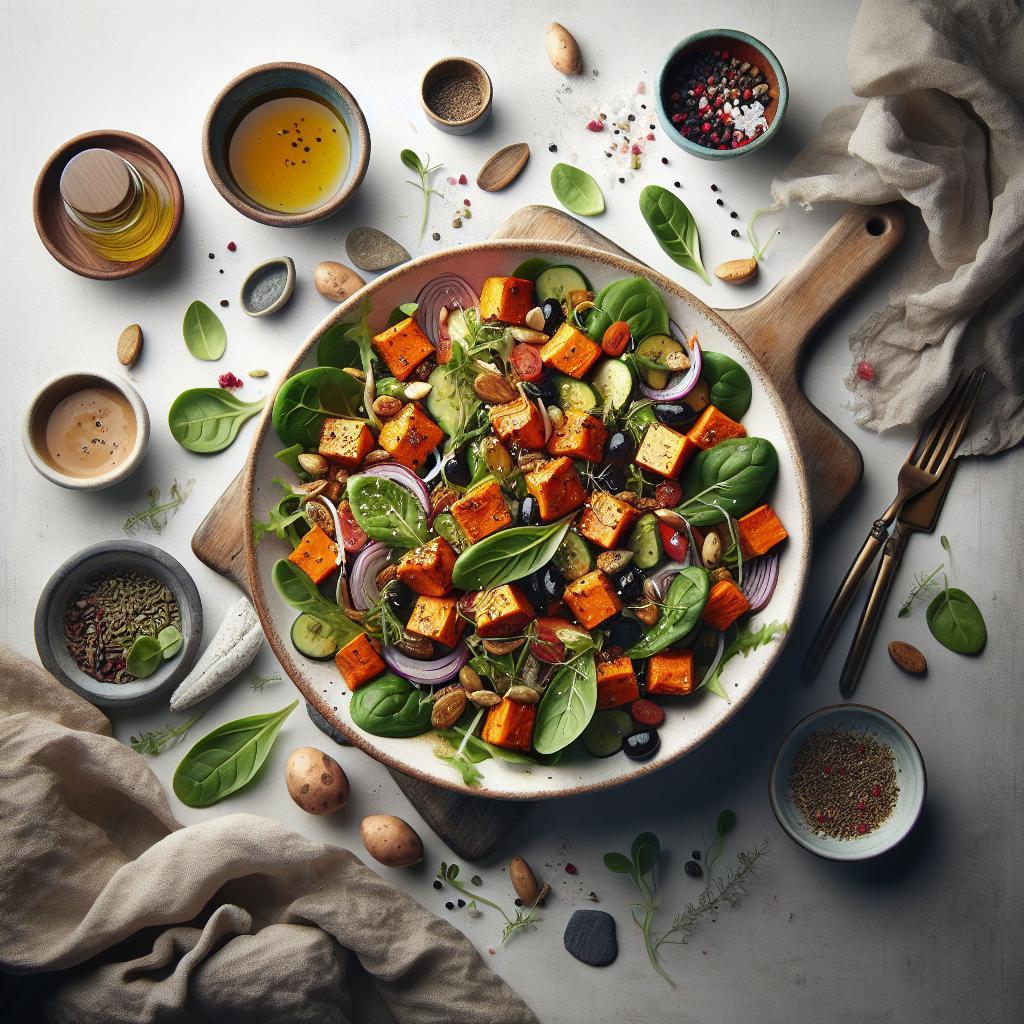
Combine cooked quinoa, toasted pecans, red onion, dried cranberries, and arugula in a large serving bowl. Reserve the arugula until the end if you prefer its leaves very crisp.
Add the roasted sweet potatoes last, folding gently to preserve their crisp edges. Serve immediately or let warm potatoes rest a few minutes so flavors meld without wilting greens.
Creative Ingredient Pairings to Elevate Your Salad
Sweet potatoes pair well with sharp cheeses, bright fruit, and toasted seeds for contrast. Use tart elements like cranberries or pomegranate seeds to create tension against the tuber’s sweetness.
To change texture and flavor, swap pecans for walnuts or pumpkin seeds. For more on the nut commonly used here, see Pecan.
Dressing Decisions That Balance Sweetness and Tang
A citrus-forward vinaigrette brings clarity to the dish by cutting through richness. Combine acid, oil, and a touch of sweetener to complement roasted sugars without overpowering them.
Whisk the vinaigrette just before tossing so it stays emulsified and coats ingredients evenly. The dressing below hits a dependable sweet-tang balance for this salad.
- 3 tablespoons extra-virgin olive oil
- 1 ½ tablespoons fresh lemon juice
- 1 teaspoon honey (or maple syrup for vegan)
- 1 teaspoon Dijon mustard
- Salt and pepper, to taste
Chef’s Notes and Practical Tips
Choose Garnet or Jewel varieties for a deep orange hue and high sugar content; these roast to a tender, creamy interior. Smaller, uniformly sized pieces brown more consistently.
Toast nuts in a dry skillet for 3–5 minutes, watching closely; toasted nuts add crunch and a toasty aroma that lifts the salad. Store leftover roasted cubes refrigerated for up to 48 hours and re-crisp briefly in a hot oven.
Serving Suggestions and Presentation
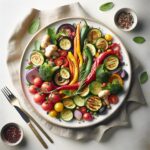
Serve the salad warm or at room temperature. Arrange it on a shallow platter so the roasted cubes and mix-ins display clearly for guests.
Garnish with chopped fresh parsley or cilantro for color contrast, and offer warm, crusty bread or grilled seasonal vegetables alongside. Presentation enhances appetite and dwell time for readers and diners alike.

Nutrition and Practical Notes
This salad provides a balanced mix of carbohydrates, healthy fats, and plant protein when quinoa is included. Serving size and add-ins will change total calories and macros.
Below is a representative nutrient snapshot per serving based on the core recipe without optional grains.
| Nutrient | Per Serving |
|---|---|
| Calories | 310 |
| Protein | 6g |
| Carbohydrates | 45g |
| Fat | 12g |
Further Reading and References
For background on leafy greens used in salads, consult the plant profile for arugula at Eruca sativa. That page explains flavor compounds and culinary uses.
To compare whole-grain additions such as quinoa, see the Quinoa entry for cultivation and nutrition context. These references support ingredient choices and dietary swaps.
FAQ
What makes roasted sweet potatoes ideal for salads?
Roasting concentrates natural sugars and creates a textured exterior that contrasts with greens. The resulting sweet-savory profile pairs well with bright dressings and crunchy elements.
Which sweet potato varieties should I choose?
Garnet and Jewel varieties deliver rich color and high natural sugar, making them ideal for caramelization. Smaller, evenly sized tubers cook more uniformly than very large roots.
Can I make the salad ahead of time?
Yes. Roast and cool potatoes a day ahead, store airtight, and reheat briefly to re-crisp. Assemble just before serving to preserve greens’ texture.
Is the salad suitable for special diets?
It naturally suits gluten-free diets and becomes vegan when you replace honey with maple syrup and omit dairy. Adding quinoa increases plant-based protein for more balanced meals.
How do I prevent soggy sweet potatoes?
Avoid overcrowding the baking sheet and roast at high temperature. Pat cubes dry after cutting and use adequate oil to promote a crisp, caramelized surface.
Final Notes
Roasted sweet potato salad rewards technique and thoughtful pairings. Focus on heat, texture, and a bright dressing to achieve balance.
Apply these methods and variations to fit your menu and season. A well-roasted cube and a balanced vinaigrette make a memorable dish that highlights harvest flavors.
See also: Sweet potato