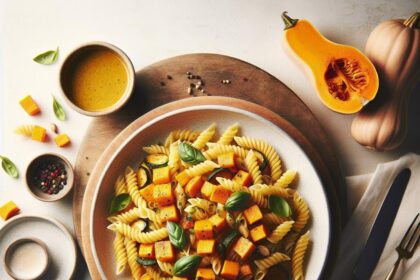

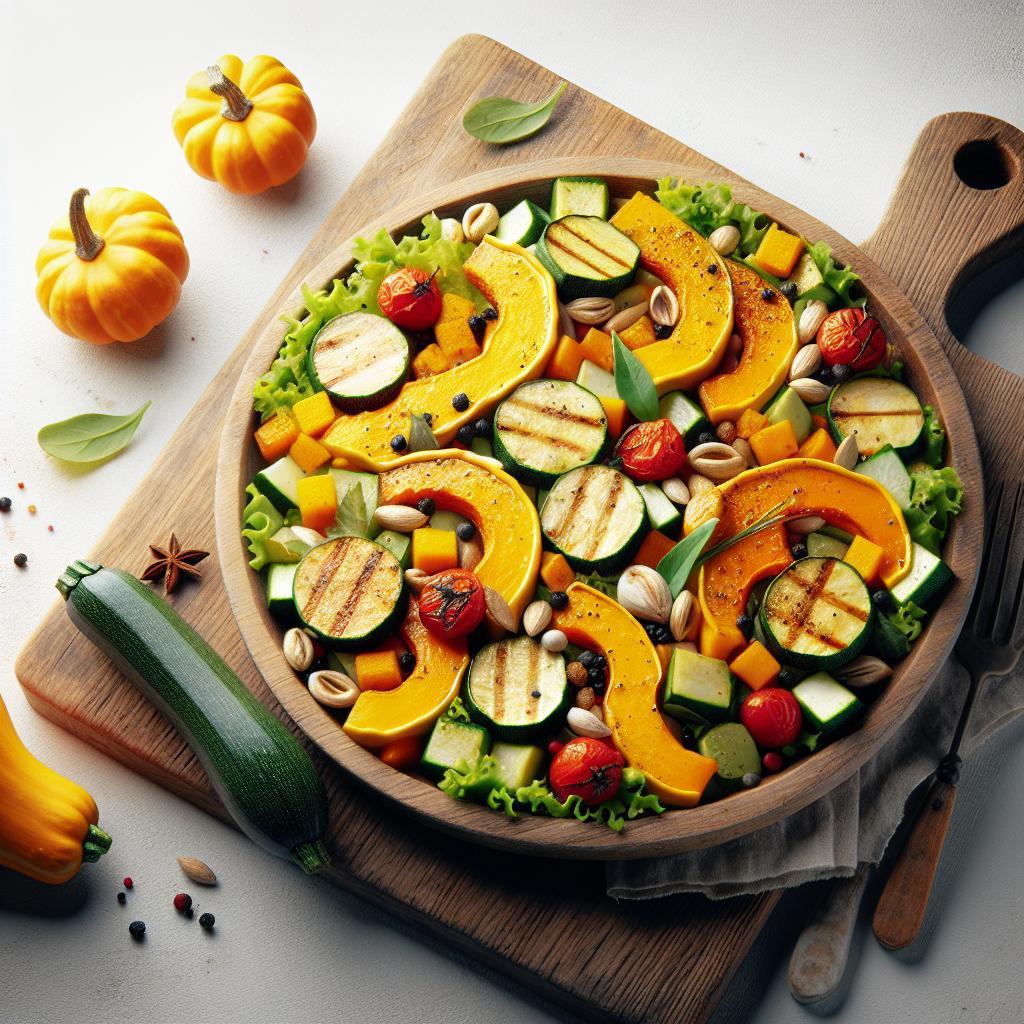

As autumn paints fields and markets in gold, roasted squash becomes a decisive seasonal ingredient. This recipe transforms humble winter squash into a composed salad that balances caramelized sweetness, bright greens, crunchy seeds, and zesty acid.
- Roast for depth: Proper high-heat roasting creates caramelized edges and deeper flavor.
- Texture balance: Combine warm squash with cool greens and crisp seeds for contrast.
- Make-ahead smart: Roast in advance but assemble just before serving to keep greens alive.
- Versatile protein: Add legumes or grains to turn this into a main course.
Prep and Cook Time
Preparation: 20 minutes. I recommend cutting squash into uniform pieces for even roasting and faster cook time.
Cooking: 35–40 minutes at high heat. That range delivers caramelization without collapsing the pieces.
Yield
This recipe serves 4 as a hearty salad. It scales well: double the squash and seeds while keeping greens light to preserve texture.
Portioning matters. Serve immediately for best contrast between warm squash and cool greens, or refrigerate for a chilled plate later.
Difficulty Level
Easy to medium. The technique focuses on simple roasting and basic knife skills, approachable for home cooks with minimal equipment.
To reduce difficulty, choose delicata or pre-cut squash. Both minimize prep and accelerate the process while preserving flavor.
Recipe
This section groups the ingredients and the method for clarity. Follow the sequence: prep, roast, toast seeds, assemble, dress, and finish.
I use a single baking sheet and one skillet for pepitas to keep clean-up minimal and workflow efficient.
Ingredients
- 2 cups butternut squash, peeled and cubed (about 1-inch pieces)
- 1 cup acorn squash, cubed
- 1 cup delicata squash, sliced into ½-inch half-moons
- 1 cup kabocha squash, cubed
- 3 tablespoons olive oil, divided
- 1 teaspoon sea salt
- ½ teaspoon freshly ground black pepper
- 1 teaspoon ground cinnamon
- 2 tablespoons pure maple syrup (optional for extra caramelization)
- 1 cup cooked quinoa (room temperature)
- ½ cup toasted pepitas (pumpkin seeds)
- ¼ cup crumbled feta cheese (optional for tanginess)
- 2 cups arugula or mixed baby greens
- 1 small red onion, thinly sliced
- Juice of 1 lemon
- 2 tablespoons fresh parsley, chopped
When I list multiple squash varieties I reference the plant genus and regional varieties for texture and sweetness. Learn more about the botanical group Cucurbita to understand how varieties differ.
Instructions
- Preheat your oven to 425°F (220°C). Line a large baking sheet with parchment paper for even roasting and easy cleanup.
- Prepare the squash mixture: In a large bowl, toss butternut, acorn, delicata, and kabocha pieces with 2 tablespoons olive oil, salt, pepper, and cinnamon. Drizzle maple syrup if you want more caramelization.
- Spread the squash evenly on the baking sheet in a single layer. Crowding causes steaming; separation yields crisp, browned edges.
- Roast for 35–40 minutes, tossing once at the 20-minute mark. Look for golden-brown edges and tender centers.
- Toast the pepitas: Heat a small skillet over medium heat and toast seeds until they pop and turn golden, about 3–4 minutes. Watch carefully to prevent burning.
- Assemble the base: In a large serving bowl, combine arugula, cooked quinoa, and thinly sliced red onion. Toss briefly so the onion distributes evenly.
- Fold in squash: Let roasted squash cool slightly, then gently fold it into the salad to keep greens from wilting too quickly.
- Dress the salad: Drizzle remaining 1 tablespoon olive oil and fresh lemon juice. Toss lightly to combine flavors without crushing the squash.
- Finish and serve: Top with toasted pepitas, crumbled feta, and fresh parsley. Serve immediately or chill briefly if preferred cold.
For a concise guide to roasting science and Maillard browning, consult practical technique notes. You can review more on the method at roasting (cooking).
Tips for Success
Choosing squash: Pick firm, heavy specimens with intact skin and no soft spots. Butternut and kabocha deliver sweetness while delicata’s thin skin can stay on for speed and nutrition.
Uniform cuts: Cut to consistent size to ensure even cooking and predictable texture. Smaller pieces brown faster; larger pieces hold structure for a salad.
Layer textures thoughtfully: warm squash, cool peppery greens, chewy quinoa, and crisp seeds. That contrast makes each bite interesting and satisfying.
Vegan swap: Omit feta and use toasted walnuts or extra pepitas for richness and crunch. Legumes like roasted chickpeas add protein and texture.
If you plan to prep ahead, roast squash a day early and store airtight. Assemble just before serving to keep greens crisp and seeds crunchy.
Serving Suggestions for Seasonal Appeal
Serve this salad on a shallow platter to showcase its color and layers. Garnish with microgreens or edible flowers for a refined look at gatherings.
Pair with crusty bread or a bowl of lentil soup to round the meal. Add sliced crisp apple or pomegranate arils for acidity and jewel-like color.
For gluten-free grains, quinoa works well. Read more about the grain and its culinary use at quinoa.
Swap pepitas for toasted pumpkin seeds or chopped toasted pecans to vary flavor and crunch. For background on pepitas see pumpkin seeds.
Nutritional Information
The salad delivers a balanced macronutrient profile: complex carbs, moderate protein, and healthy fats. Squash contributes fiber and carotenoids, while seeds add plant-based fat and minerals.
Adjust portions to fit dietary needs. Remove cheese to lower saturated fat or add legumes to increase protein density for a main-course salad.
| Nutrient | Per Serving |
|---|---|
| Calories | 320 kcal |
| Protein | 8 g |
| Carbohydrates | 45 g |
| Fat | 11 g |
For additional seasonal roasted vegetable ideas, explore recipes in your collection and swap squash for roasted root vegetables when desired.
Q&A
This quick Q&A covers common technique and pairing questions. Use it as a reference while cooking or planning menus.
The answers focus on practical application and substitution options for home cooks of varying skill levels.
Q1: What makes roasted squash the star ingredient in this salad?
Roasted squash concentrates natural sugars and develops caramelized browning, contributing rich, sweet notes. That sweetness balances bitter greens and acidic dressings.
Q2: Which squash types roast best for texture and flavor?
Butternut and delicata are reliable: they roast evenly and maintain a pleasant texture. Kabocha adds a dense, nutty quality while acorn provides a subtle earthiness.
Q3: How do I prevent squash from becoming mushy?
Cut uniform pieces, avoid overcrowding the pan, and roast at high heat. Turning once mid-roast encourages even browning without overcooking interiors.
In Retrospect
Roasting transforms winter squash into a component that can anchor a composed salad or support other dishes. The method emphasizes caramelization and texture contrast.
By balancing warm squash with fresh greens, grains, seeds, and acid, you create a seasonal dish that reads as both rustic and refined.
FAQ
How far ahead can I roast the squash?
Roast up to 24 hours ahead and store in an airtight container. Reheat briefly or use at room temperature; assemble the salad just before serving to protect greens.
Can I omit quinoa?
Yes. Omit grains for a lighter side salad or substitute cooked farro, bulgur, or couscous if not gluten-sensitive. Adjust seasoning to taste after adding a different grain.
What dressing pairs best with roasted squash?
A simple lemon-olive oil dressing highlights squash sweetness. For richness, blend olive oil with a touch of Dijon mustard and honey or maple syrup for balance.
How do I store leftovers?
Keep components separate when possible. Store roasted squash and greens in separate containers for up to 3 days. Combine just before serving for best texture.
Can I roast everything on one tray?
Yes, provided pieces are uniform and you avoid overcrowding. For mixed vegetables with different cook times, stagger their addition so nothing overcooks.
See also: Roasted Squash