

Beef stir-fry delivers bold flavor, crisp texture, and fast weekday satisfaction when you control heat, timing, and sauce balance. This guide lists seven professional techniques so you can reproduce a restaurant-quality beef and broccoli at home with consistent results.
- Beef stir-fry: Overview and What You Gain
- Prep and Cook Time for Beef stir-fry
- Yield and Difficulty for Beef stir-fry
- Ingredients
- Instructions: How to Build a Reliable Beef stir-fry
- Technique Notes for Beef stir-fry
- Tips for Success with Beef stir-fry
- Serving Suggestions and Pairings for Beef stir-fry
- Nutrition per Serving
- FAQ
- High heat, fast cook: Sear to brown while preserving interior texture.
- Sauce balance: Use soy, oyster, sugar, and a cornstarch slurry for gloss and cling.
- Mise en place: Slice beef thin, blanch broccoli, and stage aromatics to speed wok work.
- Serve hot: Plate quickly over rice or noodles to preserve texture.
Beef stir-fry: Overview and What You Gain
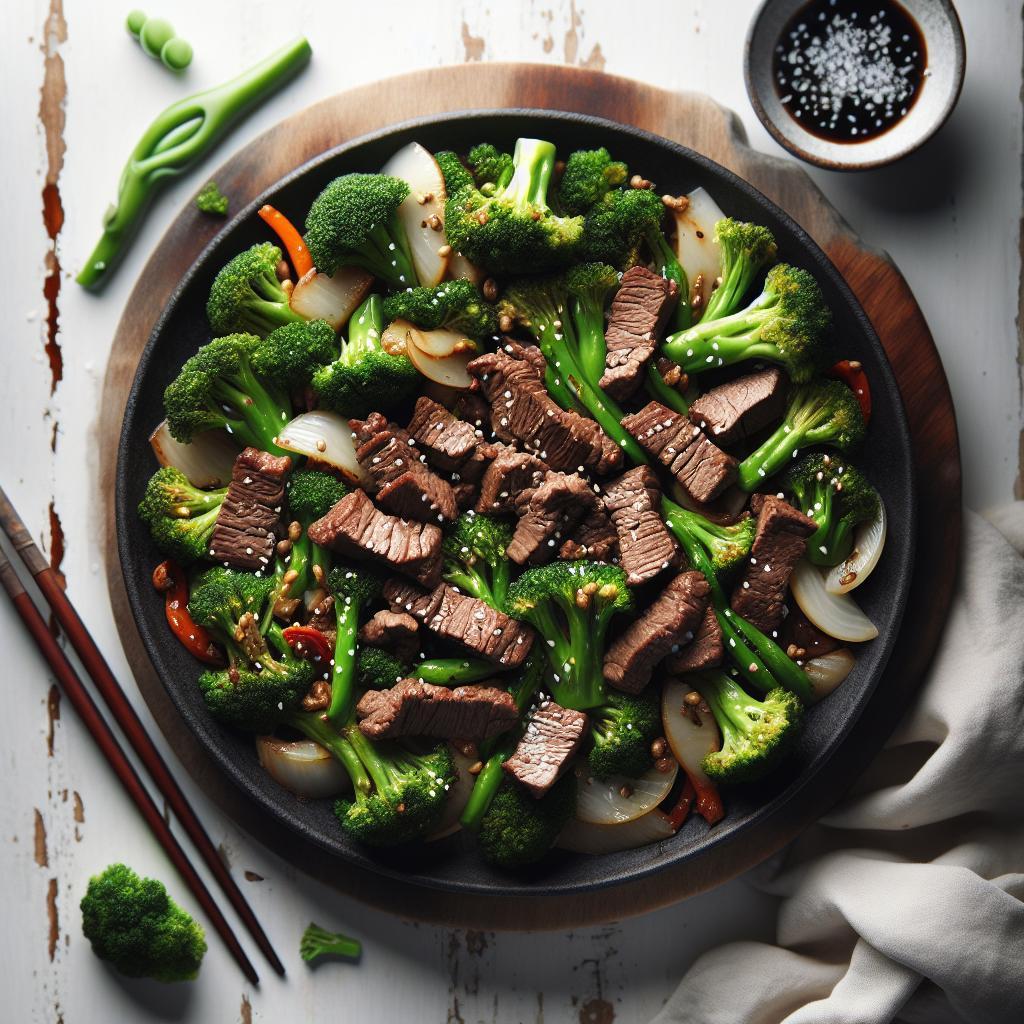
This beef stir-fry pairs thinly sliced beef with crisp broccoli in a glossy, savory sauce designed to cling. The method emphasizes searing technique, sauce chemistry, and timing to maintain color and bite.
Stir-frying demands controlled high heat and rapid movement to get ideal texture. For background on the core technique, review the stir-frying method on stir-frying.
Prep and Cook Time for Beef stir-fry
Preparation: 15 minutes. Cooking: 10 minutes. Short cooking keeps broccoli vibrant and beef juicy.
Work in mise en place: slice meat, mix the sauce, and blanch broccoli before you heat the wok. This sequencing prevents rushed mistakes during the high-heat portion.
Yield and Difficulty for Beef stir-fry
This recipe yields four portions suitable for family dinners or meal prep. Portions scale easily when you increase protein and vegetables proportionally.
Difficulty rates as medium because timing and high-heat technique require attention. With practice, these steps become intuitive and repeatable.
Ingredients
Use fresh, high-quality ingredients to get the clearest flavors. Substitute mindfully if you change key components like soy or oyster sauce.
For context on main components, consult the beef and broccoli references.
- 12 oz flank steak, thinly sliced against the grain
- 4 cups fresh broccoli florets
- 3 tbsp vegetable oil, divided
- 2 cloves garlic, finely minced
- 1 tsp fresh ginger, grated
- 1/4 cup low sodium soy sauce
- 2 tbsp oyster sauce
- 1 tbsp toasted sesame oil
- 1 tbsp brown sugar
- 1 tsp cornstarch, dissolved in 3 tbsp water (slurry)
- 1/4 tsp crushed red pepper flakes (optional)
- 2 green onions, sliced diagonally for garnish
- 1 tsp toasted sesame seeds (optional)
- Steamed jasmine rice or cooked noodles, for serving
Instructions: How to Build a Reliable Beef stir-fry
Execute the recipe in clear stages: marinate, blanch, sear, aromatics, combine, and finish. Each stage isolates a single variable so results remain consistent.
Keep ingredients at hand and operate at high heat only once the pan and oil are properly hot. Timing is the main control knob for final textures.
Step-by-step Method
Marinate the beef: Toss sliced flank with 1 tbsp soy sauce and 1 tsp cornstarch. Let rest 10 minutes to tenderize and help the meat accept the sauce later.
Prepare the sauce: Whisk the remaining soy sauce, oyster sauce, toasted sesame oil, brown sugar, and red pepper flakes. Reserve until needed.
Blanch the broccoli: Boil in salted water for 1–2 minutes until bright green. Shock in ice water to halt cooking and preserve color and crispness.
Stir-fry the beef: Heat 2 tbsp oil until shimmering. Add beef in a single layer and sear quickly until browned but still slightly pink inside, about 2–3 minutes. Work in batches to avoid steaming.
Sauté aromatics: Add remaining oil, then garlic and ginger. Stir 20–30 seconds until fragrant but not burnt.
Combine and finish: Return beef and broccoli to the wok. Pour sauce over and toss to coat evenly. Stir the cornstarch slurry and add it slowly while stirring until the sauce becomes glossy and clings to the ingredients, about one minute.
Garnish and serve: Remove from heat and sprinkle green onions and sesame seeds. Serve immediately over jasmine rice or noodles to preserve texture.
Technique Notes for Beef stir-fry
Searing completes browning through the Maillard reaction. Hold the pan hot and avoid crowding to maintain high surface temperature and caramelization.
Use a neutral oil with a high smoke point for searing, and add toasted sesame oil at the end for aroma rather than primary cooking oil. This preserves flavor and prevents burnt sesame notes.
Tips for Success with Beef stir-fry
Small adjustments improve reproducibility: uniform slices, a dry surface on the beef, and a fully pre-heated pan are essential. These steps reduce steam that prevents proper searing.
Adjust the sauce ratio to taste. If you prefer less salt, use a lower-sodium soy or reduce the soy by a tablespoon and compensate with a touch more oyster sauce or sweetener.
- Cut thin and against the grain: Short fibers give a tender bite.
- Do not overcrowd: Cook in batches to maintain surface temperature and good browning.
- Control the slurry: Add cornstarch mix gradually to avoid over-thickening.
- Blanch first: Preserves color and reduces final wok time.
Rest briefly between tips and the cautionary note to keep workflow safe and practical. Keep kitchen tools dry and a towel handy for quick cleanups.
Serving Suggestions and Pairings for Beef stir-fry
Serve this stir-fry immediately to preserve texture and temperature. Hot rice or noodles soak up the sauce and complete the dish.
Pair with light sides such as a quick cucumber salad or pickled vegetables for acid contrast. A warm jasmine tea complements the savory profile.
For additional context on common seasonings used here, consult the soy sauce article.
Related recipes: try other protein variations on this technique via internal recipe pages: Beef and Broccoli recipe and the curated tag collection Beef Stir-Fry tag.
Nutrition per Serving
This recipe offers lean protein and vitamin-rich broccoli; calories vary with rice or noodles added. You can lower fat by reducing the oil and omit sugar for fewer carbs.
Adjust oil and sugar to match dietary goals. For accurate tracking, weigh ingredients and use a nutrition calculator tied to your portions.
| Nutrient | Per Serving |
|---|---|
| Calories | 320 kcal |
| Protein | 28g |
| Carbohydrates | 15g |
| Fat | 14g |
FAQ
What cut of beef should I use?
Use quick-cooking, relatively lean cuts such as flank, skirt, or sirloin. These cuts take a thin slice well and remain tender when cooked fast.
Slice against the grain to shorten muscle fibers and improve bite. Partially chilling the meat helps you slice thin and uniform pieces.
How do I keep the broccoli bright green?
Blanch florets 1–2 minutes in boiling water, then shock them in ice water immediately. This preserves color and stops carryover cooking.
Finish by tossing the blanched broccoli briefly in the wok; avoid overcooking during the final toss to maintain crispness.
Can I make this gluten-free?
Yes. Use tamari or a certified gluten-free soy sauce and ensure your oyster sauce is gluten-free or substitute with a mushroom-based umami alternative. Check labels on all condiments due to formulation differences.
For soy-free options, reduce soy, add extra oyster or mushroom umami, and taste as you go to maintain balance.
How do I get a glossy sauce that clings?
A cornstarch slurry added at the end gives a glossy, clingy finish. Stir the slurry before adding and pour it slowly while stirring to control thickness.
Cook the slurry just until it becomes translucent and glossy; overcooking breaks down the starch and thins the sauce.
Can I swap beef for another protein?
Yes. Thinly sliced chicken, pork, or firm tofu work well with the same method; adjust cook time to match the protein. For tofu, press to remove moisture and pan-fry until golden before adding sauce.
Keep the same staging and high-heat finish to preserve texture across protein swaps. The technique translates directly when you maintain sear and slurry timing.
With these seven pro techniques, you can reliably produce a savory, restaurant-style beef and broccoli stir-fry at home. Practice the timing and heat control; the method rewards repetition with consistent, flavorful results.
See also: beef stir-fry