

Introduction
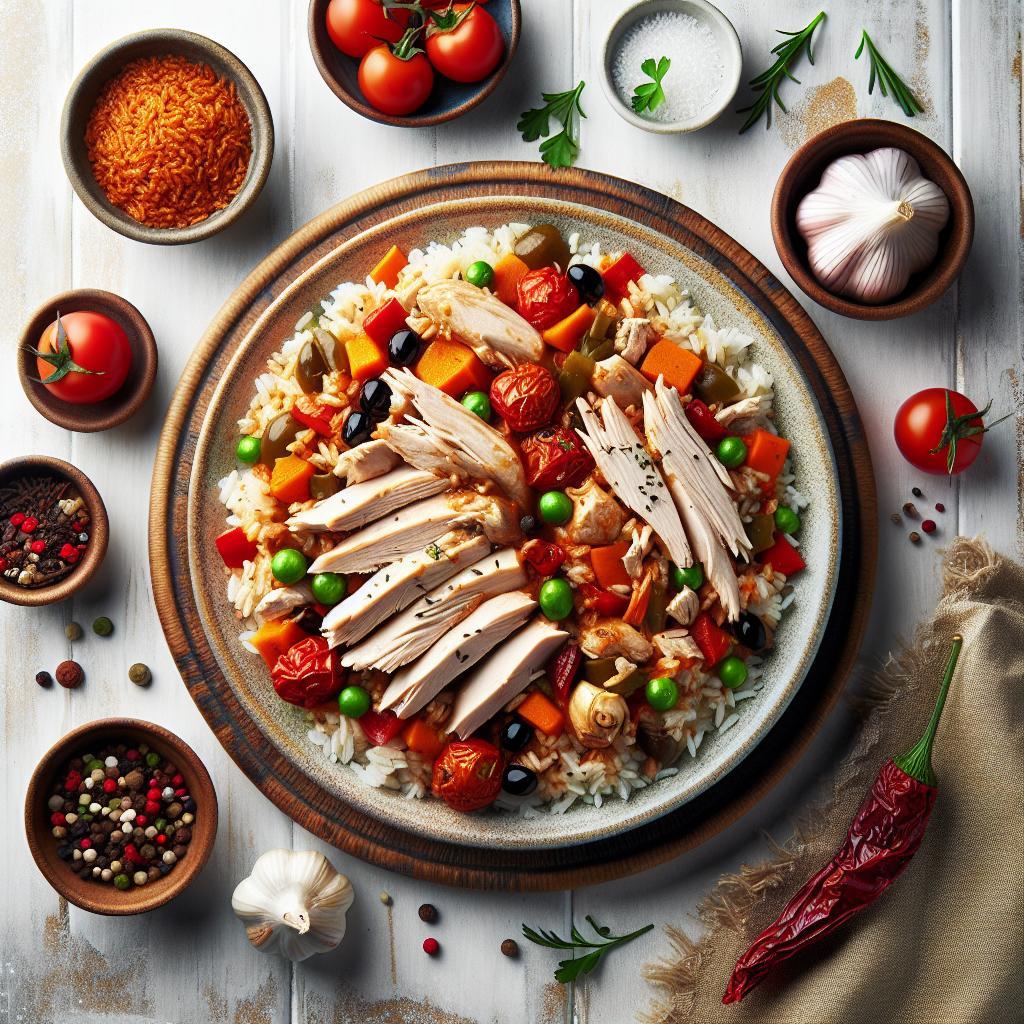
Turkey stew gives steady, satisfying results when you want a one-pot meal that reheats well and keeps texture. This version prioritizes juicy turkey, clearly separated rice, and a savory broth that holds up to batch cooking.
Use deliberate browning, controlled simmering, and a short rice finish to create bowls that stay appealing after refrigeration or freezing. Below you will find clear steps, practical tips, and a few advanced moves to elevate the pot.
- Key takeaway: Brown turkey and lightly toast spices to build deep savory notes before simmering.
- Key takeaway: Rinse rice and maintain a low simmer to keep grains separate and creamy.
- Key takeaway: Prefer dark meat for resilience; undercook rice slightly when planning to freeze.
- Key takeaway: Cool quickly, label portions, and reheat with a splash of warm stock to restore texture.
Understanding Texture: Why Balance Matters
A winning turkey stew balances three elements: liquid, protein, and starch. If any one element dominates, the bowl becomes soggy, mealy, or watery.
First, brown the meat to develop flavor via the Maillard reaction. Then simmer gently so the turkey becomes tender without breaking down the rice later.
Recipe Overview
This recipe yields about six servings and scales well for batch cooking. Expect about 15 minutes prep and roughly 45 minutes active cooking, depending on your equipment.
The method splits into three stages: sear for flavor, low simmer to tenderize, and a final short cook to finish rice. Monitor simmer intensity instead of watching the clock; cookware varies.
Ingredients
Choose fresh, high-quality ingredients for the best result. Use low-sodium stock to control seasoning and boneless turkey thighs for moisture retention.
Adjust spicing and rice type to match your pantry. If you substitute brown rice, increase liquid and time accordingly.
- 1 lb boneless, skinless turkey thighs, cut into 1″ pieces
- 1 cup long-grain white rice, rinsed and drained
- 1 large yellow onion, finely diced
- 3 cloves garlic, minced
- 2 medium carrots, thinly sliced
- 2 stalks celery, sliced
- 1 can (14.5 oz) diced tomatoes, drained
- 4 cups low-sodium chicken stock
- 2 tbsp olive oil
- 1 tsp smoked paprika
- 1 tsp dried thyme
- ½ tsp ground cumin
- 1 bay leaf
- Salt and freshly ground black pepper, to taste
- Fresh parsley, chopped for garnish
Step-by-Step Instructions
Read all steps before you begin. A quick mise en place prevents last-minute scrambling and keeps rice from overcooking.
Use a heavy-bottomed pot for even heat and to capture the fond—the browned bits that concentrate flavor when deglazed.
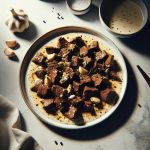
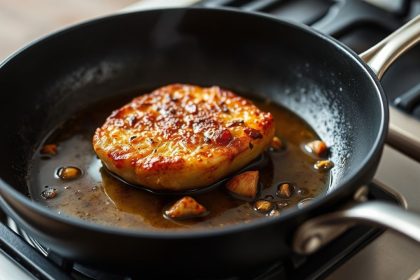
- Heat oil over medium in a large heavy pot. Add turkey in a single layer and sear until golden on each side, about 6–7 minutes total; work in batches if needed to avoid steaming.
- Set seared turkey aside. Add onion, carrots, and celery to the same pot. Sauté until softened, about 4–5 minutes, scraping browned bits between turns.
- Toast spices. Stir in garlic, smoked paprika, thyme, cumin, and bay leaf. Cook for 30–60 seconds to bloom the spices and release their aroma.
- Deglaze and simmer. Return the turkey, add drained tomatoes and 4 cups of stock, and bring to a gentle boil while scraping up fond. Then lower heat to a steady, low simmer.
- Tenderize. Cover and simmer for 25 minutes to make the turkey fork-tender and marry flavors. Avoid a vigorous boil to protect texture.
- Add the rice. Stir in rinsed rice, distribute it evenly, then cover and cook 18–20 minutes until rice is tender but not mushy. Keep heat low and resist frequent stirring.
- Finish and season. Remove the bay leaf, taste, and adjust salt and pepper. If the stew sits too thick, stir in a splash of warm stock to loosen the consistency.
- Garnish and rest. Let the pot rest off heat for a few minutes, then top with chopped parsley before serving.
Techniques That Make the Difference
Small technique choices create big improvements. For instance, rinsing rice removes surface starch so grains cook more independently and the broth holds a pleasant body.
Also, sear meat in batches. Overcrowding forces steam and prevents proper browning. After searing, deglaze to reclaim the fond and fold that concentrated flavor back into the stew.
When you add rice, maintain a low, steady simmer. Rapid boiling disrupts starch granules and turns grains sticky. Lift the lid only to check doneness near the end.
Serving, Cooling, and Storage
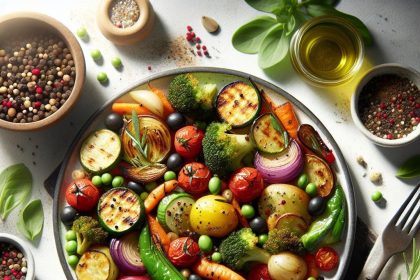
Serve turkey stew with crusty bread, a bright salad, or roasted vegetables for a balanced plate. Fresh herbs and a squeeze of lemon brighten heavy flavors.
Cool leftovers quickly and store in airtight containers. Refrigerate up to 3 days or freeze up to 3 months. If freezing, undercook rice by 1–2 minutes so reheating finishes the grain without turning it mushy.
Variations and Advanced Moves
To deepen umami, add sautéed mushrooms or finish with a splash of dry white wine during deglazing. Both moves layer complexity without masking the turkey.
For whole-grain rice, increase the stock by 1/2 cup and simmer 10–15 minutes longer. Monitor texture closely because brown rice absorbs liquid more slowly and changes the stew’s viscosity.
Nutrition and Ingredient Notes
Turkey is a lean protein choice from the broader poultry family. Using thighs balances moisture and flavor while keeping saturated fat low compared with many red meats.
Rice supplies carbohydrates and structure. For technical context on rice varieties and behavior during cooking, consult the rice overview.
Your broth affects both taste and mouthfeel. Start with low-sodium stock and finish seasoning at the end. See the stock (food) entry for how different stocks influence a stew.
Kitchen Equipment and Heat Control
A heavy-bottomed pot distributes heat evenly and helps you sustain a gentle simmer. Thin pans encourage hot spots and uneven cooking.
Keep heat moderate for browning and drop to low for the simmer. You can briefly increase heat to bring the pot to a boil, but maintain a steady low simmer for the majority of the cook.
FAQ
What rice cooks best in turkey stew?
Long-grain white rice yields separate, fluffy grains when rinsed and simmered gently. Short-grain varieties will produce a creamier, stickier body. Choose based on the texture you want.
Can I use turkey breast instead of thighs?
Yes, but breast meat cooks faster and dries more easily. If you use breast, reduce the initial simmer and add the meat later to preserve juiciness.
How do I reheat frozen portions without losing texture?
Thaw overnight in the fridge when possible. Reheat gently on the stove with a splash of warm stock, stirring minimally to avoid breaking the rice grains.
Is this recipe gluten-free?
Yes, if you use certified gluten-free stock and verify your spice blends. The core ingredients—turkey, rice, vegetables, and stock—are naturally gluten-free.
How can I boost savory depth without adding salt?
Add umami-rich ingredients like sautéed mushrooms, a splash of soy sauce (or tamari for gluten-free), or a small amount of anchovy paste. Deglazing the pot well also concentrates flavor without more sodium.
See also: Turkey Stew