
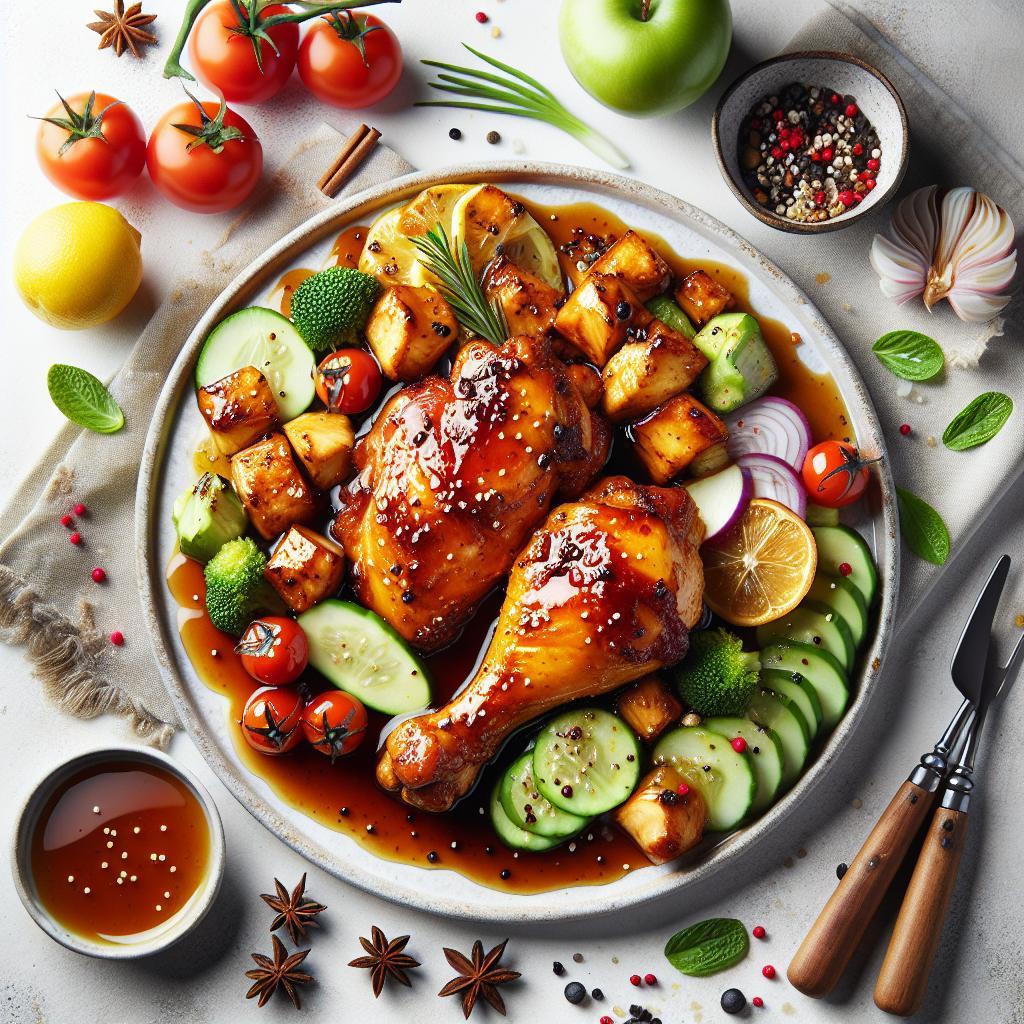

There is something magnetic about the balance of sweet honey and tangy mustard on roasted poultry. This honey mustard glazed chicken recipe converts simple chicken into a glossy, caramelized centerpiece that delivers both texture and flavor.
- Quick win: Ready in about an hour with minimal fuss.
- Best cut: Bone-in, skin-on thighs stay juicier and crisp better.
- Make-ahead: Glaze stores up to a week for fast dinners.
- Serve with: Roasted veg or a bright salad to cut richness.
Sweet and Tangy Harmony: Unlocking the Flavor Profile
The glaze works because two contrasting taste elements meet and balance: honey supplies sweetness and body while mustard contributes acidity and pungency. This chemical contrast promotes caramelization and creates the glossy coating that gives the dish its signature appeal.
To understand the components, review raw ingredient traits. Honey has sugars that brown quickly, so timing matters when glazing; mustard brings volatile aromatics that lift the palate. For reference on honey composition and behavior, see Honey.
Mastering the Perfect Chicken Cut
Selecting the right cut directly affects texture and cook time. Bone-in, skin-on thighs hold moisture and tolerate longer roasting, while boneless breasts need precise timing to avoid drying out.
For crowd-pleasing results, choose evenly sized pieces so heat penetrates uniformly. For background on poultry choices and safe handling, consult Chicken as food.
Prep and Cook Time
Plan for a short active prep and a moderate cook time to let the glaze set without burning. The optional marinate step improves flavor penetration but is not strictly required for a tasty finish.
Typical timing: Preparation 15 minutes; optional marinating 30–60 minutes (or up to overnight for deeper flavor); cooking 25–30 minutes; total roughly one hour. Adjust times if you change cut or equipment.
- Preparation: 15 minutes
- Marinating (optional): 30 minutes to 1 hour (up to overnight)
- Cooking: 25–30 minutes
- Total: Approximately 1 hour (active time ~25 minutes)
Yield and Difficulty
This recipe yields four portions when using average-sized thighs or breasts. Adjust quantities proportionally for larger or smaller parties.
Difficulty rates as easy to medium. The most important skills are consistent patting-dry of skin and correct internal temperature checks to avoid overcooking.
Step-by-Step: Crafting the Ideal Honey Mustard Glaze
Measure ingredients precisely to achieve a stable emulsion that will cling to the chicken during roasting. Emulsification helps the glaze remain glossy and prevents separation while it bakes.
Use these components to build balanced flavor and texture. For a quick primer on mustard varieties and how they differ, see Mustard (condiment).
- 2 tablespoons whole grain mustard (texture and tang)
- 3 tablespoons Dijon mustard (creaminess and depth)
- 1/4 cup pure honey (raw or mild-flavored)
- 2 tablespoons apple cider vinegar (bright acidic lift)
- 1 teaspoon smoked paprika (warmth)
- 1/2 teaspoon garlic powder
- 1/4 teaspoon black pepper, freshly ground
- 1/4 teaspoon sea salt, or to taste
- 1 tablespoon olive oil (for sheen and mouthfeel)
For specifics about Dijon mustard origin and character, review Dijon.
Instructions
Follow ordered steps to maximize glaze adhesion and skin crispness. Use active, deliberate steps: pat dry, baste only near the end, and rest before serving.
- Prepare the chicken: Trim excess fat and pat pieces dry with paper towels. Dry skin promotes Maillard browning and prevents steamy texture.
- Mix the glaze: Whisk whole grain mustard, Dijon, honey, apple cider vinegar, smoked paprika, garlic powder, black pepper, salt, and olive oil until glossy and emulsified.
- Marinate: Place chicken in a shallow dish or zip-top bag and pour half the glaze over pieces. Coat evenly and refrigerate 30 minutes to 1 hour. Reserve remaining glaze for basting.
- Roast: Preheat oven to 400°F (200°C). Arrange chicken on a lined sheet or lightly oiled rack. Roast uncovered 20 minutes, then baste with reserved glaze and roast another 5–10 minutes until internal temp reads 165°F (74°C).
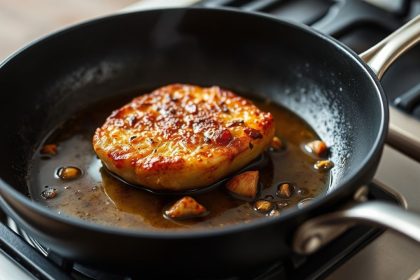
- Sear (optional): For extra-crisp skin, finish skin-side down in a hot skillet 2–3 minutes after roasting to render fat and deepen color.
- Rest and serve: Rest chicken 5 minutes to redistribute juices. Drizzle extra glaze and garnish with fresh herbs like thyme or parsley.
After resting, the glaze firms slightly and becomes tacky rather than runny. This finishing texture improves plating and mouthfeel.
Pro Tips and Serving Ideas
Small technique changes produce big improvements. For heat, add a pinch of cayenne; for brightness, swap apple cider vinegar for fresh lemon juice. These swaps keep the core profile intact while tailoring the dish.
Make the glaze ahead to save time on busy nights. Stored in a sealed jar in the refrigerator, the glaze holds up to one week and doubles as a dipping sauce for leftovers.
Pair the chicken with sides that complement sweetness and cut fat. Try creamy mashed sweet potatoes, roasted Brussels sprouts, or a crisp arugula salad with lemon vinaigrette.
For technique guides on finishing and glazing, see our internal resources: Glaze Techniques and explore similar preparations in the Chicken Recipe Collection.
Nutritional Snapshot
This section provides a practical estimate for portion planning. Values will vary by cut, glaze amount, and exact ingredients used.
Use the estimates below as a baseline when balancing plate composition and caloric targets for meals.
| Nutrient | Per Serving |
|---|---|
| Calories | 320 kcal |
| Protein | 35 g |
| Carbohydrates | 12 g |
| Fat | 14 g |
FAQ
What makes honey mustard glazed chicken so flavorful?
The glaze balances sugar and acid: honey provides sweetness and browning potential while mustard contributes acidity and aromatic compounds. This combination yields depth and a glossy finish.
Additionally, a brief marinate and late basting let the glaze meld without burning, resulting in sticky, well-developed flavor.
Can I use different mustards?
Yes. Dijon offers a smooth, moderately sharp profile, while whole grain gives texture. Spicy brown or English-style mustards change heat and pungency.
For background on mustard varieties and culinary use, see Mustard (condiment).
Which chicken cuts work best?
Bone-in, skin-on thighs deliver the most forgiving results because they retain moisture and crisp nicely. Boneless breasts require tighter timing but are leaner.
For safe handling and cooking guidance on poultry, consult Chicken as food.
How long can I store the glaze?
Refrigerated in an airtight jar, the glaze keeps up to one week. The emulsion may thicken; whisk or shake before use to restore consistency.
Using fresh vinegar or lemon juice and clean utensils reduces spoilage risk and preserves flavor intensity.
Can I grill this recipe?
Yes. Grilling adds smokiness that pairs well with the glaze. Baste frequently and move pieces away from direct flame when glaze accumulates to avoid flare-ups.
When switching to grill, monitor internal temperature closely to maintain juiciness and prevent excessive charring.
As you experiment, keep notes on timing and ingredient swaps. Small adjustments yield consistently better results, and short, focused practice sessions will make this recipe a reliable weeknight or entertaining favorite.
See also: honey mustard