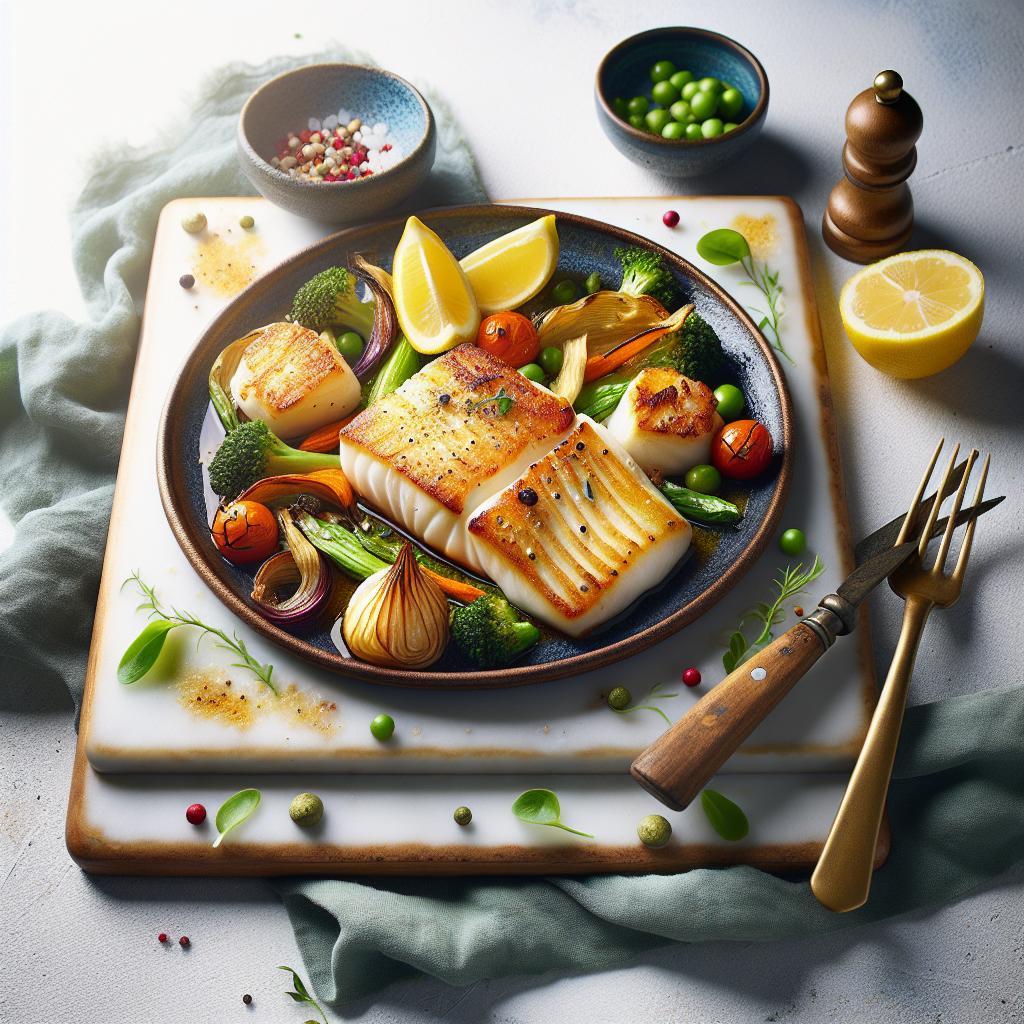

There’s something undeniably captivating about how a properly baked cod fillet elevates a simple meal into a golden delight. With flaky white flesh and a mild, buttery profile, cod rewards precise technique and careful timing.
- Prep and Cook Time
- Yield and Difficulty
- Ingredients
- Instructions
- Tips for Success
- Pro Cautions
- Serving Suggestions to Elevate Your Cod Experience
- Nutrition and Practical Notes
- FAQ
- What oven temperature yields the best texture?
- How do I test for doneness without overcooking?
- Can I use frozen cod for this recipe?
- What are good topping variations?
- How can I make the dish more family-friendly?
- In Retrospect
- Golden, flaky results come from dry fillets, the right oven temperature, and a crisp topping.
- Quick prep and short bake times keep the fish moist while encouraging a light crust.
- Simple tweaks — lemon, herbs, or panko — transform texture and flavor.
Prep and Cook Time
Preparation: 15 minutes. Marinating (optional): 20 minutes. These short steps build flavor without breaking the cod’s delicate structure.
Cooking: 18–22 minutes at 400°F (200°C) for a breadcrumb-topped fillet. Watch the fish closely; the flake test tells you doneness faster than the clock.
Yield and Difficulty
This recipe yields serves 4 from four six-ounce fillets. It suits cooks who want a reliable, high-impact seafood dish with low effort.
Difficulty equals Easy to Medium. The technique focuses on temperature control and topping adhesion rather than advanced skills. Even novices can reach consistent results with these steps.
Ingredients
Use fresh, thick fillets for even cooking. Aim for firm flesh that springs back slightly when pressed and shows a natural sheen.
Core ingredients: 4 cod fillets (6 oz each), 2 tbsp extra virgin olive oil, 1 lemon (zest and juice), 2 garlic cloves (minced), 1 tsp smoked paprika, 1/2 tsp sea salt, 1/4 tsp black pepper, 1 tbsp chopped dill, 1 tbsp chopped parsley, 1/4 cup panko breadcrumbs, and butter or ghee for basting if desired.
Instructions
1. Dry and season: Pat each fillet dry with paper towels to remove surface moisture. Drying is essential; moisture prevents a crisp crust and lengthens oven time.
2. Make the marinade: Whisk olive oil, lemon zest, lemon juice, minced garlic, smoked paprika, salt, and pepper. Coat fillets and let them rest for 20 minutes at room temperature to allow flavors to penetrate without “cooking” the fish.
3. Prepare crumb topping: Combine panko breadcrumbs with chopped dill and parsley; add a tablespoon of melted butter when you want extra color and adhesion. For context on the crumb type, see panko breadcrumbs for why they stay crispier than regular crumbs.
4. Bake and finish: Preheat the oven to 400°F (200°C) and place a rack in the middle. Transfer fillets to a greased tray, press the breadcrumb mixture onto each portion, and bake 18–22 minutes. If a deeper crust appeals, broil 1–2 minutes while watching closely to prevent burning.
Tips for Success
Select even-thickness fillets for uniform heat penetration. If fillets vary, fold thin tips under or trim to consistent thickness.
Time the marinade: Keep marinating under 30 minutes for citric mixes. Acid breaks down proteins; too long will make the texture mealy rather than tender.
Add herbs near the end of prep for brighter color. Fresh parsley and dill deliver aroma without turning brown after prolonged exposure to heat.
Use a shallow layer of melted butter in the breadcrumb mix to improve browning. For a leaner crust, swap to high-heat olive oil sparingly.
Pro Cautions
Watch oven hot spots: Temperatures fluctuate between ovens. Use an oven thermometer and rotate the tray halfway through the bake for even color and doneness.
When broiling to deepen color, stand nearby. Broiling acts fast and can turn a golden top into burnt crumbs in seconds.
For allergy safety, note that some crumb mixes include nuts or dairy. Label any shared dishes accordingly and provide nut-free alternatives if needed.
Serving Suggestions to Elevate Your Cod Experience
Serve baked cod on a bed of lemon risotto or alongside garlic mashed potatoes for a balanced plate. A squeeze of fresh lemon brightens the fish and cuts richness.
Complement the texture with roasted baby asparagus or sautéed green beans topped with toasted almonds. For oil-related technique notes, refer to olive oil guidance on smoke points and flavor profiles.
Nutrition and Practical Notes
Cod delivers high-quality lean protein with modest calories. Typical values per serving: about 280 kcal, 38 g protein, 6 g carbohydrates, and 8 g fat; these numbers vary with added butter or oil.
Cod represents an important fisheries stock; for sustainable sourcing and species info, review the Atlantic cod profile: Atlantic cod. Choose certified sources when possible to support healthy stocks.
| Nutrient | Per Serving |
|---|---|
| Calories | 280 kcal |
| Protein | 38 g |
| Carbohydrates | 6 g |
| Fat | 8 g |
For technique context on dry-heat methods and timing, read the general baking overview at baking. Understanding conduction and convection helps you place racks and set temperatures properly.
Store cooked cod refrigerated within two hours in an airtight container and consume within 48 hours for best quality. Reheat gently to avoid drying the protein.
FAQ
This FAQ answers common practical questions with concise, actionable steps. Each answer focuses on timing, texture, and flavor control so you repeat success reliably.
Read each response for quick fixes and pro-level explanations that save time in the kitchen.
What oven temperature yields the best texture?
Bake at 400°F (200°C) for a balanced cook: it crisps the topping while cooking the center to an opaque, flaky finish. Lower temps extend time and increase the risk of a soggy crust.
How do I test for doneness without overcooking?
Use the flake test: insert a fork at the thickest point and twist gently. If the flesh separates into moist flakes and looks opaque, it is done. Pull the fish at that point and allow a short rest; residual heat completes the cook.
Can I use frozen cod for this recipe?
Yes, but fully thaw and pat dry before seasoning to avoid excess moisture. Thaw slowly in the refrigerator for 12–24 hours and press away water to enable crust formation.
What are good topping variations?
Mix panko with parmesan for a savory crust, or swap in finely chopped nuts like almonds for crunch. Lemon zest and a dash of smoked paprika lift flavor without masking the fish.
How can I make the dish more family-friendly?
Keep seasonings mild and present lemon wedges on the side. Offer a simple breadcrumb without strong cheeses and pair the cod with neutral sides like mashed potatoes or steamed rice.
In Retrospect
Mastering golden baked cod relies on predictable steps: dry the fillet, balance acid and fat in the marinade, and control oven heat. These principles yield consistent, restaurant-quality results at home.
With practice, you will recognize doneness by sight and feel. Each successful bake reinforces timing and seasoning instincts so you can adapt the recipe to your pantry and preferences.

See also: Baked Cod