
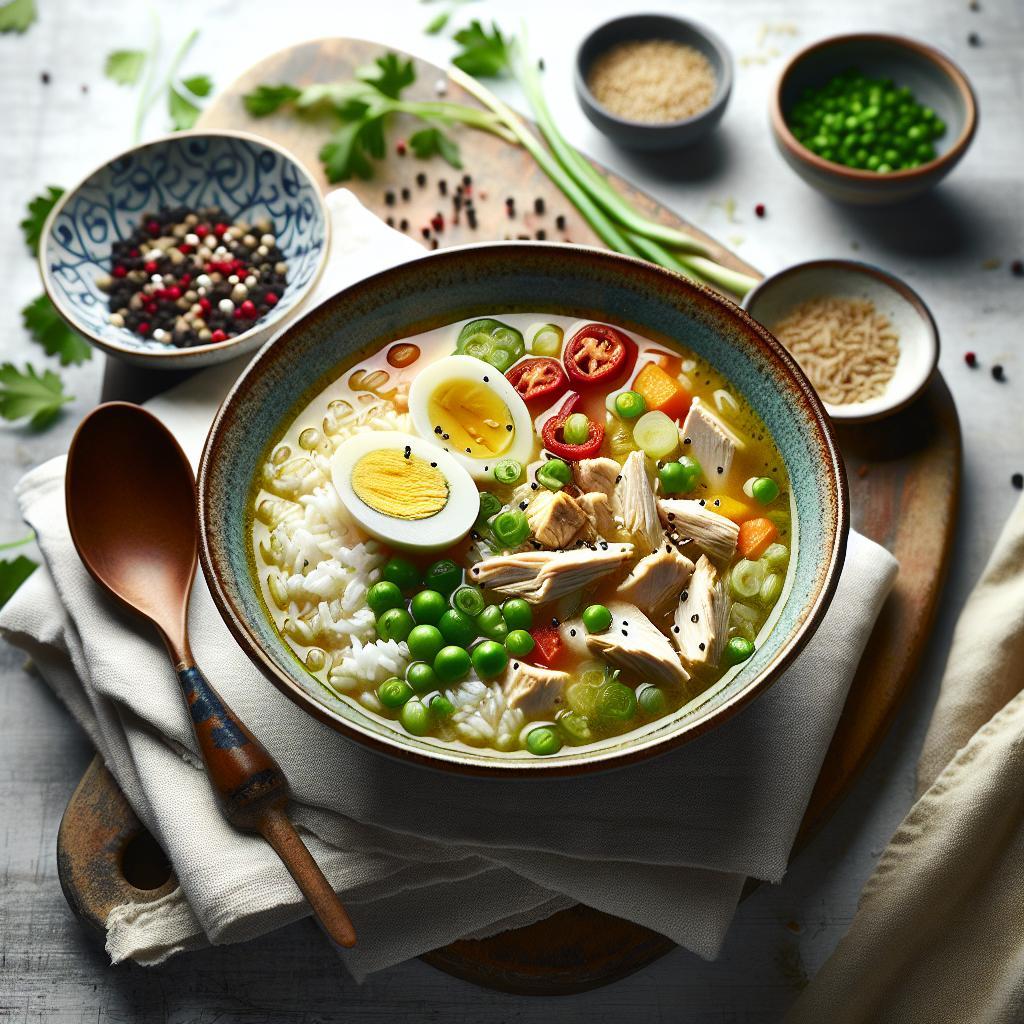

Chicken soup brings immediate warmth and a familiar ease when illness or low appetite strikes. A well-made chicken and rice soup supplies fluid, amino acids, and gentle calories while remaining easy to digest.
- The Nourishing Essentials Behind Chicken and Rice Soup
- Recipe: Practical Steps for a Restorative Soup
- Chef’s Notes and Variations
- Food Safety and Storage
- Serving Suggestions and Sensory Notes
- Nutritional Profile (Per Serving)
- Evidence and Practical Physiology
- FAQ
- What makes chicken and rice soup comforting?
- Does chicken soup actually help when you are sick?
- Can I use leftover cooked chicken?
- How should I store and reheat leftovers?
- Are there variations for picky eaters or dietary needs?
- Wrapping Up
- Classic relief: Warm broth hydrates and soothes irritated airways.
- Easy nutrition: Lean protein and simple carbohydrates support tissue repair.
- Flexible recipe: Variations increase fiber, micronutrients, and anti-inflammatory compounds.
- Practical storage: Cook and cool properly to preserve safety and texture.
The Nourishing Essentials Behind Chicken and Rice Soup
Chicken soup concentrates three functional components: broth, protein, and a digestible carbohydrate. Together they replace fluids and electrolytes while minimizing digestive work.
Broth acts as a delivery medium for minerals and gelatin; the meat supplies essential amino acids; rice provides gentle glucose. For background on each main ingredient, consult the detailed references on chicken, broth, and rice.
Why these ingredients matter
Broth hydrates and carries electrolytes, which helps maintain circulatory volume when fever raises fluid losses. The steam and warm vapors also transiently improve nasal airflow and comfort.
Chicken provides a concentrated source of amino acids such as cysteine and glycine; these support mucosal repair and immune cell synthesis. Rice supplies calories without heavy fiber, which reduces digestive strain during illness.
Recipe: Practical Steps for a Restorative Soup
This recipe emphasizes extraction at low heat and low sodium output to preserve electrolytes and clear flavor. Use whole bones where possible to increase gelatin and mineral yield.
Follow the steps below for a restorative chicken soup that balances texture, flavor, and nutrient density. Adjust salt and lemon to taste after cooling for elderly or hypertensive eaters.
Prep and Cook Time
Preparation: 15 minutes. Chop vegetables and rinse rice before you start to reduce surface starch.
Cooking: About 1 hour active simmer for the recipe below; extend simmer to 4–6 hours for bone broth if you want more collagen extraction.
Yield
Serves 6 bowls; portion by appetite and clinical need. Children and older adults may take smaller bowls with slightly more rice for calories.
Store leftovers in shallow containers to cool rapidly. Reheat gently to avoid breaking down texture and proteins.
Difficulty Level
Easy. The method suits beginner cooks and clinicians preparing convalescent meals for patients at home.
Required tools: a heavy-bottomed pot, a fine sieve if you prefer a clear broth, and a sharp knife. No specialized equipment needed.
Ingredients
Gather quality items to maximize benefit. Use low-sodium stock or plain water with a modest stock base to control sodium.
- 1 whole chicken (3–4 lb), cleaned and quartered
- 1 1/2 cups long-grain white rice, rinsed
- 2 large carrots, peeled and sliced
- 2 celery stalks, sliced
- 1 medium onion, diced
- 4 garlic cloves, minced
- 8 cups low-sodium chicken broth or water with a light stock base
- 1 tsp dried thyme and 2 bay leaves
- Salt and black pepper, to taste
- 2 tbsp olive oil
- Fresh parsley, chopped for garnish
- Juice of 1/2 lemon (optional)
Instructions
Heat oil in a large pot over medium heat. Add onion, carrots, and celery and sauté 6–7 minutes until softened and aromatic.
- Stir in garlic and cook one minute until fragrant.
- Pour in broth and bring to a gentle boil.
- Add chicken, thyme, bay leaves, and a pinch of salt and pepper. Reduce heat to a simmer.
- Simmer uncovered for 40–50 minutes until the chicken is tender.
- Remove chicken and set aside to cool slightly. Add rinsed rice to the broth and simmer 15 minutes until the rice is tender but not mushy.
- Shred the chicken, discard bones and skin, then return meat to the pot.
- Finish with lemon juice and parsley. Adjust seasoning and serve warm.
Chef’s Notes and Variations
Small swaps change nutrition and texture without losing comfort. For example, swap white rice for brown rice or quinoa to increase fiber and mineral content.
Herbs such as thyme, dill, or parsley add antioxidants and brighten flavor. For populations with low appetite, a squeeze of lemon can stimulate taste receptors and improve intake.
If you plan to freeze portions, cook rice separately and add when serving to avoid a mushy reheated texture. Brown rice requires longer cooking; add earlier or cook apart.
For a richer mouthfeel, simmer bones longer to extract collagen; strain solids for a clear, nutrient-rich broth. Use low salt if serving to elderly or hypertensive eaters.
Food Safety and Storage
Cool cooked soup to refrigerator temperature within two hours to reduce bacterial growth. Store at 4°C (40°F) or below and consume within three days when refrigerated.
When freezing, portion in meal-sized containers and leave headspace for expansion. Thaw in the fridge overnight and reheat to a brisk simmer before serving.
Serving Suggestions and Sensory Notes
Present the soup with contrasting textures to improve enjoyment and caloric intake. Bread, crackers, or a soft-boiled egg add interest and additional calories.
Garnish with parsley or a drizzle of olive oil for freshness and improved mouthfeel. A squeeze of lemon can brighten taste for those with reduced appetite.
Nutritional Profile (Per Serving)
Approximate values help plan meals for recovery and daily intake. Values will vary by portion size and specific brands.
| Nutrient | Per Serving |
|---|---|
| Calories | 280 kcal |
| Protein | 25 g |
| Carbohydrates | 30 g |
| Fat | 7 g |
Evidence and Practical Physiology
Hot, moist vapors provide symptomatic relief for nasal congestion and throat irritation. Hydration from broth supports circulatory volume during fever and sweating.
Amino acids from chicken feed tissue repair and immune cell production; for physiological context, review the material on the immune system. Electrolyte balance is described in clinical summaries such as the overview on electrolytes.
FAQ
What makes chicken and rice soup comforting?
Warm liquid soothes the throat and eases congestion by humidifying inhaled air. The balance of bland carbohydrates and protein provides energy without high digestive demand.
The sensory familiarity of chicken soup also encourages oral intake, which is critical during recovery to prevent dehydration and muscle loss.
Does chicken soup actually help when you are sick?
Yes. Steam can temporarily clear airways, and broth provides fluid and sodium to replace losses. Protein from chicken supports immune cell production and tissue repair.
Evidence supports symptomatic relief and improved fluid intake, which reduce complications associated with dehydration in vulnerable patients.
Can I use leftover cooked chicken?
Absolutely. Using leftover chicken shortens active cooking time and reduces fuel use. Add pre-cooked meat near the end to warm without drying out.
Leftover meat also speeds service in clinical or caregiving settings where hot, restorative meals are needed quickly.
How should I store and reheat leftovers?
Cool soup promptly, refrigerate within two hours, and use within three days. Freeze portions for longer storage up to three months.
Reheat gently on low heat to preserve texture and to avoid excessive breakdown of proteins. Bring to a full simmer before serving when reheating from cold.
Are there variations for picky eaters or dietary needs?
Yes. Swap rice for quinoa or gluten-free grains; use less onion or garlic for sensitive palates. For low-histamine needs, avoid long-simmered broths and prepare fresh stock.
Adjust herbs, lemon, and salt to suit cultural preferences and clinical dietary restrictions while keeping the core supportive elements intact.
Wrapping Up
Chicken soup remains a practical and evidence-aligned choice for comfort and recovery. It supplies hydration, amino acids, and easy calories in a format that patients and families accept readily.
Season and adapt the recipe to match dietary needs, culture, and appetite. Keep preparation simple, prioritize gentle heat, and focus on quality ingredients for the best results.
See also: chicken soup tag and chicken and rice recipe for more variations and meal plans.